Meta Unveils Muse Spark Open 81.6B MoE Model With Apple Mac Partnership
On October 16, 2026, Meta unveiled Muse Spark Open, an 81.6-billion-parameter open-weight mixture-of-experts (MoE) model, alongside a partnership with Apple to optimize the model for Mac devices. The announcement expands the open frontier AI landscape and brings high-performance AI capabilities to local consumer hardware. For creators, the move highlights the growing value of flexible, multi-model workflows that work across both cloud and local AI tools.

Table of contents
The Meta Muse Spark Open Announcement
On October 16, 2026, Meta took another major step in the open AI space with the unveiling of Muse Spark Open, a new frontier-scale AI model built on a mixture-of-experts (MoE) architecture. The model clocks in at 81.6 billion parameters, placing it among the larger open-weight models released to date, and marks Meta’s continued push to make high-performance AI accessible to developers and users outside of closed cloud ecosystems.
Alongside the model reveal, Meta announced a formal partnership with Apple to optimize Muse Spark Open for Mac hardware. The collaboration is designed to bring the model’s capabilities directly to Apple’s desktop and laptop lineup, building on Apple’s years of investment in on-device AI and silicon performance. The announcement comes amid a broader shift in the AI industry toward open models and local inference, as users and organizations seek more control over their data and workflow costs.
While initial details are limited, the dual announcement of a large open MoE model and a major hardware partnership signals Meta’s ambition to compete across both the open-source AI space and the consumer device ecosystem. The move also comes shortly after analysis concluded that Google and Meta’s combined frontier AI push has ended the absolute market lead long held by OpenAI and Anthropic, making the competitive landscape for AI models more fragmented than ever.
Key Details of the Muse Spark Open Model
Muse Spark Open is classified as an open-weight model, meaning its underlying weights are publicly available for researchers, developers, and organizations to download, modify, and deploy — a stark contrast to closed, API-only models offered by companies like OpenAI and Anthropic. Open-weight models have grown in popularity over the past year, as they offer greater customization options, lower long-term deployment costs, and enhanced data privacy, since users can run the model on their own infrastructure instead of sending data to third-party cloud servers.
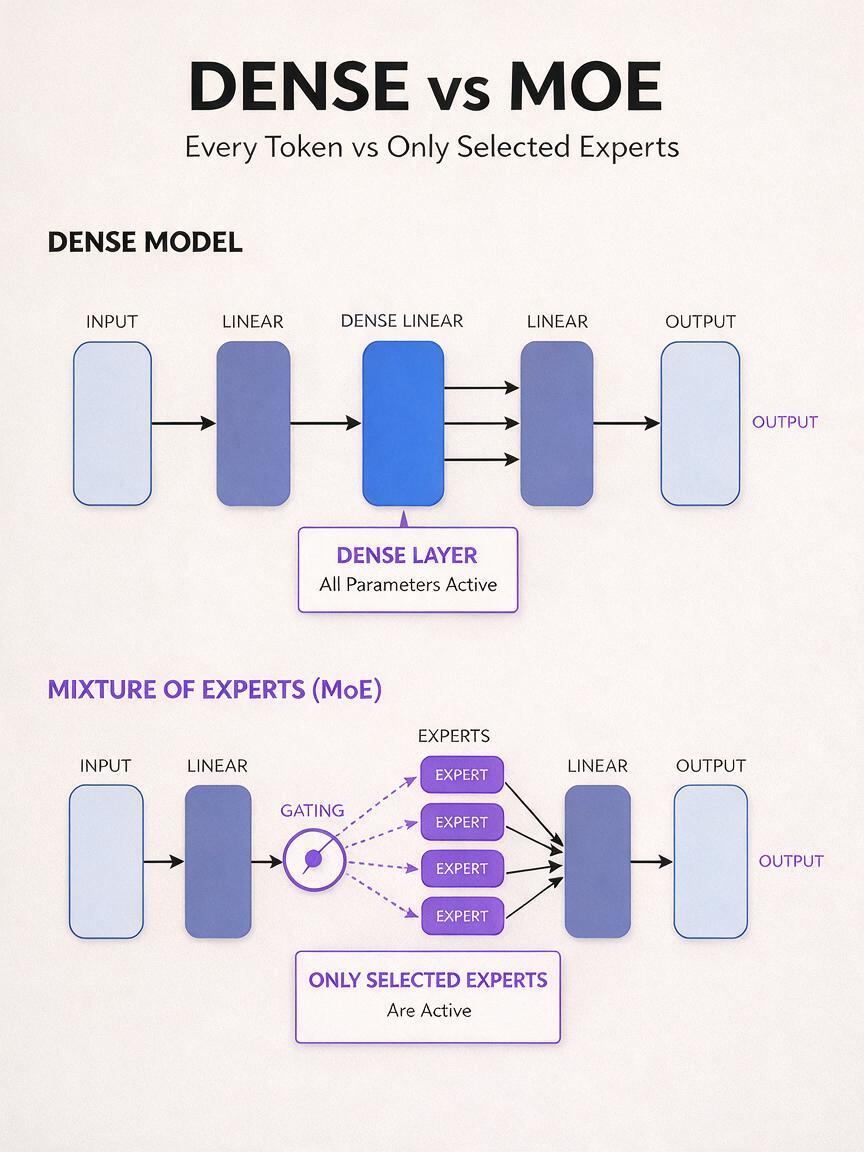
The model uses a mixture-of-experts (MoE) architecture, a design that activates only a subset of parameters for each input, rather than the entire model. This approach allows MoE models to deliver much higher performance per compute unit than dense models of the same total parameter count, making them more efficient to run — especially on local hardware where compute resources are more constrained than in cloud data centers.
At 81.6 billion total parameters, Muse Spark Open sits in the upper tier of currently available open-weight models. As of the initial October 16 announcement, Meta has not shared additional details about the model’s training data, benchmark performance, licensing terms, or official release date. The lack of these details leaves many questions unanswered for developers and creators looking to integrate the model into their workflows, but the announcement alone is enough to signal Meta’s commitment to the open AI ecosystem.
Apple Mac Partnership: Local AI for Consumer Hardware
The partnership between Meta and Apple to optimize Muse Spark Open for Mac devices is one of the most notable parts of the announcement, as it bridges the gap between large open frontier models and consumer-grade hardware. Apple has spent years optimizing its M-series and A-series chips for AI workloads, with dedicated neural engine hardware built into every recent Mac, iPhone, and iPad. Optimizing a model of this size for Mac hardware could make high-performance AI accessible to millions of users who don’t have access to expensive cloud GPU resources.
For users, local deployment of a model like Muse Spark Open would mean faster inference times for many tasks, no ongoing API costs after the initial download, and full control over any data processed by the model — a major benefit for creators working with sensitive or proprietary content. It also opens up new possibilities for offline AI workflows, where users can generate content, edit media, or run analysis without an internet connection.
As with the model itself, details of the Apple-Meta partnership remain scarce. The announcement did not specify which Mac models will support Muse Spark Open, whether the optimized version will be available through Apple’s operating system tools or a separate Meta app, or when the optimized build will be released. Even so, the collaboration sets a precedent for major AI developers and hardware makers working together to bring frontier AI capabilities directly to end-user devices.
What This Means for Creators
For AI content creators, the launch of Muse Spark Open and the Apple Mac partnership expand the already growing pool of AI tools available for every stage of the creative process. Open-weight models give creators the ability to fine-tune models on their own content, develop custom workflows, and reduce their reliance on third-party API providers — all of which can help them build more unique, cost-effective content pipelines.
On-device AI, meanwhile, gives creators more flexibility to work from anywhere, without worrying about internet connectivity or data privacy concerns. This is especially valuable for creators working on projects involving sensitive footage, proprietary scripts, or personal content that they don’t want to send to cloud servers.
At the same time, the growing number of AI models and deployment options can make it harder for creators to keep up with the latest tools and find the best model for each specific task. A creator working on a short film, for example, might need one model for scriptwriting, another for generating concept art, a third for voiceover, and a fourth for turning static images into animated clips. Juggling multiple accounts, pricing plans, and interfaces for each tool can eat into time that would be better spent creating.
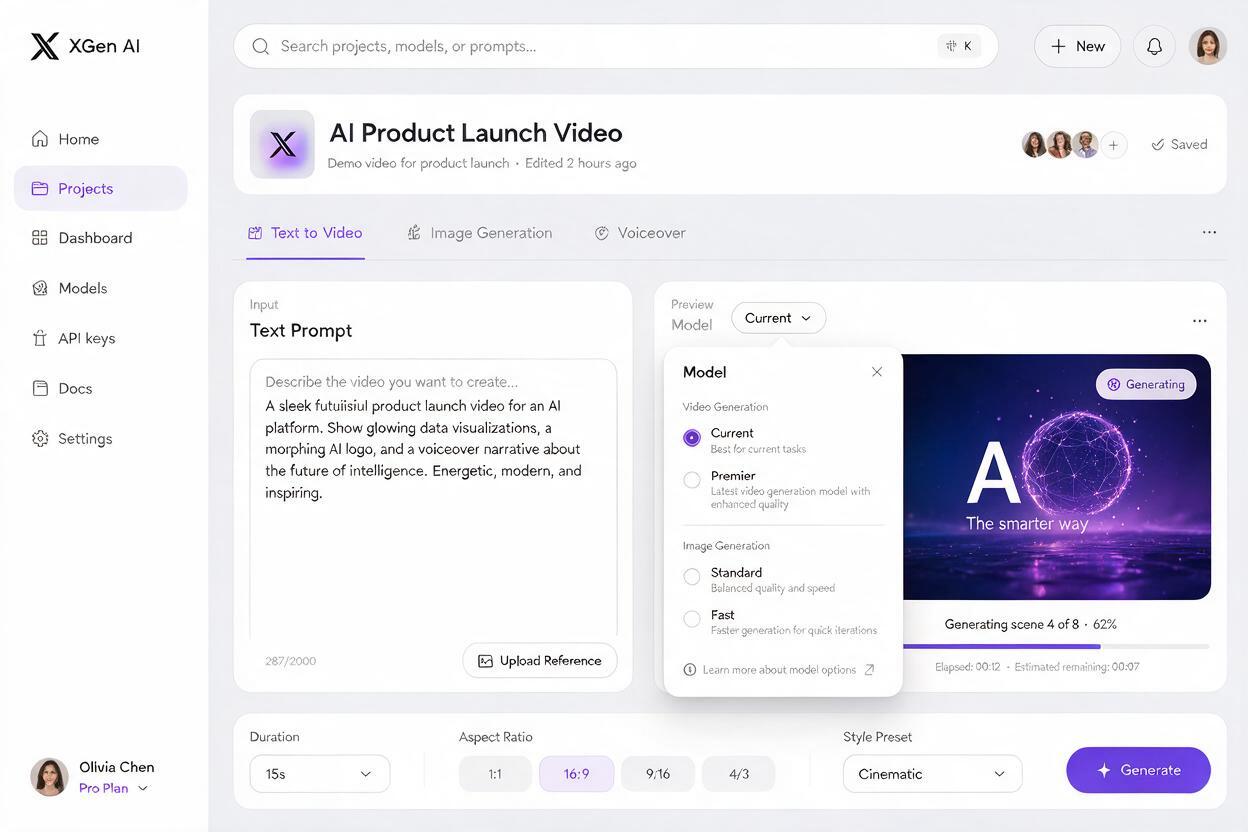
This is where unified multi-model platforms add real value. Instead of managing separate subscriptions for every new model that launches, creators can use a single platform that aggregates top AI tools in one place. For video creators, an ai video generator that supports multiple underlying models lets you pick the best style and performance for each project, without switching between services. Tools for text to video, image generation, voiceover, and scriptwriting all in one place streamline the entire creative workflow from ideation to final export.
Navigating a More Fragmented AI Landscape
The Muse Spark Open announcement is just the latest sign that the AI industry is moving away from a market dominated by two or three closed model providers, toward a more fragmented ecosystem with dozens of high-quality models from different companies, available through both cloud APIs and local deployment. For creators, this fragmentation is mostly a good thing: it drives down prices, spurs innovation, and gives you more options to find the perfect tool for your specific needs.
But fragmentation also brings challenges. Model capabilities change quickly, new models launch every week, and relying too heavily on any single provider can leave you stranded if that model is retired, changes pricing, or experiences downtime. We’ve already seen this with recent model retirements from services like GitHub Copilot, where users had to adjust to new model versions overnight.
The best way for creators to take advantage of the growing AI ecosystem without getting locked into any single provider is to build flexible, diversified workflows. That means using tools that work across multiple models, keeping your creative assets portable, and having backup options for critical tasks.
Multi-model platforms like MagicBoat are built for this new landscape. Instead of betting on a single model or provider, MagicBoat curates a selection of top AI tools for content creation — from image generation to video editing to voiceover — and lets you access them all with a single account. You can test different models for each project, switch between tools seamlessly, and always have a backup if one model experiences issues. You can try these models for free to see how a multi-model workflow can fit into your creative process.
Key Takeaways
- Meta unveiled Muse Spark Open, an 81.6B-parameter open-weight MoE model, on October 16, 2026, alongside a partnership with Apple to optimize the model for Mac hardware.
- Open-weight MoE models offer a balance of high performance and efficiency, making them well-suited for both cloud deployment and local use on consumer hardware.
- The Apple partnership signals a growing push toward on-device AI, which gives creators more privacy, lower long-term costs, and offline workflow options.
- As the AI landscape becomes more fragmented with new models launching regularly, multi-model platforms help creators stay flexible and avoid vendor lock-in.
- Unified platforms let you access a range of AI creation tools — from text to video to image generation — in one place, without managing multiple subscriptions.
Keywords
meta muse spark open, ai news, ai tools, open-weight ai, moe model, apple mac ai, ai video generator, text to video