Microsoft 2011 Windows Secure Boot Certificate Expires: What Users Need to Know
Microsoft’s 2011 Windows Production PCA Secure Boot certificate expired on October 19, 2026, marking the end of the last of three legacy Secure Boot certificates. Unpatched Windows PCs will still boot normally but lose access to new boot-level security protections, requiring operating system and firmware updates to move to the 2023 certificate chain. AI content creators should prioritize these updates to protect their project files, platform credentials, and creative workflows from boot-layer threats.
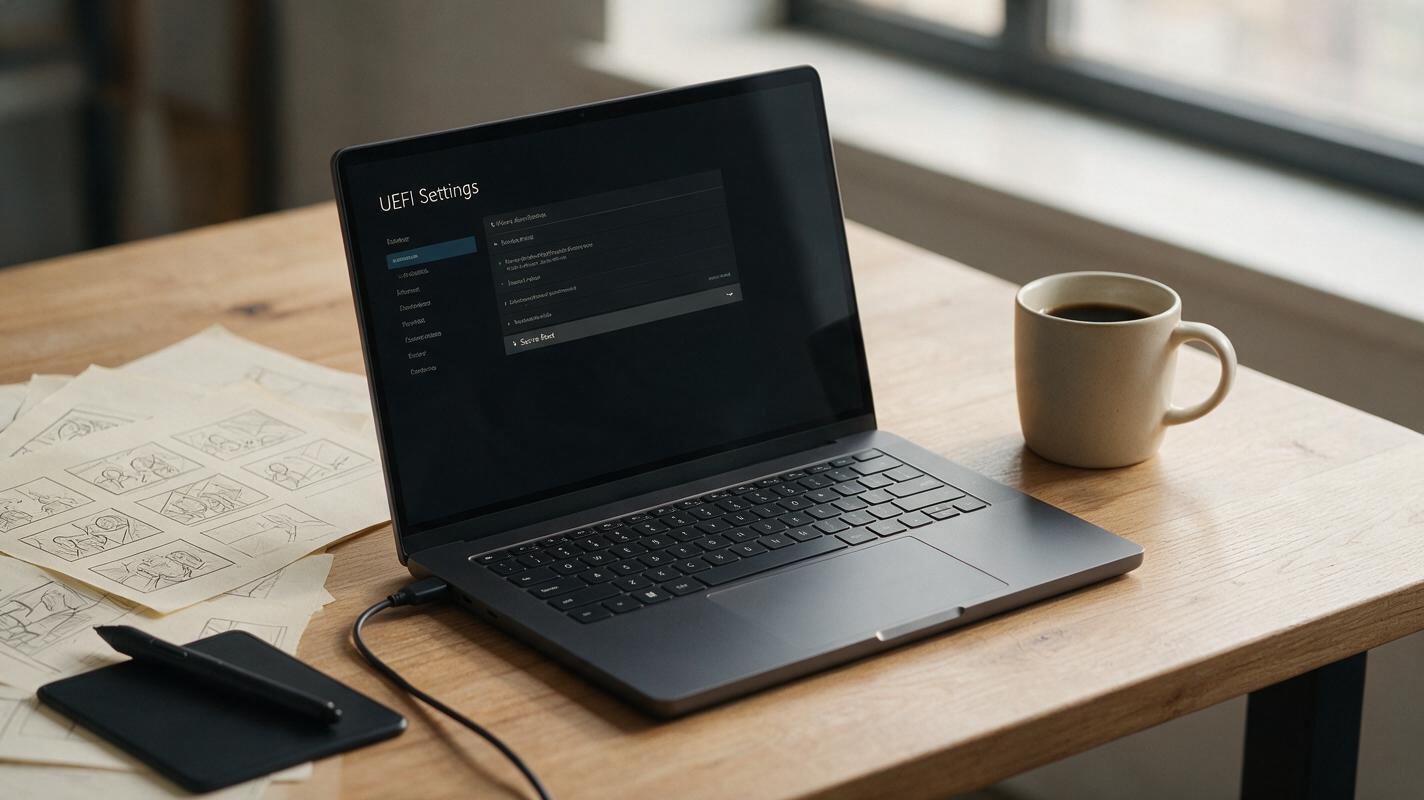
Table of contents
What Happened With Microsoft's 2011 Windows Secure Boot Certificate?
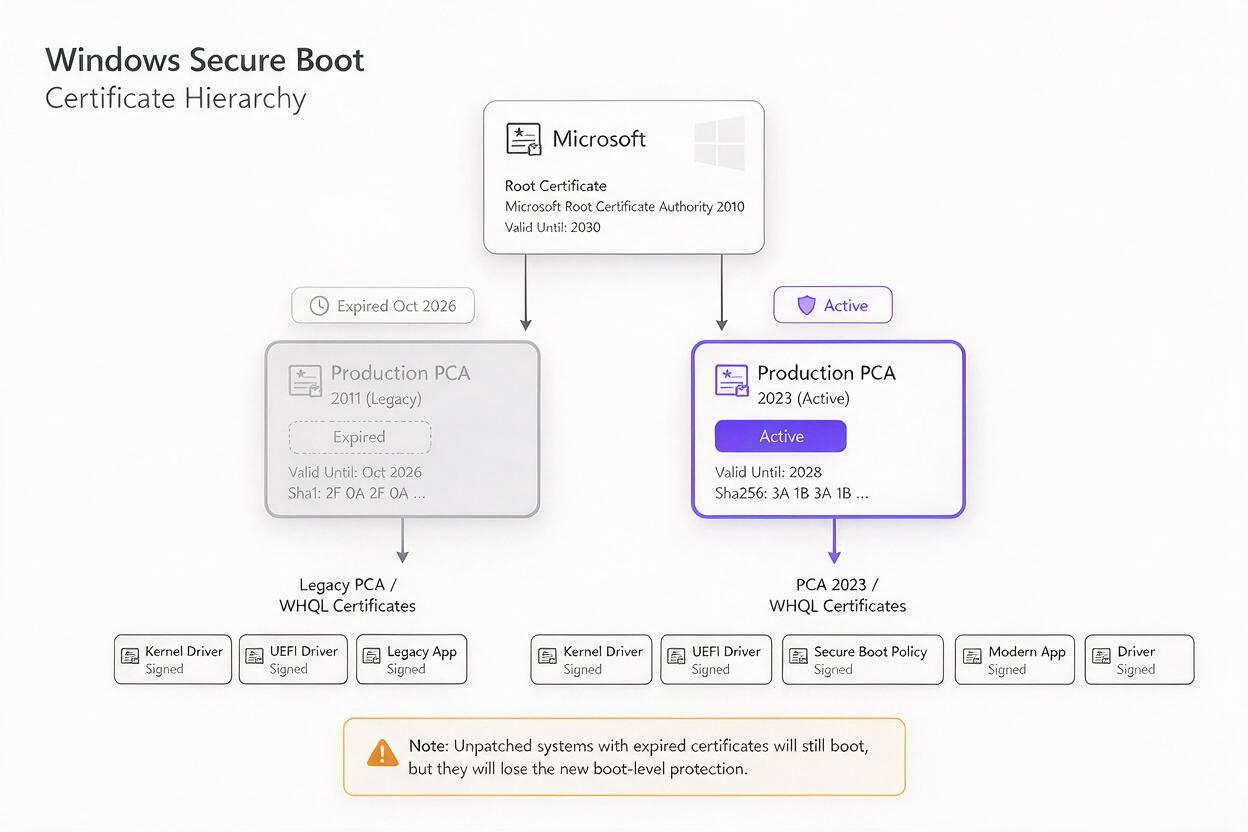
Microsoft’s 2011 Windows Production PCA Secure Boot certificate reached its expiration date on October 19, 2026, marking the end of the final legacy certificate in a three-certificate retirement cycle. The 2011 cert was one of the original root certificates used to validate boot components for Windows PCs with Secure Boot enabled, a security feature designed to prevent unauthorized software from running before the operating system loads.
Unpatched Windows devices will continue to boot normally even after the certificate’s expiration. However, these systems will lose access to new boot-level security protections that rely on the legacy certificate chain, leaving them more exposed to sophisticated boot-layer threats over time. To maintain full boot security, users must install available Windows operating system updates and device firmware updates that shift systems to the newer 2023 Secure Boot certificate chain.
Why This Certificate Change Matters
Secure Boot is a foundational security feature for modern Windows PCs, acting as a first line of defense against malware that targets the boot process — including rootkits and bootkits that can evade traditional antivirus software by loading before the OS starts. The retirement of the 2011 legacy cert is part of regular certificate lifecycle management, designed to keep boot security infrastructure up to date with evolving threat models.
While the immediate impact for most users is minimal — since devices still boot normally — the long-term risk of skipping updates grows as new security patches and features are built exclusively for the 2023 certificate chain. Systems that remain unpatched will miss out on future boot-layer security improvements, creating a gap that attackers could exploit as they adapt to newer security standards.
Implications for AI Content Creators
For AI content creators who rely on Windows PCs as their primary workstations, this certificate expiration is more than a routine IT update — it directly impacts the security of their creative work, platform credentials, and ai workflow. Many creators store high-value project files, client work, and sensitive login details for AI tools and cloud storage on their local machines, making boot-level security a critical line of defense against data theft or ransomware.
A compromised boot layer could give attackers access to everything from ai video generator project files to social media account credentials, disrupting production schedules and putting intellectual property at risk. Creators who juggle multiple AI tools and platforms also face higher exposure if saved login credentials are stolen, as a single breach could spread across multiple accounts.
For creators who prefer to minimize local security management overhead, cloud-based AI platforms offer a streamlined alternative. MagicBoat provides centralized, managed access to a full suite of AI creation tools — from ai script writer to ai music generator — so you can build and execute your creative workflows without worrying about local boot certificate updates or patch management. try these models for free to experience a simplified, secure AI creation setup.
How to Ensure Your Windows System Stays Protected
Keeping your Windows PC’s boot security up to date requires two key actions aligned with official guidance for this certificate transition. First, install all pending Windows operating system updates, which include the necessary certificate trust updates to move to the 2023 Secure Boot chain. Second, check for and install any available UEFI or firmware updates from your PC’s manufacturer, as these often include boot security improvements and certificate chain updates at the hardware level.
You can verify your Secure Boot status through the Windows System Information app, where the Secure Boot State field will show whether the feature is enabled and functioning correctly. For most users, enabling automatic Windows and driver updates will ensure the transition to the 2023 certificate happens without manual intervention.
Key Takeaways
- Microsoft’s 2011 Windows Production PCA Secure Boot certificate expired on October 19, 2026, as the last of three legacy Secure Boot certificates.
- Unpatched Windows PCs will continue to boot normally but will lose access to new boot-level security protections tied to the legacy certificate chain.
- Users should install the latest Windows operating system updates and device firmware updates to move to the 2023 Secure Boot certificate chain.
- AI content creators should prioritize these updates to protect their project files, platform credentials, and ai automation workflows from boot-layer threats.
Keywords
windows secure boot certificate expired, microsoft secure boot 2026, windows boot security, pc security for creators, ai workflow security, windows firmware update, legacy secure boot cert