Microsoft 2011 Windows Production PCA Secure Boot Certificate Expires
Microsoft’s 2011 Windows Production PCA Secure Boot certificate, the last of three legacy Windows boot-signing certificates, expired on October 19, 2026. Unpatched Windows PCs will continue to boot normally but will lose access to new boot-level security protections, requiring users to install Windows and firmware updates signed with the 2023 Production PCA certificate to maintain full security. For AI content creators relying on Windows workstations for production, the expiration highlights the importance of system security and the risk-mitigation benefits of cloud-based AI creation platforms.
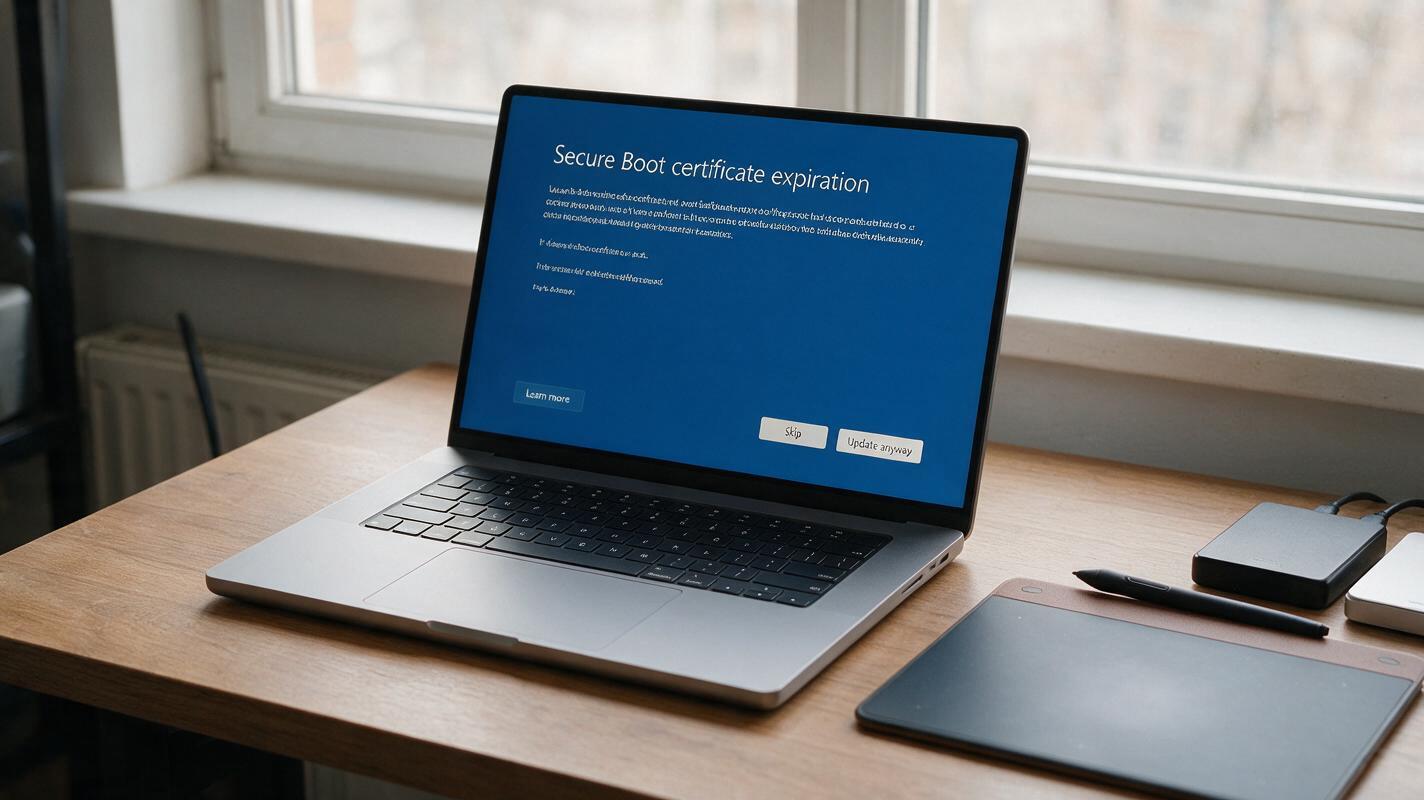
Table of contents
Details of the 2011 Windows Production PCA Certificate Expiration
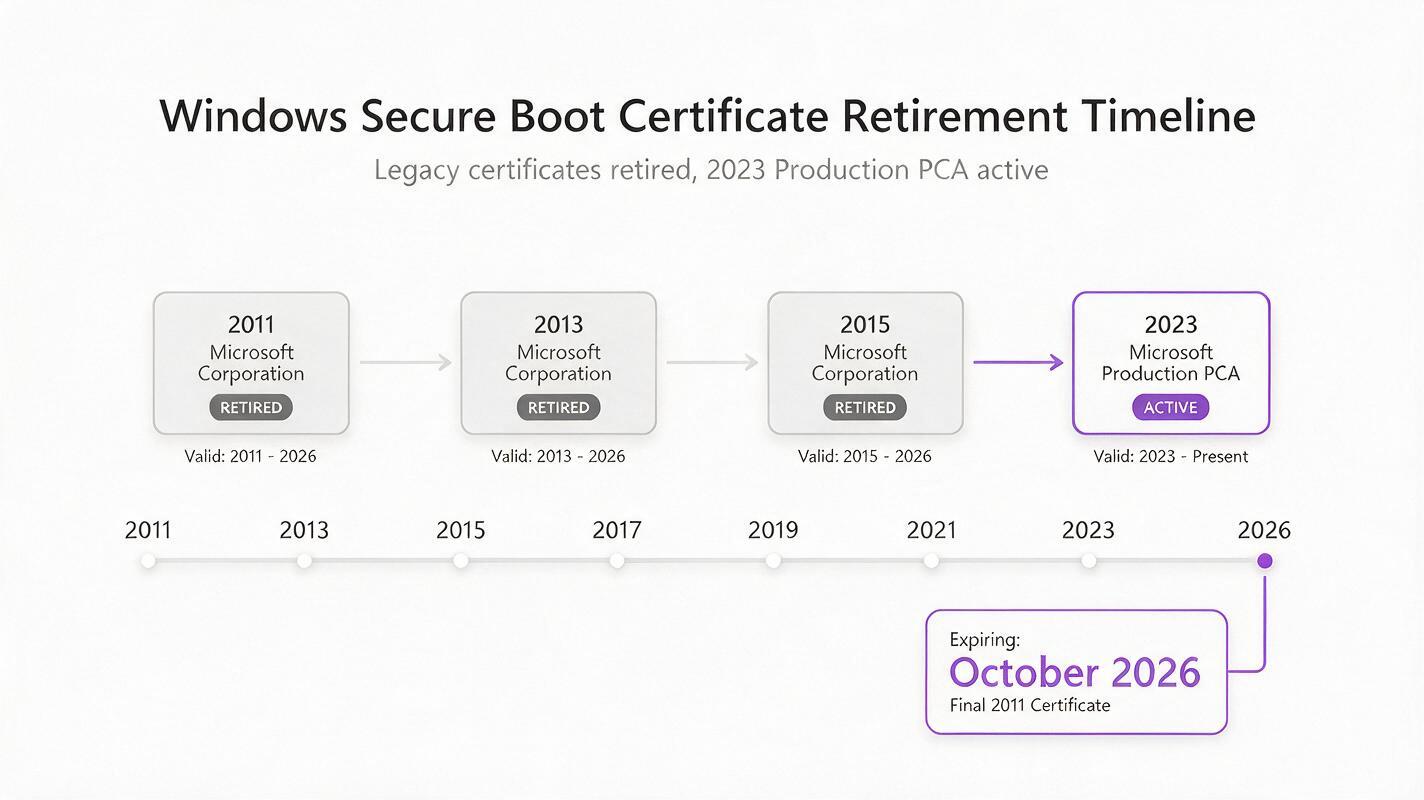
Microsoft’s 2011 Windows Production PCA Secure Boot certificate expired on October 19, 2026, marking the final phase of a legacy certificate retirement process across Windows ecosystems. The certificate is the last of three legacy Windows boot-signing certificates to reach end-of-life, closing out a 15-year run of boot-level security infrastructure.
Secure Boot is a Windows security feature that ensures only signed, trusted software can run during the system boot process, preventing malware from embedding itself at the lowest levels of the operating system. The 2011 PCA certificate was used to sign boot components for earlier Windows versions and firmware updates, and its expiration follows the retirement of two earlier legacy certificates in prior years.
How Unpatched Windows PCs Are Affected
Unpatched Windows PCs will not stop working after the certificate expiration, contrary to common concerns about security certificate end-of-life. Systems that have not installed updates signed with the newer 2023 Windows Production PCA certificate will still boot normally, and day-to-day functionality will remain unchanged for most users.
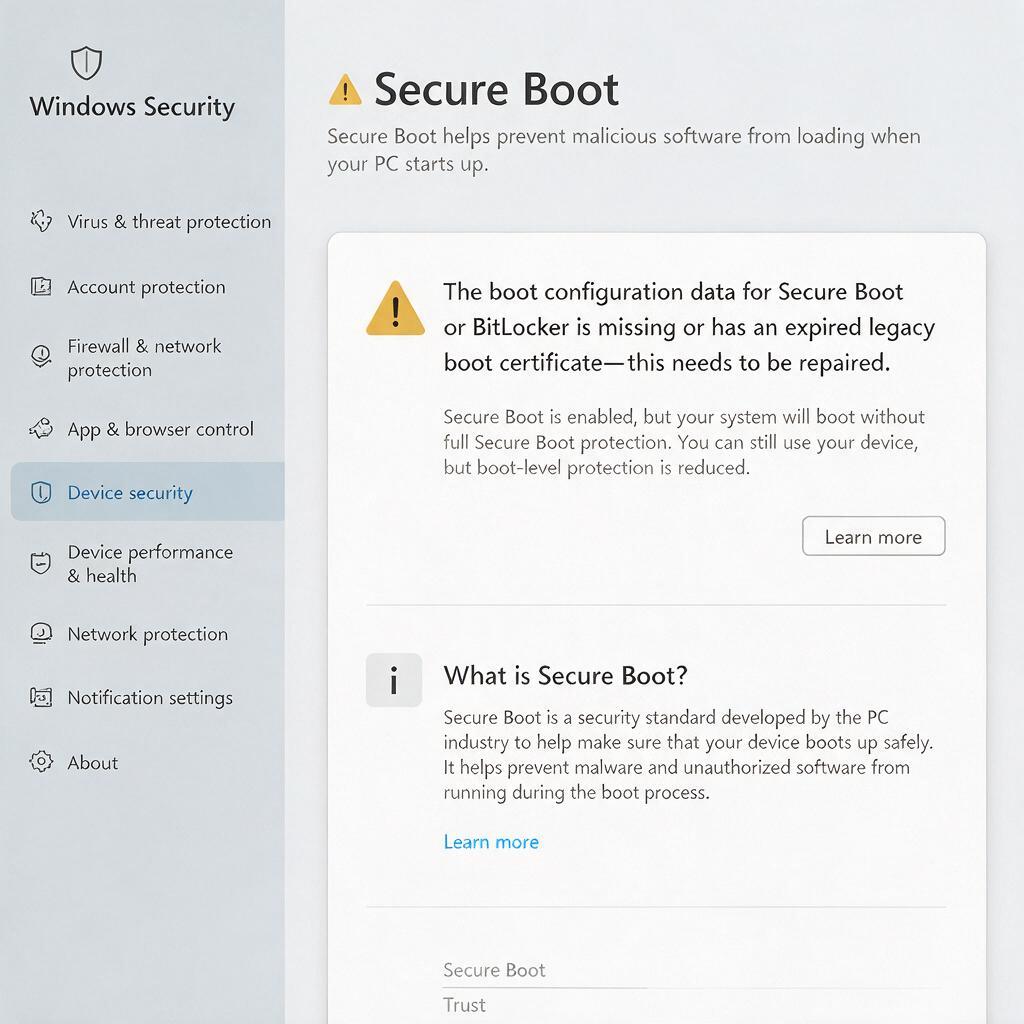
The key impact is on future boot-level security protections. Without updates that shift trust to the 2023 certificate, unpatched systems will not receive new boot-signed security features or firmware updates that rely on the newer certificate infrastructure. This leaves these systems more vulnerable to future boot-level malware threats that target legacy certificate vulnerabilities, as Microsoft will no longer issue security updates signed with the expired 2011 certificate.
Required Actions to Maintain Full Boot Security
To retain full boot-level protection, Windows users need to install two categories of updates: Windows operating system updates that add trust for the 2023 Production PCA certificate, and firmware updates from device manufacturers that are signed with the newer certificate. Both types of updates are necessary to fully transition away from the legacy 2011 certificate infrastructure.
Microsoft has been phasing in the 2023 certificate over several years, so most regularly updated Windows 10 and Windows 11 systems already have the necessary trust configurations in place. Users who have disabled automatic updates or are running older, unsupported Windows versions are most likely to be affected by the expiration.
What This Means for AI Content Creators
For content creators who rely on Windows workstations for AI content production, the certificate expiration is a reminder of how critical system-level security is to creative workflows. Many creators run local AI models, store terabytes of raw footage and design assets, and manage client-sensitive project data on their primary workstations. A boot-level malware infection could destroy months of work, steal intellectual property, or hijack local GPU resources for unauthorized crypto mining or AI model training.
The risk is amplified for creators who work with multiple AI tools, including local installs of open-source models and creative software. Each additional piece of software adds potential attack surface, and boot-level compromise can bypass even robust endpoint security tools. Regular system and firmware updates are a foundational defense, but they are not always top of mind for creators working on tight client deadlines.
How Cloud AI Platforms Reduce Local Security Risk
One way creators can reduce their reliance on local system security for AI production work is to use cloud-based AI creation platforms. Instead of downloading and installing AI models locally, creators can access tools like ai image generator and ai video generator through a web browser, with all heavy processing and model storage handled on secure, professionally maintained cloud infrastructure.
This approach has multiple security benefits for creators. Sensitive project prompts and assets are processed in isolated cloud environments rather than on local workstations, reducing the risk that a local system compromise will expose core creative work. Cloud platforms also handle all security updates and infrastructure maintenance on the backend, so creators don’t have to pause their workflow to apply system patches or certificate updates to run AI tools.
Platforms like MagicBoat bring together dozens of AI creation tools in a single, browser-based interface, so creators can switch between image generation, video editing, and scriptwriting tools without installing additional software on their local machines. This not only simplifies workflow but also reduces the attack surface of local workstations by minimizing the number of installed applications that could be targeted by malware.
If you’re looking to streamline your AI content workflow while reducing local security risk, you can try these models for free and see how cloud-based AI creation fits into your production process.

Key Takeaways
- Microsoft’s 2011 Windows Production PCA Secure Boot certificate expired on October 19, 2026, as the last of three legacy boot-signing certificates.
- Unpatched Windows PCs will still boot normally but will lose access to new boot-level security protections and future signed firmware updates.
- Users need to install Windows and firmware updates signed with the 2023 Production PCA certificate to maintain full boot security.
- AI content creators relying on local Windows workstations face elevated risk from boot-level malware, which can destroy project data and hijack AI compute resources.
- Cloud-based AI platforms reduce local security risk by moving AI processing and tool access to professionally managed cloud infrastructure.
Keywords
microsoft windows, secure boot certificate, windows security, ai industry, ai content creation, ai image generator, ai video generator