Microsoft Pledges to Pay Own AI Data Center Power and Grid Upgrade Costs
On November 12, 2026, Microsoft cloud operations and innovation president Noelle Walsh pledged the company will cover all electricity and grid-upgrade costs for its AI data centers to avoid shifting expenses to other ratepayers, alongside $117 billion in planned 2026 AI and cloud spending. The announcement came the same day as a global Microsoft 365 outage, new low-carbon supply deals from Meta, and a multi-billion dollar bond issuance from Alphabet, highlighting accelerating AI capital expenditure across the tech sector. The pledge carries direct implications for AI infrastructure stability and cost pass-through risks that affect content teams relying on cloud-based AI creative tools.
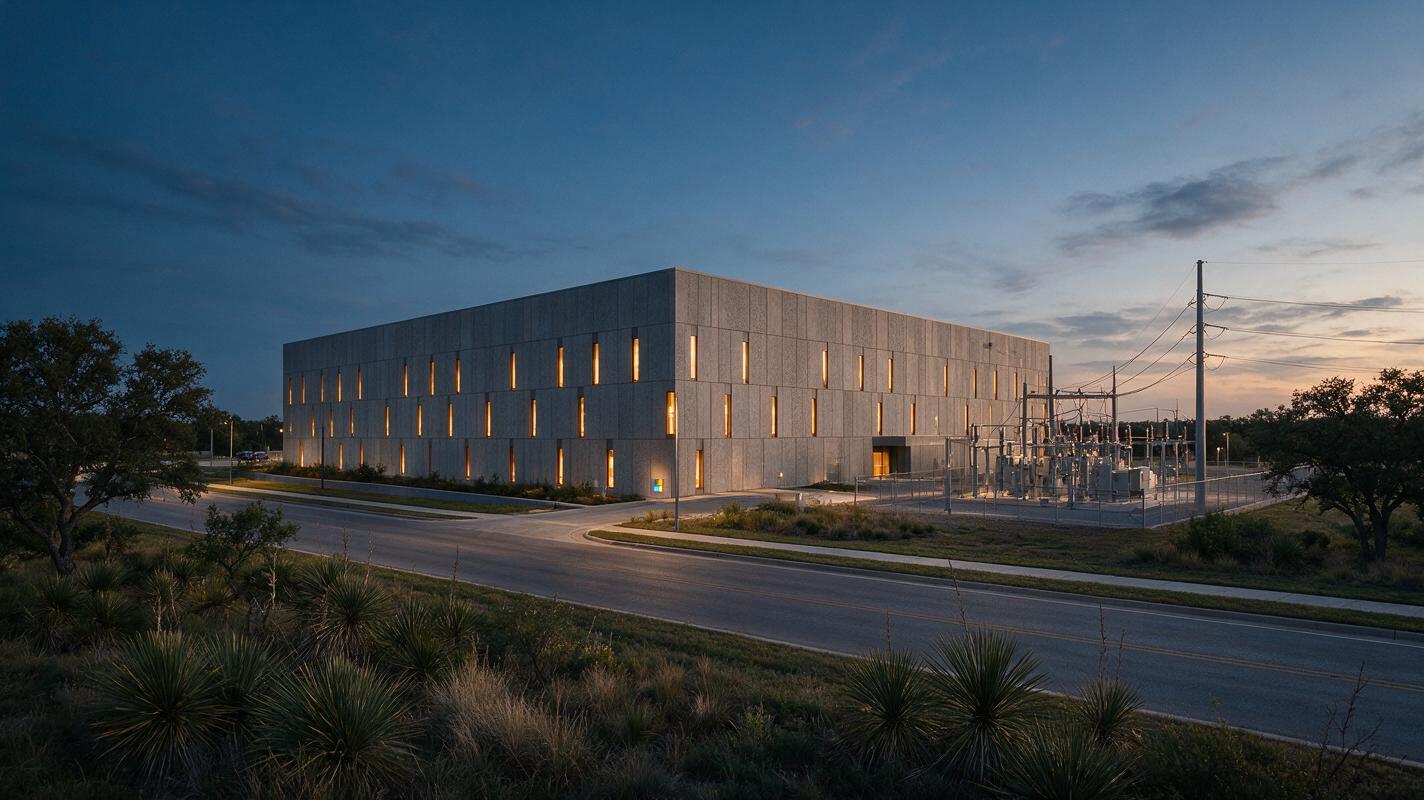
Table of contents
The Microsoft Data Center Power Pledge: What We Know
On November 12, 2026, Microsoft cloud operations and innovation president Noelle Walsh made a landmark commitment at the BloombergNEF conference in Houston, addressing a growing flashpoint in the AI industry: who pays for the massive electricity and grid upgrades required to support AI data center growth.
“We do not want other consumers paying for our growth. We will pay our own way.” — Noelle Walsh, Microsoft cloud operations and innovation president
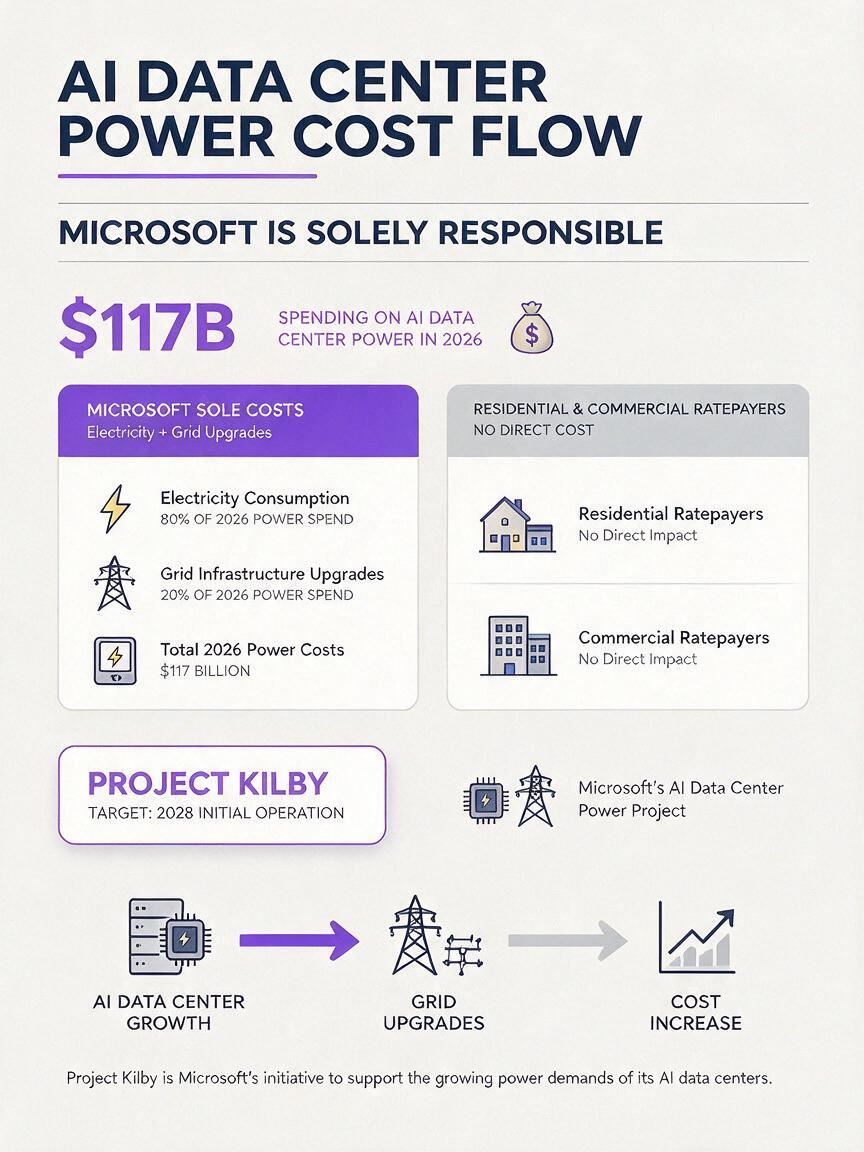
The pledge rules out government subsidies and any cost shifting to other electricity ratepayers for the company’s AI infrastructure expansion. Microsoft plans roughly $117 billion of AI and cloud data-center spending in the current year, making it one of the largest single investors in AI infrastructure globally.
Walsh also highlighted Project Kilby, a partnership with Chevron and Engine No. 1 in West Texas that builds dedicated power generation directly adjacent to data center facilities to reduce reliance on the public grid. The project targets initial operations in 2028 and full operations in 2031, though it faces headwinds from local regulatory shifts: outgoing Texas Gov. Greg Abbott had paused approvals for new data-center projects, and incoming Democrat Gina Hinojosa campaigned on stricter scrutiny of the sector.
The pledge covers power costs and grid upgrade expenses driven by Microsoft’s growth, but does not extend to all data center construction costs.
The same day brought additional industry developments tied to AI infrastructure growth. Meta signed multi-year offtake deals for low-carbon construction materials: at least 180,000 tonnes of low-carbon cement from Sublime Systems, near-zero-emission virgin steel from Stegra, and 5,000 tonnes per year of recycled PET from MacroCycle Technologies’ upcoming U.S. Southeast plant. Alphabet also launched HK$16 billion of three-tranche and S$2.28 billion of four-tranche bond issuance, adding to the wave of capital flowing into AI-related infrastructure.
Also on November 12, Microsoft 365 suffered a global outage across Outlook, Teams and SharePoint that the company attributed to overloaded core processes, with TechCrunch reporting a separate fresh Outlook outage later the same day. The incident underscored the reliability risks that come with rapidly scaling cloud and AI infrastructure.
What This Reveals About AI Capital Expenditure Trends
Microsoft’s pledge is more than a public relations gesture — it signals a maturing phase of AI capital expenditure where infrastructure costs and local regulatory pushback are becoming material constraints on growth. The $117 billion earmarked for 2026 AI and cloud spending aligns with broader industry forecasts of massive, sustained investment across the tech sector.
Several converging trends are visible across the AI industry:
- Cost internalization: Tech giants are increasingly willing to explicitly cover the external costs of AI infrastructure, from power grids to low-carbon materials, to avoid regulatory pushback and community opposition.
- On-site power generation: Projects like Microsoft’s Project Kilby reflect a growing shift toward dedicated, on-site power assets to bypass public grid interconnection queues and capacity limits.
- Supply chain decarbonization: Meta’s low-carbon material deals show that AI capex is expanding beyond servers and chips to include the full construction and operations supply chain.
- Debt financing growth: Alphabet’s bond issuance follows a wave of debt raising across the sector as companies fund multi-year AI infrastructure buildouts.
These trends come as local communities and regulators increasingly push back against unconstrained data center growth. From Texas to Arizona, projects are facing delays, moratoriums, and public scrutiny over water use, power costs, and environmental impact — forcing large AI players to adjust their investment strategies to account for these externalities.
Why AI Content Creators Should Care
For content teams and independent creators relying on cloud-based AI tools, these infrastructure shifts have direct, tangible impacts on cost, reliability, and access. Every ai image generator prompt, every text to video render, and every AI writing task runs on data center infrastructure — so changes to how that infrastructure is built, funded, and priced eventually flow through to end users.
The most immediate impact is reliability. The November 12 Microsoft 365 outage is a clear example of how rapid infrastructure scaling can lead to service disruptions that interrupt creative workflows. For creators on tight deadlines, even a few hours of downtime for a critical AI tool can derail project timelines.
Longer-term, the scale of AI capital expenditure will also shape ai video cost and pricing for AI creative tools. As providers lock in billions in infrastructure investment, pricing models may shift to reflect those long-term costs — or, alternatively, competition between providers investing heavily in capacity could drive down per-use costs for certain workloads.
Regulatory risks also matter. If data center approvals slow or power costs rise faster than expected, providers may face capacity constraints that lead to longer render times, limited access to high-end models, or price increases for premium AI services.
How Multi-Model Platforms Reduce Infrastructure Risk
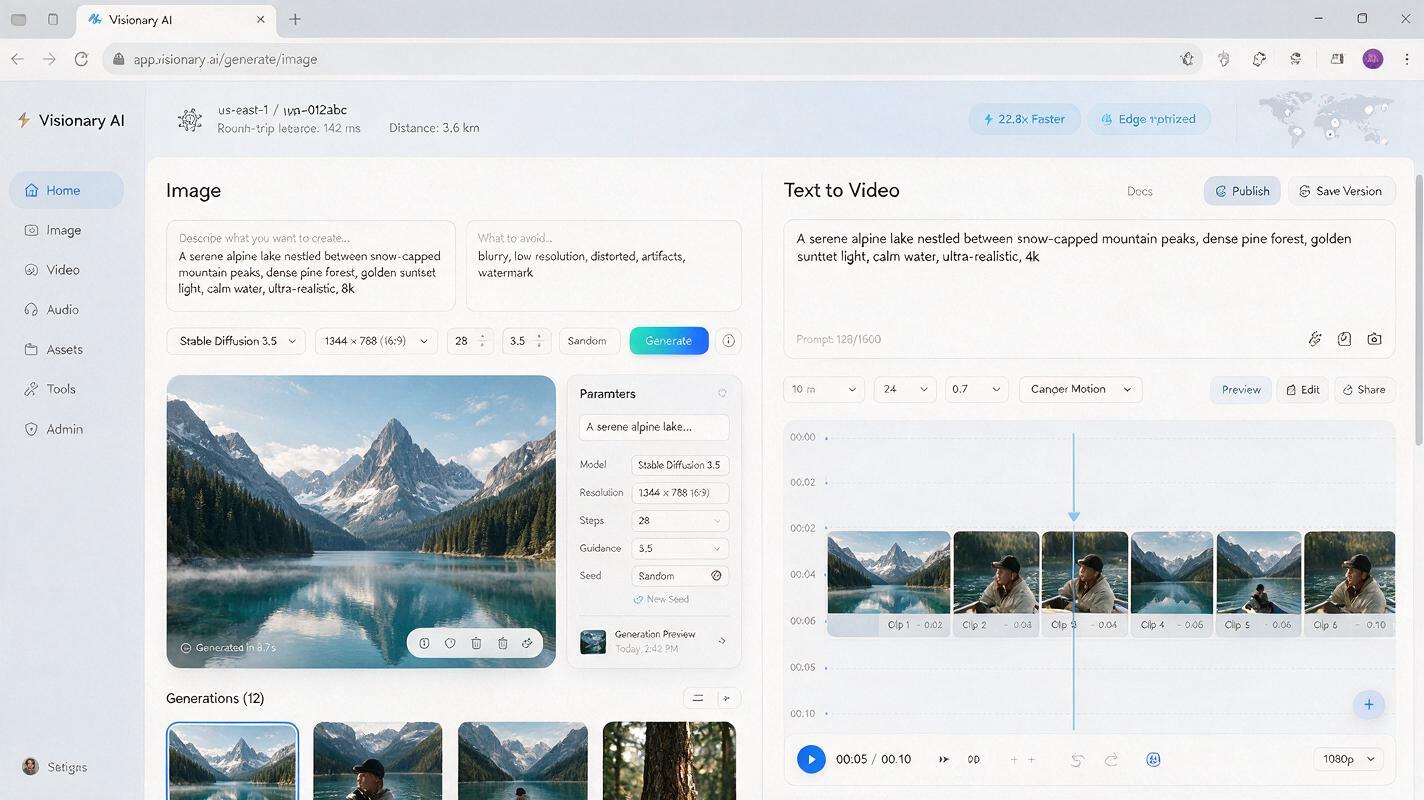
One of the most effective ways for creators to insulate themselves from infrastructure volatility is to use a multi-model AI platform that spreads workloads across multiple providers and model families. Instead of relying on a single cloud provider’s infrastructure for all creative tasks, creators can switch between models and backends based on availability, cost, and performance.
MagicBoat integrates dozens of leading AI models for image generation, video creation, scriptwriting, and more into a single, unified platform — so if one provider experiences an outage or price change, creators can seamlessly shift their work to alternative models without losing access to their projects or workflow tools.
You can try these models for free to explore how a multi-model setup can make your creative workflow more resilient to infrastructure shifts across the AI industry.
Key Takeaways
- Microsoft has pledged to cover all electricity and grid-upgrade costs for its AI data centers, with roughly $117 billion in planned 2026 AI and cloud spending.
- The commitment comes amid growing regulatory and community scrutiny of data center power use, including a pause on new approvals in Texas.
- Broader AI capital expenditure trends include low-carbon supply chain investments from Meta and new bond financing from Alphabet, reflecting sustained, sector-wide infrastructure growth.
- Infrastructure reliability and cost trends directly impact the availability, performance, and pricing of AI creative tools used by content teams.
- Multi-model AI platforms reduce infrastructure risk by giving creators access to multiple providers and model families in one place.
Keywords
ai capital expenditure, ai industry, microsoft ai data centers, ai infrastructure, data center power costs, cloud ai, ai funding