Microsoft Signs Cerebras AI Supply Deal as Open-Weight Model Costs Drop on OpenRouter
Microsoft added Cerebras as a dedicated AI chip supplier beyond Nvidia and its own Maia/Cobalt lineup, while Hugging Face began routing Hub inference through OpenRouter, where open-weight models now account for 71.7% of tokens at roughly one quarter the cost of closed models. The parallel developments signal accelerating diversification in AI compute supply and a rapid shift toward open-weight inference economics.
Table of contents
What Just Happened in AI Infrastructure
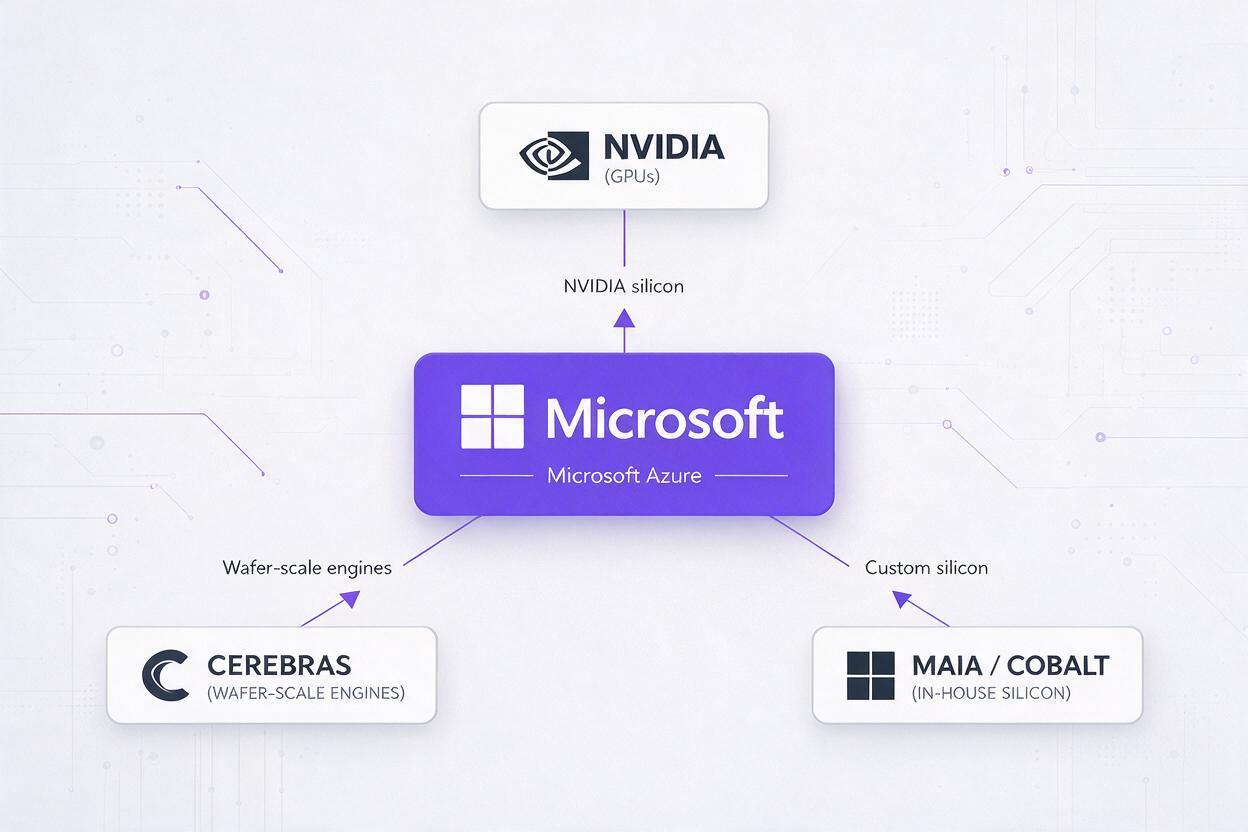
Two major developments landed on November 16 that together signal a significant shift in how AI compute is sourced and priced. First, Microsoft signed an AI supply deal with Cerebras, adding another dedicated chip source to its infrastructure lineup beyond its long-standing Nvidia partnership and its own in-house Maia and Cobalt chip families. Financial terms of the agreement were not disclosed. Second, Hugging Face began routing Hub inference through OpenRouter, marking a major integration for the open model ecosystem with one of the fastest-growing inference routing platforms.
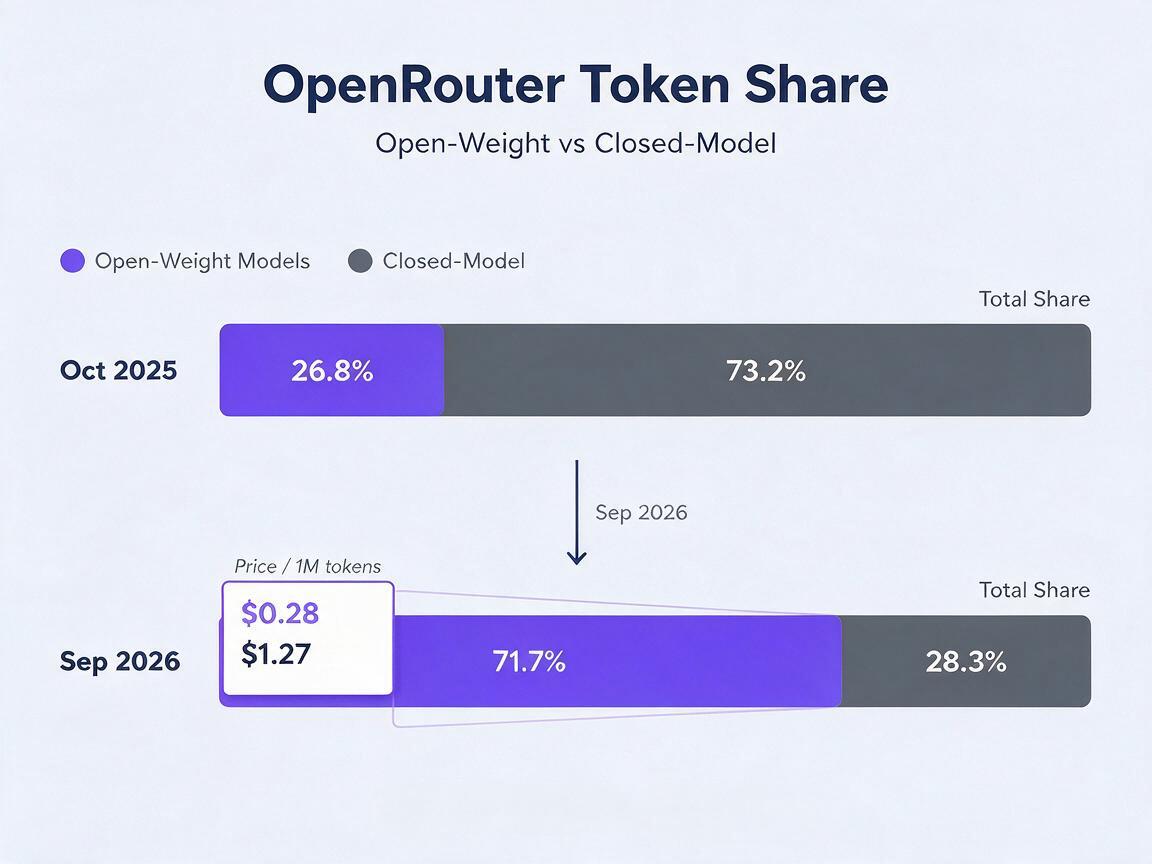
The OpenRouter integration comes with striking data on the trajectory of open-weight models: according to OpenRouter's own measurements, open-weight models grew from just 26.8% of tokens processed on the platform in October 2025 to 71.7% by the end of September 2026. The cost gap is equally dramatic — open-weight models run at roughly a quarter of the price of closed models, at $0.28 per million input tokens and $1.62 per million output tokens, compared with $1.27 per million input and $6.36 per million output for closed models.
The Microsoft-Cerebras Supply Deal
Microsoft's agreement with Cerebras represents a strategic diversification of its AI chip supply chain at a moment when the AI industry has been heavily dependent on a single dominant supplier. By adding Cerebras as a dedicated chip source, Microsoft gains access to an alternative architecture optimized for specific workloads, reducing its reliance on Nvidia GPUs and giving it more negotiating leverage across its supplier base.
The deal also complements Microsoft's own silicon development efforts. The company already designs its own Maia AI accelerator and Cobalt CPU families, and the Cerebras partnership adds a third pillar to its compute strategy. For Cerebras, the Microsoft deal is another major enterprise win following its strong third-quarter earnings, where the company reported $230.9 million in non-GAAP core revenue (up 70% year over year), 700MW of contracted data-center capacity, and $26.1 billion in remaining performance obligations. Cerebras has also announced a new hyperscaler deal with Oracle scheduled for 2027.
From an ai image generator and video creation perspective, supplier diversification matters because it reduces the risk of capacity shortages that can drive up inference costs and throttle model availability for end users.
Open-Weight Models Surge on OpenRouter
The Hugging Face-OpenRouter integration and the accompanying token share data point to an even bigger shift in the AI industry: the rapid rise of open-weight models as a cost-effective alternative to closed, proprietary model APIs. The numbers tell a clear story:
| Metric | Oct 2025 | Sep 2026 |
|---|---|---|
| Open-weight token share on OpenRouter | 26.8% | 71.7% |
| Open-weight input cost per 1M tokens | $0.28 | |
| Closed-model input cost per 1M tokens | $1.27 | |
| Open-weight output cost per 1M tokens | $1.62 | |
| Closed-model output cost per 1M tokens | $6.36 | |
At roughly one quarter the cost of closed models, open-weight alternatives are reshaping the economics of AI content creation. For creators running high-volume workflows — whether generating thousands of image variations, processing long video scripts, or scaling up content production — the cost difference between open and closed models can translate to thousands of dollars in monthly savings.
The trend also aligns with the broader open inference infrastructure wave that has seen the founding of the SGLang Consortium with major industry backers including NVIDIA, AMD, Intel, Google, Meta, Cloudflare and Modal, as well as the stable 1.0.0 release of llama.cpp and open-source inference engines like Baseten's DeepSeek Ultrafast.
Why This Shifts the AI Industry Landscape
These two developments — supply chain diversification on the hardware side and the open-weight cost advantage on the software side — are connected. As more chip suppliers enter the market and inference frameworks standardize, the cost of running open-weight models continues to fall, creating a self-reinforcing cycle that attracts more developers and more investment to the open ecosystem.
For the ai capital expenditure picture, the Microsoft-Cerebras deal suggests that hyperscalers are actively hedging their compute bets rather than doubling down on a single architecture. This diversification could moderate the pricing power of any single chip supplier over time, which would have downstream effects on ai video cost and the overall economics of AI-powered content creation.
The open-weight surge also has implications for ai funding. Investors have poured billions into closed model companies, but if open-weight models continue to gain share at this pace — and at a fraction of the cost — the valuation premium for closed model providers may come under pressure. The text to video space, in particular, could see rapid cost declines as open diffusion models and video generation models mature.
What This Means for AI Content Creators
For creators and content teams, the combination of diversifying supply and falling open-weight costs is unambiguously good news. Here is why it matters for your workflow:
- Lower inference costs over time — As more chip suppliers enter the market and open-weight models improve, the per-token cost of AI tools should continue to trend down, making high-volume production more affordable.
- More model choice — A multi-supplier, multi-model ecosystem means creators can pick the right tool for each task rather than being locked into a single provider's pricing and feature set.
- Better reliability — Diversified compute supply reduces the risk of capacity shortages and service disruptions that can derail production schedules.
Creators benefit most from platforms that aggregate multiple models and providers into a single interface, giving you the cost advantages of open-weight options alongside the quality of leading closed models — all without managing separate accounts, billing, and API keys for each provider.
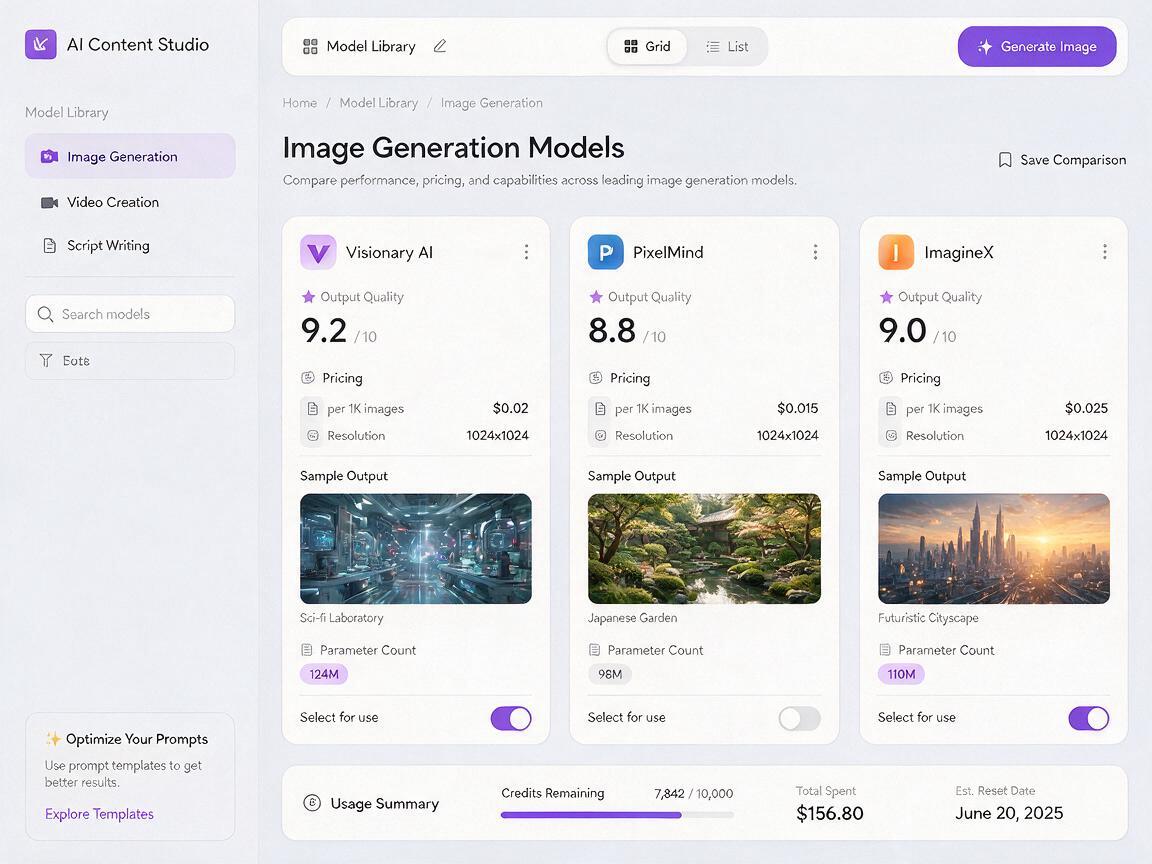
Platforms like MagicBoat put this diversity at your fingertips, with access to both open-weight and closed models across image generation, video creation, script writing, and more. You can compare outputs, pick the most cost-effective option for each stage of your project, and try these models for free to find what works best for your creative workflow.
Key Takeaways
- Microsoft added Cerebras as a third AI chip supply pillar alongside Nvidia and its own Maia/Cobalt lineup, signaling accelerating compute diversification among hyperscalers.
- Open-weight models now account for 71.7% of tokens on OpenRouter, up from just 26.8% a year earlier, and cost roughly one quarter of closed-model inference pricing.
- Hugging Face routing Hub inference through OpenRouter further validates the open-weight ecosystem and expands its reach to developers.
- For AI content creators, these trends point toward lower costs, more model choice, and improved reliability — advantages that multi-model creative platforms are best positioned to deliver.
- The deepseek ecosystem and other open models are likely to benefit from this infrastructure shift as inference costs continue to decline.
Keywords
ai industry, ai capital expenditure, ai video cost, deepseek, ai funding, ai image generator, text to video