Microsoft 2011 Windows Secure Boot Certificate Expires Oct 19: Details
Microsoft’s 2011 Windows Production PCA Secure Boot certificate, the last of three legacy Windows Secure Boot certificates, expired on October 19, 2026. Unpatched Windows PCs will still boot normally but lose access to new boot-level security protections, requiring users to install Windows and firmware updates signed under the 2023 certificate to maintain full security. For AI content creators relying on Windows workstations, the change highlights the value of cloud-based multi-model AI platforms that keep creation workflows accessible even when local systems face security issues.
Table of contents
Understanding the Windows Secure Boot Certificate Expiry
A legacy Microsoft security certificate core to Windows Secure Boot functionality reached its expiration date in mid-October 2026, leaving unpatched systems without access to new boot-level security protections.
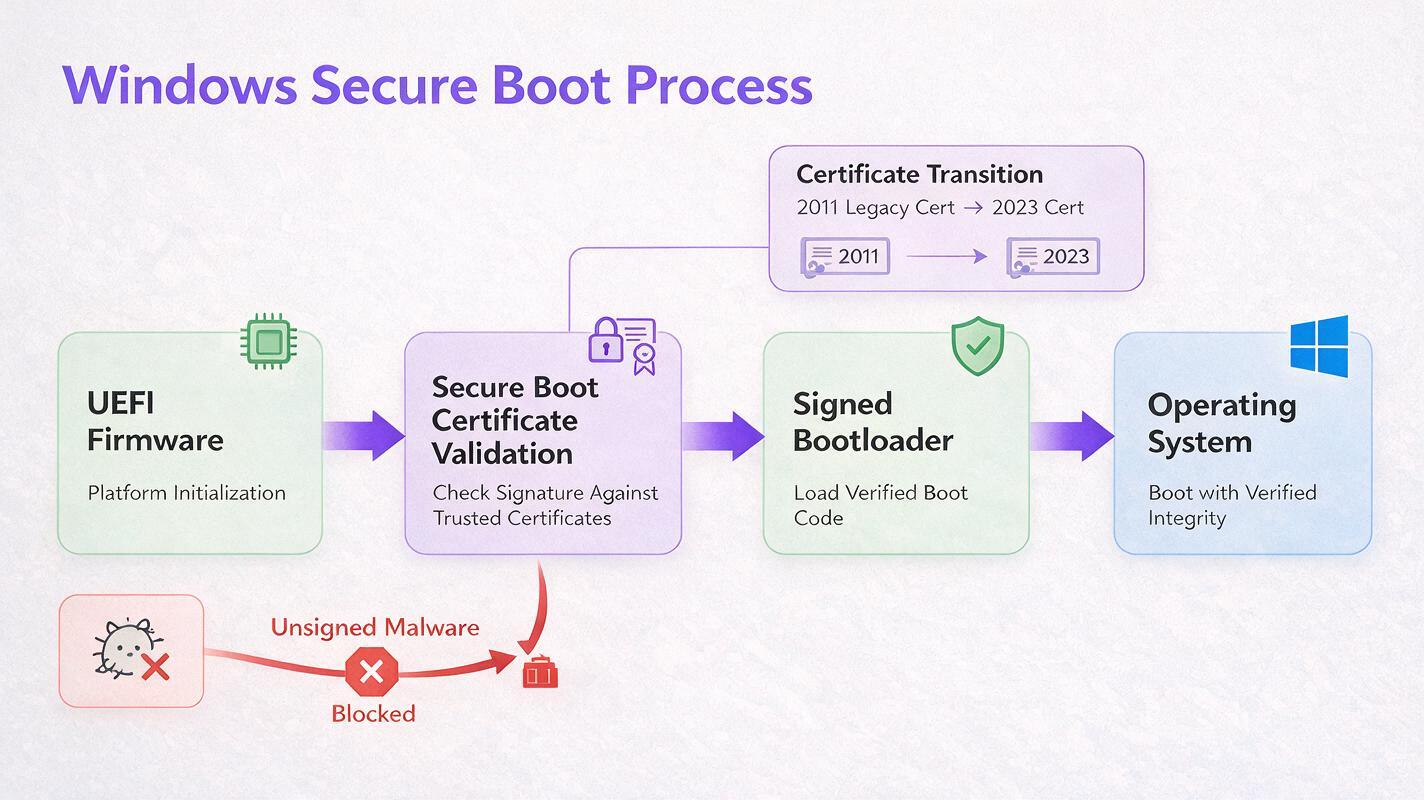
Microsoft’s 2011 Windows Production PCA Secure Boot certificate, the last of three legacy Secure Boot certificates issued by the company, expired on October 19, 2026. The certificate was one of the original root certificates used to sign Windows boot components and firmware updates, ensuring that only trusted, verified software could load during the system boot process.
As the final remaining legacy certificate from the 2011 generation, its expiration marks the end of a multi-year transition to newer, more secure 2023-era certificates for Windows boot signing. Unlike some certificate expirations that cause immediate system failures, this change does not prevent unpatched Windows PCs from booting normally. Instead, devices that have not installed recent Windows or firmware updates signed under the 2023 certificate will lose access to new boot-level security features and protections released after the expiration date.
Microsoft has been phasing out the legacy 2011 certificates for years, with two earlier legacy certs expiring prior to this final October 2026 deadline. The company has advised users to install available Windows updates and device firmware updates to ensure their systems continue receiving full Secure Boot protection moving forward.
What the Expiry Means for Windows Users
How Secure Boot Protects Windows Devices
Secure Boot is a foundational security feature built into modern Windows PCs that works at the UEFI/BIOS level to prevent malicious software from loading before the operating system starts. When a device boots, Secure Boot checks the digital signatures of all boot components — including the bootloader, kernel, and driver files — against a list of trusted root certificates. If a component is not signed by a trusted certificate, Secure Boot blocks it from running, stopping bootkits, rootkits, and other low-level malware from taking hold of the system.
The 2011 Windows Production PCA certificate was one of the core trusted roots used to sign official Windows boot components for over a decade. Its expiration means that any new boot-related software or security updates released by Microsoft after October 19 will be signed exclusively with the newer 2023 certificates. Unpatched systems that do not have the 2023 root certificates installed will not recognize these new signatures, leaving them unable to verify the integrity of new boot components.
Practical Impact on Unpatched Systems
Crucially, the expiration of the 2011 certificate does not render unpatched Windows PCs unbootable. Existing boot components signed with the 2011 certificate will continue to work, as Secure Boot validates signatures against certificates that were trusted at the time the software was signed. The primary impact is on future security updates and new boot-level features: any new boot-related patches or protections released after October 19 will be signed with the 2023 certificate, and unpatched systems will not be able to verify their authenticity.
This gap creates a potential security risk for users who delay updates. Over time, as new boot-level vulnerabilities are discovered and patched with 2023-signed updates, unpatched systems will remain exposed to those threats. Low-level malware that exploits unpatched boot vulnerabilities can be particularly difficult to detect and remove, as it operates below the operating system and can evade traditional antivirus software.
Implications for AI Content Creators
For AI content creators and content teams who rely on Windows workstations for their production workflows, the Secure Boot certificate expiration highlights a broader set of risks tied to local-only AI tooling and system-dependent workflows. Many creators run resource-intensive AI tools — from ai image generator software and local large language models to video editing and ai video generator suites — directly on their primary Windows PCs. A security breach at the boot level can disrupt these workflows for days or even weeks, leading to missed deadlines, lost project files, and increased ai video cost from downtime and recovery efforts.
Boot-level malware can also compromise sensitive data stored on local workstations, including unreleased content, client assets, and API keys for paid AI services. For teams running multiple Windows workstations, the need to manually update firmware and verify Secure Boot configurations across every device adds administrative overhead that pulls time away from content production.
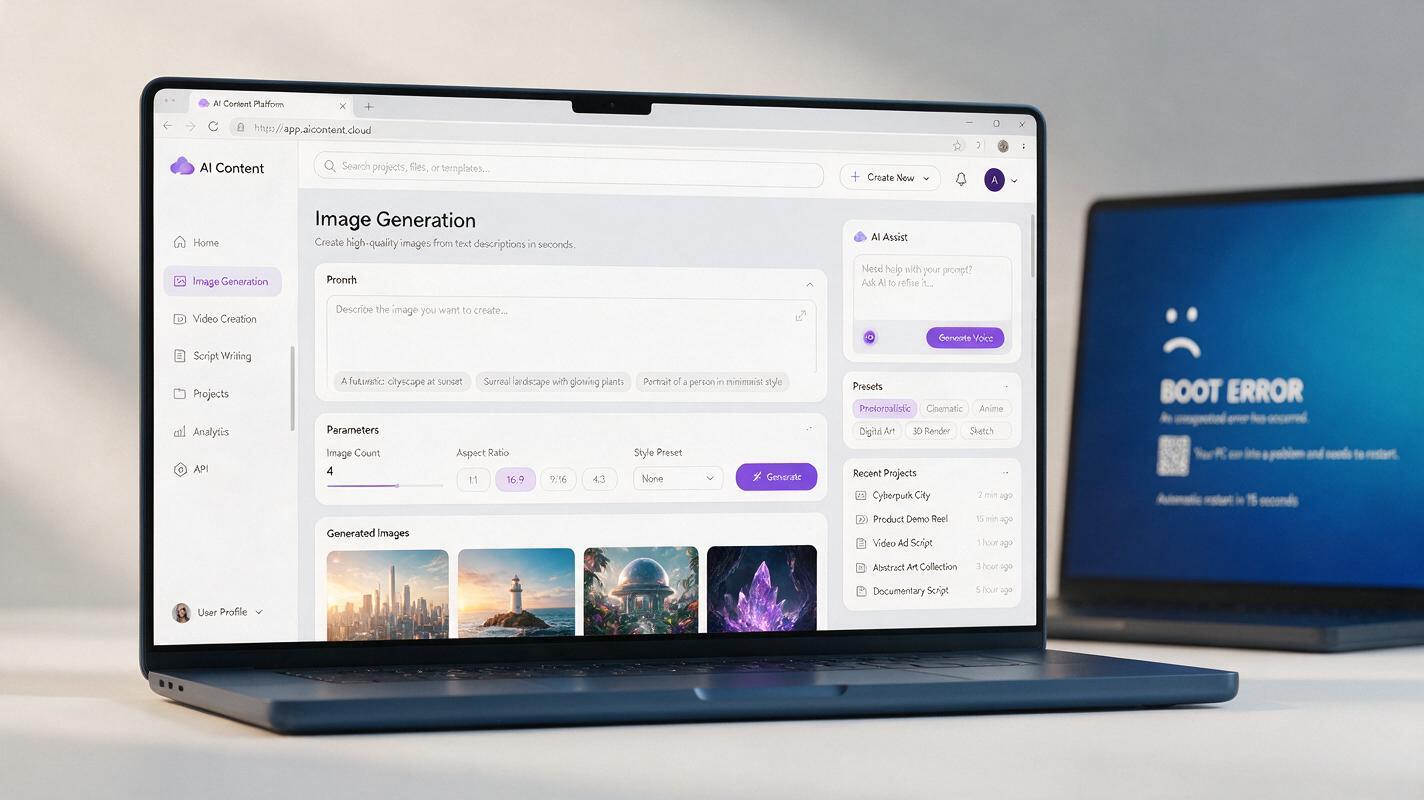
This shift underscores the value of cloud-based multi-model AI platforms that decouple core creation tools from local system security and stability. With a platform like MagicBoat, creators can access a full suite of AI content tools — from image generation to video production and script writing — directly through a web browser, from any device with an internet connection. Even if a local workstation experiences security issues, hardware failure, or update delays, creators can continue working on projects without interruption, using the same account and same set of tools across devices.
Cloud-based platforms also reduce the need to run resource-heavy local AI models, which can put additional strain on system resources and introduce additional security risks from unvetted third-party model files. For content teams, centralizing AI tool access through a single cloud platform simplifies security management and ensures consistent access to the latest model updates without requiring manual installations on every local device.
If you’re looking to reduce your dependence on local workstation stability and security for AI content production, you can try these models for free on MagicBoat and see how a cloud-based multi-model platform fits your workflow.
Protecting Your Windows Workstation Moving Forward
There are several straightforward actions Windows users can take to ensure their systems maintain full Secure Boot protection following the 2011 certificate expiration:
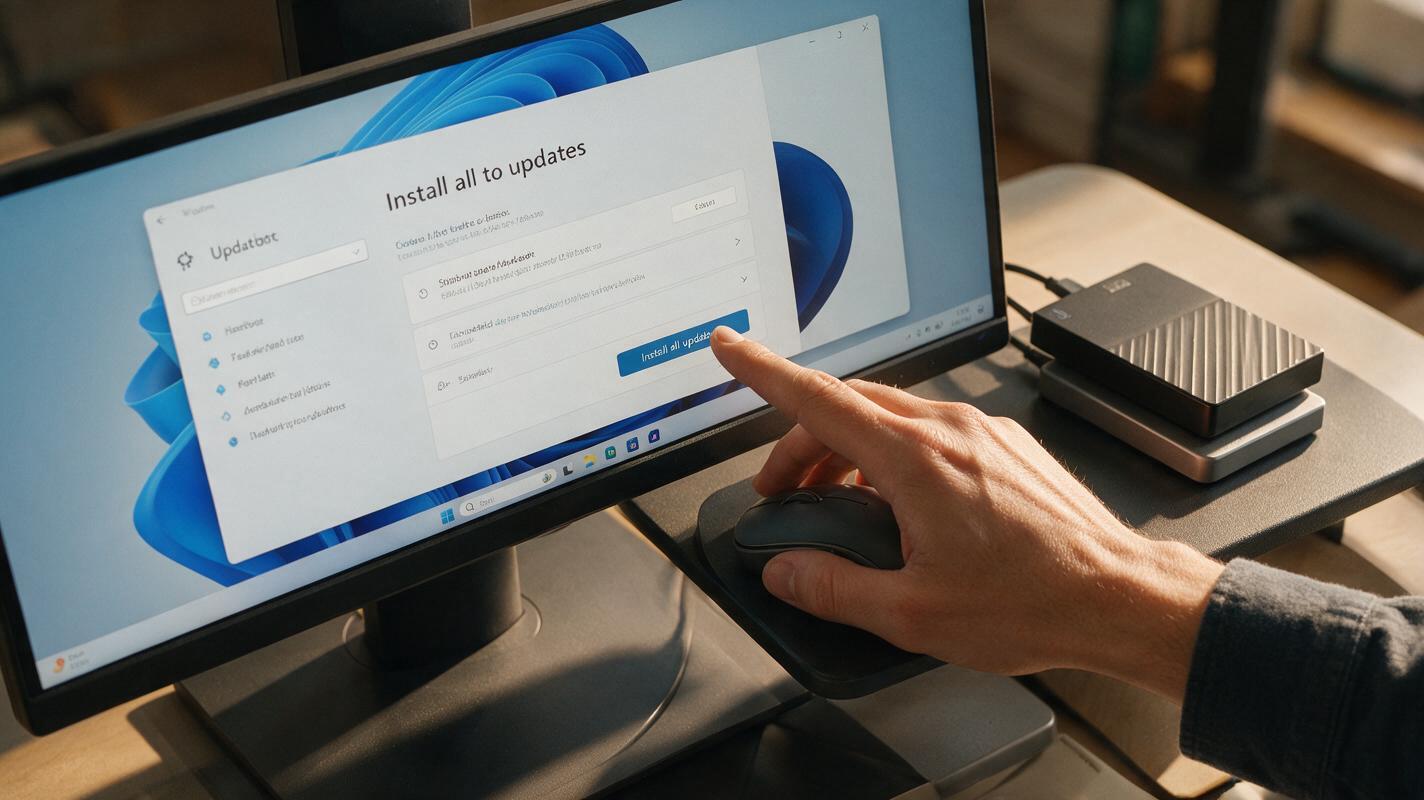
- Install pending Windows updates: Run Windows Update to install the latest cumulative updates, which include the 2023 root certificates and updated boot components signed with the new certificates.
- Check for firmware updates: Visit your device manufacturer’s support page or use their built-in update tool to install the latest UEFI/BIOS firmware, which may include updated Secure Boot certificate stores.
- Verify Secure Boot is enabled: Check your device’s UEFI/BIOS settings to confirm Secure Boot is turned on, as some systems may have it disabled for compatibility with older software.
- Maintain offsite backups: Keep regular, encrypted backups of all critical project files and workflow data stored offsite or in the cloud to minimize downtime in the event of a security incident or hardware failure.
- Diversify your AI tool stack: Use a mix of local and cloud-based AI tools to ensure you have fallback options if your primary workstation experiences issues, so content production can continue uninterrupted.
All of these actions align with standard cybersecurity best practices for creative professionals, and they become increasingly important as the ai industry continues to shift toward AI-driven production workflows that rely on both local and cloud resources.
Key Takeaways
- Microsoft’s 2011 Windows Production PCA Secure Boot certificate, the last of three legacy certs, expired on October 19, 2026.
- Unpatched Windows PCs will still boot normally but will lose access to new boot-level security protections released after the expiration date.
- Users must install Windows and firmware updates signed under the 2023 certificate to maintain full Secure Boot protection.
- For AI content creators, local system security risks highlight the value of cloud-based multi-model AI platforms that keep workflows accessible across devices.
- MagicBoat provides browser-based access to a full suite of AI content tools, so creators can keep producing work even if their local workstation faces security or stability issues.
Keywords
microsoft windows secure boot expiry, ai industry, ai video cost, ai image generator, windows security update, legacy secure boot certificate, ai content workflows