Musk Promises Affordable Starlink in India as Jio IPO Nears
Elon Musk has promised affordable Starlink service in India as the satellite internet provider prepares to compete with Mukesh Ambani’s Jio ahead of Jio’s parent-company IPO. The development also highlights why dependable connectivity and portable AI workflows matter for teams producing cloud-based content.
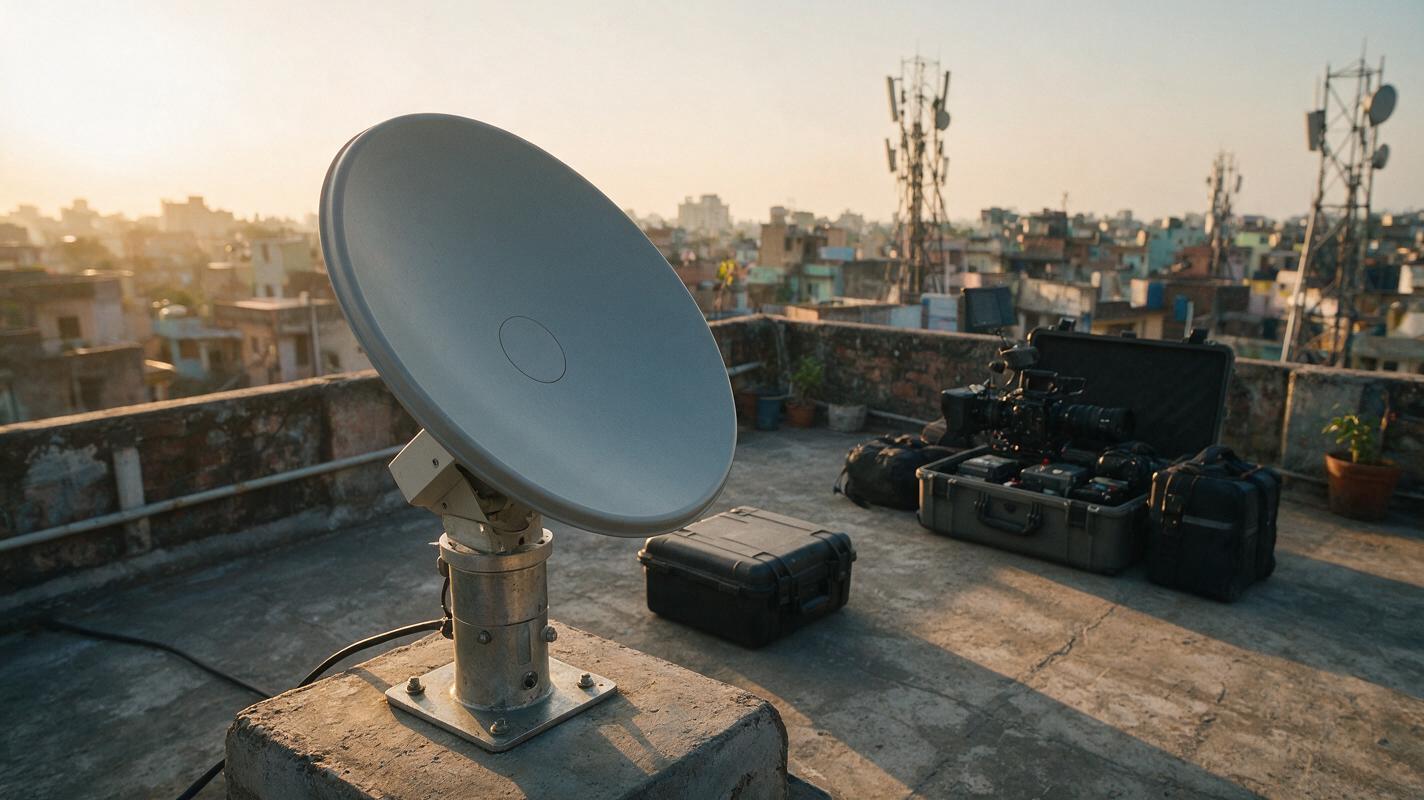
Table of contents
Starlink’s India Push Puts Affordability at the Center
Elon Musk has promised that Starlink will be affordable in India, placing price at the center of the satellite internet company’s challenge to Mukesh Ambani’s Jio. Reuters reported the development on October 11 as Jio’s parent prepared for an initial public offering, giving the competition added significance for India’s connectivity market.
The promise establishes a clear strategic message, but it does not yet provide a quoted subscription price, an affordability threshold, or a direct price comparison with Jio. That distinction matters: “affordable” is currently a positioning statement rather than a measurable offer in the reported details. The confirmed news is that Musk is emphasizing accessibility while Starlink faces an established rival linked to one of India’s most closely watched corporate events.
For people building digital media businesses, the story extends beyond telecom competition. Reliable and economically accessible internet service can influence whether cloud-based production, an AI assistant, or an automated publishing process remains practical across different locations.
What the Starlink India Promise Actually Says
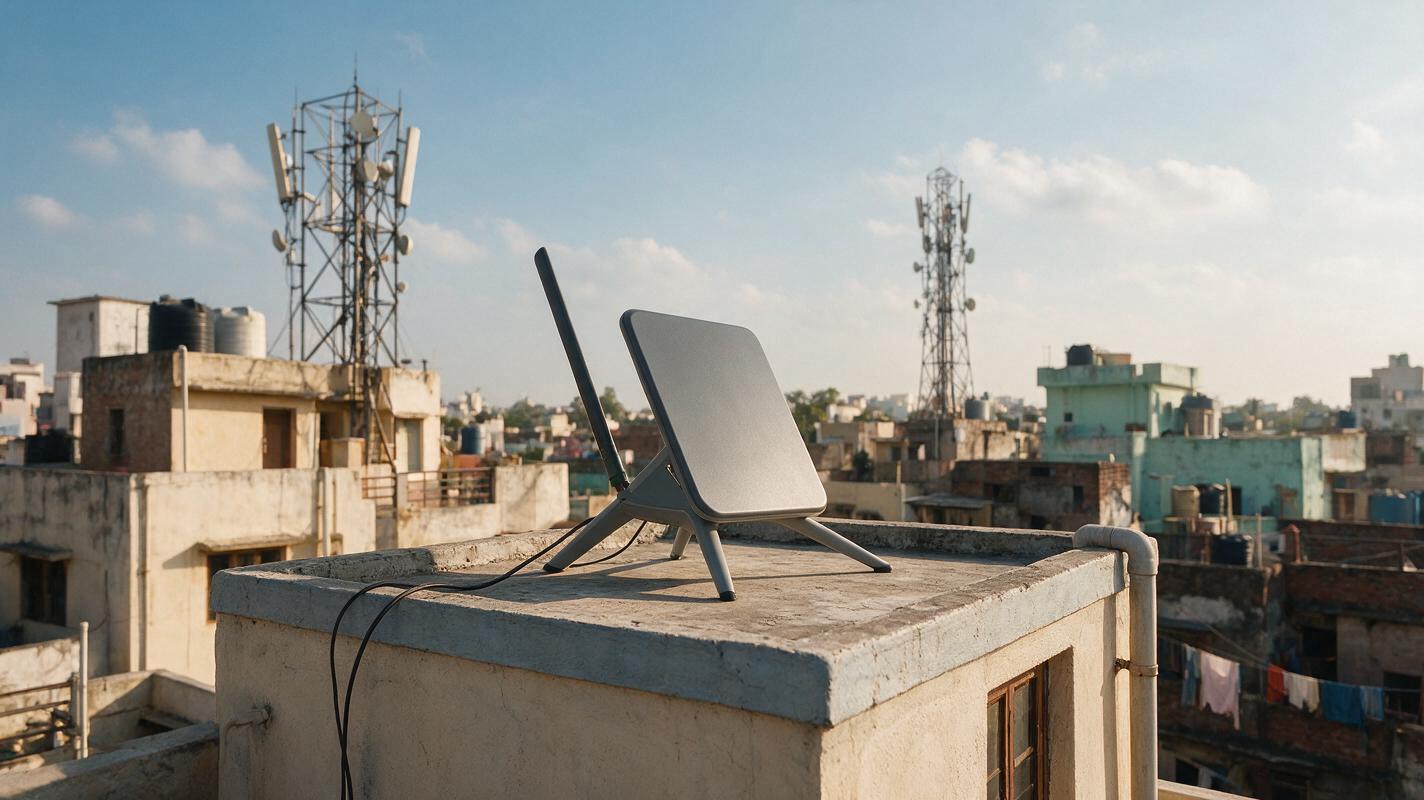
The central elements of the report are concise but consequential:
- Musk promised affordable Starlink service in India.
- Starlink is positioned against Ambani’s Jio.
- The competition is developing ahead of the IPO of Jio’s parent.
- No exact Starlink India price was included in the reported details.
Affordability can mean different things depending on the customer, location, equipment requirements, and expected level of service. Without a published number in the report, it would be premature to treat Musk’s promise as evidence of price parity with Jio or to calculate production savings around it.
The immediate news is a competitive promise, not a completed price comparison. The practical test will come when prospective customers can evaluate a specific offer against their existing connectivity options.
The timing gives the statement a broader business dimension. An approaching IPO naturally draws attention to Jio’s market position and customer relationships. Starlink’s affordability message introduces another question into that conversation: whether a competing connectivity model can win interest without asking Indian users to accept a prohibitive cost.
Connectivity Is Becoming Part of the AI Production Stack
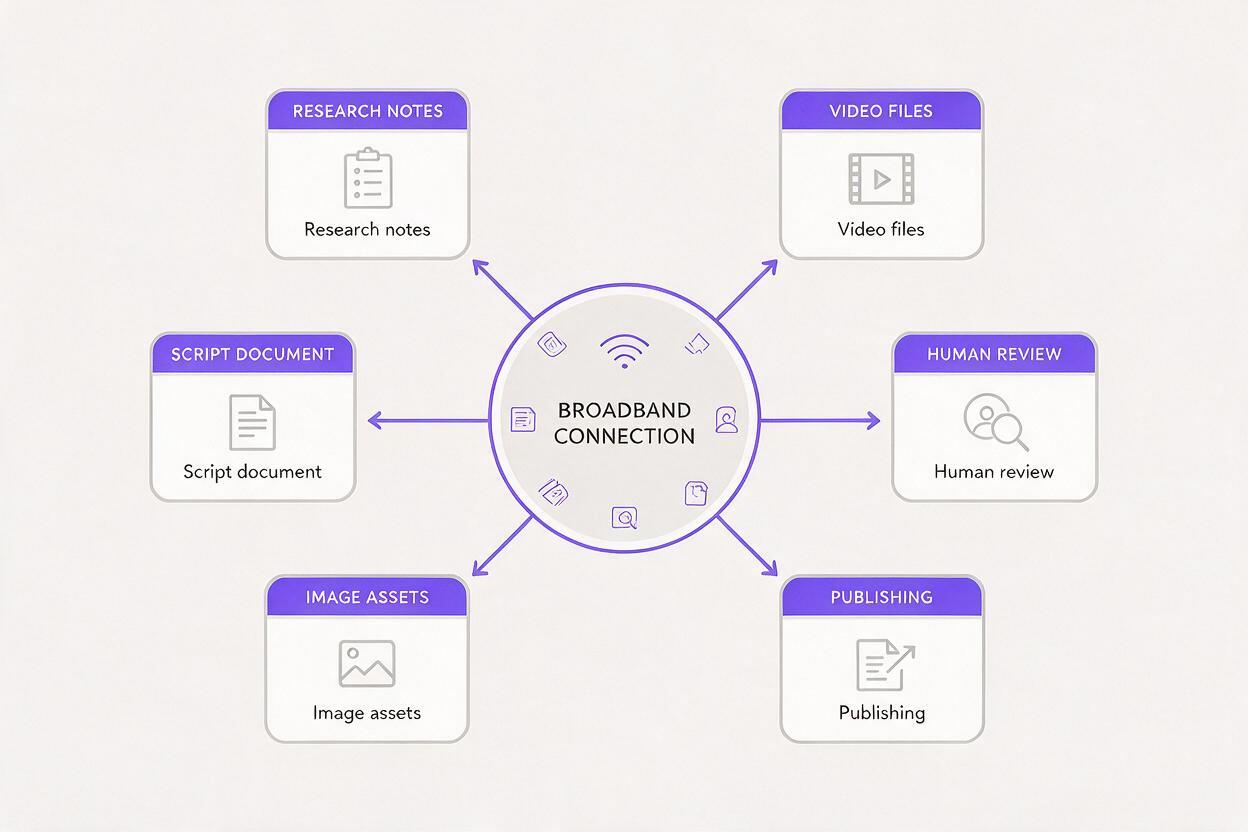
Modern content production increasingly combines research, writing, image creation, video generation, review, and distribution. When those activities depend on online services, connectivity is not merely an administrative expense. It becomes part of the production stack.
An AI workflow may involve moving large visual assets, reviewing drafts with remote collaborators, or sending instructions between an ai agent and human approvers. An ai video workflow can be especially sensitive to interrupted uploads, inaccessible project files, or unreliable review sessions. Better network availability does not solve creative problems by itself, but poor availability can prevent otherwise effective tools from being used consistently.
This is why the Starlink India versus Jio story deserves attention from more than telecom analysts. If competition expands practical access, more teams could participate in cloud-based production from a wider range of working environments. If service remains expensive or inconsistent, the benefits will be less evenly distributed.
At the same time, connectivity should not be confused with automation quality. A fast connection cannot verify a claim, correct a weak script, or decide whether a generated visual fits a campaign. Those responsibilities still require a well-designed process and meaningful human review.
From Network Competition to Creative Continuity
The most useful lesson for content teams is to separate infrastructure availability from workflow continuity. A production system should remain understandable and recoverable even when a connection changes, a cloud service is temporarily unavailable, or an AI model does not produce a usable result.
That means keeping approved briefs, source material, prompts, draft status, and review decisions organized independently of any single output. Teams using an ai script generator can preserve the central narrative before moving into visual production. Those developing campaign clips with an ai video generator can likewise keep the approved script and asset references available for revision.
Such discipline is valuable whether a team connects through Starlink, Jio, or another provider. The network carries the work, but the workflow determines whether the work can be resumed, reviewed, and published responsibly.
| Production concern | Why connectivity matters | What the team should preserve |
|---|---|---|
| Research and planning | Online references and collaborative review require access | Approved sources, brief, and claims |
| Asset generation | Cloud tools may require uploads and downloads | Prompts, reference files, and selected outputs |
| Video review | Large media files can make interruptions costly | Version names, feedback, and approval status |
| Publishing | Distribution depends on stable account access | Final files, captions, and release authorization |

Why Platform Flexibility Matters Alongside Network Choice
The Starlink India announcement frames connectivity as a competitive choice. Creative technology should be approached similarly: teams benefit when they can choose tools according to the task rather than making an entire production dependent on one narrow route.
A stable, one-account platform such as MagicBoat can help consolidate AI creation activities while teams retain clear project inputs and review points. This does not eliminate the need for reliable internet, but it can reduce unnecessary fragmentation across the creative process. The goal is a more coherent path from concept and script to visual output, not uncontrolled ai automation.
For distributed agencies, small production teams, and independent publishers, that coherence can be especially valuable. When connectivity conditions vary, a clearly documented project is easier to continue than one whose essential context is scattered across unrelated conversations and files.
What to Watch Next
The most important missing detail is a specific Starlink India price. Until that appears, comparisons with Jio should remain focused on the reported competitive positioning rather than assumed savings. Prospective users will also need enough concrete information to decide what “affordable” means for their own budgets and working conditions.
The wider question is whether the rivalry produces more practical connectivity choices. For AI-powered media work, meaningful access depends on the combination of price, availability, and reliability. A compelling promise can begin the conversation, but everyday production will test whether the service supports sustained online work.
Key Takeaways
- Musk promised affordable Starlink service in India as the company faces Ambani’s Jio.
- The statement arrived ahead of the IPO of Jio’s parent, increasing attention on the rivalry.
- The reported details did not provide an exact Starlink India price.
- Connectivity is an increasingly important part of cloud-based AI content production.
- Teams should preserve briefs, assets, and approvals so projects can recover from interruptions.
- Platform flexibility and human review remain essential even when network access improves.
Bring Your AI Workflow Into One Place
Explore a connected environment for scripts, visuals, and video production, and try these models for free on MagicBoat.
Keywords
starlink india, musk starlink, ambani jio, jio ipo, satellite internet india, ai workflow, ai video workflow