Netflix October 12–18 Slate Favors Documentaries and Returning Seasons
Netflix revealed its October 12–18 programming slate on October 12, with documentaries and returning seasons dominating the weekly mix. The lineup highlights two distinct content engines—factual discovery and familiar serialized storytelling—with useful implications for original AI content development.
Table of contents
Netflix’s October 12–18 Programming Signal
Netflix revealed its programming slate for October 12–18 on October 12, and the week’s defining pattern was clear: documentaries and returning seasons dominated the schedule. Rather than being organized around one isolated premiere, the announcement presented a broader weekly mix built from factual programming and established episodic formats.
The combination gives the slate two different sources of audience interest. Documentaries can attract attention through subjects, people, events and unanswered questions, while returning seasons reconnect viewers with stories and formats they already recognize. Placing both categories prominently within the same weekly window creates a balance between discovery and continuity.
For creators, the importance of the news lies less in copying any individual release and more in understanding the programming logic. Original projects can similarly pair an immediate subject-driven hook with a format capable of sustaining interest beyond a single video.
Why This Weekly Mix Matters
A weekly slate is more than a list of releases. It also reveals how contrasting formats can share the same programming calendar without serving the same purpose. In this case, documentaries and returning seasons offer sharply different audience promises.
A documentary is generally introduced through its central subject. Its appeal begins with a question: Why does this person, event or issue deserve attention now? The format can feel complete and focused even when it is relatively contained, because the subject itself provides the organizing spine.
A returning season operates through continuity. Its value comes from an existing premise, established characters or a repeatable structure. The audience is not only evaluating a new story; it is deciding whether to resume a relationship with a familiar fictional or unscripted world.
The Netflix October 12–18 slate demonstrates that discovery-led programming and continuity-led programming do not have to compete. They can occupy complementary positions within the same release window.
That distinction is useful in AI content creation because a project should know which promise it is making. A one-off ai film might be carried by a strong topic or emotional question. An ai short drama needs an engine that can generate fresh conflict across multiple installments.
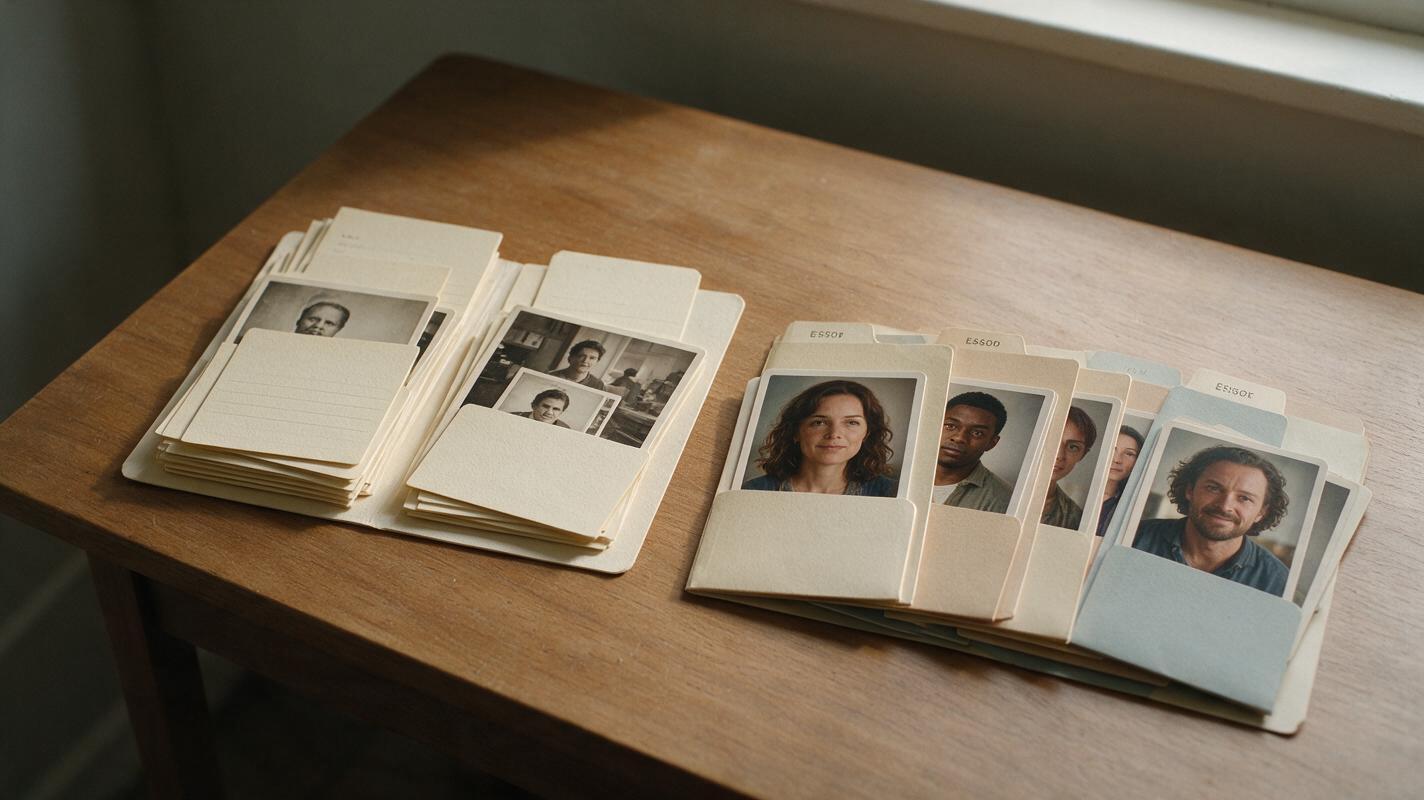
Two Content Engines, Different Audience Promises
The slate’s two dominant categories can be compared through the creative jobs they perform. This is not a comparison of specific Netflix titles; it is an interpretation of the format pattern identified in the October 12 announcement.
| Format signal | Primary attraction | Structural priority | Useful original application |
|---|---|---|---|
| Documentary | A compelling real-world subject or question | Clarity, evidence and narrative focus | A contained factual short or visual essay |
| Returning season | Recognition and continued investment | Character continuity and renewable conflict | A recurring short-form drama with a durable premise |
| Combined slate | Variety across familiar and unfamiliar material | Distinct positioning for each release | A channel containing both finite films and repeatable series |
For a documentary-inspired original, development should begin with the subject rather than the visual effect. A polished sequence cannot substitute for a clear reason to care. The central question, the available perspective and the intended emotional progression all need to be defined before production begins.
For a recurring drama, the premise must survive repetition. If the entire concept is exhausted by one confrontation, it may function better as a short film. A series-oriented premise should allow relationships, goals or pressures to evolve without simply reproducing the same scene.
What the Slate Suggests About Format Design
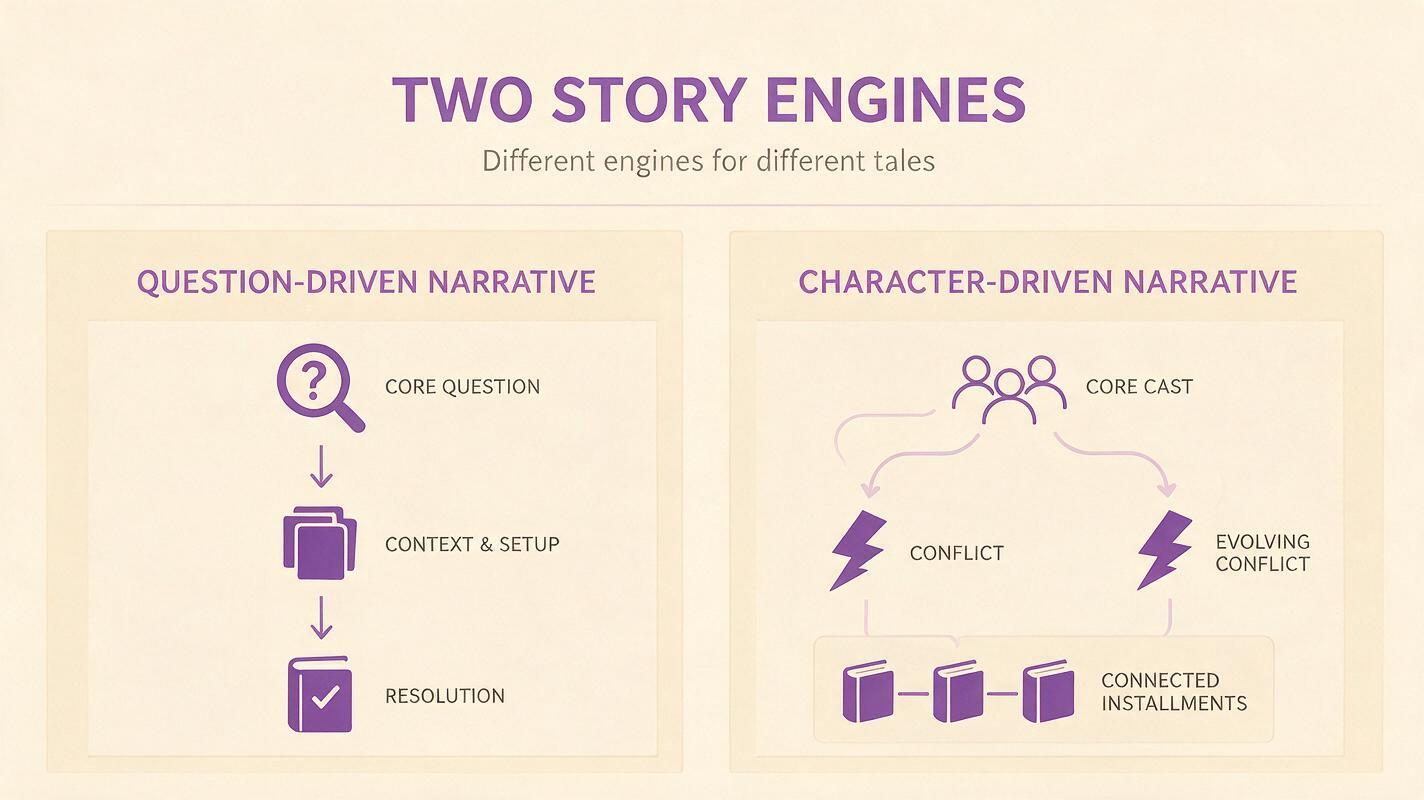
The dominance of documentaries and returning seasons points toward two practical design principles: specificity attracts attention, and continuity can retain it. These principles can coexist in one original content strategy.
Specificity gives factual stories their identity
“A documentary about an interesting subject” is not yet a distinctive concept. Strong positioning requires a more precise lens: the person being followed, the conflict being examined, the period being reconstructed or the question being tested. The narrower framing often makes the audience promise easier to understand.
Continuity requires a renewable dramatic engine
A continuing series benefits from more than recurring faces. It needs a reliable source of change. That might come from an unresolved relationship, an environment that introduces new pressures or a goal that becomes harder as the story progresses. Each installment should feel connected without becoming interchangeable.
A mixed portfolio reduces dependence on one format
The Netflix slate also offers a broader publishing lesson. A channel or studio does not need to choose permanently between finite and serialized work. It can use focused standalone pieces to test subjects while developing selected ideas into recurring formats. The distinction should remain visible so audiences understand what kind of experience each release offers.
From Streaming Signal to Original AI Development
AI production tools can help translate these format choices into visual prototypes, but the creative direction should remain explicit. Before generating footage, a creator can define whether the project is factual, fictional or a clearly labeled hybrid. That decision affects the narrative voice, visual references and expectations around accuracy.
For an original documentary concept, an ai storyboard can map the relationship between the opening question, contextual material, contrasting viewpoints and closing reflection. The aim is not to fabricate evidence or impersonate real participants. It is to plan an original visual treatment and identify where legitimate source material would be required.
For a fictional recurring series, text to video can support visual exploration of locations, atmosphere and scene concepts. A concise concept package might include:
- The continuing premise: the situation that can produce more than one episode.
- The emotional anchor: the relationship or goal that gives the series continuity.
- The visual rules: recurring locations, color choices and framing conventions.
- The installment hook: the new pressure that distinguishes each release.
- The ending pattern: closure for the current chapter plus a reason to return.
MagicBoat brings multiple creation capabilities into one platform, making it easier to move from concept development to visual experimentation without treating every generated clip as a finished story. The strongest use of AI video is not volume for its own sake; it is rapid comparison between clearly differentiated creative directions.

Originality and Transparency Still Matter
News about a Netflix programming pattern can inspire format analysis, but it should not become an invitation to imitate protected characters, branding or recognizable scenes. The transferable insight is structural: factual specificity and serialized continuity can serve different roles in a release strategy.
Documentary-oriented work requires particular care. Generated visuals should not be presented as authentic records of real events, and fictional reconstruction should be identified as such. When a story concerns real people or sensitive events, accuracy, consent and context matter more than cinematic polish.
Fictional projects have a different responsibility. They should develop their own characters, settings and visual identities. Using AI to explore an original premise can shorten the distance between an idea and a testable scene, but distinctiveness still comes from creative decisions rather than the tool alone.
Key Takeaways
- Netflix’s October 12 announcement covered its slate for October 12–18.
- Documentaries and returning seasons dominated the programming mix.
- Documentaries are typically positioned through subject-driven discovery.
- Returning seasons depend on continuity and a premise that can sustain additional chapters.
- Original AI projects can apply these format principles without copying specific releases.
- Factual work should distinguish generated reconstruction from authentic documentation.
- Serialized ai short drama benefits from recurring characters, visual rules and renewable conflict.
To turn a focused subject or repeatable dramatic premise into an original visual concept, try these models for free on MagicBoat.
Keywords
netflix october slate, netflix documentaries, returning seasons, ai content creation, ai video, ai short drama, ai film