Netflix The Eternaut: Text-to-Video Previs vs Generative AI VFX
Netflix’s The Eternaut highlights two distinct roles for AI in screen production: text-to-video previsualization and generative AI used in a finished effects shot. This analysis compares their production value, creative risks, and relevance to AI film and short-drama workflows.
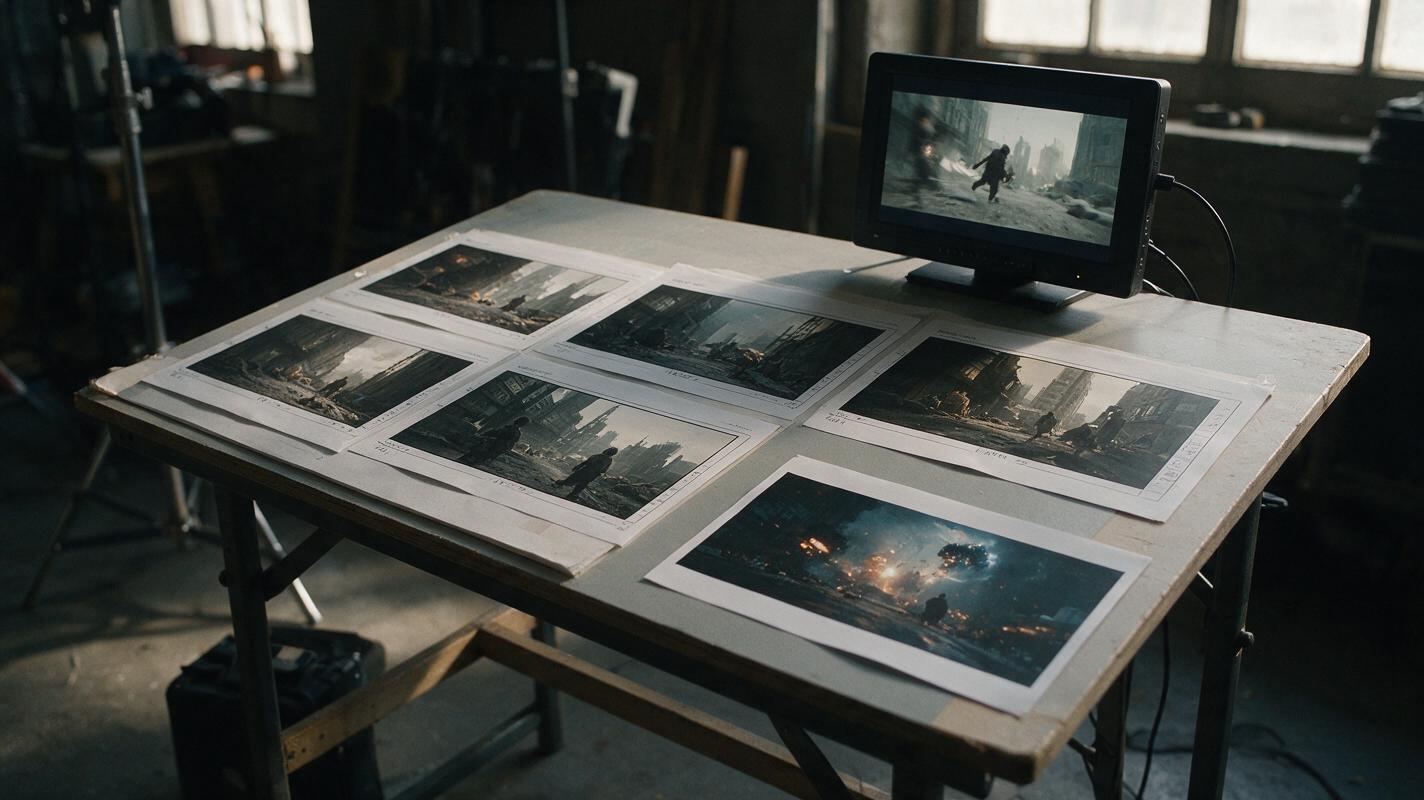
Table of contents
Two AI Production Uses, One Netflix Series
Netflix’s The Eternaut shows why AI planning imagery and AI-generated final imagery should be treated as two different production decisions.
On September 30, 2026, the latest coverage of the series highlighted Netflix’s use of text-to-video previsualization during production. That planning-focused story followed attention on another milestone associated with the same title: generative AI was used in a finished effects shot. Together, the two developments place AI on both sides of a crucial production boundary—before filming or final rendering, where ideas are explored, and inside the completed image delivered to an audience.
The distinction matters. Previsualization helps a production team examine how a proposed sequence might look before committing resources, while a finished visual-effects shot becomes part of the work viewers actually see. The Eternaut therefore offers a useful comparison for anyone deciding where AI video belongs in an original film, episodic project, or AI short drama.
For independent creators, the larger lesson is not simply that Netflix used AI. It is that each AI output needs a clearly defined role, review standard, and level of creative commitment.
Text-to-Video Previsualization Is a Planning Artifact
Text-to-video previsualization turns a written description into moving reference material that can support discussion about a scene. Its value lies in making an idea visible early enough to question it, revise it, or reject it without treating the generated clip as finished footage.
In an AI film workflow, a previs clip can help clarify:
- The intended scale and rhythm of a sequence
- The order and approximate duration of shots
- How action moves through a location
- Whether a dramatic beat reads visually
- Which images need more design work before production
This is fundamentally different from asking a model to deliver a release-ready shot. Previsualization is allowed to remain provisional. It functions as a shared visual hypothesis rather than a promise about the final frame.
A useful previs clip does not need to be perfect. It needs to make the production question easier to answer.
That framing can prevent teams from spending too much time polishing material that exists only to support a decision. It also keeps attention on story, staging, and pacing instead of allowing surface detail to disguise an unresolved scene.
Generative AI VFX Crosses Into the Finished Image
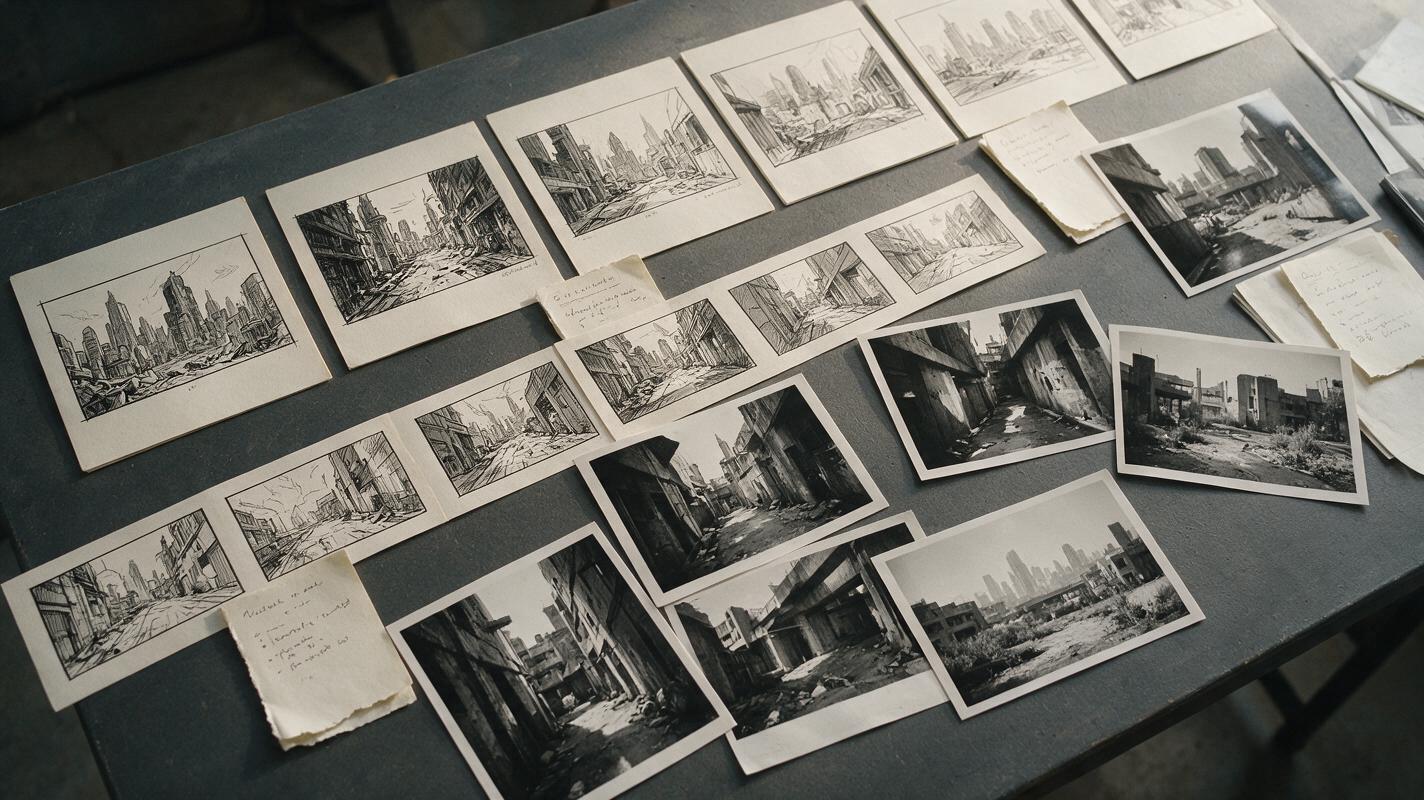
The generative AI effects use associated with The Eternaut occupies a more consequential category because it concerns a finished shot. Once AI-generated imagery enters the final edit, it must work alongside the surrounding photography, effects, sound, and narrative continuity.
A final effects shot carries requirements that a planning clip does not. Visual inconsistencies can become visible to the audience, and every frame must support the intended moment rather than merely suggest a possibility. The relevant question changes from “Does this communicate the idea?” to “Does this belong in the completed sequence?”
That shift raises the review threshold for continuity, composition, motion, and narrative clarity. It also increases the importance of human approval. Generative output may supply visual material, but the production still has to decide whether that material serves the story and integrates with the rest of the work.
Previsualization and Final VFX Serve Different Decisions
| Production dimension | Text-to-video previs | Generative AI VFX |
|---|---|---|
| Primary purpose | Explore and communicate a scene concept | Contribute imagery to a finished shot |
| Production status | Temporary planning material | Audience-facing material |
| Main question | Is this direction worth developing? | Is this image ready for the final sequence? |
| Revision priority | Story logic, staging, rhythm, and shot intent | Continuity, motion, composition, and integration |
| Acceptable imperfection | Higher when the idea remains understandable | Lower because visible flaws remain in the release |
| Creative commitment | Exploratory | Final or near-final |
The comparison explains why an AI video tool should not be evaluated through a single question such as whether it produces impressive footage. The better question is whether its output is suitable for the production decision at hand.
A rough clip may be highly valuable in previsualization even if it could never appear in a finished film. Conversely, a visually refined shot may still be unhelpful during planning if it distracts the team from unresolved narrative choices.
A Two-Lane Framework for AI Short Drama
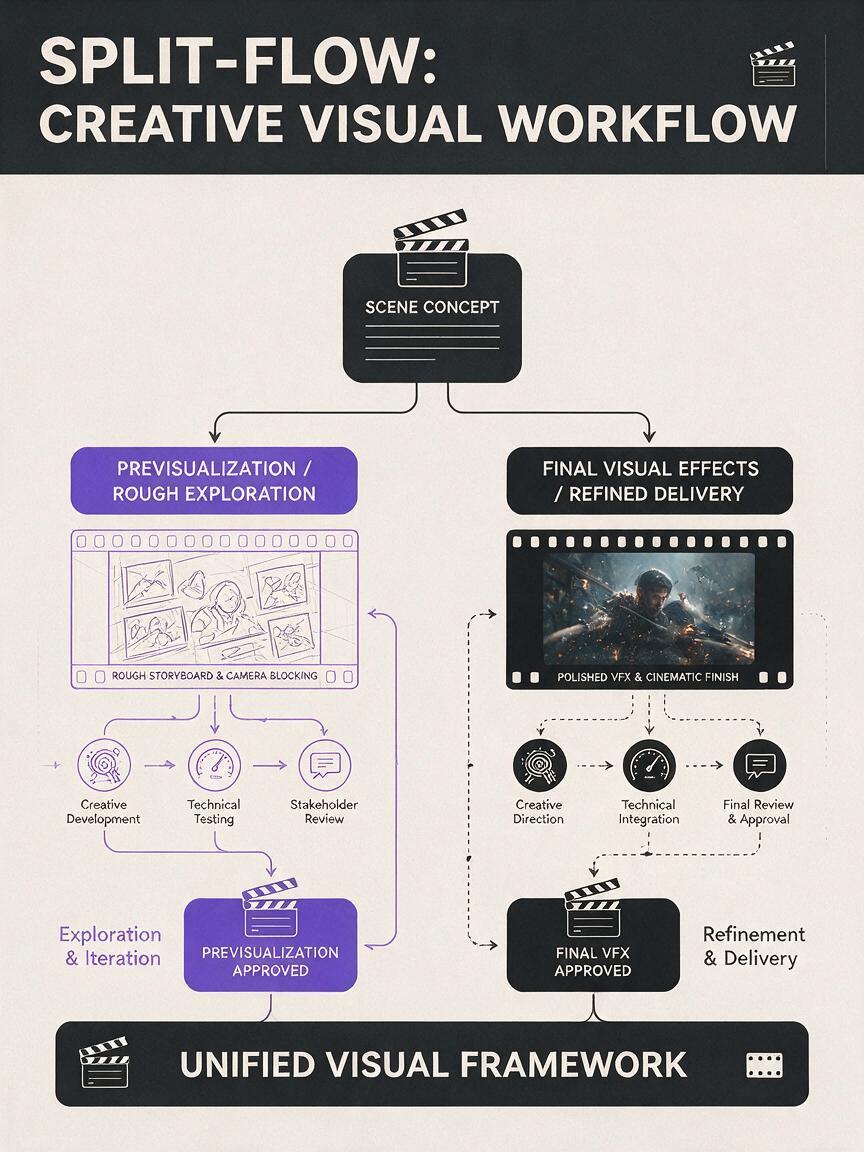
Small teams can adapt the same distinction without reproducing a large studio pipeline. An original AI short drama can maintain one lane for exploration and another for release candidates.
The exploration lane
This lane contains alternate scene interpretations, visual references, pacing experiments, and rough motion concepts. Nothing here is assumed to be final. The purpose is to compare possibilities quickly and preserve creative flexibility.
Scene purpose: reveal that the empty station is no longer safe
Emotional movement: curiosity becomes urgency
Visual focus: one distant light changes the character's behavior
Pacing: quiet observation followed by a sudden decision
Output role: temporary previsualization, not final footage
The release-candidate lane
This lane contains material being considered for the finished edit. Each clip needs stricter review against adjacent shots and the project’s established visual language. A compelling isolated generation is not enough; it must also support continuity and the intended emotional beat.
Separating the lanes reduces a common production problem: becoming attached to a polished experiment before determining whether it belongs in the story. It also makes feedback more precise because reviewers know whether they are evaluating an idea or a final image.
What The Eternaut Signals for AI Content Creation
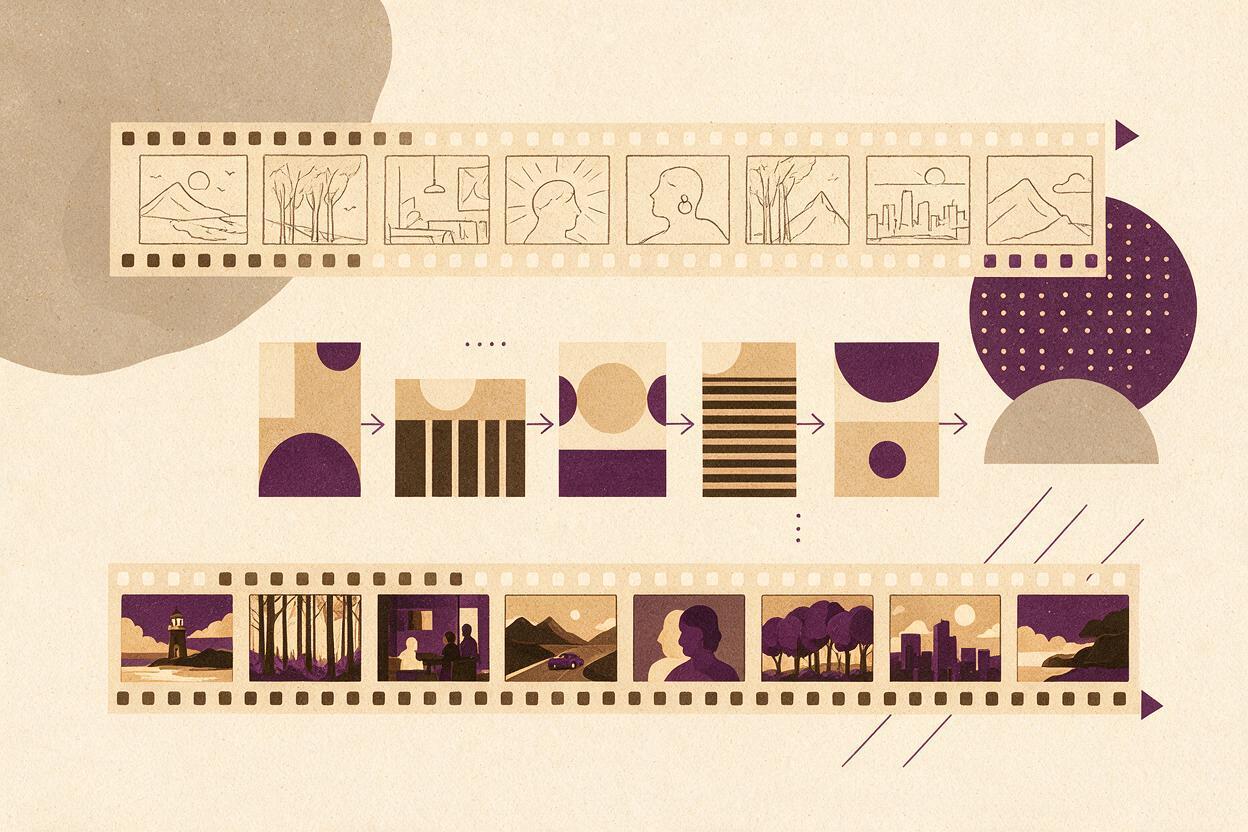
The Netflix example suggests that the most meaningful AI adoption may happen at multiple points in production rather than through one all-purpose generation process. Text-to-video can influence decisions before a scene is finalized, while generative AI VFX can contribute directly to selected finished imagery.
That does not mean every project needs both. A dialogue-led short may gain more from rapid previs than from elaborate final effects. A compact genre scene may need only one carefully controlled AI-assisted visual moment. The appropriate mix depends on the story and the role assigned to each output.
Creators should therefore evaluate AI material according to three editorial questions:
- Purpose: Is the output meant to communicate an idea or appear in the release?
- Continuity: Does it fit the shots, characters, and visual choices around it?
- Approval: Who decides when an experiment becomes a final production asset?
These questions keep AI content creation centered on storytelling rather than novelty. They also create a practical boundary between experimentation and publication.
Why Multi-Model Access Matters
Planning and final-image work can place different demands on an AI workflow. A production may favor speed and variation while exploring concepts, then prioritize tighter visual control when evaluating release candidates. Depending entirely on one model can make those changing requirements harder to accommodate.
A stable, one-account multi-model platform gives creators room to evaluate different options without designing the entire production around a single system. Through MagicBoat’s AI video environment, teams can approach experimentation as a deliberate production choice rather than an isolated novelty.
The most productive use is to preserve clear labels and intent. Concepts generated through text-to-video workflows can remain in the exploration lane until the team explicitly promotes an idea for more rigorous development. That separation supports faster creative testing while protecting the quality threshold of the final edit.
Key Takeaways
- The Eternaut connects Netflix with both text-to-video previsualization and generative AI in a finished effects shot.
- Previsualization is designed to test and communicate ideas before final production decisions.
- Generative AI VFX enters the audience-facing image and therefore requires a higher review threshold.
- Exploration assets and release candidates should remain clearly separated.
- AI film teams benefit from judging every output by its production role, not visual novelty alone.
- Explore MagicBoat to develop a flexible, multi-model approach to AI content creation.
Keywords
netflix the eternaut ai, text to video, generative ai vfx, ai video, ai content creation, ai short drama, ai film