What Is the Sarandos Bloomberg Interview? Netflix AI Shifts | MagicBoat
In a November 2026 Bloomberg 'The Circuit' interview, Netflix co-CEO Ted Sarandos admitted the platform’s recommendation algorithm can bury content, named AI as a key discovery improvement tool, and stated the streaming wars are not yet over with 325 million+ global subscribers. Sarandos also announced Netflix is extending the theatrical window for *Narnia: The Magician’s Nephew* and positioning a *K-Pop Demon Hunters* sequel for hybrid cinema-streaming success. This article breaks down the key announcements, supporting data, and actionable takeaways for independent AI content creators.
Table of contents
Netflix co-CEO Ted Sarandos has openly acknowledged the platform’s recommendation algorithm has flaws, naming AI as a core tool to fix discovery gaps in a wide-ranging Bloomberg The Circuit interview published November 18, 2026 and widely circulated through November 20. The interview also includes updated streaming market share data, subscriber counts, and a notable shift toward longer theatrical windows for Netflix original films – a move that signals the streaming-first era is evolving rather than concluding.
For AI content creators and independent filmmakers, the comments reveal both how major platform curation is evolving and where new opportunities to reach audiences are emerging as distribution lines blur.
What Happened
Sarandos’s interview, part of Bloomberg’s The Circuit series, landed amid a busy November for Netflix, with high-profile series launches and upcoming theatrical releases on the slate. During the conversation, the co-CEO made a rare admission about the platform’s user experience, stating the app “makes mistakes about how we present new things” and can “bury things you might be looking for.”
He explicitly named artificial intelligence as a discovery tool the company is using to address these gaps, marking a continued push by Netflix to integrate AI into both content recommendation and production workflows. Sarandos also pushed back on narratives that streaming has dominated traditional TV, stating “no one has won the streaming wars” despite Netflix’s global growth.
Beyond discovery and market commentary, the interview included concrete updates to Netflix’s release strategy. The company is extending the theatrical window for Narnia: The Magician’s Nephew from two weeks to seven weeks, a significant expansion for a studio that once prioritized near-day-and-date streaming releases. Sarandos also noted that an upcoming K-Pop Demon Hunters sequel is positioned to succeed in both cinemas and on Netflix, framing hybrid release as a deliberate strategy rather than a temporary pivot.
Key Figures and Stats
The interview and accompanying data paint a clear picture of the current streaming and linear TV landscape, with several concrete numbers to contextualize Netflix’s position:
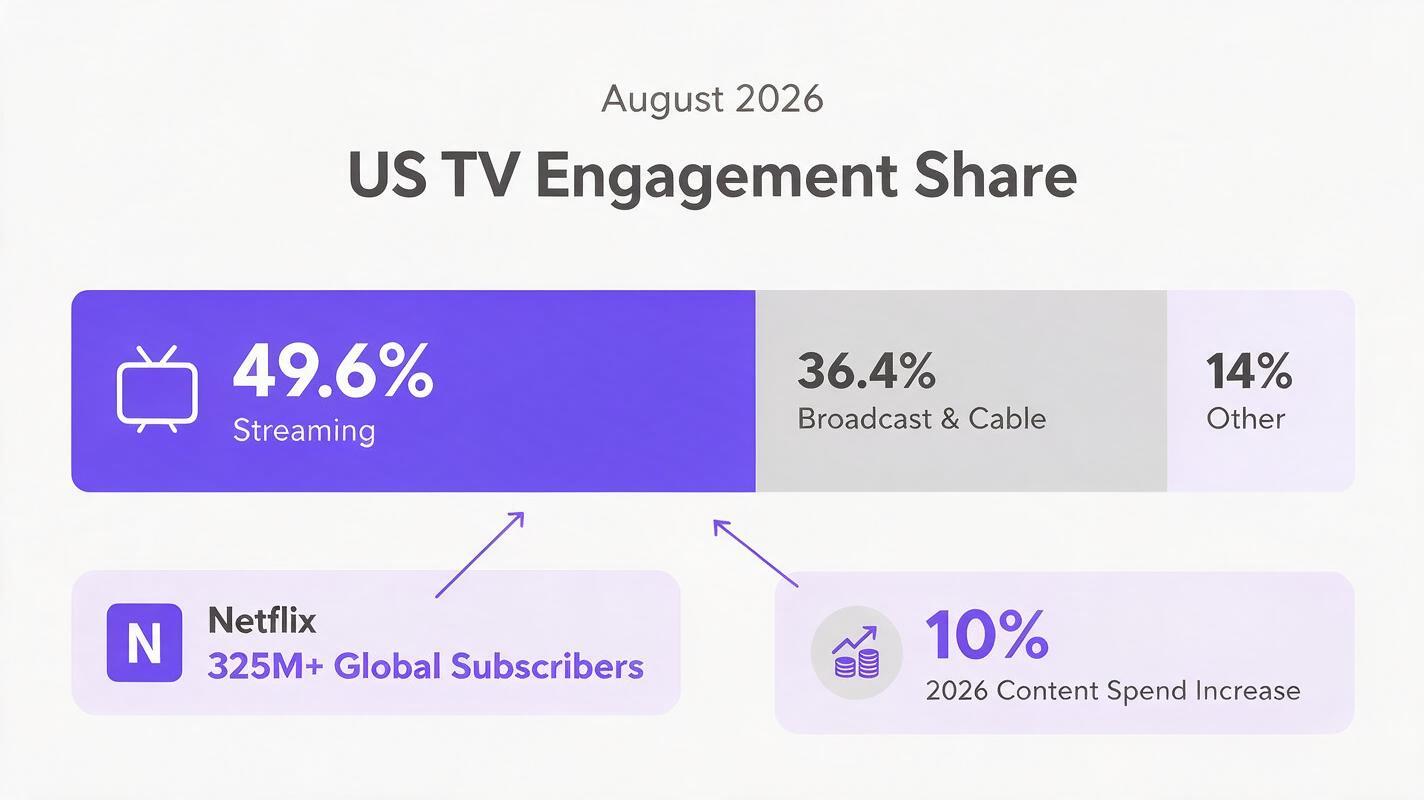
- US TV engagement (Nielsen, August 2026): Streaming accounts for 49.6% of US TV watch time, while broadcast and cable combined make up 36.4%. Roughly half of all US TV engagement remains non-streaming, aligning with Sarandos’s claim that the streaming wars are not yet decided.
- Global subscribers: Netflix reports 325 million+ paid subscribers worldwide, a figure that continues to grow but has not displaced linear TV as the dominant viewing format in the US.
- Content spend: Netflix’s content spending rose roughly 10% in 2026, reflecting ongoing investment in original films, series, and international content as competition for audience attention remains high.
All engagement figures are from Nielsen’s August 2026 TV viewership report, while subscriber and content spend numbers are Netflix self-reported figures from the interview.
Theatrical Strategy Shifts
One of the most notable takeaways from the interview is Netflix’s continued shift toward theatrical distribution, a reversal of the streaming-first strategy that defined the company’s rise for more than a decade. The extension of Narnia: The Magician’s Nephew’s theatrical window from two to seven weeks signals that Netflix sees value in longer cinema runs for big-budget, IP-driven titles – a strategy that builds cultural buzz, drives word-of-mouth, and can boost long-term streaming viewership.
The K-Pop Demon Hunters sequel announcement reinforces this hybrid approach, with Sarandos framing the film as a project that can perform both in cinemas and on the streaming platform. This aligns with broader industry trends of studios embracing multi-window release strategies, even as streaming remains the core long-term distribution channel for most content.
For Netflix, the shift is also a response to growing competition for audience attention and the rising cost of big-budget content. Theatrical runs provide an additional revenue stream and a marketing boost that can help titles cut through crowded streaming slates.
What This Means for AI Content Creators
Sarandos’s comments about AI-driven discovery and hybrid release strategies have direct implications for independent AI content creators, from short-form social creators to independent filmmakers testing new IP:
First, AI is increasingly the gatekeeper of content discovery on major streaming platforms. If Netflix is leaning on AI to fix gaps in its recommendation system, creators building content for streaming or social platforms need to optimize for algorithmic curation – clear, consistent themes, well-defined metadata, and content that aligns with specific audience moods and use cases. For creators producing serialized content, ai short drama tools make it easy to release consistent, bite-sized episodes tailored to how recommendation engines surface content.
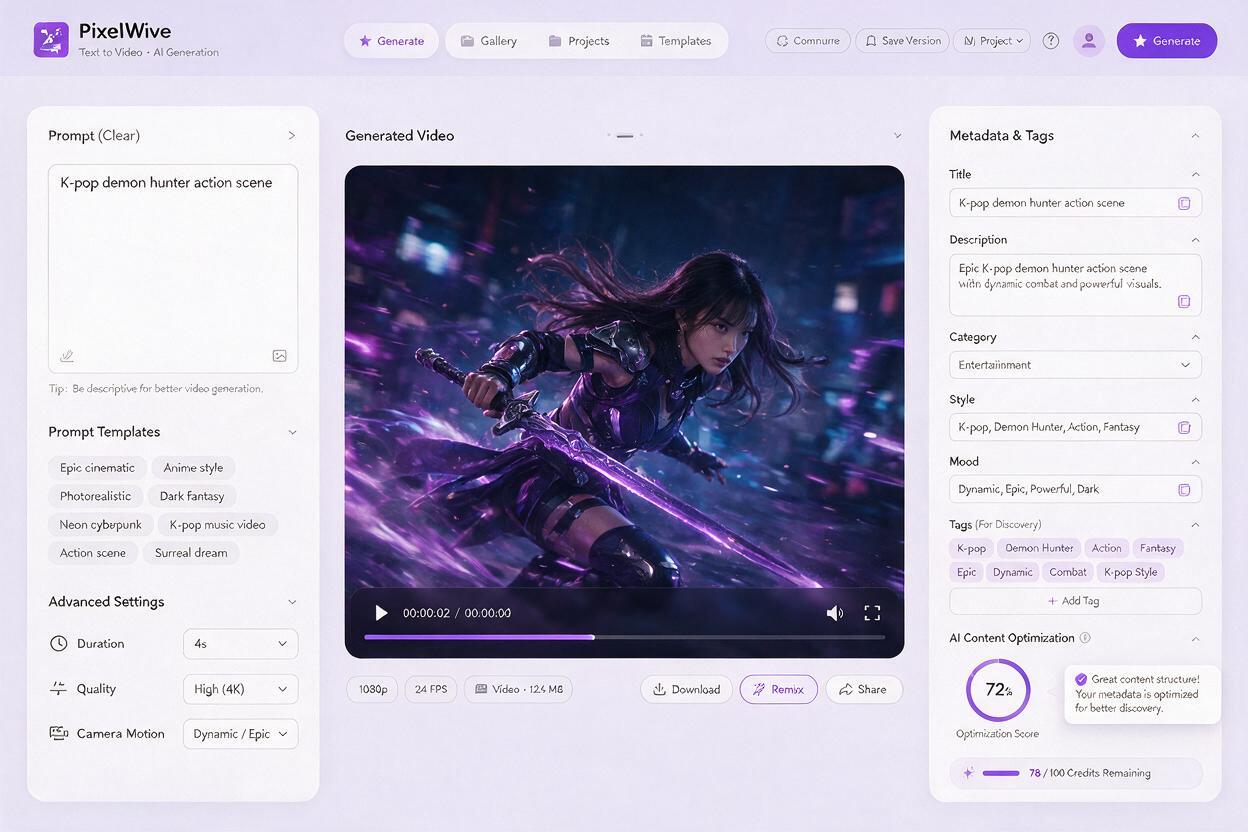
Second, the return of theatrical windows for mid-budget and genre content means there are more distribution paths for high-quality AI-generated content. As studios look for cost-effective ways to fill theatrical slates, creators who can produce polished, IP-ready content with AI tools have a new avenue to pitch projects beyond just streaming platforms. Using text to video tools, creators can prototype a full trailer or key scene in hours instead of weeks, making it faster to test audience demand and pitch concepts to distributors.
Finally, the blurring line between theatrical and streaming release means creators can build audiences across multiple channels, starting with short-form social content to build hype, then scaling to longer-form projects that can work on both streaming and cinema platforms. AI tools lower the barrier to entry for testing these multi-format strategies, even for creators with small teams or limited budgets.
Bottom Line
Sarandos’s Bloomberg interview confirms two major shifts shaping the entertainment industry in late 2026: AI is becoming the backbone of content discovery on major platforms, and streaming studios are no longer avoiding theatrical releases. For independent creators, these shifts create both new challenges and new opportunities – as long as you’re willing to adapt your content and production workflows to the evolving landscape.
Whether you’re testing a new genre concept, building a serialized short drama, or prototyping a feature film idea, AI production tools can help you move faster and create content optimized for today’s AI-driven discovery ecosystem. If you want to test your own content concepts and see what you can build in minutes, try these models for free on MagicBoat.
Key Takeaways
- Netflix co-CEO Ted Sarandos admitted the platform’s recommendation system can bury content, with AI positioned as a key tool to improve discovery.
- The streaming wars are not over, with linear TV still capturing roughly half of US TV engagement and Netflix reporting 325 million+ global subscribers.
- Netflix is extending theatrical windows for major titles like Narnia: The Magician’s Nephew, signaling a broader shift toward hybrid cinema-streaming release strategies.
- AI content creators can optimize their work for algorithmic discovery and use AI production tools to prototype IP faster for evolving distribution channels.
Keywords
netflix, ai video, ai content creation, streaming wars, ai discovery, text to video, ai short drama