Netflix’s The Body Launches: Quinn Shephard’s Catholic School Horror Series
Netflix launched the eight-episode horror mystery series The Body on November 11, created by Under the Bridge showrunner Quinn Shephard and set at a 2004 Catholic girls’ high school. The series follows a dance team’s unraveling after a Halloween prank gone wrong, with The Hollywood Reporter judging its eight-hour ambition greater than its results. This article breaks down the series’ premise, critical takeaways, and actionable lessons for independent AI content creators building character-driven horror and short drama projects.
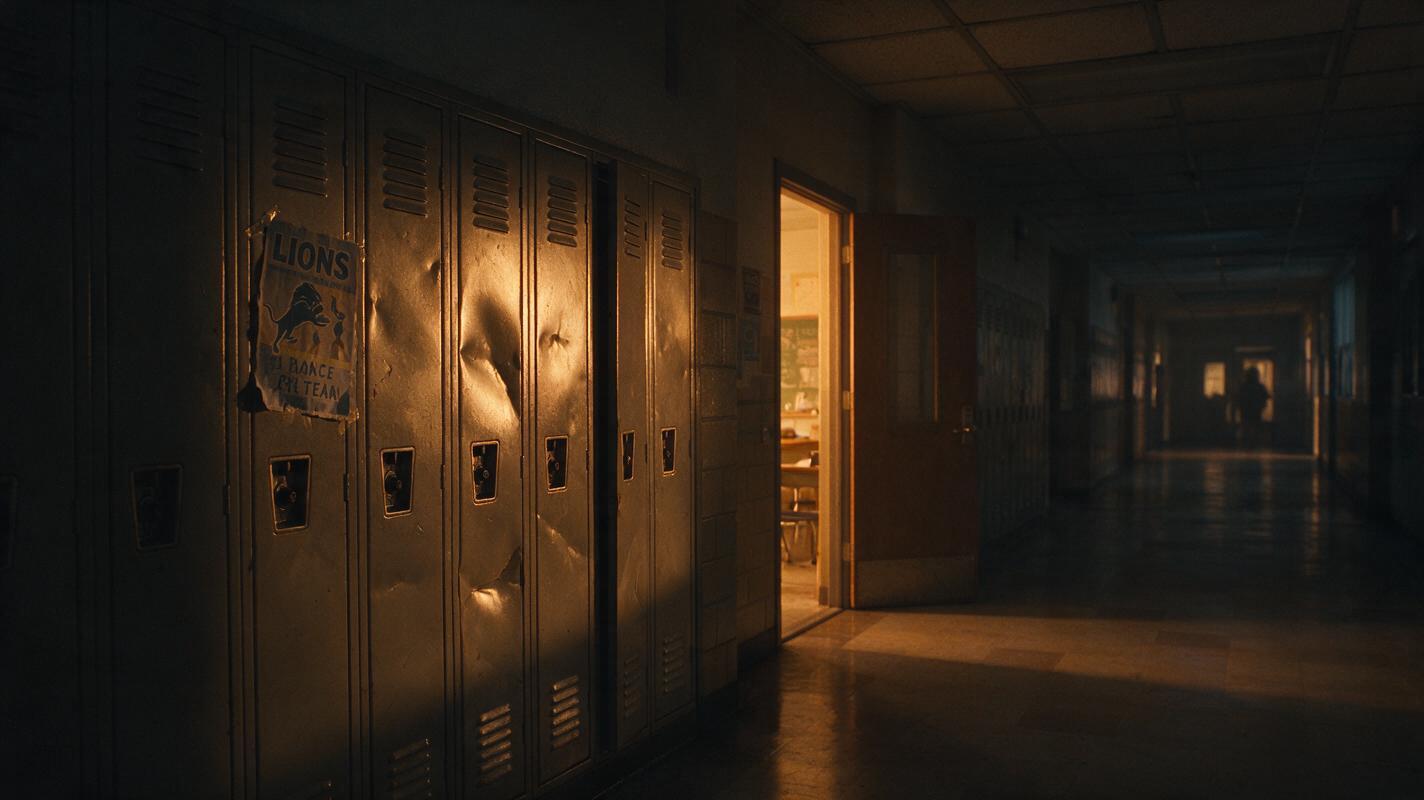
Table of contents
What Is Netflix’s The Body?
Netflix launched the eight-episode horror mystery series The Body on November 11, marking a new collaboration with Under the Bridge showrunner Quinn Shephard, who directed the series premiere. Gina Gammell and Kevin Phillips also served as directors across the season.
Set in autumn 2004 at St. Mark’s Catholic girls’ high school, the series centers on the school’s Lions dance team, which loses a lead member right before regional competition. A Halloween initiation prank goes wrong, triggering a chain of events where the girls begin seeing visions and town-wide hysteria takes hold — leaving audiences to question whether the events are a miracle, demonic activity, or purely psychological.
The ensemble cast includes Kristina Bogic, Sara Boustany, Geena Meszaros, Nnamdi Asomugha, Louisa Krause, Sofia Wylie, Shirley Chen, Jackson Kelly, and Gabby Windey.
The Hollywood Reporter’s November 11 review judged the series neither heavenly nor hellish, concluding that its eight hours of narrative ambition ultimately outpaced its on-screen results.
Why The Body’s Mixed Reception Matters for Genre Storytellers
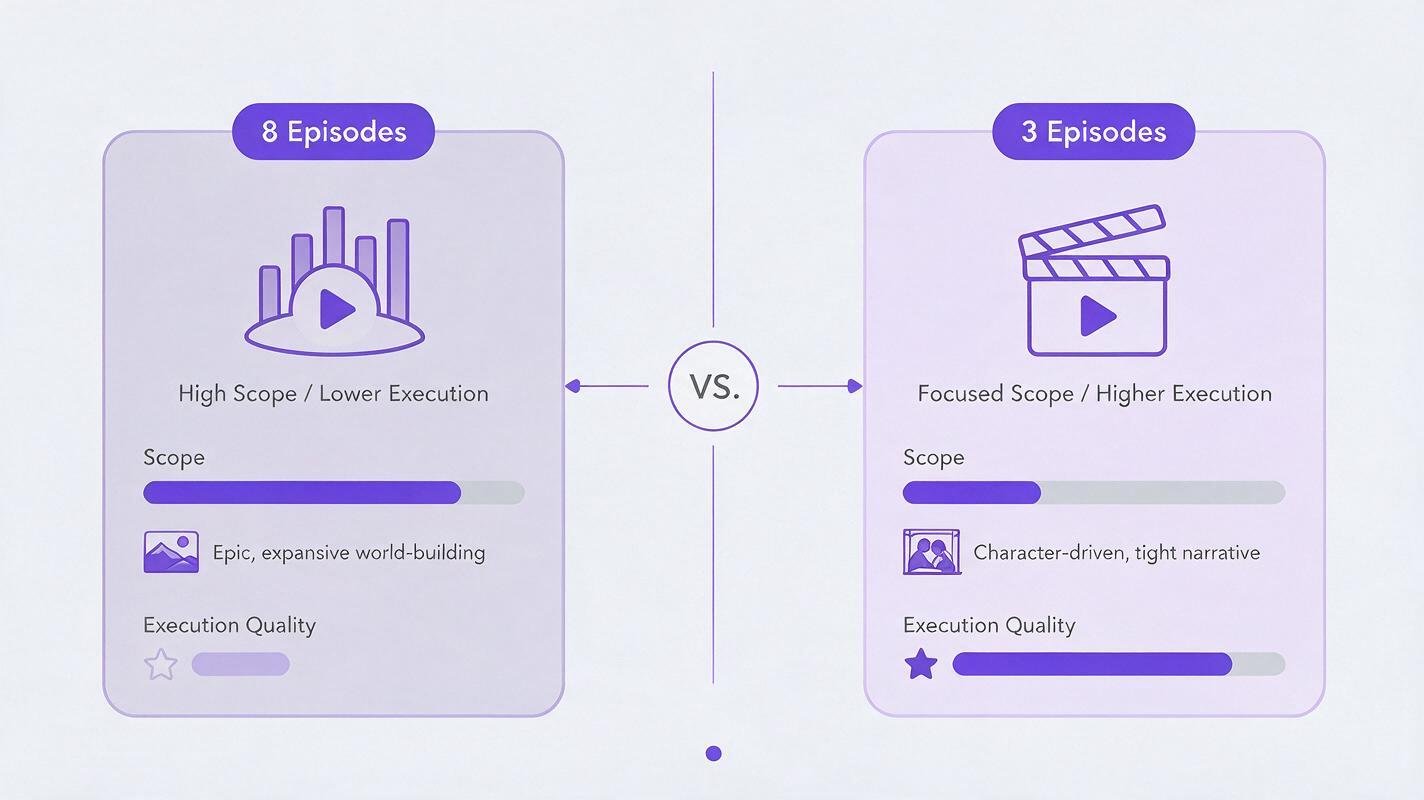
The core critique of The Body — that its scope stretched too thin across eight episodes — is a common pitfall for mystery and horror series that balance supernatural ambiguity with character drama. The series juggles dance team politics, religious trauma, 2000s period detail, and multiple layers of possible supernatural explanation, all while building toward a payoff that reviewers felt did not fully land.
For independent creators, this is a familiar tension: big, ambitious ideas often require more runtime, budget, and writing bandwidth than small teams have access to. Striking the right balance between scope and execution is even more critical for creators working with limited resources, where every minute of screen time has to earn its place.
The 2004 period setting, meanwhile, is a strong creative choice that taps into nostalgia for early-2000s teen horror, a subgenre that has seen a resurgence in recent years. Period pieces have historically required large costume and set budgets, but modern AI tools have made it far easier for independent creators to evoke specific time periods without breaking the bank.
Lessons for Independent AI Content Creators
The Body’s strengths and shortcomings offer clear takeaways for creators building horror and mystery content with AI tools, especially for those working on ai short drama projects with small teams or limited budgets.
First, tighten your scope to match your resources. The series’ eight-episode runtime was its biggest liability, according to reviews, as it stretched a core premise that could have worked as a tighter four-episode or feature-length story. For AI creators, this means leaning into compact, focused narratives — a 3-part short drama or 10-minute ai film — rather than trying to tell a sprawling, multi-layered mystery in your first project. You can always expand later if your audience responds.
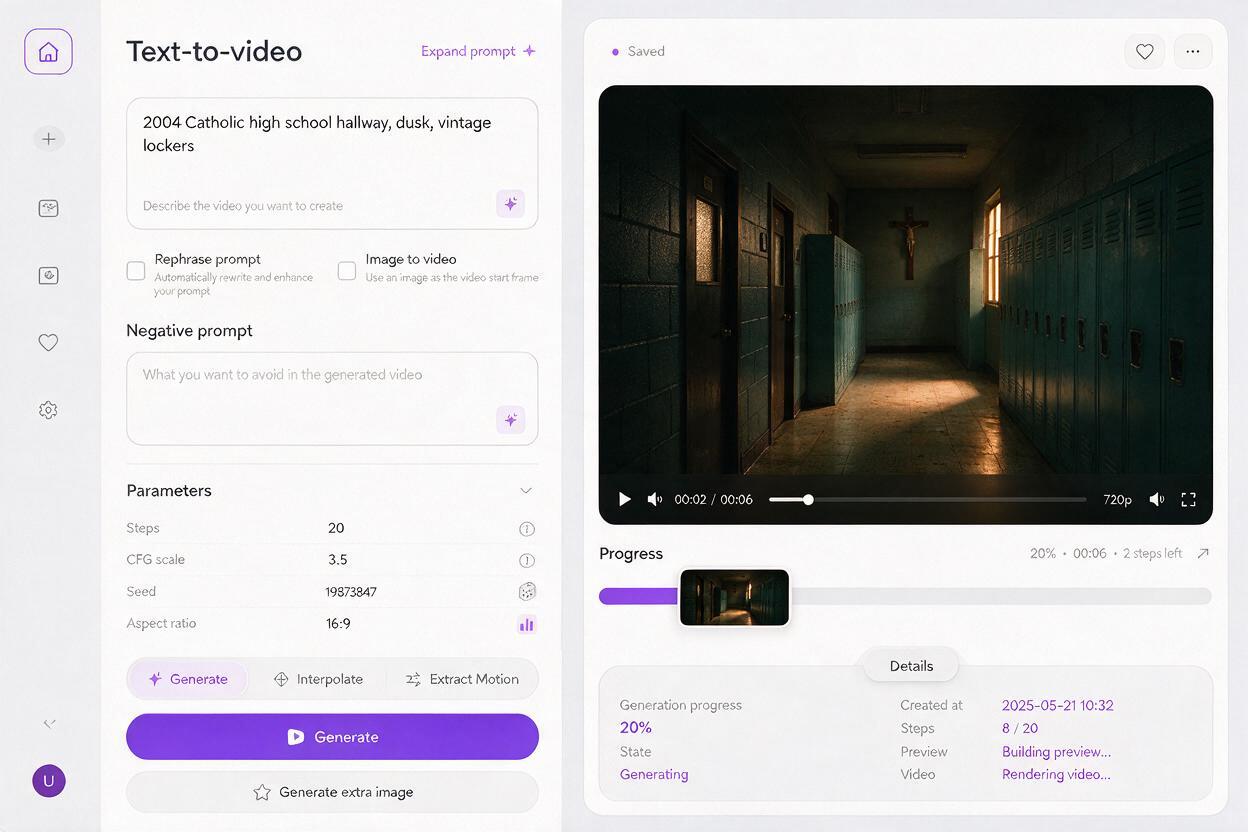
Second, use period setting as a mood driver, not a plot crutch. The 2004 setting of The Body adds texture and nostalgia without being the central focus, which is exactly how to approach period pieces on a micro-budget. With text to video tools, you can generate period-accurate hallways, flip phones, early-2000s fashion, and Catholic school iconography in minutes, using visual details to sell the era without expensive set builds or costume rentals.
Third, lean into ambiguity for horror impact. The series’ central question — miracle, demon, or psychology — is its strongest narrative hook, and it’s a device that works exceptionally well for low-budget and AI-generated horror. Instead of relying on expensive monster VFX or jump scares, you can build tension through subtle visual cues, off-screen sound, and character reactions, all of which are easy to execute with modern AI video tools.
Turning a Similar Premise Into a Short Horror Project
If you’re inspired by the Catholic school horror subgenre and want to create your own tight, focused short, you can build a complete project from idea to final cut using AI tools, no large crew required.
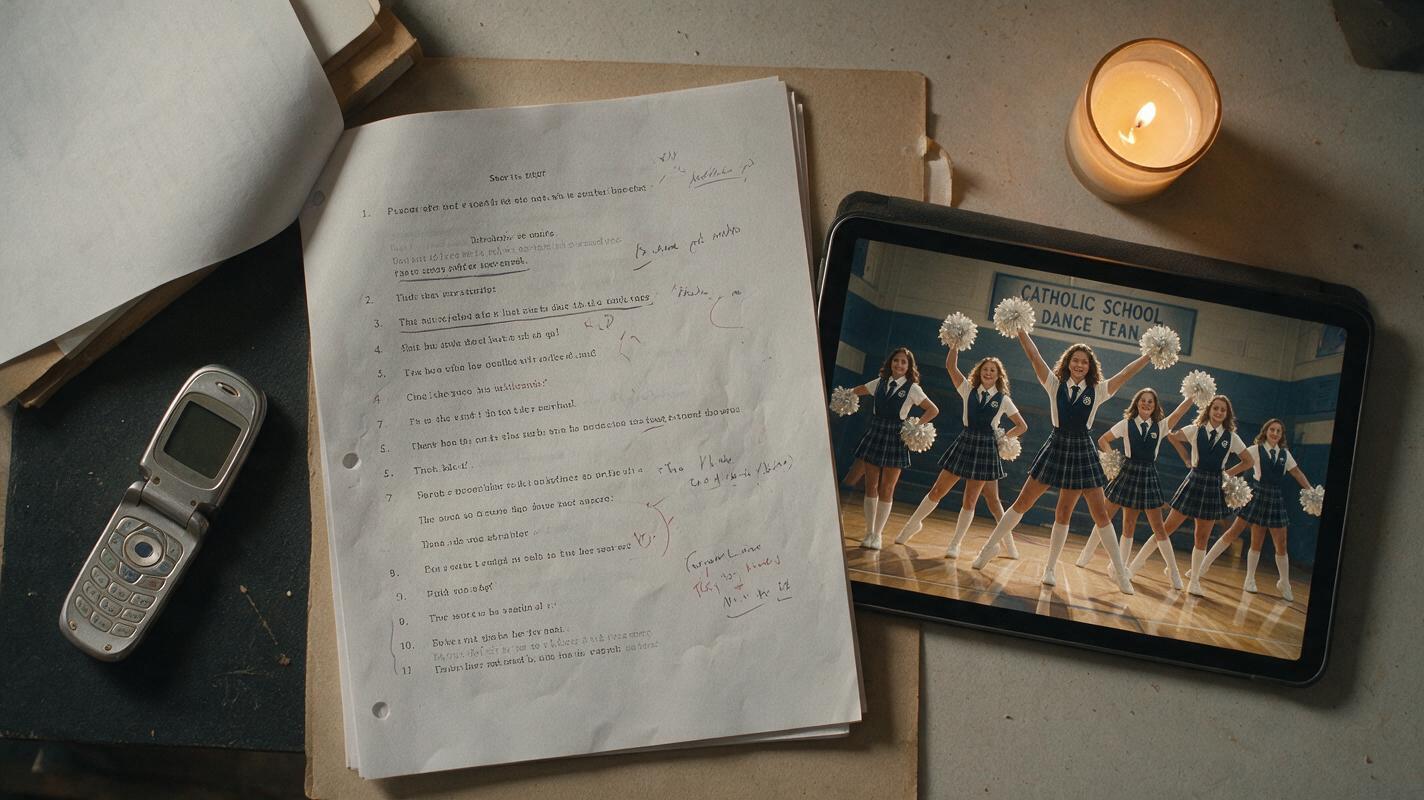
Start with a single, contained inciting incident — like a prank gone wrong at a small high school — and build out 2-3 core characters with clear motivations. Use an AI script tool to draft a tight 10-15 page script, focusing on dialogue and mood rather than large action set pieces. From there, generate concept art for your characters and locations using an AI image generator, then turn those concepts into short, atmospheric scenes with text to video tools.
The key is to keep your story small enough that every scene feels intentional and polished, rather than stretching your premise thin across too many episodes or too long a runtime. This is the same lesson that The Body’s mixed reception highlights: a tight, well-executed 30-minute short will almost always land better than a meandering 8-hour series from a small team.
You can try these models for free to test out a scene or two from your own Catholic school horror concept, and see how quickly you can turn a text premise into a finished, atmospheric short.
Key Takeaways
- Netflix’s The Body is an 8-episode 2000s Catholic school horror mystery from showrunner Quinn Shephard, launched November 11.
- The series received mixed reviews, with critics noting its ambitious narrative scope outpaced its execution across eight hours.
- For AI content creators, the biggest takeaway is to match your story scope to your resources, especially for short drama and micro-budget horror projects.
- Period settings, ambiguous horror, and character-driven tension are all easy to execute with modern AI tools without large budgets.
- You can build your own tight, atmospheric horror short using AI script, image, and video tools in a fraction of the time of traditional production.
Keywords
netflix the body, quinn shephard, catholic school horror, ai short drama, ai content creation, horror series, ai film