Netflix’s The Storm Launches Globally as a Swedish Dark Comedy
Netflix launched the Swedish dark comedy The Storm globally on October 16. Written, directed and led by Josephine Bornebusch, the film uses a family gathering during a storm as a concentrated premise with clear lessons for AI-assisted story development and campaign design.
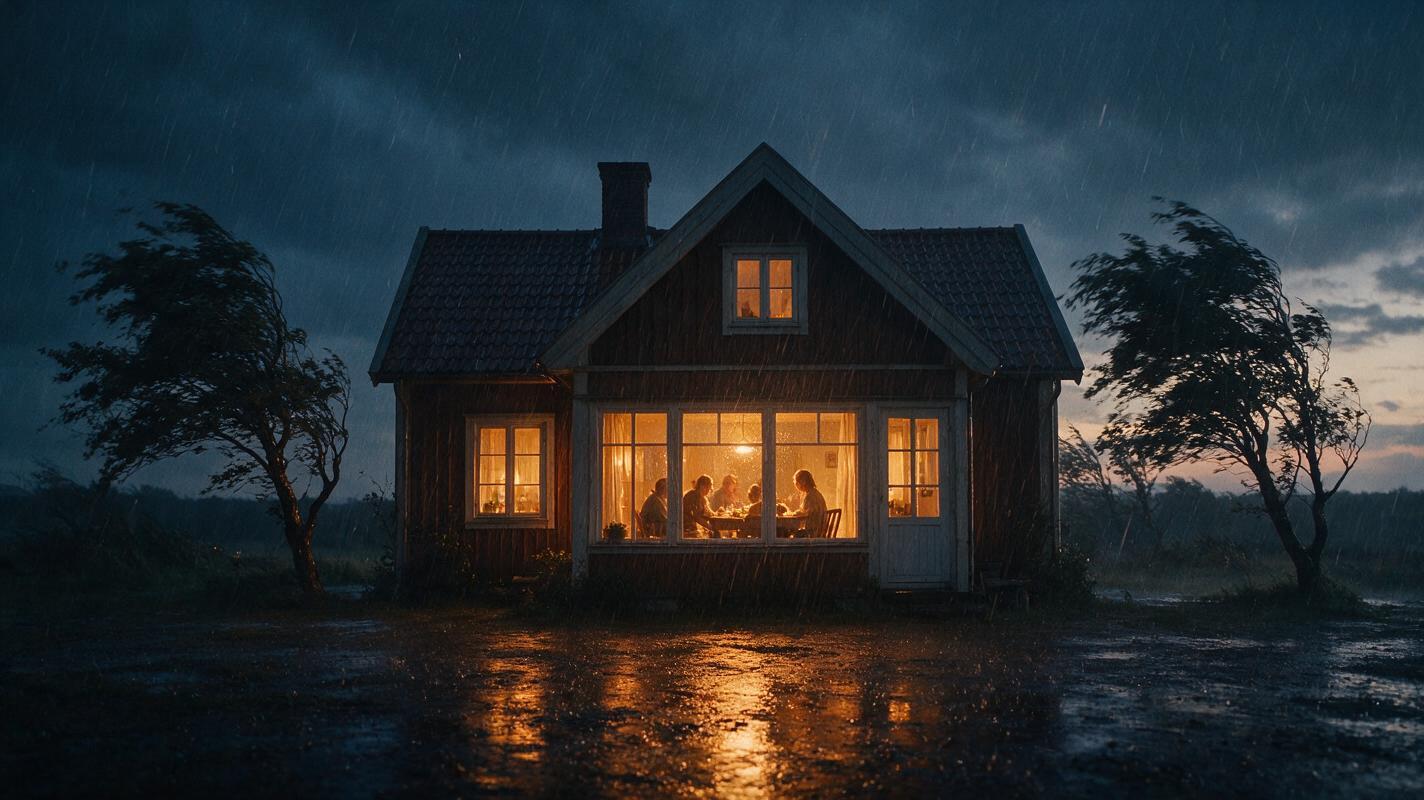
Table of contents
Netflix Launches The Storm Worldwide
Netflix launched The Storm globally on October 16, bringing a Swedish dark comedy built around a family gathering during a storm to an international audience. Josephine Bornebusch wrote and directed the film while also taking a starring role, placing one creative voice at the center of its conception, execution and performance.
The premise is compact but immediately legible: a family comes together while severe weather closes in around them. That combination gives the film two sources of pressure at once—the relationships inside the gathering and the storm surrounding it. Netflix’s worldwide release makes that locally grounded setup available as a single global launch rather than a gradual territory-by-territory rollout.
For independent filmmakers and digital storytellers, the release is a useful reminder that a project does not need an expansive world to establish a strong identity. A focused location, a recognizable relationship dynamic and an external source of pressure can provide enough material for an AI film concept, an ai short drama or a tightly packaged promotional campaign.
One Event, One Family, One Pressure System
The Storm has a premise that can be communicated without a long explanation. Its title identifies the external event, while the family gathering supplies the human center. The dark-comedy label then signals that the collision between those elements is not intended to function as straightforward disaster drama.
This kind of clarity is valuable in streaming discovery. Audiences scanning a crowded Netflix catalog can understand the basic dramatic arrangement quickly, even before learning more about individual characters. The title and premise work together rather than competing for attention.
A concentrated premise can still suggest a large emotional world when the setting, relationships and tone all apply pressure in the same direction.
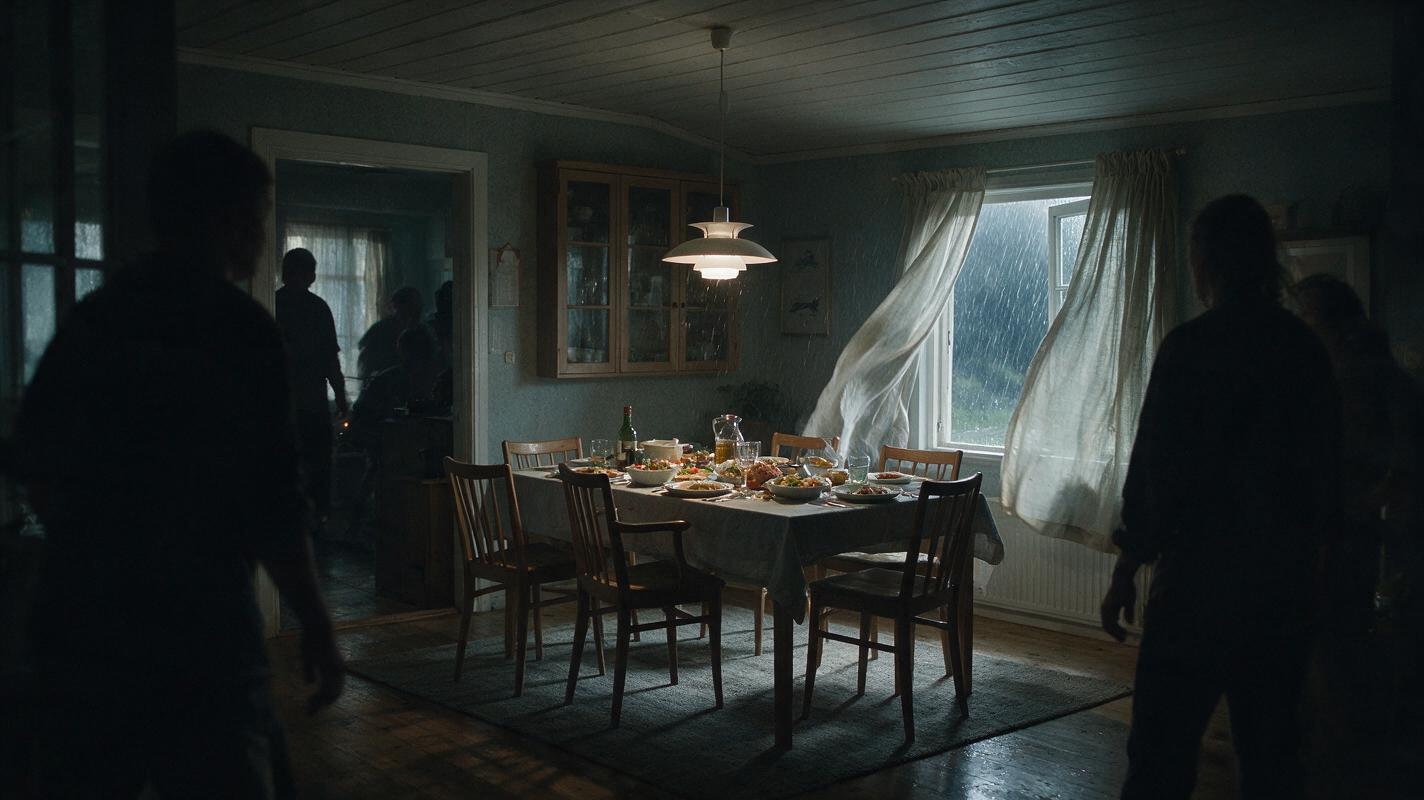
The concept also illustrates the difference between physical scale and dramatic scale. A family gathering is intimate. A storm is expansive and uncontrollable. Placing them together allows a story to feel contained and consequential at the same time, without requiring the premise itself to become complicated.
Why Bornebusch’s Three Roles Matter
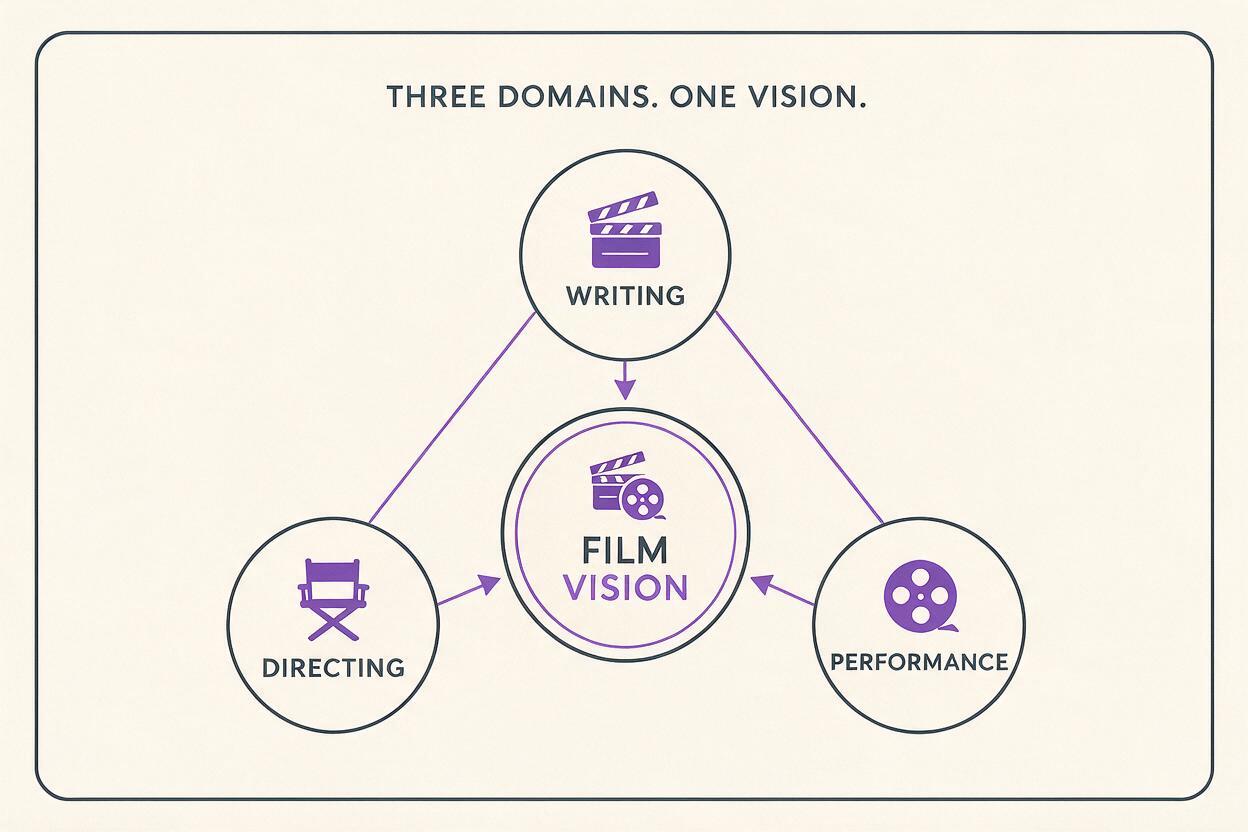
Josephine Bornebusch’s involvement as writer, director and star is one of the release’s defining facts. Those roles cover the story on the page, the overall interpretation behind the camera and a central part of what viewers ultimately see. The arrangement gives The Storm an identifiable authorial center.
That does not mean every production should be organized around one person. It does show how a unified point of view can become part of a project’s public identity. In promotional language, “written, directed and starring” communicates creative ownership with unusual efficiency.
For smaller productions, the relevant lesson is consistency. A concept is easier to recognize when the screenplay, visual tone, performance direction and marketing materials appear to belong to the same imaginative world. An ai script generator can support early exploration of an original premise, but the filmmaker still needs to decide which emotional perspective and tonal contrast should hold the project together.
Dark Comedy Depends on Tonal Contrast
The description of The Storm as a dark comedy is especially important because the underlying ingredients could support several genres. A family gathering during dangerous weather might be framed as a thriller, a domestic drama or a survival story. Calling it dark comedy changes audience expectations before the film begins.
That contrast offers a useful model for original storytelling. The weather can create urgency while family behavior creates discomfort, irony or humor. Neither element needs to carry the entire concept alone. Their interaction generates the tonal identity.
| Story element | Function in the premise | Campaign value |
|---|---|---|
| Family gathering | Creates close interpersonal pressure | Provides a recognizable human hook |
| Storm | Adds an external force and a confined atmosphere | Supplies a clear visual motif |
| Dark comedy | Defines how conflict may be interpreted | Differentiates the project from a conventional disaster drama |
| Unified authorship | Connects writing, direction and performance | Gives publicity a concise creative narrative |
For ai content creation, this is a more useful starting point than asking for a generic “cinematic” result. An original project can define a relationship situation, an environmental constraint and a tonal contradiction before any visual material is generated.
From a Tight Premise to an AI Content Package
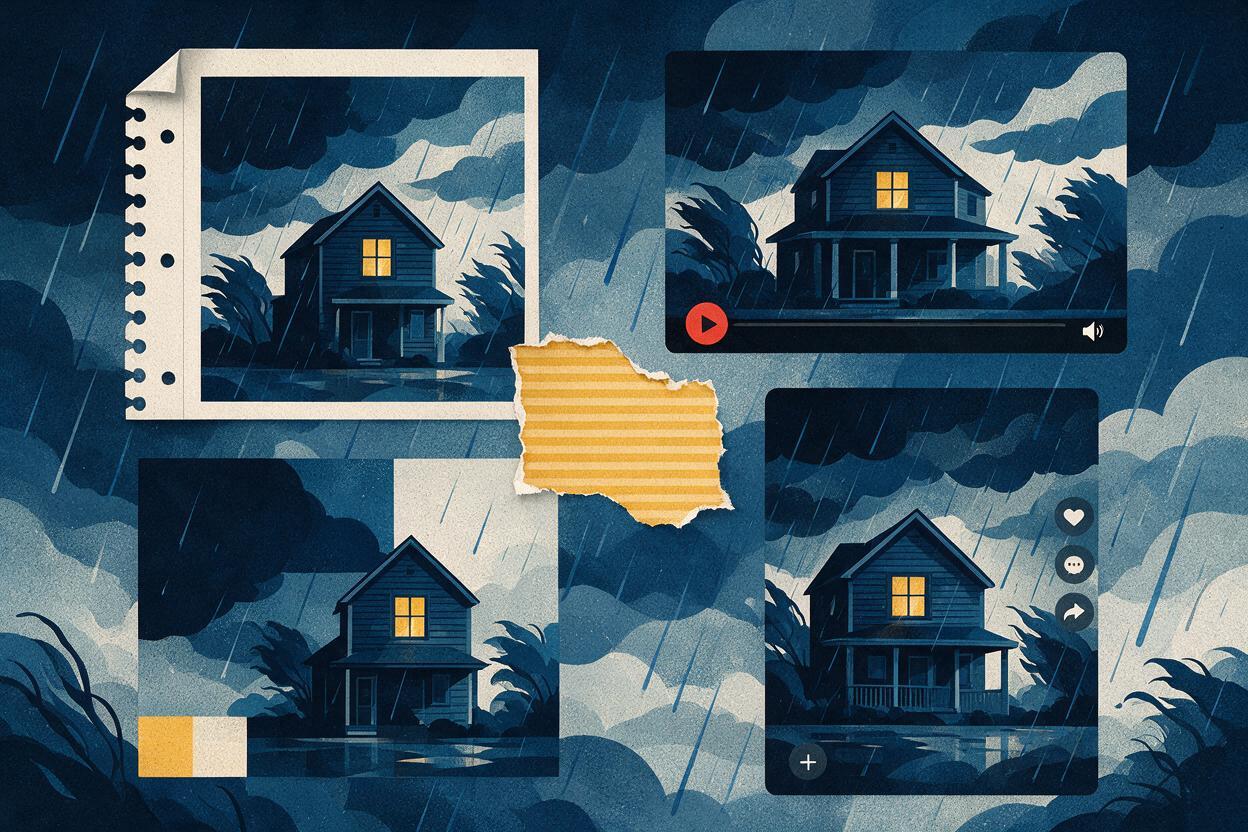
A focused idea can support several original campaign assets without revealing an entire narrative. A filmmaker might create a visual study of rain against a house, a tense family-table composition, a short atmospheric clip and alternate poster concepts. Each asset can express the same premise while emphasizing a different source of tension.
MagicBoat’s text to video capability can help translate an original written concept into short visual explorations for an ai video campaign. The aim should not be to imitate The Storm or reproduce its characters. The productive approach is to apply the broader structural insight to a new story: combine an intimate social event with an external condition that intensifies it.
An original ai short drama could use an entirely different gathering and disruptive force while retaining that underlying economy. The central creative questions remain human ones:
- Which relationships become more revealing under pressure?
- What external condition prevents the characters from avoiding one another?
- Does the tone treat the resulting behavior as frightening, tragic, absurd or darkly funny?
- Which recurring visual motif can unify the trailer, poster and social clips?
These decisions help prevent an AI-assisted production from becoming a collection of disconnected images. They also create a stable foundation for visual continuity across an ai film package.
What the Global Netflix Release Signals
The October 16 global launch places a Swedish production before audiences beyond its home market. The premise does not need to abandon its local identity to remain understandable internationally: families, gatherings and disruptive weather are broadly recognizable, while the specific voice behind the film can preserve distinction.
That balance matters for emerging filmmakers. Global accessibility is not the same as creative neutrality. A project can use a concise universal hook while maintaining a particular tone and point of view. In fact, the combination may be more memorable than a concept designed to appear culturally anonymous.
The release also demonstrates the promotional strength of a title that performs immediate narrative work. The Storm names the external pressure directly, leaving the supporting description to introduce the family gathering, genre and Bornebusch’s creative roles.
A Practical Direction for Original Projects
The strongest takeaway from The Storm is not simply that contained stories are efficient. It is that containment can become part of the dramatic engine. When characters share a gathering, an environmental threat and a sharply defined tone, every element can reinforce the others.
MagicBoat can support the development of original scripts, story visuals and video concepts within one creative workflow. Filmmakers exploring a concentrated family drama, ai short drama or atmospheric ai film can try these models for free and test how a clear premise translates across written and visual formats.
Editorial Checklist
- News focus: Netflix launched the Swedish dark comedy The Storm globally on October 16.
- Creative lead: Josephine Bornebusch wrote, directed and stars in the film.
- Core premise: The story centers on a family gathering during a storm.
- Story insight: Intimate relationships and external pressure can create scale without an overcomplicated setup.
- AI application: Original scripts, visual studies and campaign clips should share one tonal and thematic direction.
Keywords
netflix the storm, josephine bornebusch, swedish dark comedy, ai content creation, ai film, text to video, family drama