Netflix ‘Tyson’ Documentary: 4 Episodes Premiering October 13
Netflix will premiere its four-episode original documentary 'Tyson' on October 13, adding to the platform’s growing slate of unscripted content. The announcement comes amid a broader surge in viewership for character-driven nonfiction titles across Netflix’s global and regional charts. This trend presents actionable opportunities for AI content creators to build original short drama, video, and film projects that tap into audience demand for personal, high-stakes narratives.

Table of contents
Netflix’s ‘Tyson’ Documentary Lands October 13 With 4 Episodes
Netflix is set to release its original documentary series Tyson on October 13, with a total of four episodes in its first season. The upcoming nonfiction title is the latest high-profile addition to Netflix’s growing slate of unscripted content, which has continued to draw strong global viewership alongside hit scripted series and films.
Recent Netflix global chart data shows consistent audience demand for a mix of genres, with new series Below claiming the #1 spot, East of Eden at #2, and the film Animals topping the US film chart as of mid-October. The Tyson doc joins a packed release schedule that includes returning franchise favorites and new true-crime projects in active development.

Why Nonfiction Titles Are Resonating on Streaming
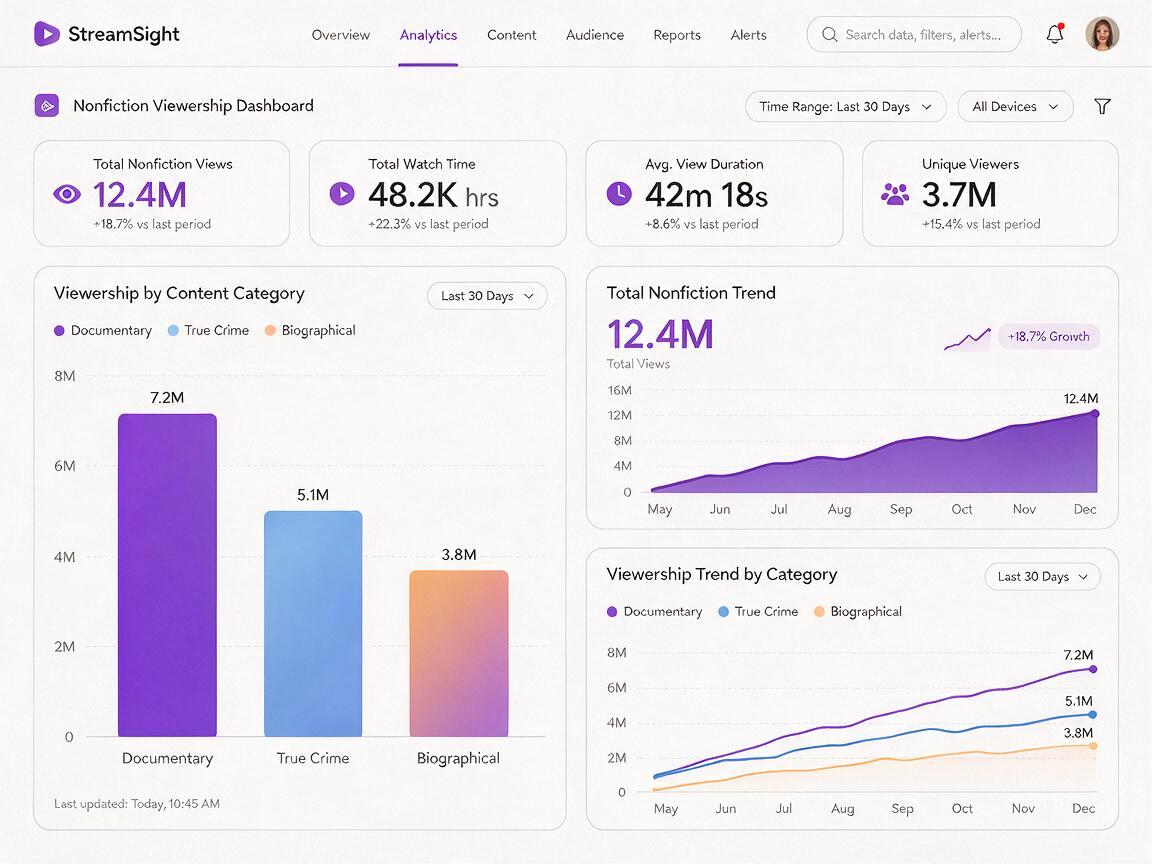
The announcement of the Tyson documentary comes amid a broader surge in viewership for unscripted and fact-adjacent content across major streaming platforms. Netflix in particular has leaned into nonfiction storytelling in recent months, with titles ranging from true-crime series to biographical docs earning top spots on regional and global charts.
In late September, the Unabomber feature film topped Netflix’s US charts, and the platform recently announced it is developing a new true-crime series centered on the JonBenet Ramsey case. Other recent nonfiction additions include the Avicii documentary I'm Tim and ongoing true-crime hits like Monster: The Lizzie Borden Story, which claimed the #1 spot on Netflix’s Top 10 in late September. This steady pipeline of nonfiction content signals that streaming audiences are hungry for deeply personal, character-driven stories that feel grounded in real events — a trend that extends across both long-form documentaries and short-form vertical content.
What This Means for AI Content Creators
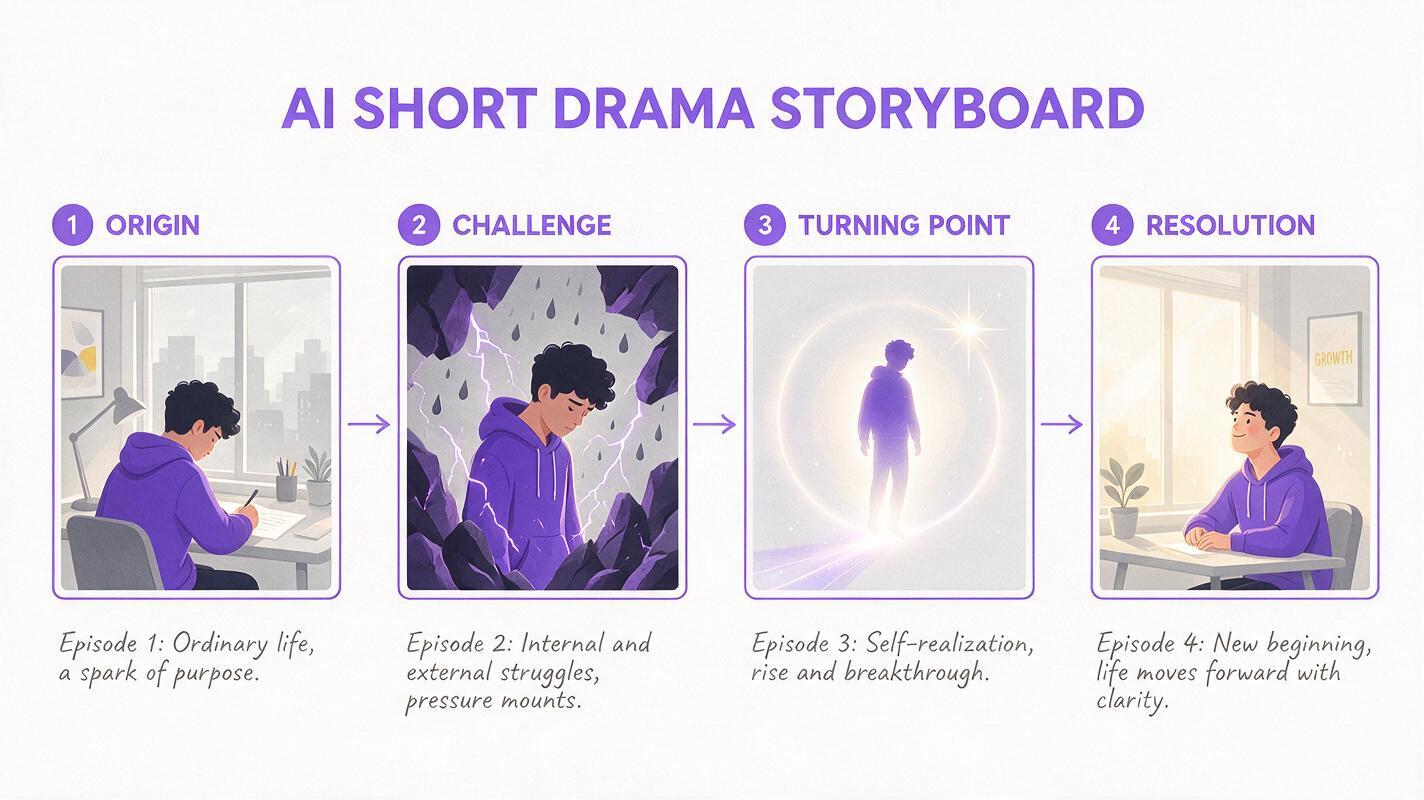
For independent content creators, the growing popularity of character-driven nonfiction offers a clear roadmap for testing high-demand original concepts without the costs of traditional production. The structural formula of a four-part character study — following a central figure through rise, struggle, and legacy — translates seamlessly to short-form content, vertical series, and indie film projects, whether you’re working in true crime, biographical drama, or inspirational storytelling.
Tools like text to video generators let creators prototype documentary-style clips, reenactment scenes, and visual mood boards in minutes, allowing them to test audience interest in a concept before investing in full production. For creators focused on serialized content, ai short drama tools make it easy to adapt real-life narrative structures into original, fictionalized stories that tap into the same viewer interest in high-stakes personal journeys.
Leveraging Documentary Trends for Original AI Content
The key to tapping into nonfiction viewership trends is not to copy existing IP, but to adapt the narrative patterns that make these titles successful. For example, the four-episode structure of Tyson — each installment focusing on a distinct chapter of its central subject’s story — can be reimagined as a four-part vertical short drama about a fictional character navigating a high-stakes journey, from underdog to industry leader.
AI content creation tools streamline every stage of this process: from drafting episode outlines and generating storyboards, to creating visual assets and even producing full short clips. Creators can experiment with different tones, from tense true-crime drama to intimate character study, and iterate quickly based on audience feedback. This level of agility makes it possible for independent creators to compete with large studios by identifying emerging trends and releasing original content fast.
Best of all, these tools are accessible to creators with no prior film or video production experience. You don’t need a full crew or expensive equipment to build a compelling, audience-ready short series — just a strong concept and the right set of AI tools to bring it to life. try these models for free and start building your own character-driven series today.
Key Takeaways
- Netflix’s four-episode original documentary Tyson premieres globally on October 13, adding to the platform’s expanding nonfiction slate.
- Character-driven nonfiction content, including true-crime series and biographical docs, is driving consistent viewership growth on streaming platforms.
- Independent AI content creators can leverage this trend by adapting documentary narrative structures for original short drama, video, and film projects.
- Accessible AI tools let creators prototype and release high-quality original content fast, without the budget of traditional studio productions.
Keywords
netflix, tyson documentary, ai video, ai content creation, ai short drama, text to video, ai film, nonfiction series