Norm: The Tale of Norm Macdonald and The Disciple Hit Netflix
Netflix’s weekend documentary lineup pairs Norm: The Tale of Norm Macdonald, built from archival and family footage, with The Disciple: A Wu-Tang Fable, centered on Cilvaringz and Once Upon a Time in Shaolin. The contrasting projects show how intimate access and a tightly defined cultural perspective can distinguish nonfiction storytelling.
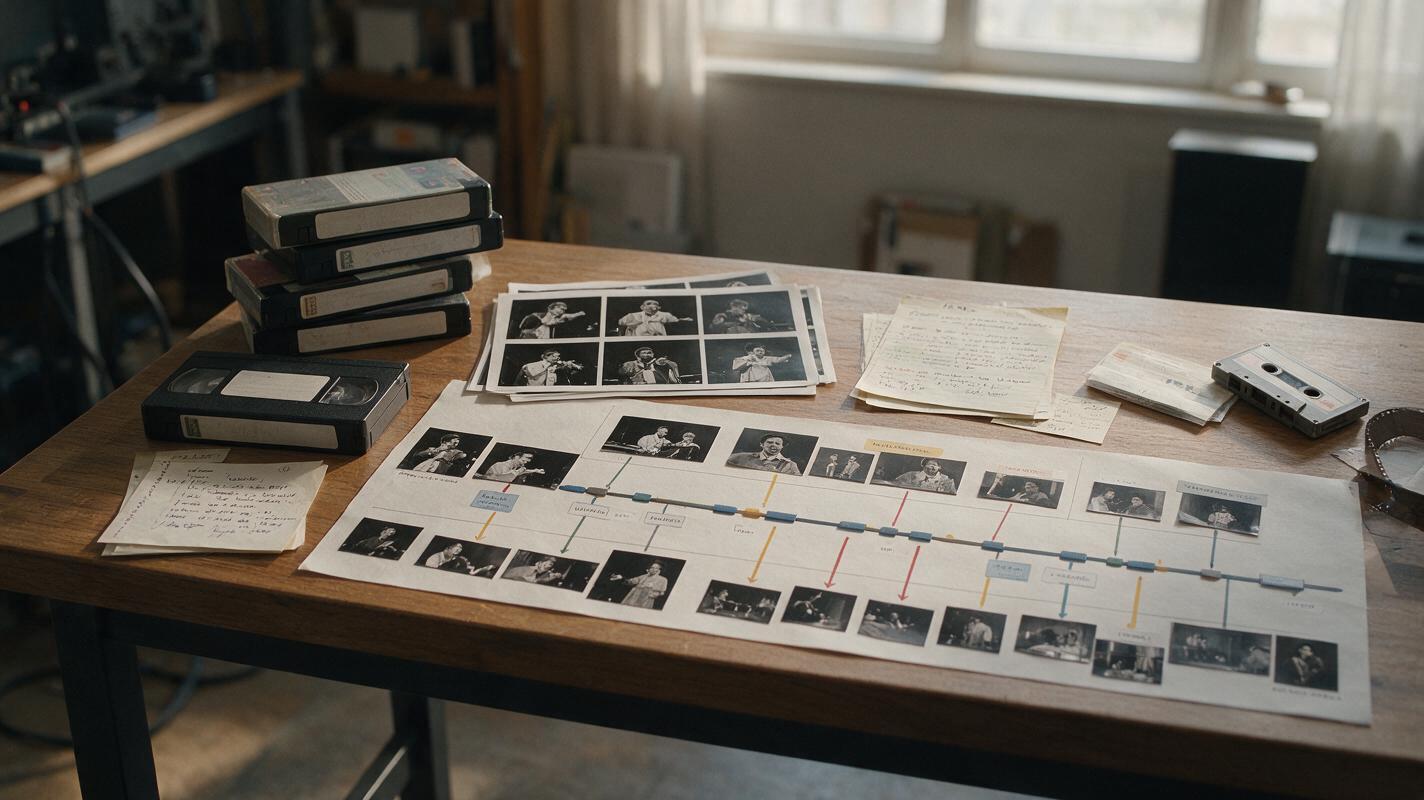
Table of contents
Netflix Pairs Two Distinctive Entertainment Documentaries
Netflix’s weekend documentary lineup reported on October 17 brings together two projects built around unusually close access to major entertainment stories. Norm: The Tale of Norm Macdonald draws on archival material and footage held by the comedian’s family, while The Disciple: A Wu-Tang Fable follows Cilvaringz, a fan who entered Wu-Tang Clan’s orbit and became connected to Once Upon a Time in Shaolin.
The pairing gives Netflix two very different nonfiction perspectives. One looks toward a performer’s life through preserved recordings and personal material; the other approaches a globally recognized music story through an individual whose path moved from fandom to participation. Rather than covering comedy and hip-hop at a distance, both documentaries are defined by proximity to their subjects.
For filmmakers and AI content creation teams, that contrast offers a useful editorial lesson: documentary identity comes from the specificity of the access and viewpoint, not simply the fame of the person or group involved. A strong archive, a personal connection or an unexpected participant can become the organizing principle for an entire film.
Norm: The Tale of Norm Macdonald Builds From Personal Material
Norm: The Tale of Norm Macdonald combines archival material with family footage. Those two categories carry different storytelling functions. Public archive can establish the visible career and cultural record, while family-held material can reveal a more intimate perspective unavailable in conventional entertainment coverage.
That combination also gives editors a clear structural challenge. A documentary may contain many memorable clips, but recognition alone does not create a coherent narrative. The material needs to be selected according to an emotional and thematic spine: which moments establish the subject, which complicate the familiar image and which leave the audience with a meaningful final impression.
The larger nonfiction opportunity is not merely having rare footage. It is finding the story that only that footage can tell.
This is particularly relevant to archive-led projects made at a smaller scale. Personal recordings, photographs, correspondence and interviews can provide the raw material for an original documentary concept, but each asset should serve a defined narrative purpose. Visual planning through an ai storyboard can help a team test how archive, narration and newly designed transitional imagery might fit together before committing to a full edit.
The Disciple Frames Wu-Tang Through Cilvaringz
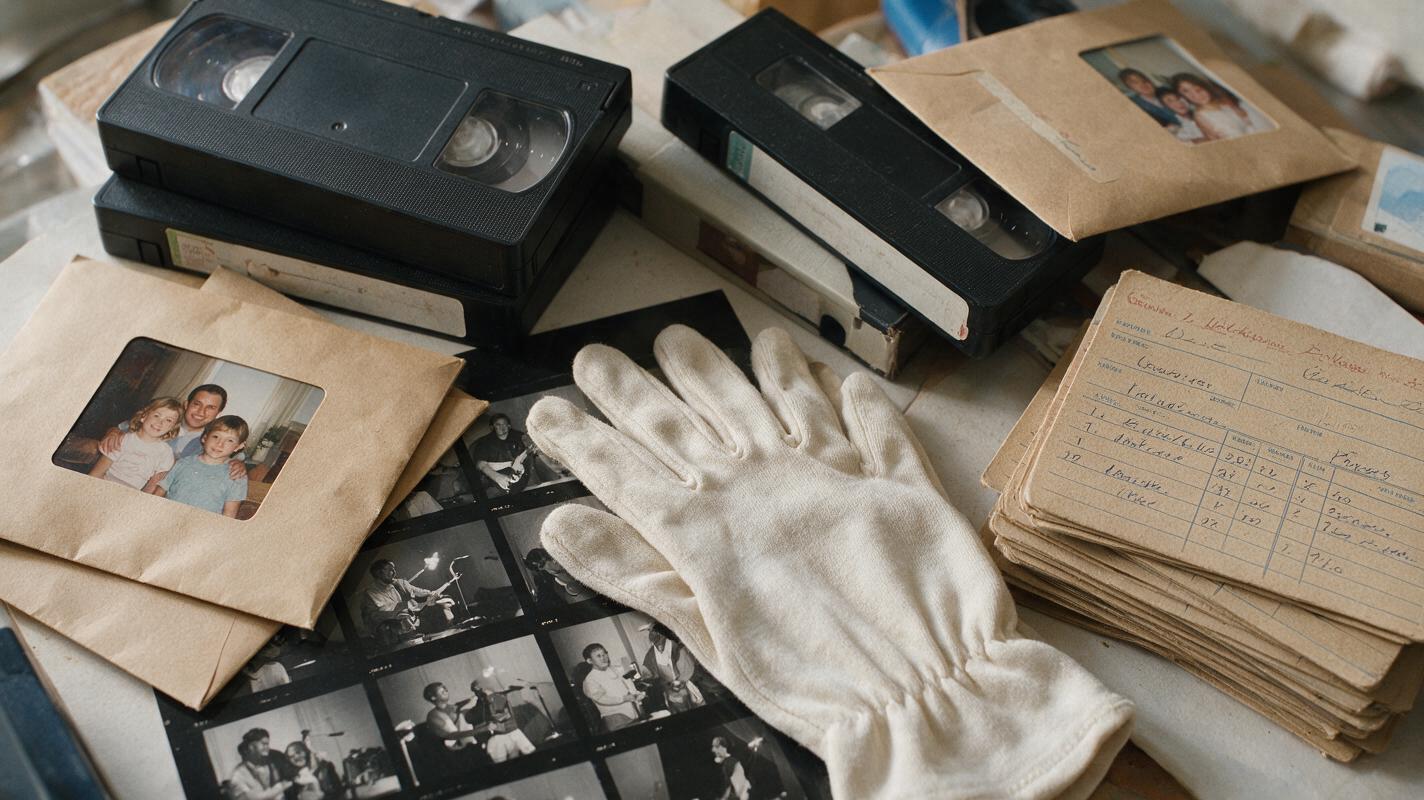
The Disciple: A Wu-Tang Fable takes a different route into music history. Its central figure is Cilvaringz, presented as a fan who made his way inside Wu-Tang Clan’s world. The documentary also connects that journey to Once Upon a Time in Shaolin, giving the film a specific person, cultural setting and object around which to organize its story.
This perspective matters because a documentary about an established group can easily become too broad. By focusing on one participant’s movement from admirer to insider, the project gains a human point of entry. Audiences can encounter a larger cultural story through a trajectory with inherent contrast: outside and inside, aspiration and access, observation and participation.
The word “fable” in the title further signals that the film is presenting more than a general history. Its framing emphasizes the unusual nature of Cilvaringz’s position within the Wu-Tang story. For independent filmmakers, this illustrates the value of choosing a viewpoint that cannot be replaced by a generic overview.
Two Documentary Engines in One Netflix Weekend
| Documentary | Core material | Central perspective | Editorial strength |
|---|---|---|---|
| Norm: The Tale of Norm Macdonald | Archive and family footage | A performer viewed through preserved public and personal material | Intimacy and memory |
| The Disciple: A Wu-Tang Fable | Cilvaringz’s connection to Wu-Tang and Once Upon a Time in Shaolin | A fan who entered the group’s world | Access and transformation |
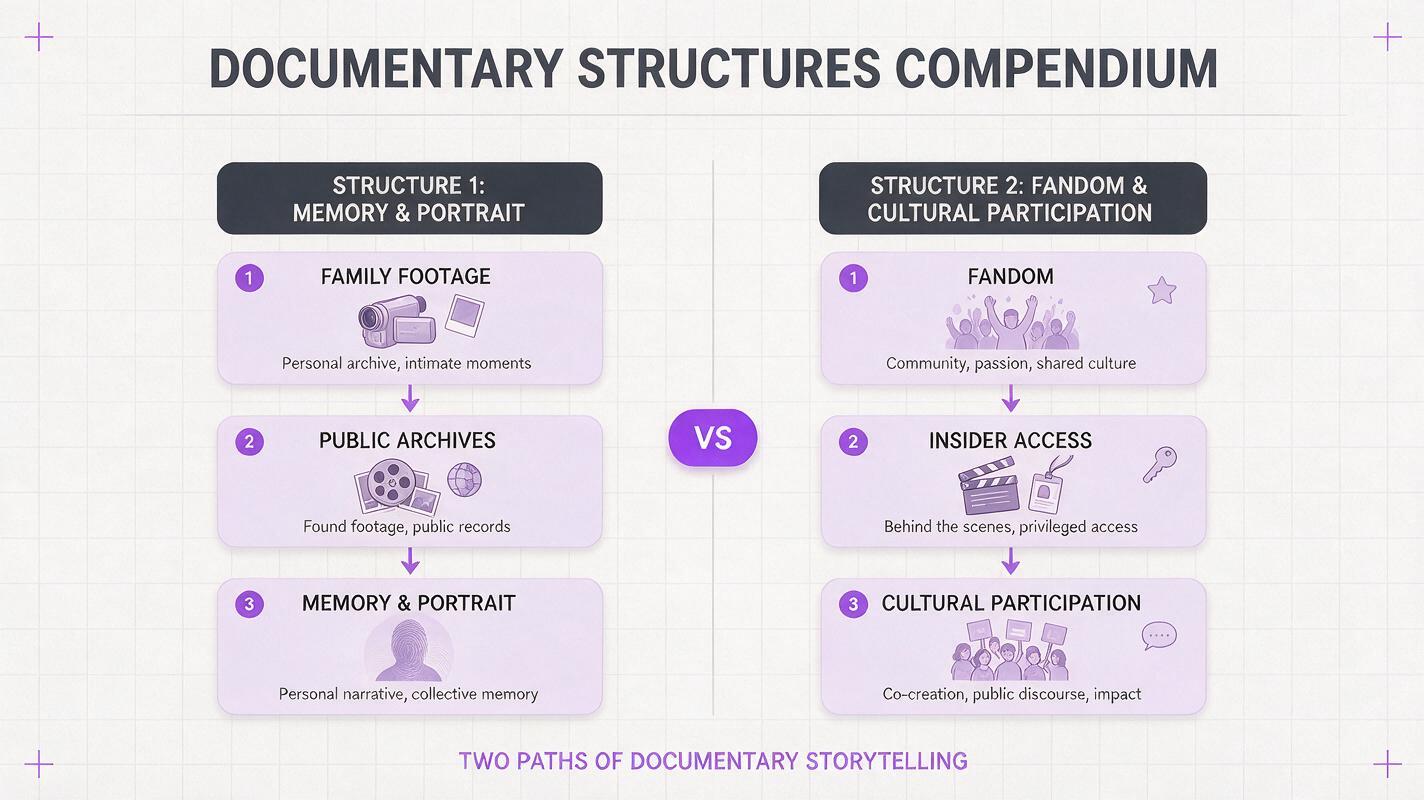
The films occupy different entertainment territories, but their narrative engines are complementary. Norm is anchored by material preserved over time. The Disciple is anchored by an individual’s unusual relationship to a famous cultural institution. In both cases, the documentary premise can be expressed clearly without reducing the subject to a broad biography.
That clarity is valuable in a crowded streaming environment. A project needs a recognizable subject, but it also benefits from a concise answer to a more important question: why is this particular film the right way to tell the story? Here, the answers are family footage in one case and an insider journey in the other.
What This Pairing Means for AI Film Development
AI tools can assist with visual development, but they should not replace the authentic evidence at the center of nonfiction work. Archive-led documentaries depend on responsible handling of real material, while participant-led films depend on accurately representing the person’s perspective. AI film development is most useful around that factual core: exploring structure, visual continuity, pitch materials and clearly identified illustrative sequences.
A team developing an original music, comedy or cultural documentary could begin by separating its assets into distinct narrative roles:
- Evidence: authentic footage, photographs, recordings and documents that establish the factual story.
- Perspective: the individual or relationship through which the audience experiences the subject.
- Context: supporting information needed to understand the wider cultural setting.
- Visual bridges: transitions, maps, timelines or illustrative imagery that connect verified material without pretending to be archival evidence.
For visual bridges and concept testing, an ai video generator can help filmmakers explore mood and continuity before production. Any generated sequence used in a nonfiction context should remain clearly differentiated from genuine archive so the audience is not misled about what is historical material.
MagicBoat as a Visual Development Workspace
MagicBoat brings multiple creation capabilities into one account, helping teams move between story development and visual experimentation without treating every creative task as a separate production pipeline. That can be useful when a documentary pitch needs a coherent visual language before all final footage has been licensed, scanned or edited.
For an archive-centered concept, a filmmaker might visualize the rhythm between interview passages, personal artifacts and contextual transitions. For a participant-centered story, the same workspace can help map the central character’s changing relationship to a larger institution or community. These are planning uses: the project’s factual claims still need to come from verified footage, records and testimony.
The Netflix pairing also suggests that AI short drama and nonfiction development share one important principle. Both become stronger when they have a precise point of view. Technology can accelerate images and drafts, but it cannot substitute for deciding whose story is being told and why that perspective deserves attention.
Editorial Takeaways
- Netflix’s weekend documentary pairing includes Norm: The Tale of Norm Macdonald and The Disciple: A Wu-Tang Fable.
- Norm is built from archival material and footage from Macdonald’s family.
- The Disciple follows Cilvaringz’s path from Wu-Tang fan to an inside connection associated with Once Upon a Time in Shaolin.
- Both films demonstrate the value of a specific access point rather than an overly broad subject survey.
- AI can support storyboarding and visual development while authentic records remain the factual foundation of documentary work.
- To explore visual approaches for an original nonfiction or entertainment project, try these models for free.
Keywords
netflix documentaries, norm macdonald documentary, the disciple wu-tang, once upon a time in shaolin, ai content creation, ai film, documentary storytelling