Norm Macdonald and Wu-Tang Documentaries Join Netflix Weekend Slate
Netflix’s weekend documentary slate pairs “Norm: The Tale of Norm Macdonald,” built from archival and family footage, with “The Disciple: A Wu-Tang Fable,” which follows fan Cilvaringz inside the Wu-Tang story surrounding “Once Upon a Time in Shaolin.” The contrasting projects show how personal archives and unusual access can give nonfiction storytelling a distinct identity.
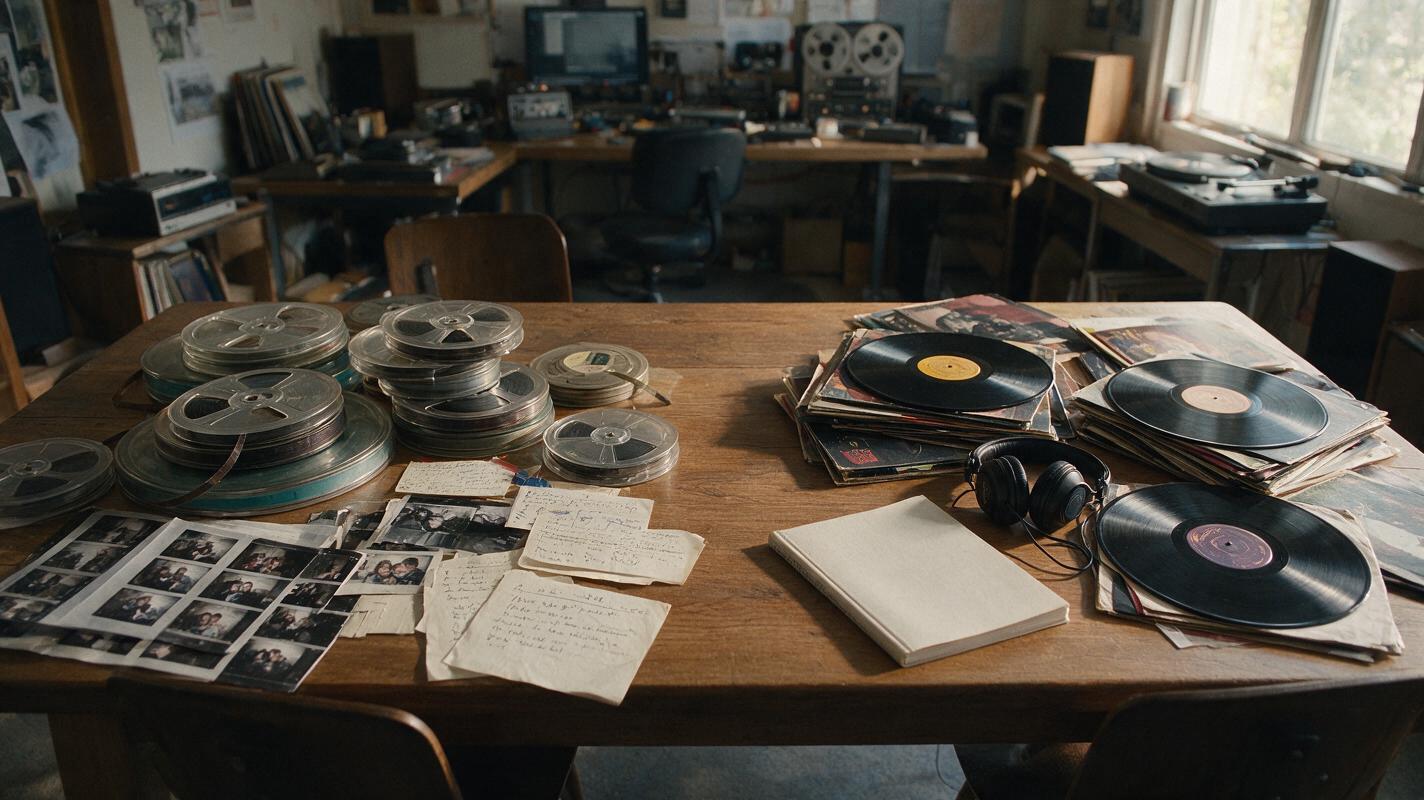
Table of contents
Netflix Pairs Two Different Forms of Cultural Memory
Netflix’s weekend documentary lineup includes two nonfiction projects built around highly recognizable cultural subjects but told from notably different points of view. “Norm: The Tale of Norm Macdonald” draws on archival material and footage supplied by Macdonald’s family, creating a documentary foundation rooted in both public history and private memory.
The second title, “The Disciple: A Wu-Tang Fable,” approaches music history through fan Cilvaringz and his position inside the world of Wu-Tang. The documentary is connected to “Once Upon a Time in Shaolin,” giving it a specific narrative anchor within the broader Wu-Tang story rather than presenting a general survey of the group.
Together, the two Netflix documentaries demonstrate how nonfiction projects can distinguish themselves through source material. One gains intimacy from family footage, while the other gains narrative tension from a fan’s unusual proximity to a major music story. For independent filmmakers, that contrast is a reminder that the strongest documentary concept is often defined by access, perspective and the material available to support it.
“Norm: The Tale of Norm Macdonald” Builds From Personal Archives
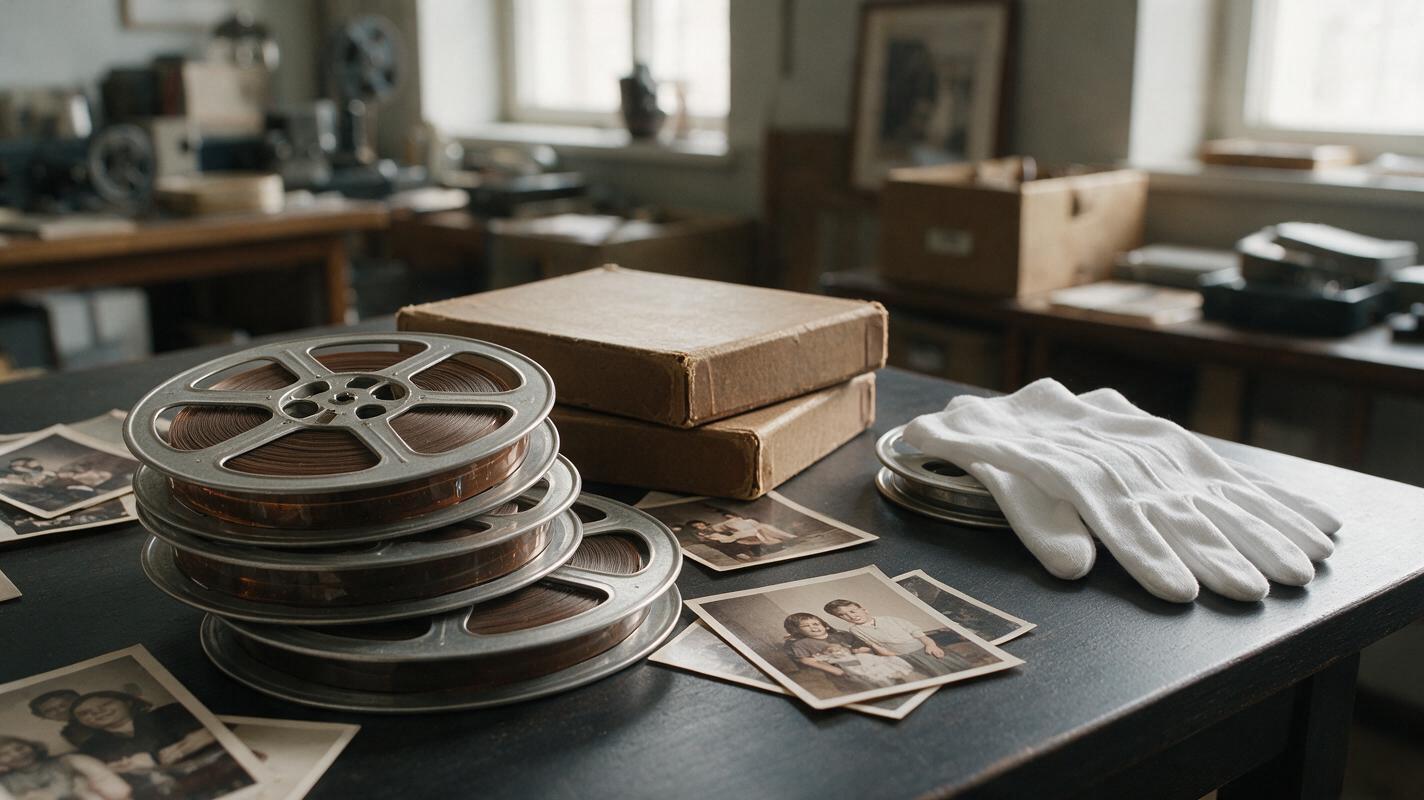
The defining detail behind “Norm: The Tale of Norm Macdonald” is its combination of archive and family footage. That mix can create two complementary views of a public figure: the familiar image preserved through an established career and a more personal record retained outside the public spotlight.
Archive-led storytelling depends on selection and arrangement. Existing footage may span different periods, settings and visual formats, so meaning emerges from how those fragments are placed in conversation. A public appearance can establish context, while a family recording can shift the emotional register without requiring the documentary to manufacture a new event.
The material available to a documentary is not merely evidence. It can determine the film’s voice, structure and emotional distance from its subject.
The title also signals a biographical frame by presenting the project as Macdonald’s “tale.” That framing leaves room for a portrait assembled from multiple kinds of records rather than a single uninterrupted account. The result is a useful creative model for anyone considering an archive-centered film: the central question is not how much footage exists, but what relationship the footage creates between the audience and the person being remembered.
“The Disciple: A Wu-Tang Fable” Uses an Insider-Fan Perspective
“The Disciple: A Wu-Tang Fable” begins from a different source of authority. Its central figure, Cilvaringz, is identified as a fan who moved inside Wu-Tang’s orbit, and the documentary connects his story with “Once Upon a Time in Shaolin.” That gives the film a perspective shaped by movement between admiration and access.
This is more specific than a conventional music retrospective. Instead of attempting to summarize an entire cultural legacy, the documentary can organize attention around one person’s proximity to it and one recognizable episode. The word “fable” in the title further suggests that the project is presenting a shaped narrative about ambition, entry and participation rather than promising a purely chronological account.
For nonfiction storytellers, the underlying lesson is the value of a clearly defined point of view. A large subject such as Wu-Tang can produce countless possible films. Centering Cilvaringz and the connection to “Once Upon a Time in Shaolin” provides a narrower route through that material and gives viewers a human position from which to encounter it.
Why the Pairing Works as a Netflix Documentary Slate
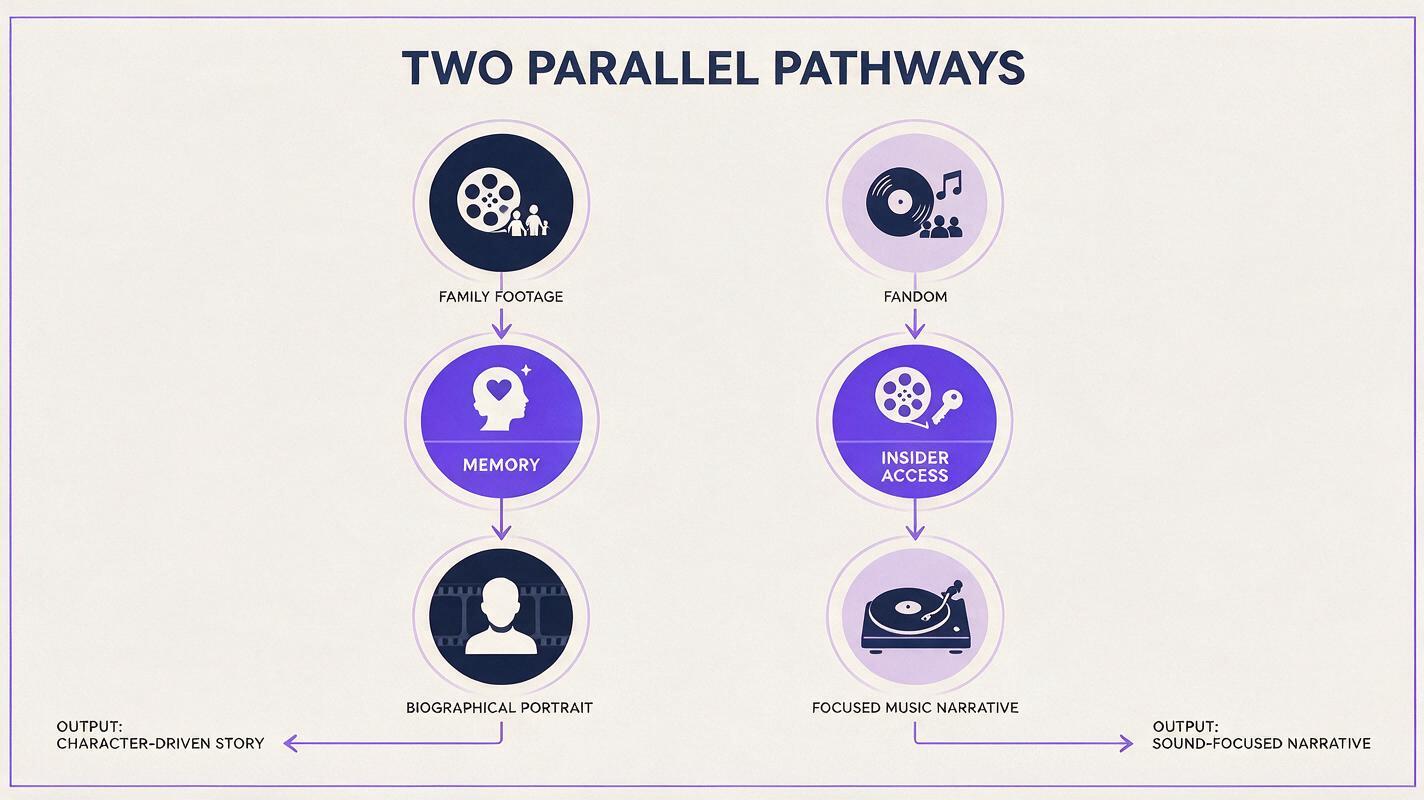
The two releases share a reliance on real cultural history, but their storytelling assets are different enough to avoid feeling interchangeable. “Norm: The Tale of Norm Macdonald” is distinguished by archival and family footage. “The Disciple: A Wu-Tang Fable” is distinguished by Cilvaringz’s fan-to-insider perspective and its link to “Once Upon a Time in Shaolin.”
| Documentary | Primary narrative asset | Creative emphasis |
|---|---|---|
| Norm: The Tale of Norm Macdonald | Archive and family footage | Memory, biography and personal access |
| The Disciple: A Wu-Tang Fable | Cilvaringz inside the Wu-Tang story | Fandom, proximity and a focused music narrative |
That contrast makes the weekend pairing instructive. Documentary audiences are not being offered two projects differentiated only by subject. They are being offered two different relationships to source material: preserved images from a life and firsthand proximity to a cultural story.
This distinction matters in a crowded streaming environment. A nonfiction title benefits from a concise reason to exist. Family-held recordings answer that question for the Macdonald documentary. Cilvaringz’s unusual position answers it for the Wu-Tang film.
What This Means for AI Content Creation
Independent creators may not possess celebrity archives or access to a major music group, but the same editorial principles can guide original AI content creation. A project becomes more coherent when its makers identify the material, viewpoint and central tension before producing visuals.
An archive-inspired AI film might be organized around changes in place, memory or family perspective. A music-centered fictional piece might follow an outsider entering an influential artistic circle. These should remain original stories rather than imitations of the Netflix documentaries, but their structural logic can inform development.
MagicBoat’s ai script generator can support early narrative planning, including the organization of scenes around a consistent viewpoint. Its ai film generator can then help translate an original concept into a visual project within one creative environment.
Access Can Become a Story Structure
When planning an AI film or AI short drama, creators can treat access as a dramatic variable. A character may begin outside a community, gain entry and discover that proximity changes the meaning of what they admired. Alternatively, a story may begin with private recordings that gradually revise the audience’s understanding of a public identity.
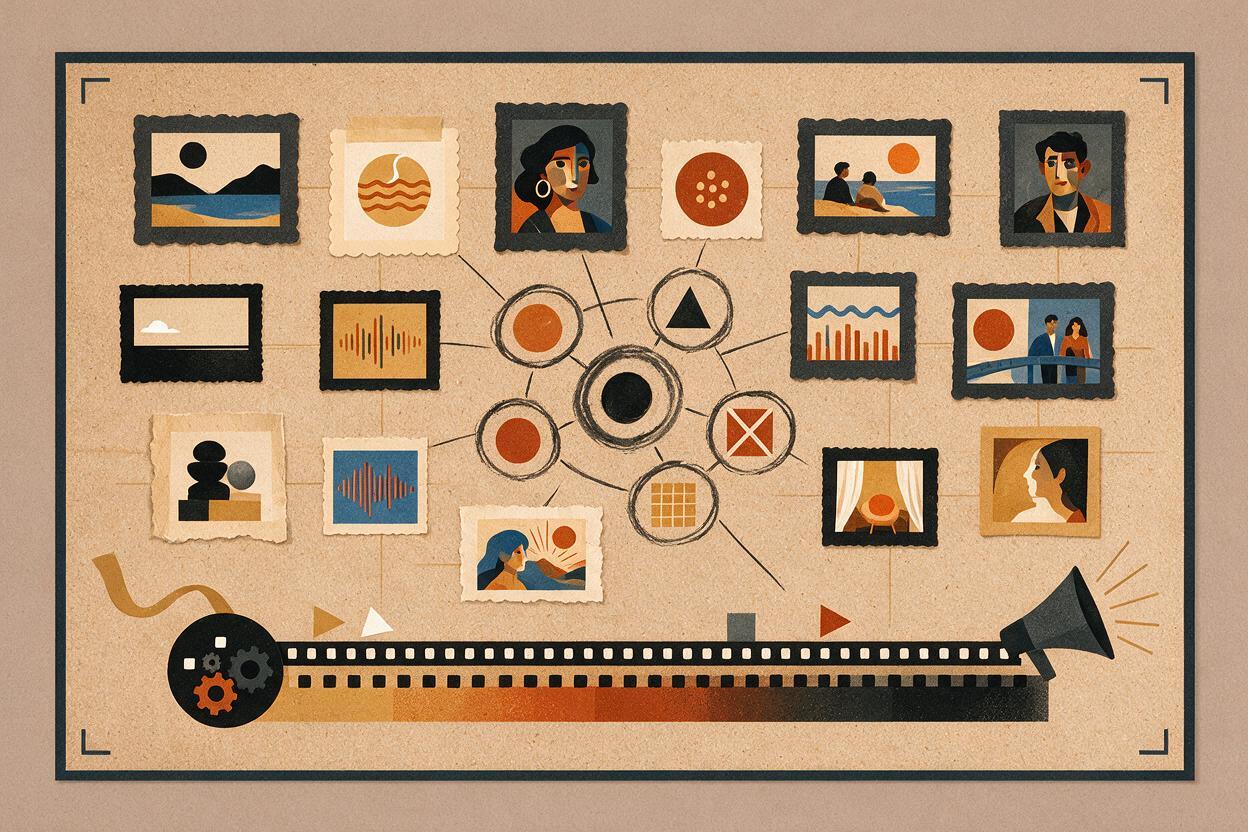
These are broad narrative patterns rather than claims about either documentary’s full plot. Their value lies in helping creators move beyond a collection of disconnected images. Each scene should reveal something that the previous material could not: a new context, a more intimate perspective or a change in the character’s relationship to the subject.
Source Material Should Shape the Visual Language
Archive-oriented projects can benefit from deliberate visual categories. Public moments, private memories and reflective transitions should be easy to distinguish while remaining part of one world. Music-centered narratives can likewise separate the viewpoint of the audience, the participant and the cultural institution around them.
AI video tools can assist with visual exploration, but editorial consistency remains essential. Repeated locations, controlled transitions and a defined point of view are more valuable than unrelated spectacle. The technology serves the narrative most effectively when every generated scene has a clear role.
The Larger Documentary Lesson
Netflix’s pairing of “Norm: The Tale of Norm Macdonald” and “The Disciple: A Wu-Tang Fable” highlights two durable ways to approach cultural nonfiction. A filmmaker can uncover intimacy through personal records, or create focus through a participant whose access opens a distinctive route into a much larger subject.
Neither approach depends solely on the fame of the people involved. The storytelling proposition comes from the relationship between subject and material. Family footage changes the texture of a biographical portrait. A fan positioned inside a famous music story changes the perspective from which that story can be told.
For emerging filmmakers, the useful question is therefore not simply, “Who is this about?” It is also, “Why can this story be told from this particular viewpoint?” A precise answer can guide scripting, visual development, editing and promotion.
Final Checklist
- Define the access: Identify what material or viewpoint makes the project distinctive.
- Choose a narrative center: Build around one person, relationship or cultural episode rather than an unfocused subject.
- Separate visual modes: Give public history, private memory and reflection recognizable visual identities.
- Protect originality: Use structural inspiration without copying real people, footage or established properties.
- Maintain continuity: Ensure every scene advances the same central perspective.
- Develop the concept: try these models for free and explore how an original documentary-inspired idea can become a cohesive AI video.
Keywords
norm macdonald documentary, wu-tang documentary, netflix documentaries, the disciple, once upon a time in shaolin, ai content creation, ai film