NVIDIA Unveils Nemotron 3.5 Super VL and Bolt Local-Agent Models
NVIDIA reportedly unveiled the Nemotron 3.5 Super VL and Bolt local-agent models on October 19, 2026, expanding its portfolio of vision-language and edge AI offerings. Key details including pricing, availability, benchmark scores, and exact capabilities remain unconfirmed in initial headline-level reports. The launch adds to a fast-growing ecosystem of AI tools, giving creators more options for both cloud-based and on-device content workflows.
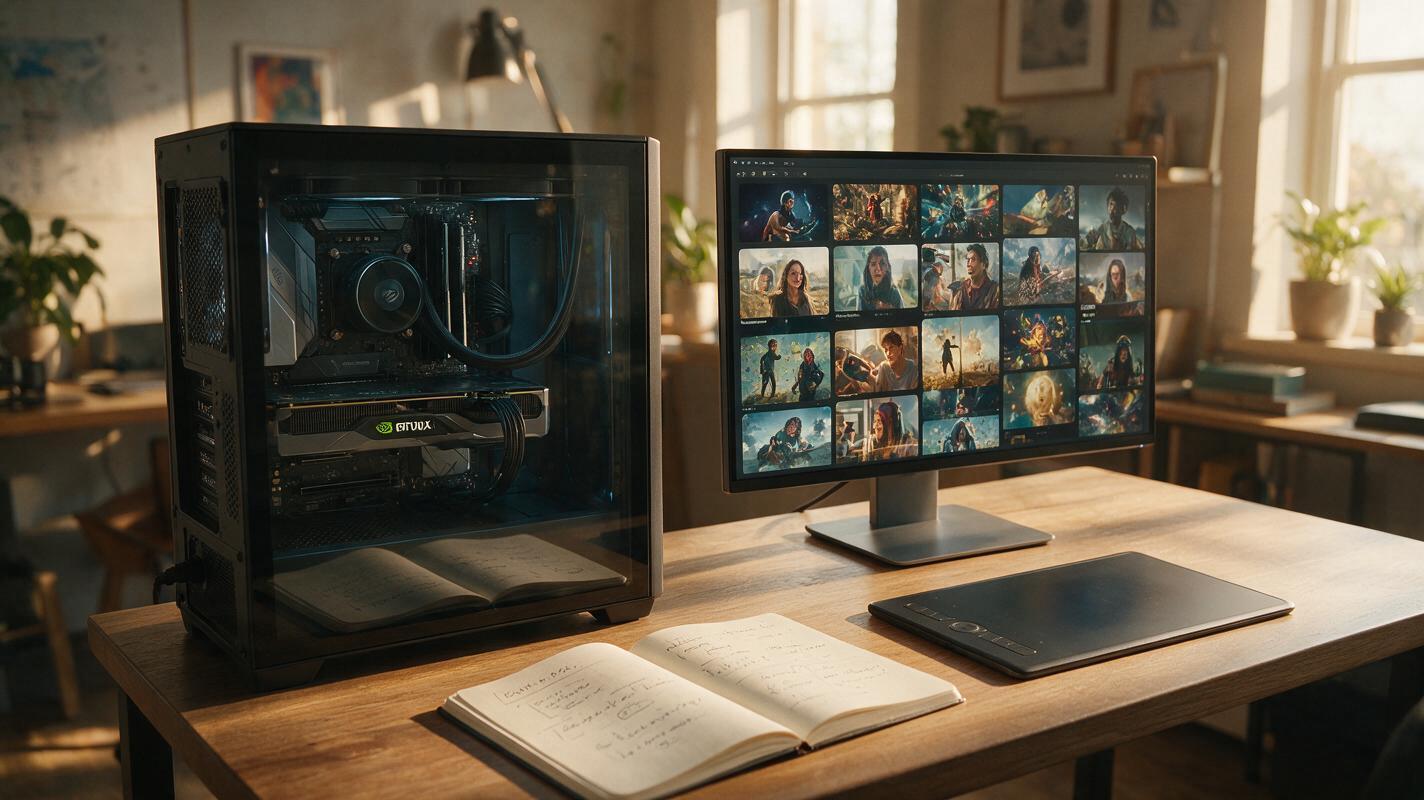
Table of contents
NVIDIA’s October 2026 Model Reveal: Nemotron 3.5 Super VL and Bolt Local-Agent Models
On October 19, 2026, NVIDIA reportedly unveiled two new AI models as part of its expanding frontier AI portfolio: the Nemotron 3.5 Super VL and the Bolt local-agent model. The announcement, part of a broader wave of fall 2026 AI product launches, adds two distinct offerings to NVIDIA’s lineup: a vision-language model under the Nemotron brand, and a local-agent model designed to run agentic workflows on edge or on-premises hardware.
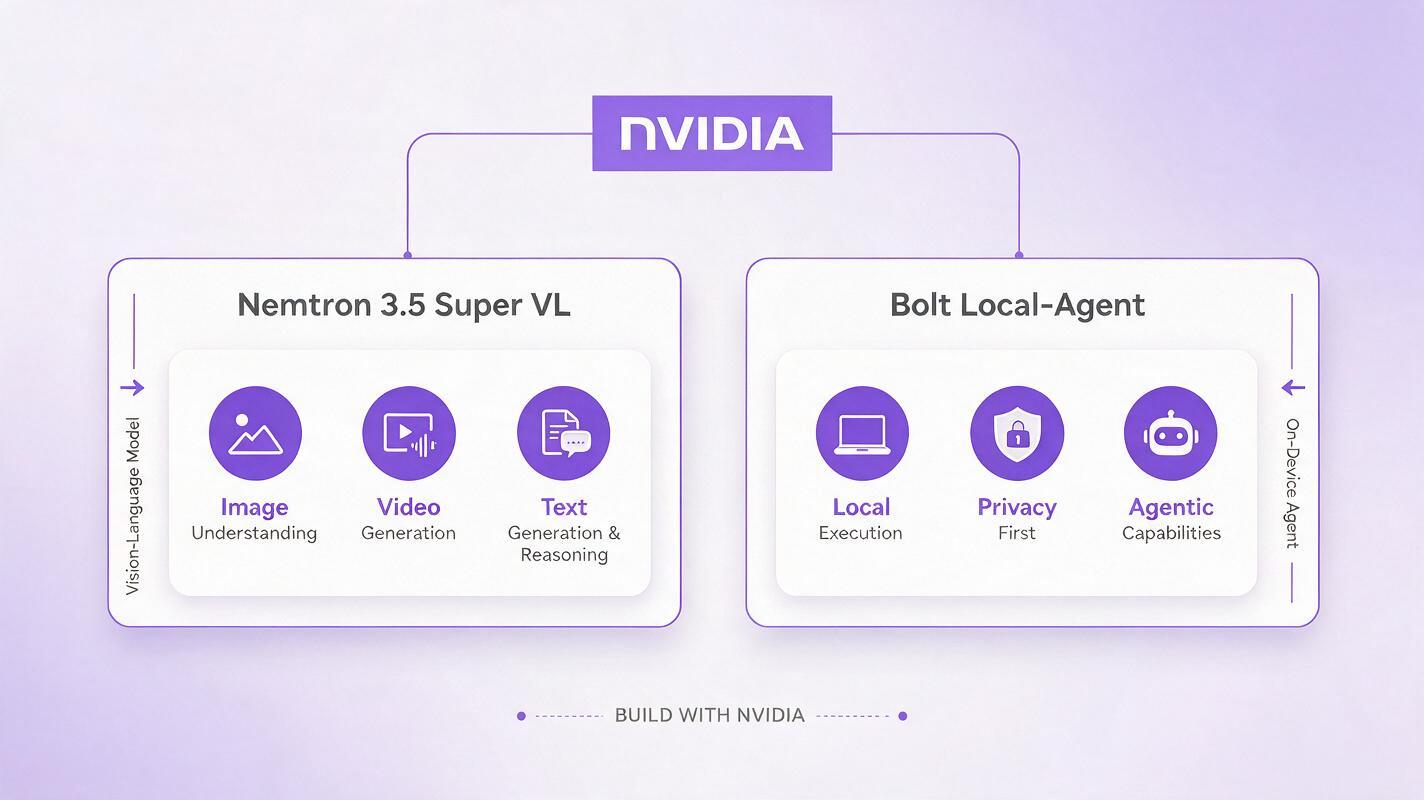
As of initial reports, key details about both models remain unconfirmed. No official pricing, availability timeline, benchmark scores, model parameter counts, or exact capability specifications have been disclosed in the initial headline-level coverage. The “Super VL” designation suggests the Nemotron 3.5 variant is focused on vision-language tasks, while the “Bolt” name and local-agent labeling point to a model optimized for fast, on-device agentic operations rather than cloud-only deployment.
The launch comes amid a broader industry shift toward both larger multimodal frontier models and smaller, locally deployable AI tools, as organizations and creators seek to balance performance with privacy, cost, and latency control.
The Growing Demand for Local-Agent and Vision-Language AI
Two of the fastest-growing segments of the AI tool market in 2026 are local-agent models and advanced vision-language systems, and NVIDIA’s dual launch targets both trends directly. Local-agent models, which can run on user hardware rather than relying on remote cloud servers, offer several key advantages: lower latency for real-time tasks, greater data privacy for sensitive projects, and reduced dependency on internet connectivity or cloud service uptime.
Vision-language models, meanwhile, have become foundational for AI content creation workflows, powering everything from image generation and editing to video understanding and multimodal content analysis. For creators, these models bridge the gap between text-based prompts and visual output, enabling more intuitive control over generated assets.
The combination of a high-end vision-language model and a local-agent offering in the same announcement suggests NVIDIA is positioning itself to serve both cloud-based frontier use cases and edge-deployed, privacy-focused workflows—a dual strategy that aligns with recent moves from other major AI providers.
What This Means for AI Content Creators
For independent creators and small content teams, the expansion of NVIDIA’s AI model lineup brings both opportunities and practical considerations. More model options mean more flexibility to choose tools that fit specific project needs, whether that’s generating high-quality visual assets, automating repetitive editing tasks, or running agentic workflows without uploading sensitive content to third-party cloud servers.
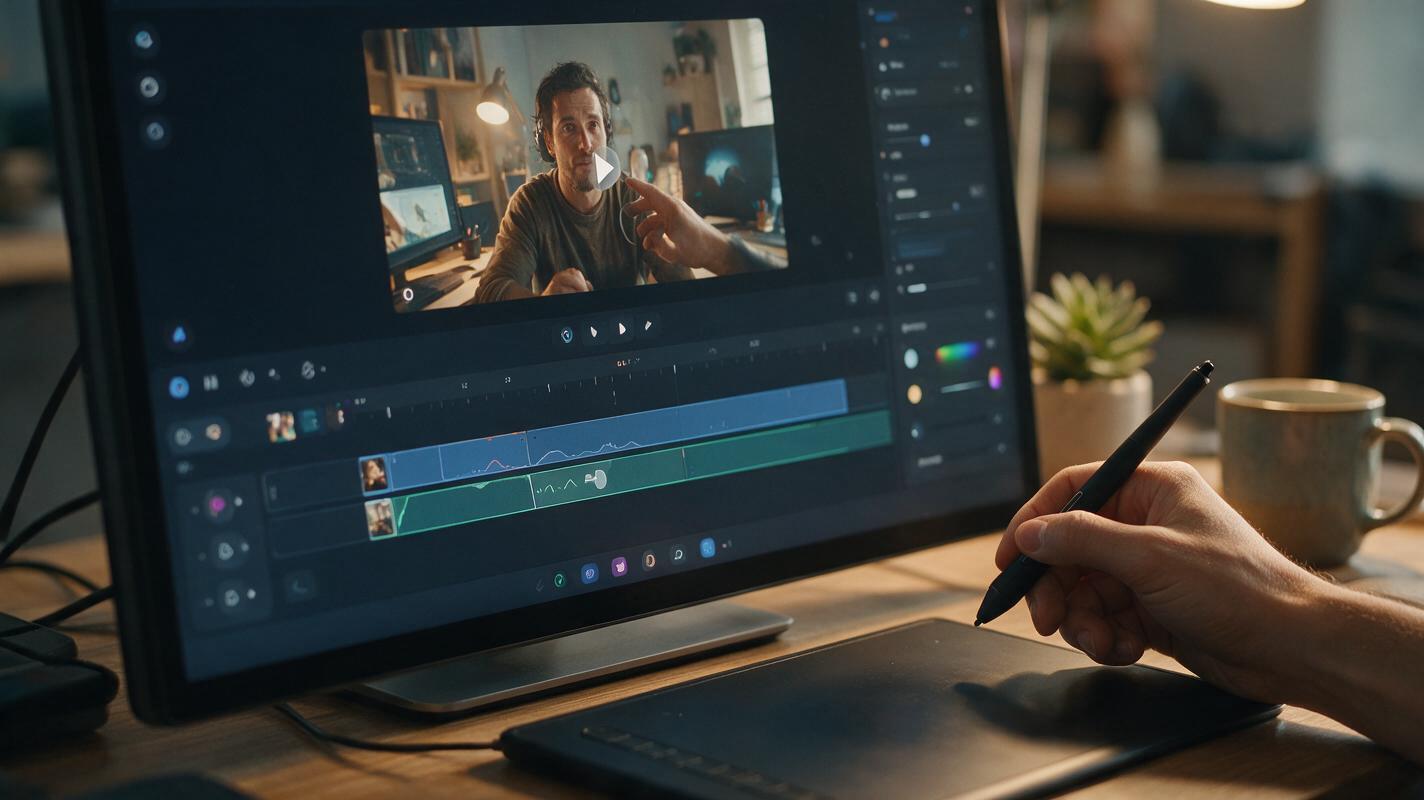
An ai video generator or ai image generator built on top of diverse model backends can leverage new vision-language models like Nemotron 3.5 Super VL to improve output quality, while local-agent models could eventually power on-device editing assistants that work with local files without internet access. For creators working on confidential projects or in regions with unstable internet, local-agent tools offer a level of control that cloud-only services cannot match.
At the same time, the rapid pace of new model launches can be overwhelming for creators who don’t have time to test every new release, set up new accounts, or learn new interfaces. Many new models also launch with limited documentation or unclear use cases, making it hard to know which tools are worth integrating into production workflows.
Navigating the Expanding AI Tool Ecosystem
With new models launching nearly every week from providers like NVIDIA, OpenAI, Anthropic, Google, and Meta, creators need a way to cut through the noise and access the tools that matter for their work without juggling dozens of separate subscriptions and accounts.
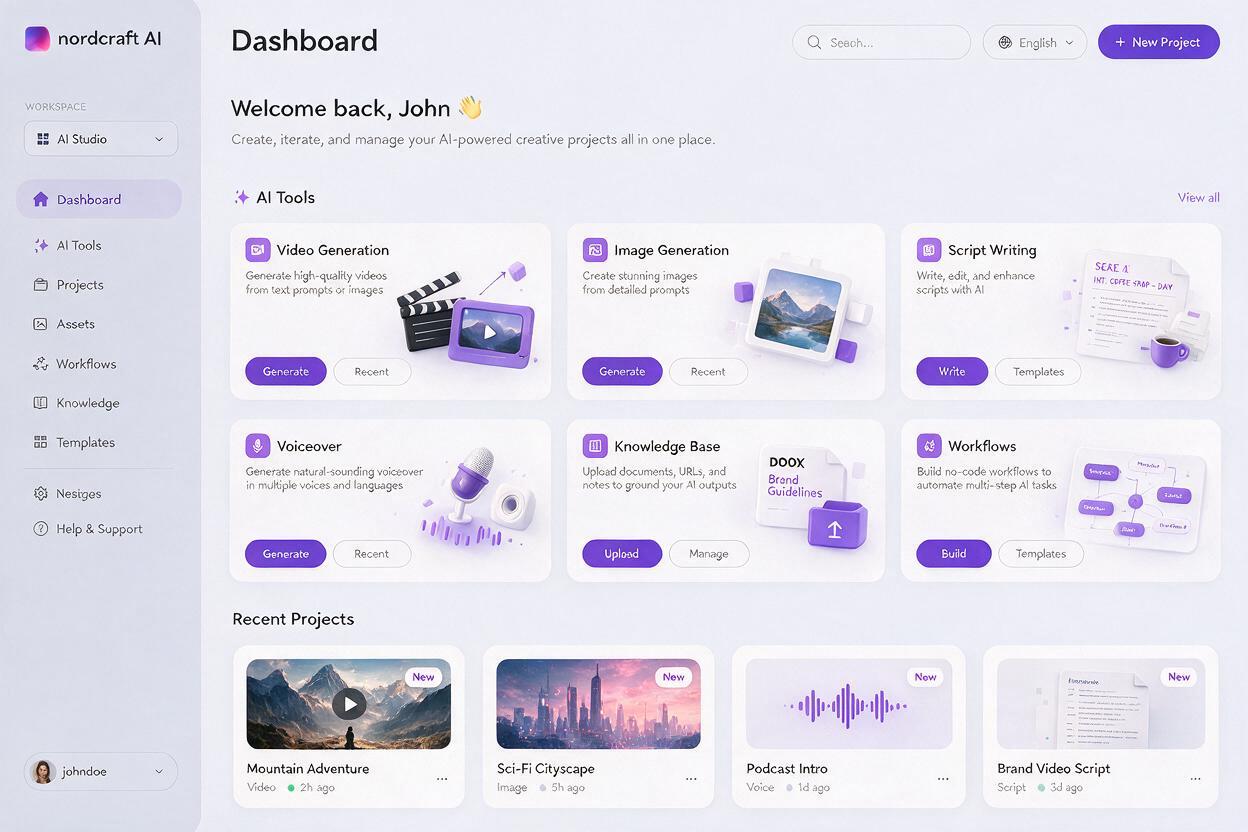
Multi-model AI platforms like MagicBoat solve this problem by bringing a wide range of AI creation tools into a single, unified interface, so creators can test new models, switch between tools, and build production-ready workflows without the hassle of managing multiple provider relationships. Whether you’re working on short-form social media content, long-form video projects, or visual design work, a single platform gives you on-demand access to the latest tools as they become available.
Because MagicBoat integrates tools across text, image, video, audio, and agentic use cases, creators can experiment with new model capabilities as they launch, without committing to new subscriptions or learning entirely new workflows. This flexibility is especially valuable as the AI landscape continues to evolve rapidly, with new model releases and feature updates arriving on a near-daily basis.
You can try these models for free today to see how multi-model AI tools can streamline your content creation workflow.
Key Takeaways
- NVIDIA reportedly unveiled two new AI models on October 19, 2026: the Nemotron 3.5 Super VL vision-language model and the Bolt local-agent model.
- Key details including pricing, availability, benchmarks, and exact capabilities remain unconfirmed in initial reports.
- The dual launch targets two fast-growing AI segments: advanced vision-language models for multimodal tasks and local-agent models for on-device, privacy-focused workflows.
- For creators, more model options mean greater flexibility, but the rapid pace of launches can make it hard to keep up with new tools.
- Multi-model AI platforms help creators navigate the expanding AI ecosystem by providing centralized access to a wide range of tools in one place.
Keywords
nvidia nemotron 3.5, ai news, ai tools, ai video generator, local ai models, bolt agent models, ai roundup