'Once Upon a Time in Harlem' Opens: 1972 Greaves Footage Cut to 100 Min
Edited by David Greaves from his father William Greaves' 1972 Harlem Renaissance footage shot at Duke Ellington's apartment, the documentary 'Once Upon a Time in Harlem' opens via Neon following selections at Sundance and the New York Film Festival. The project condenses four hours of raw archival material into a 100-minute feature, offering intimate access to a focused cultural moment. This piece breaks down key archival storytelling lessons for independent AI content creators building documentary projects with AI film and text to video tools.
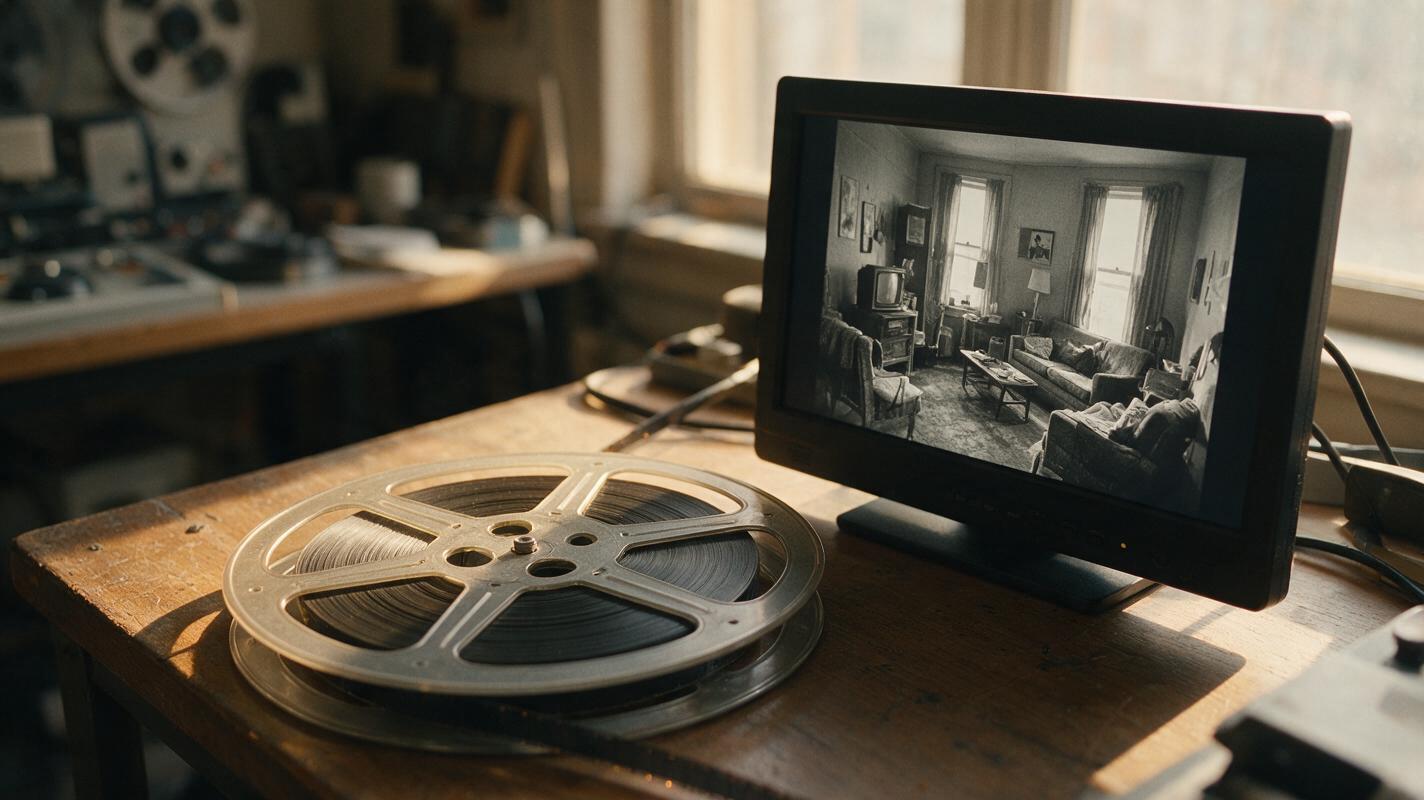
Table of contents
The Story Behind 'Once Upon a Time in Harlem'
The documentary Once Upon a Time in Harlem is opening via distributor Neon, following official selections at the Sundance Film Festival and the New York Film Festival. Edited by David Greaves, the film is built entirely from 1972 Harlem Renaissance-focused footage shot by his father, William Greaves, at Duke Ellington's apartment. The original raw archive spans four hours of uncut material, which the younger Greaves shaped into a tight 100-minute feature, distilling intimate, on-the-ground observations into a focused narrative.
What Sets This Documentary Apart
What makes Once Upon a Time in Harlem particularly notable is its intergenerational creative foundation, as David Greaves draws from his father's 1972 footage to bring a focused cultural moment to modern audiences. The process of condensing four hours of raw archival material into a 100-minute feature requires intentional curation, prioritizing narrative flow and emotional core over exhaustive coverage. The film's acceptance at two of North America's most prestigious film festivals signals strong industry recognition for this approach to archival storytelling.
What This Means for AI Content Creators
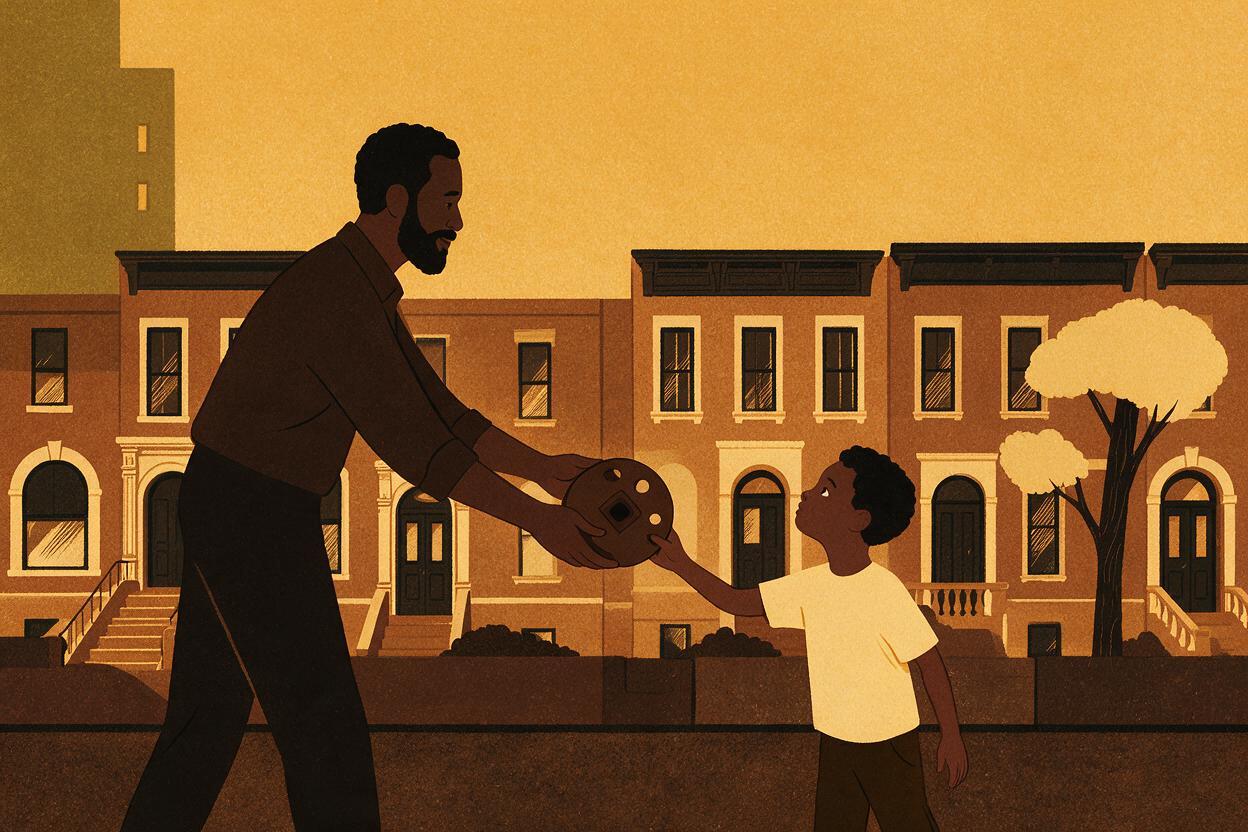
For independent AI content creators, the success of Once Upon a Time in Harlem offers a clear, actionable lesson: compelling documentary storytelling doesn't require seven-figure budgets or access to rare physical archives. The core creative principles behind the film — careful curation of source material, a clear narrative throughline, and a focus on intimate, human moments — translate directly to ai video documentary projects of all lengths and styles. Whether you're building a short-form documentary for social media, a historical deep dive for a niche audience, or a character-driven feature piece, you can use text to video tools to generate period-accurate visuals, pair them with AI voiceover or narration, and stitch the pieces together into a cohesive project without a physical film crew or access to archival footage libraries.
Building Archival-Style AI Film Projects With AI Tools
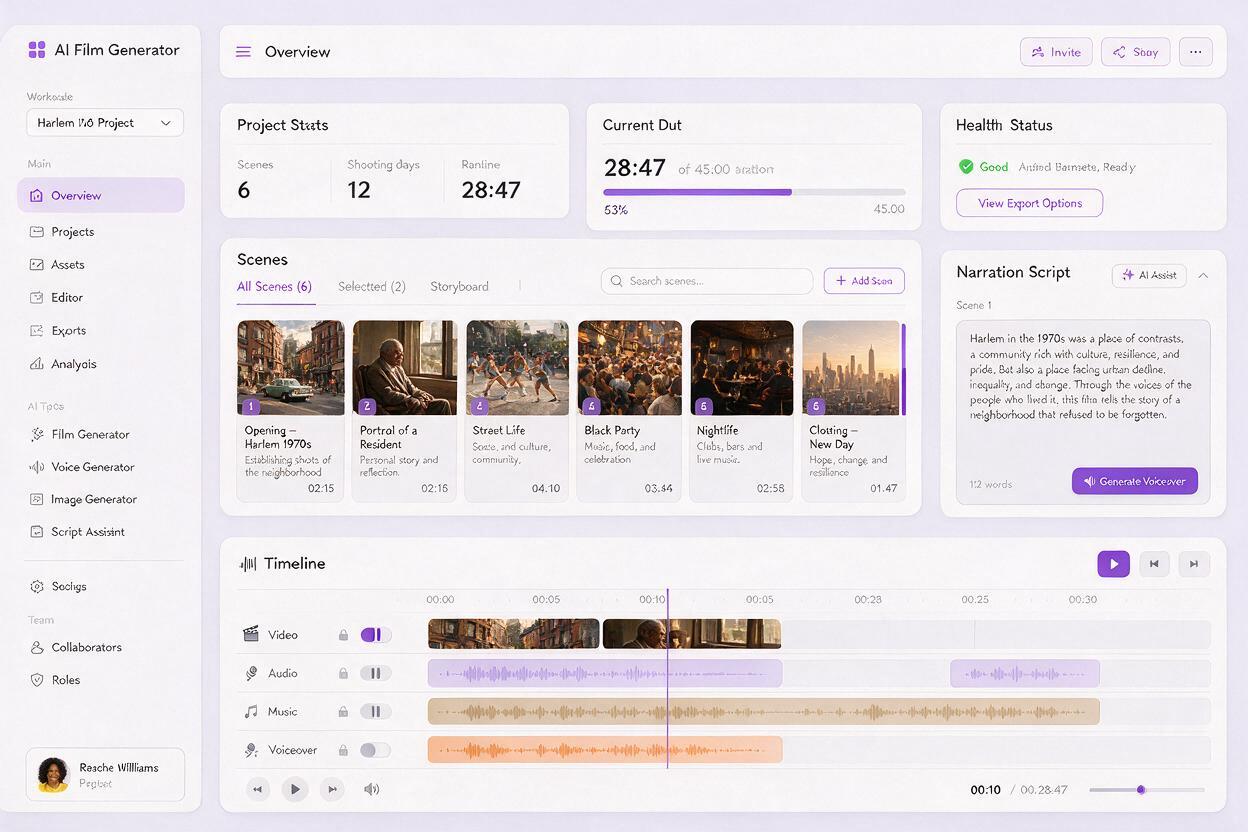
Modern AI tools make it possible to craft documentary-style content that feels as authentic and textured as classic found-footage projects. An ai film generator can help you structure your narrative from a core idea, generate scene-by-scene breakdowns, write narration scripts, and even produce visual assets that match the tone, era, and aesthetic of your chosen subject. For creators working on tight timelines or limited budgets, this means you can test documentary concepts quickly, iterate on edits, and refine your story before investing in any live-action production or expensive archive licensing.
You can also use these tools to create companion content for existing documentaries, fan-made deep dives into undercovered historical moments, or original short-form docs that explore niche cultural topics — much like Once Upon a Time in Harlem shines a light on a lesser-documented piece of Harlem's cultural history. The key is to anchor your project in a clear, specific perspective, rather than trying to cover every detail of a broad topic. This focused approach is what helps small, independent projects stand out amid crowded streaming and festival lineups, just as this Greaves family project has caught the attention of Sundance and NYFF programmers.
Key Takeaways
- Archival storytelling thrives on intentional curation, not exhaustive footage — four hours of raw material can become a tight, impactful 100-minute feature.
- Intergenerational or personal perspective adds unique value to documentary projects, helping them stand out to festival programmers and audiences alike.
- AI tools like text to video and ai film generators make documentary-style content accessible to independent creators without access to physical archives or large production budgets.
- Focusing on a specific, intimate perspective (like a single location or moment) creates more resonant work than broad, unfocused coverage.
Ready to build your own archival-style documentary or narrative film? try these models for free and start bringing your story to life today.
Keywords
once upon a time in harlem documentary, william greaves, harlem renaissance footage, ai film, text to video, ai content creation, archival documentary, ai video