Once Upon a Time in Harlem Opens via Neon
Once Upon a Time in Harlem transforms four hours of William Greaves’ 1972 footage into a 100-minute documentary edited by his son, David Greaves. Its Neon opening and Sundance and NYFF selection spotlight the enduring value of archives, distinctive access and carefully defined editorial perspective.
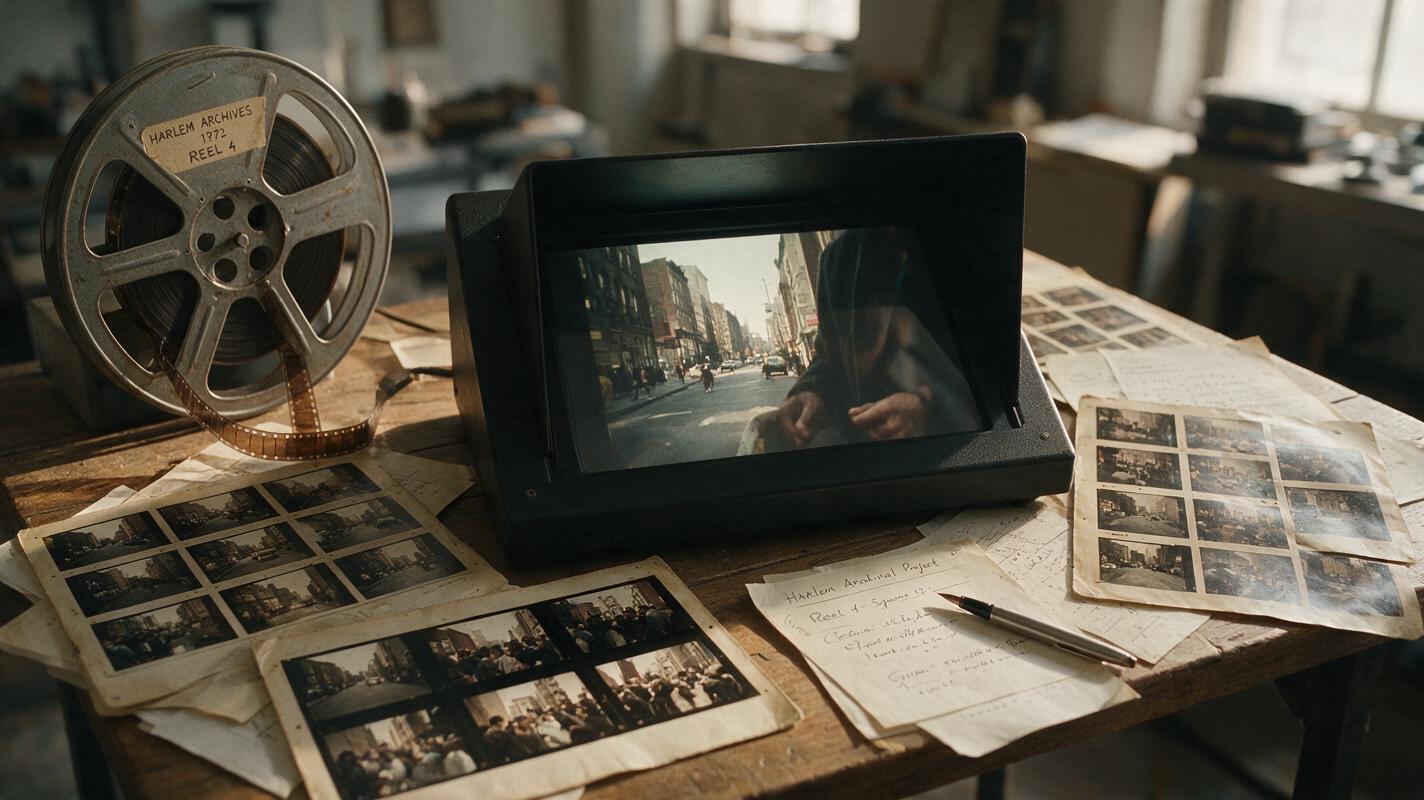
Table of contents
Four Hours of 1972 Harlem Footage Become a 100-Minute Film
Once Upon a Time in Harlem has opened via Neon, bringing rarely seen footage connected to the Harlem Renaissance into theaters. David Greaves edited the documentary from material filmed by his father, William Greaves, in 1972 at an apartment associated with Duke Ellington.
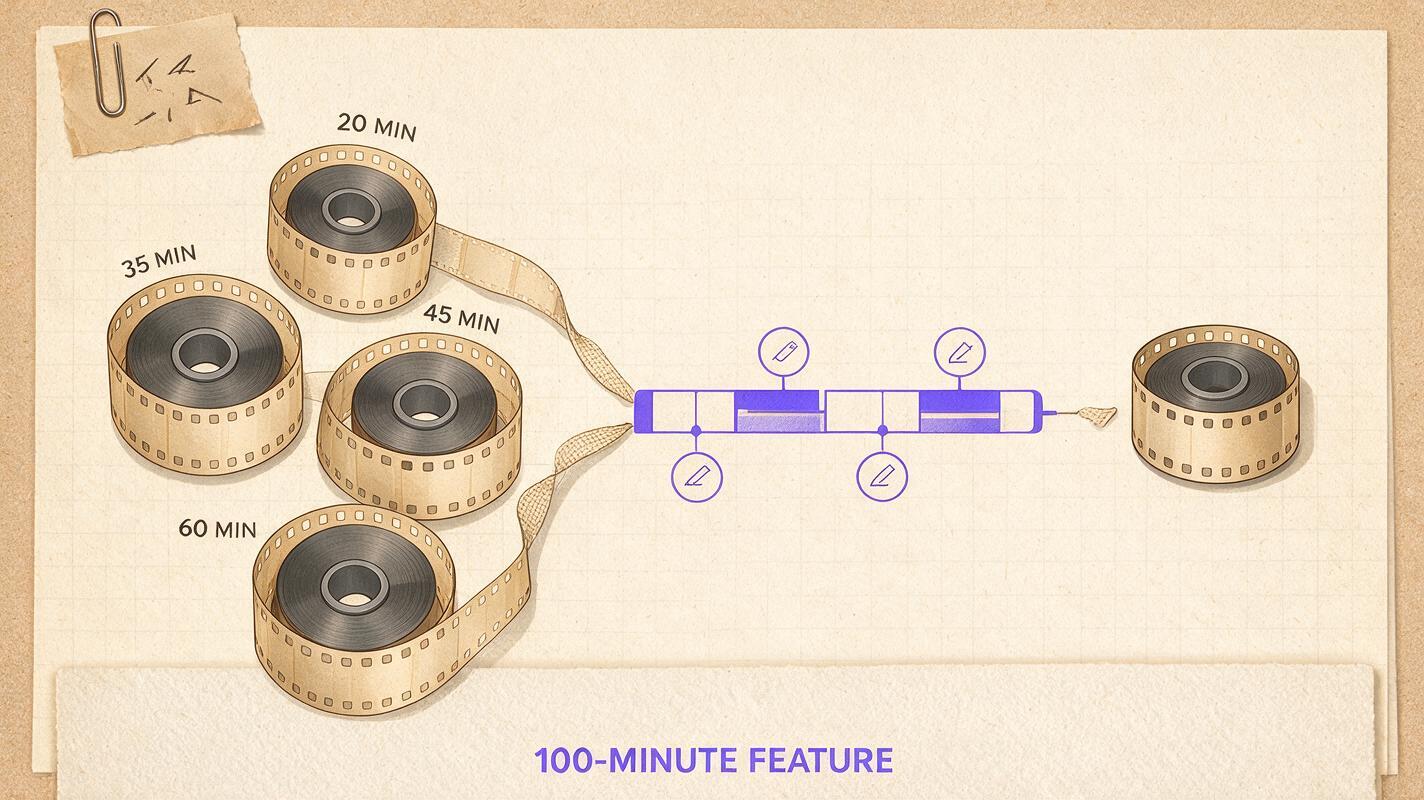
The underlying archive originally ran for four hours. David Greaves shaped that material into a 100-minute documentary, turning an extensive historical record into a focused feature. The film was also selected by Sundance and the New York Film Festival, placing this family-led archival project within two major festival contexts before its Neon opening.
The central story behind the release is therefore inseparable from the way it was made: one generation recorded an extraordinary gathering, while another returned to the footage and determined how it should live as a finished film. For independent filmmakers exploring AI content creation, that editorial transformation is a useful reminder that access to material is only the beginning. Selection, structure and point of view determine whether raw footage becomes a coherent work.
Why the William Greaves Archive Is the Main Attraction
Many documentaries must reconstruct the past through retrospective interviews or secondary material. Once Upon a Time in Harlem begins with footage William Greaves actually captured in 1972. Its setting—an apartment linked with Duke Ellington—and its connection to the Harlem Renaissance give the archive a specific historical and cultural focus.
That specificity matters. “Historical documentary” is broad, but footage tied to a recognizable place, period and cultural movement offers audiences a much clearer reason to pay attention. The film is not being introduced merely as a collection of old images. It is presented through the identity of the people, environment and history preserved inside those images.
A powerful archive gains meaning when the finished film makes clear why this material, this setting and this perspective belong together.
The relationship between William and David Greaves adds another layer. David is not simply assembling anonymous footage. He is editing material filmed by his father, creating a line of authorship that spans generations. That relationship can shape public interest without displacing the documentary’s historical subject.
Editing Four Hours Into 100 Minutes
Reducing four hours of footage to 100 minutes is the film’s clearest measurable editorial decision. The final version retains less than half of the available running time, demonstrating that archival filmmaking depends as much on omission as inclusion.
Every retained passage must contribute to the film’s larger identity. Material may be historically valuable without serving the rhythm or focus of a feature-length documentary. Conversely, a brief exchange, reaction or environmental detail may become essential because it gives the audience context that cannot be supplied elsewhere.
| Editorial element | Known detail | Creative significance |
|---|---|---|
| Source material | Four hours of 1972 footage | A substantial archive requiring strong selection |
| Finished length | 100 minutes | A focused feature rather than a complete chronological record |
| Original filmmaker | William Greaves | The historical footage retains a defined authorial origin |
| Editor | David Greaves | The archive is shaped through a second-generation perspective |
| Release context | Neon, Sundance and NYFF | The project moves from preservation into public exhibition |
This distinction is especially relevant to short-form production. More scenes do not automatically create a stronger AI film. A concise project needs a recognizable premise, a controlled emotional arc and imagery that advances the same central idea.
Festival Selection Gives Archival Material a New Public Life
The documentary’s Sundance and New York Film Festival selections show how archival material can move through contemporary cultural channels. The footage originated in 1972, but the completed film is being introduced to current audiences through festivals and a Neon release.
This creates two complementary frames. The archive supplies historical immediacy, while the modern edit supplies a present-day viewing experience. Festival selection can also help a documentary communicate its identity before wider exhibition: audiences encounter not only the subject but the idea that this material has been deliberately recovered and shaped for the screen.
For original productions, the broader lesson is not that every project needs a festival campaign. It is that presentation context changes how a work is understood. A film can be described through its subject, its unusual source material, its maker’s relationship to that material and the transformation from raw footage to completed narrative.
What This Means for AI-Assisted Filmmaking
Once Upon a Time in Harlem is rooted in real historical footage, not generated imagery. That difference should remain clear. Its release nevertheless offers valuable principles for filmmakers using AI tools to develop fully original work.
An ai film generator can support concept exploration, storyboarding and visual development, but the filmmaker still needs to define the project’s perspective. A creator might begin with an original story about memory, family inheritance or a culturally important gathering without reproducing the people, footage or visual identity of this documentary.
Likewise, text to video can help visualize an original location or mood, yet generated scenes require the same editorial discipline visible in the four-hour-to-100-minute transformation. Images should be retained because they strengthen the narrative, not simply because they are visually attractive.
Build Around a Precise Editorial Question
A productive original concept begins with a focused question. What did one generation preserve for another? How does a room hold cultural memory? What changes when a family member becomes the editor of inherited material? Questions such as these can guide an AI short drama or experimental AI video without copying the documentary’s historical subjects.
Keep Provenance Visible
Archival projects depend on knowing where material came from and who recorded it. AI-assisted productions need comparable clarity inside their own workflows. Filmmakers should distinguish original recordings, licensed assets and generated material so that each element can be reviewed and managed appropriately.
Let Editing Define the Finished Work
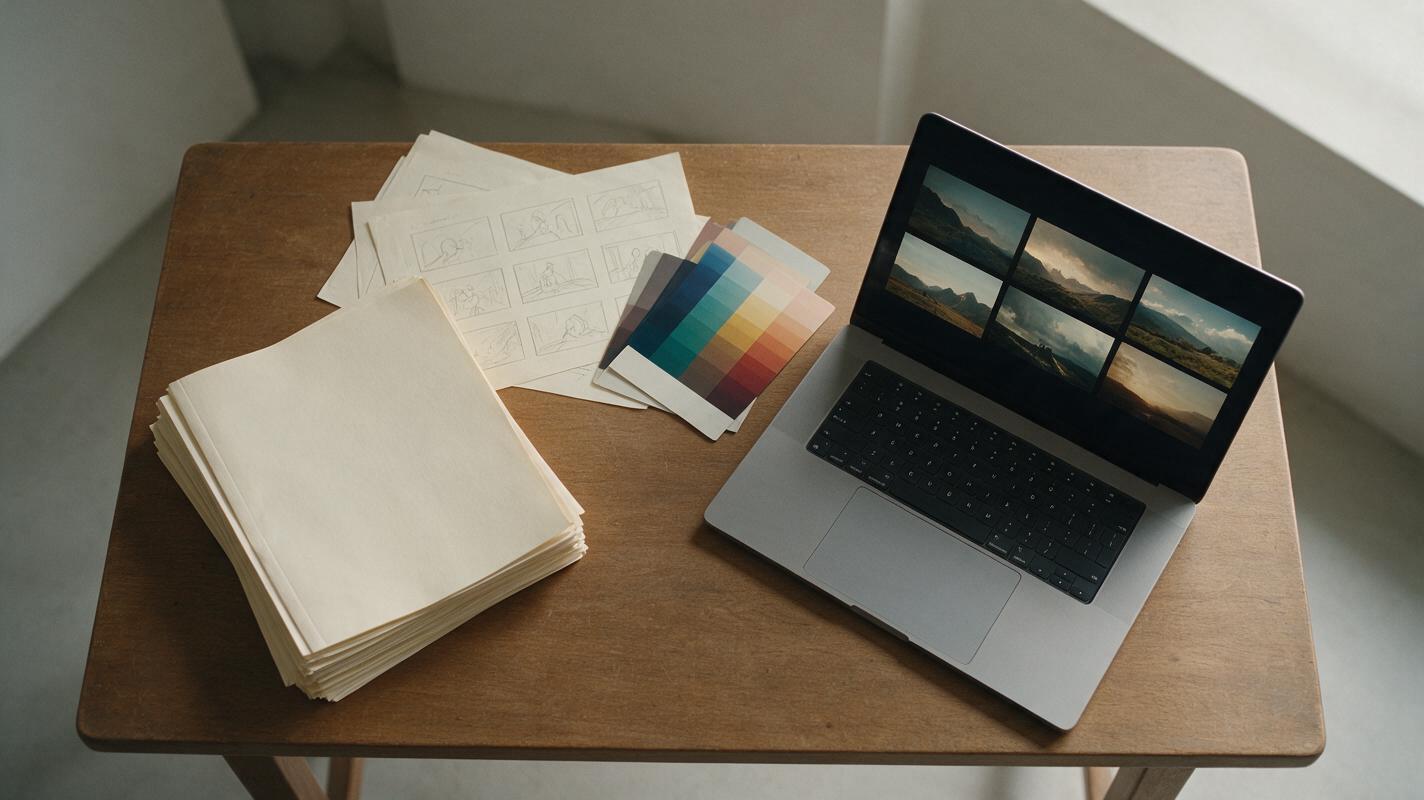
Generation expands the pool of possible images; editing establishes meaning. A useful production process can begin with a broad set of visual possibilities and then narrow them according to narrative purpose, consistency and pacing. MagicBoat brings creative capabilities into one account, allowing filmmakers to explore visual ideas while keeping attention on the final story rather than the volume of generated material.
A Strong Release Story Begins Before the Trailer
The documentary can be summarized through a compact set of concrete facts: William Greaves filmed the source material in 1972, David Greaves edited four hours into 100 minutes, the footage centers on a Harlem Renaissance gathering in a Duke Ellington-associated apartment, and the finished film reached Sundance, NYFF and a Neon opening.
Those facts form a clear publicity narrative because they explain both what viewers will see and why the film exists now. Independent filmmakers can apply the same communication discipline to original AI film projects. Rather than promoting a work only as “made with AI,” they can foreground the premise, central relationship, source of dramatic tension and finished format. Technology supports the production; the story gives audiences a reason to watch.
Key Takeaways
- Once Upon a Time in Harlem opened via Neon after selection by Sundance and the New York Film Festival.
- David Greaves edited four hours of footage filmed by his father, William Greaves, into a 100-minute documentary.
- The 1972 material was recorded at an apartment associated with Duke Ellington and focuses on the Harlem Renaissance.
- The project demonstrates how access, provenance and editorial selection can define an archival documentary.
- AI-assisted filmmakers can adopt its focus and editing discipline while developing independent stories and original imagery.
- To explore visual development for an original project, try these models for free on MagicBoat.
Keywords
Once Upon a Time in Harlem documentary, William Greaves, David Greaves, Harlem Renaissance footage, Neon documentary, Sundance selection, NYFF selection, AI film