Once Upon a Time in Harlem Opens via Neon From 1972 Footage
Neon has opened Once Upon a Time in Harlem, a documentary assembled by David Greaves from footage his father, William Greaves, recorded in 1972 inside Duke Ellington's apartment. The transformation of four archival hours into a 100-minute Sundance and New York Film Festival selection offers a timely lesson in editorial focus for filmmakers exploring AI-assisted production.
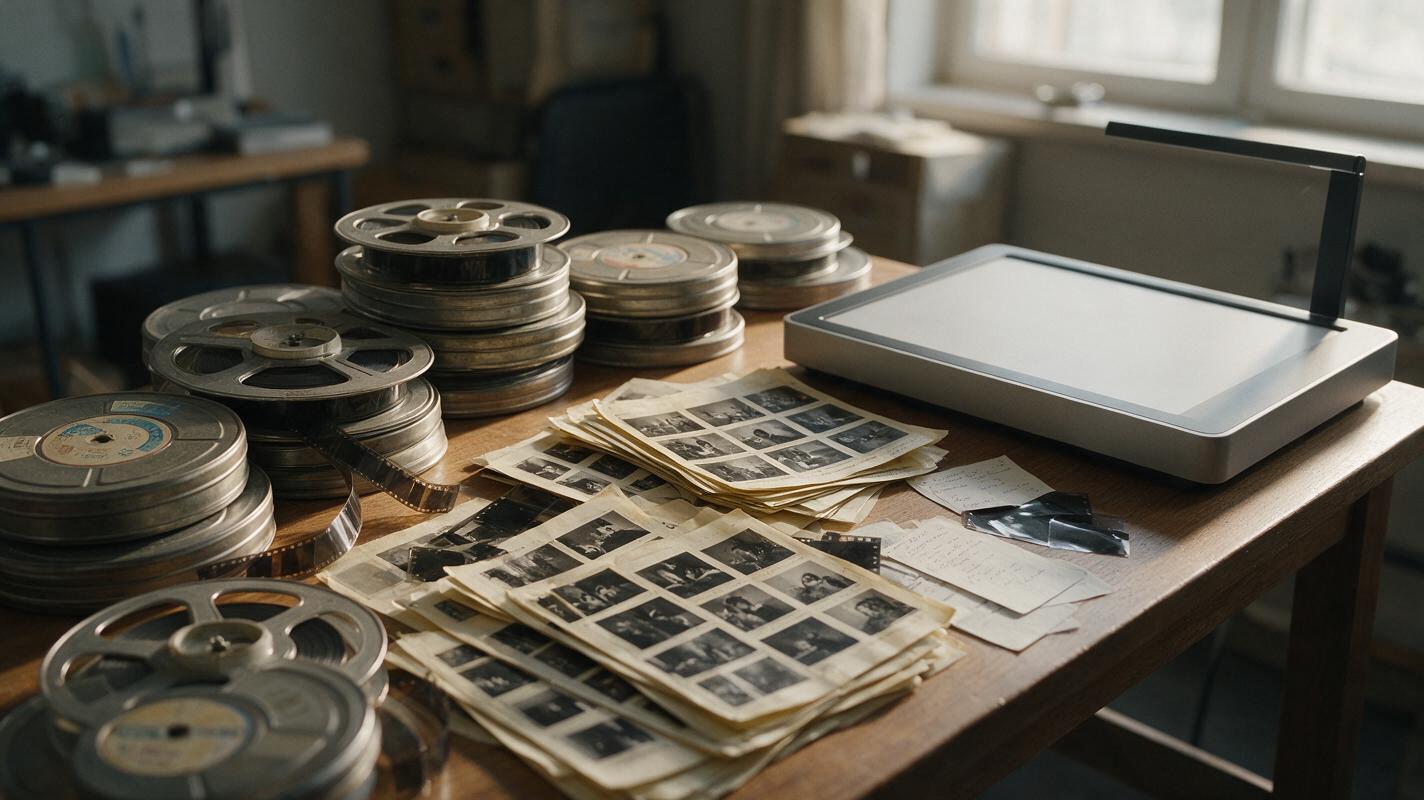
Table of contents
A 1972 Harlem Gathering Becomes a New Documentary
Once Upon a Time in Harlem opened via Neon on October 18, bringing footage recorded more than half a century ago into a new theatrical context. David Greaves edited the documentary from material filmed by his father, William Greaves, in 1972 inside Duke Ellington's apartment, where the setting and participants connected the gathering to the Harlem Renaissance.
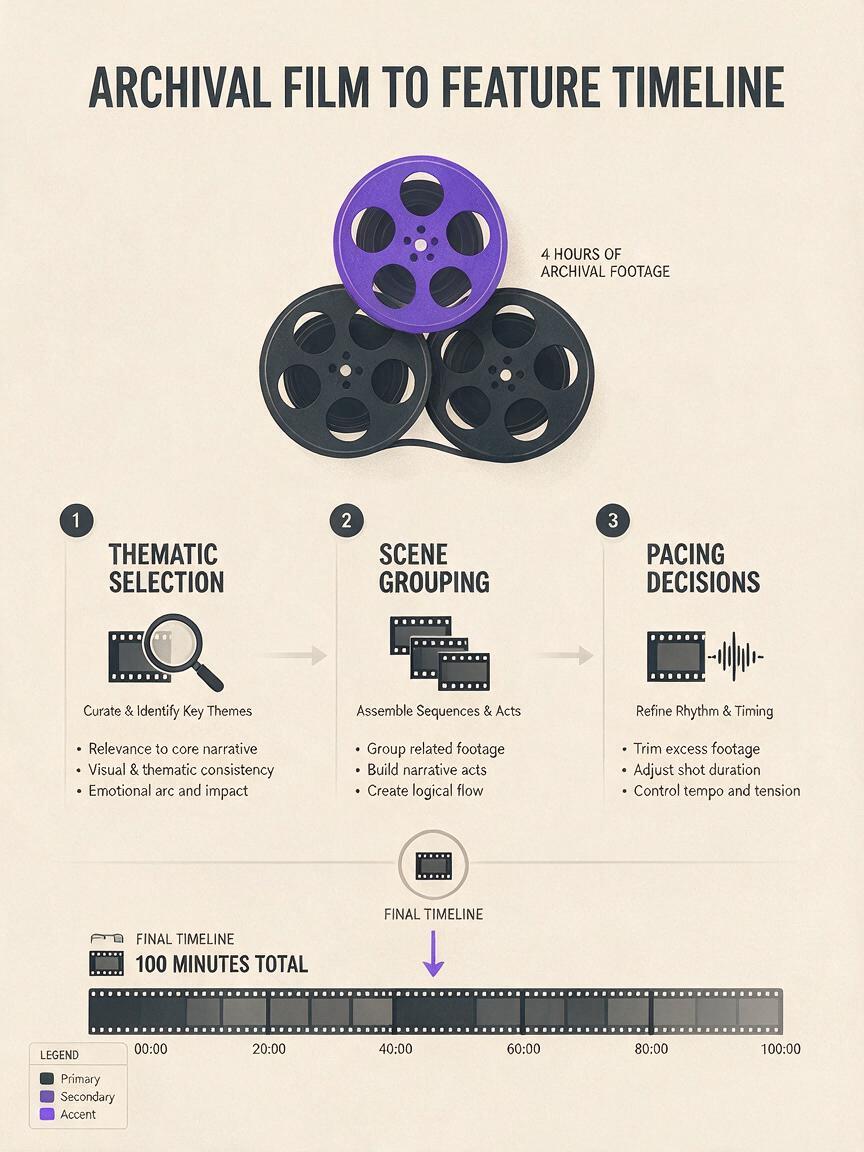
The project began with approximately four hours of footage and became a 100-minute film. That transformation is central to the documentary's identity: rather than simply presenting an untouched historical record, David Greaves shaped the inherited material into a feature-length work for contemporary audiences. The film was also selected by Sundance and the New York Film Festival before its Neon opening.
Its journey demonstrates how archival material can gain new cultural life through focused editing, contextual framing and a clear release strategy. For people working in AI content creation, the relevant lesson is not to imitate this documentary or its historical figures, but to recognize that meaningful filmmaking begins with selecting and organizing the strongest material.
Why the Four-Hour-to-100-Minute Edit Matters
Reducing four hours of footage to 100 minutes required more than compression. It meant deciding which moments could carry the historical atmosphere, which exchanges belonged together and what viewers needed in order to understand the gathering as a coherent film rather than a collection of surviving clips.
The numbers make the editorial challenge tangible. A large majority of the recorded material could not remain in the finished feature. Every retained image therefore had to justify its place through character, context, rhythm or historical value.
A powerful archive is not automatically a powerful film. The finished story emerges from what the editor emphasizes, connects and leaves outside the final cut.
This principle applies beyond documentary work. An ai video project can produce many possible shots, while an ai short drama may generate multiple scenes, character exchanges or visual directions. Volume creates options, but selection creates identity. More material does not remove the need for editorial judgment.
Archival Specificity Gives the Film Its Identity
The documentary's defining elements are unusually precise: footage from 1972, a gathering in Duke Ellington's apartment and a direct relationship to the Harlem Renaissance. Those details provide a sense of place, period and cultural significance that a generic historical treatment could not reproduce.
The father-and-son creative connection adds another layer. William Greaves recorded the original material, while David Greaves shaped it into a 100-minute film decades later. The resulting work links historical documentation with contemporary editorial interpretation without changing the origin of the footage.
| Documentary element | Why it carries weight | Lesson for original projects |
|---|---|---|
| 1972 footage | Establishes a concrete historical period | Define a precise time rather than relying on a vague retro mood |
| Duke Ellington's apartment | Gives the gathering a distinctive physical setting | Use locations that contribute meaning to the narrative |
| Harlem Renaissance context | Connects individual footage to a wider cultural story | Clarify the larger theme surrounding each scene |
| Four hours edited to 100 minutes | Shows the scale of the curatorial decision | Judge material by its role in the finished work, not by the effort used to make it |
For an original ai film, specificity can come from an invented location, a clearly defined era, a recurring visual object or a contained social event. The important distinction is that the project should build its own world rather than reproducing protected footage, recognizable people or the visual identity of an existing documentary.
An Original AI Film Can Apply the Same Editorial Logic
MagicBoat's ai film generator can support original concept development around a contained gathering, a historical atmosphere or a story discovered through recorded fragments. The creative focus should remain on an original premise with fictional characters and newly designed settings.
A useful production brief can identify the story's dramatic center before visual material expands. For example:
Original film concept:
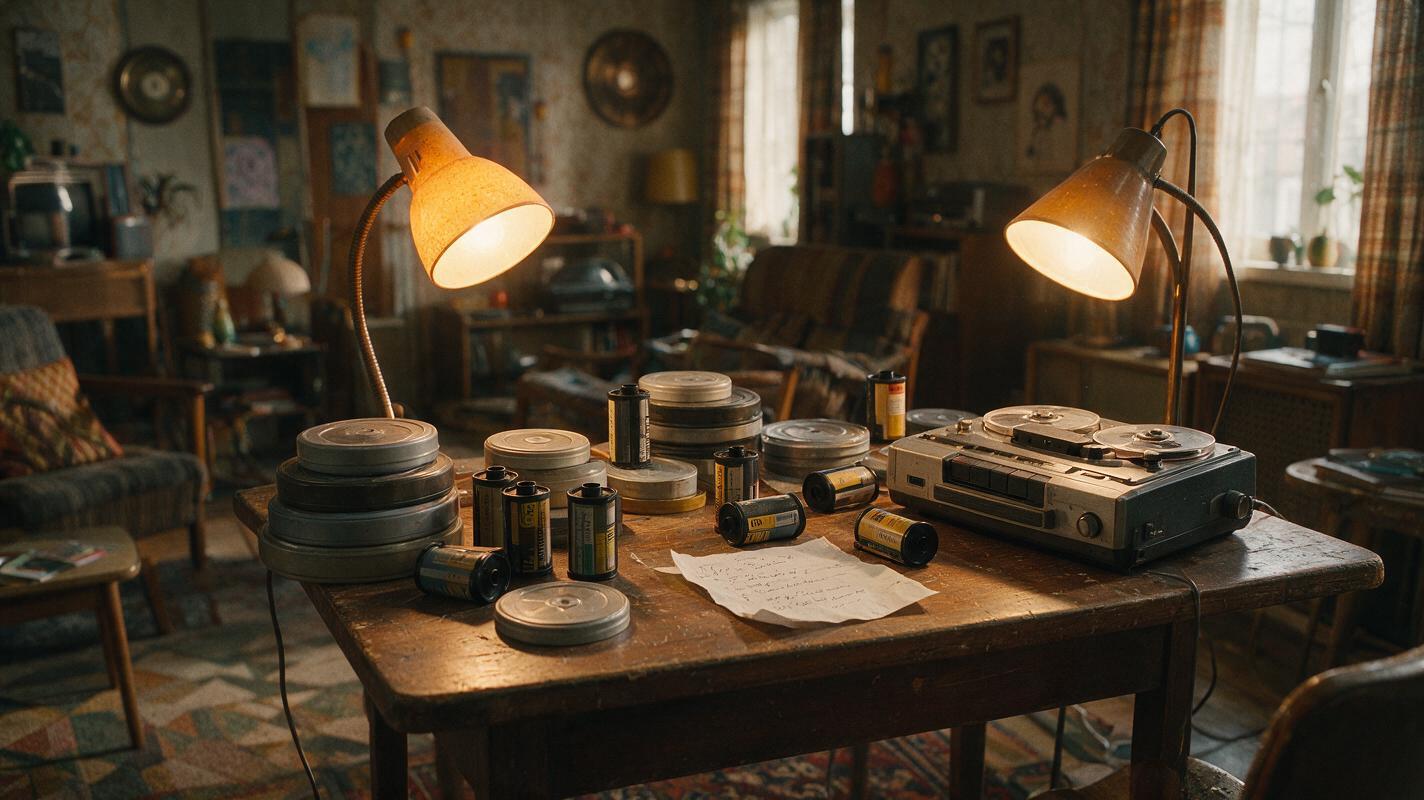
A family discovers unlabeled recordings from a fictional neighborhood arts salon.

Narrative focus:
One evening that changed the relationship between three fictional artists.

Visual anchors:
A narrow apartment dining room, handwritten invitations, warm practical lighting and a silent tape recorder.

Editorial rule:
Keep only scenes that reveal a relationship, deepen the setting or change the audience's understanding of the gathering.
This kind of brief can guide storyboards and text to video experiments without pretending that generation alone completes the film. Reviewing outputs against a consistent editorial rule helps prevent visually attractive but narratively unnecessary shots from overwhelming the project.
Meaning Should Guide Visual Generation
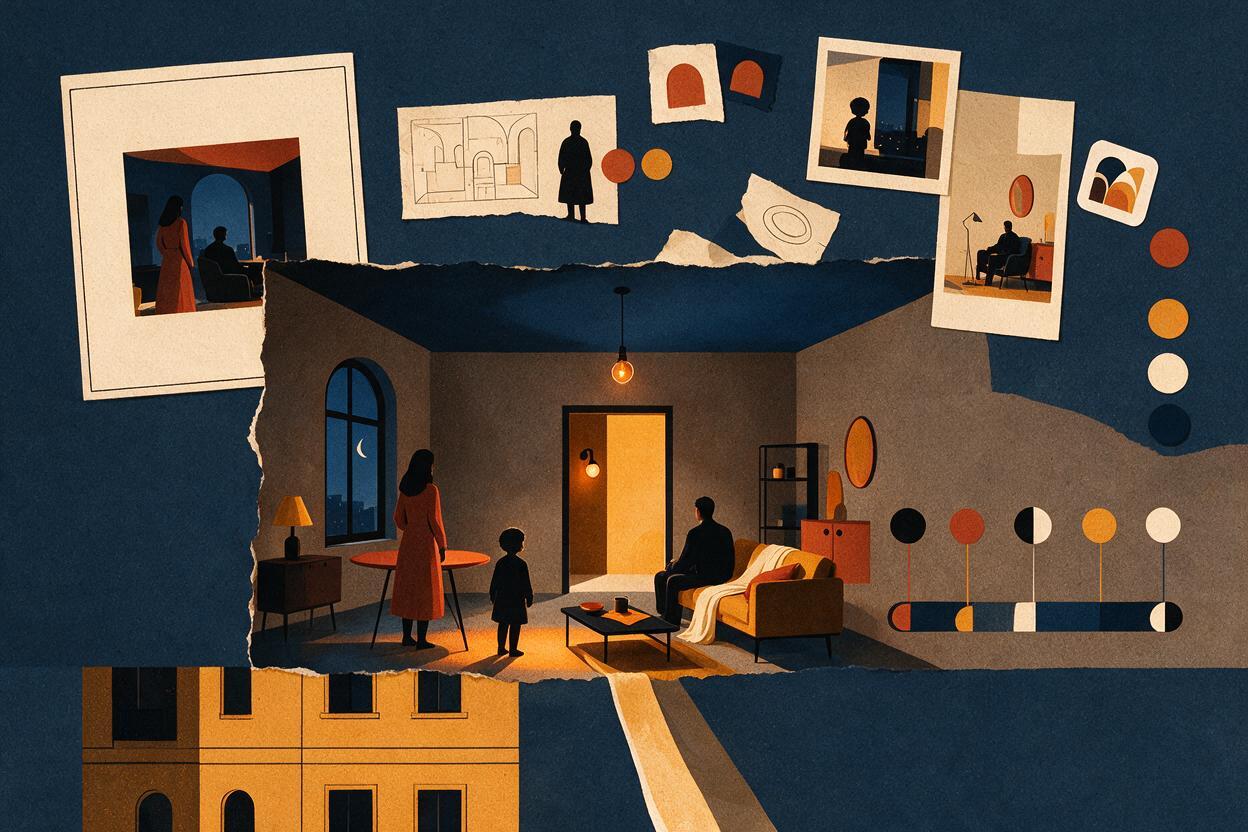
The apartment in Once Upon a Time in Harlem matters because it is part of the historical record. In a fictional AI production, a location should perform a similarly clear narrative function. A crowded table can suggest intimacy or conflict; an unused chair can imply absence; changing daylight can reveal the duration of a gathering.
These choices give each generated shot a purpose. They also make continuity easier to evaluate because the environment is designed around recurring narrative anchors instead of unrelated spectacle.
Preservation and Reinvention Serve Different Goals
Archival documentary and AI filmmaking operate from different foundations. Archival work is responsible to recorded material and its historical context. Original AI filmmaking begins with newly conceived characters, environments and scenes. The two approaches should not be confused, but they can share an emphasis on curation.
Once Upon a Time in Harlem shows the value of preserving distinctive source material while shaping it for a contemporary feature. An original AI project can take inspiration from that discipline: establish what the material means, determine which scenes express that meaning and remove anything that weakens the finished narrative.
The documentary's Sundance and New York Film Festival selections, followed by its Neon opening, also underline the importance of positioning. A film needs a concise identity that programmers, distributors and audiences can understand. “A 1972 gathering inside Duke Ellington's apartment, shaped from William Greaves' footage by David Greaves” communicates a clear subject, origin and creative lineage.
Original productions benefit from comparable clarity. Before making more scenes, filmmakers should be able to explain the central event, the distinctive setting and the emotional reason an audience should keep watching.
Creative Takeaways
- Begin with a precise source of dramatic interest. A specific place, period or gathering creates a stronger identity than a broad genre label.
- Treat editing as authorship. The transition from four hours to 100 minutes illustrates how selection determines the final experience.
- Give every location narrative meaning. Setting should shape character relationships and audience expectations.
- Build an original visual world. Use fictional people, fresh environments and newly conceived scenes when developing AI-assisted work.
- Define the project in one clear sentence. A focused premise helps guide both production and eventual positioning.
To develop an original short film, documentary-inspired concept or contained drama within one creative workspace, try these models for free.
Keywords
once upon a time in harlem, william greaves, david greaves, harlem renaissance documentary, archival filmmaking, ai film, ai content creation