Once Upon a Time in Harlem Opens via Neon
Once Upon a Time in Harlem opens via Neon as David Greaves transforms four hours of footage filmed by his father, William Greaves, into a 100-minute documentary. The film’s journey from a 1972 gathering at Duke Ellington’s apartment to Sundance and NYFF offers a timely lesson in archival storytelling, editorial focus, and AI-assisted visual development.
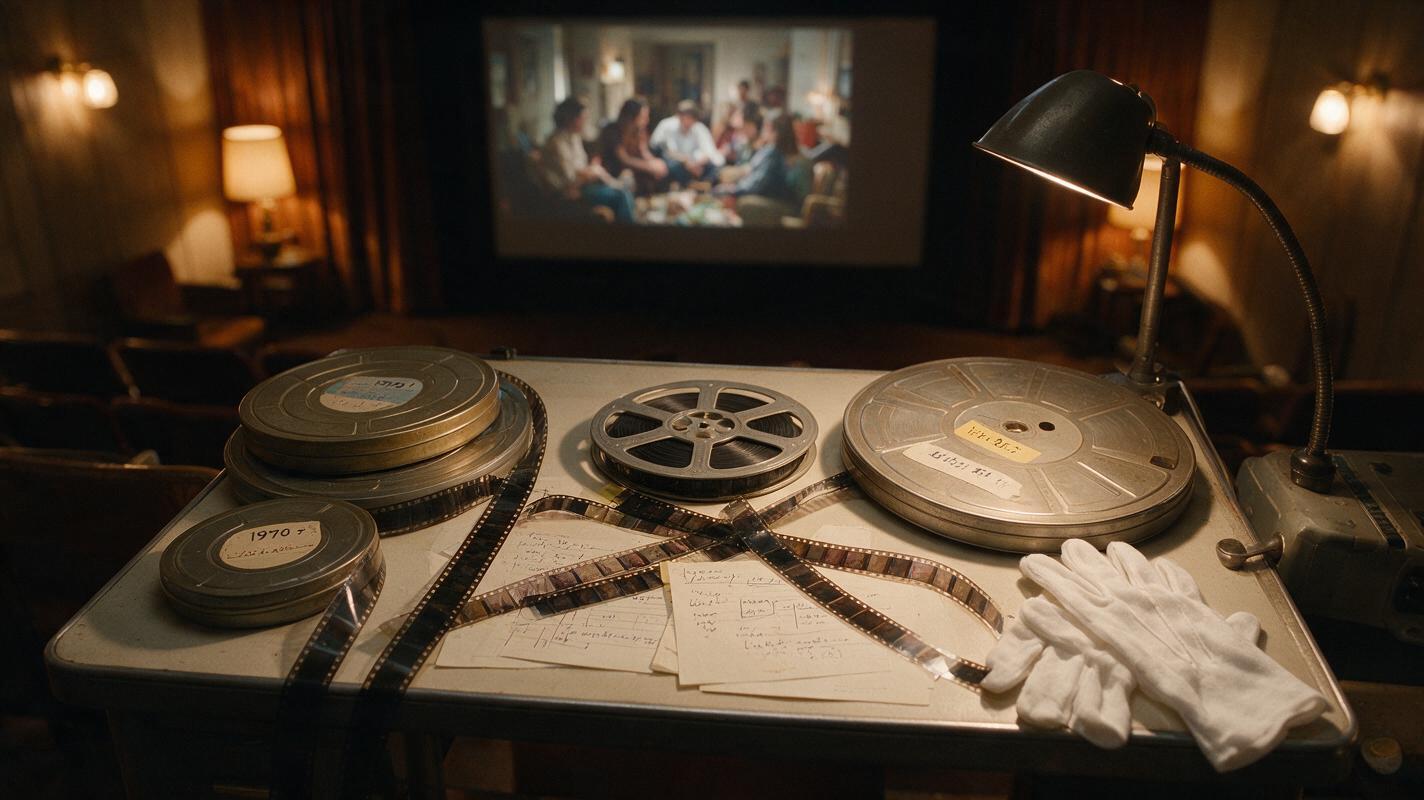
Table of contents
Once Upon a Time in Harlem Brings a 1972 Gathering to Theaters
Once Upon a Time in Harlem has opened via Neon, bringing rarely seen footage connected to the Harlem Renaissance into a new theatrical context. The documentary is shaped by David Greaves from material filmed by his father, filmmaker William Greaves, during a 1972 gathering at Duke Ellington’s apartment.
The original material amounted to four hours of footage. David Greaves edited it into a 100-minute film, creating a feature-length work from an extensive record of a particular place, community, and cultural conversation. The documentary was also selected for Sundance and the New York Film Festival, giving the archival project a prominent festival path before its opening through Neon.
The essential story is therefore not only what the camera captured in 1972, but what a later generation chose to preserve, organize, and present. For filmmakers exploring AI content creation, that editorial transformation is especially relevant: technology can expand the range of possible images, but a coherent film still depends on selection, structure, and perspective.
Four hours of historical footage became a focused 100-minute documentary through editorial judgment, not through volume alone.
From Four Hours of 1972 Footage to a 100-Minute Film
The documentary’s most concrete production detail is also its clearest creative lesson. Four hours may sound manageable compared with the enormous archives behind some nonfiction films, yet reducing that material to 100 minutes still demands consequential choices. Every retained exchange occupies space that another moment cannot.
That compression requires an editor to identify the material carrying the film’s cultural, emotional, and narrative weight. A historical recording can contain many interesting moments without automatically forming a satisfying feature. The finished documentary needs rhythm, context, and an intelligible progression, even when the source footage was not originally created to fit a conventional plot.
| Documentary element | Known detail | Editorial significance |
|---|---|---|
| Source material | Four hours of footage | A substantial archive requiring careful selection |
| Final running time | 100 minutes | A concentrated feature rather than a complete record |
| Historical setting | A 1972 gathering at Duke Ellington’s apartment | A defined location and moment anchor the documentary |
| Creative continuity | David Greaves edits footage filmed by William Greaves | The project connects two generations of filmmaking |
For contemporary editors, the ratio between available material and final running time is a useful reminder that more content does not necessarily produce a stronger story. The decisive work lies in finding the film inside the archive.
A Documentary Built Across Generations
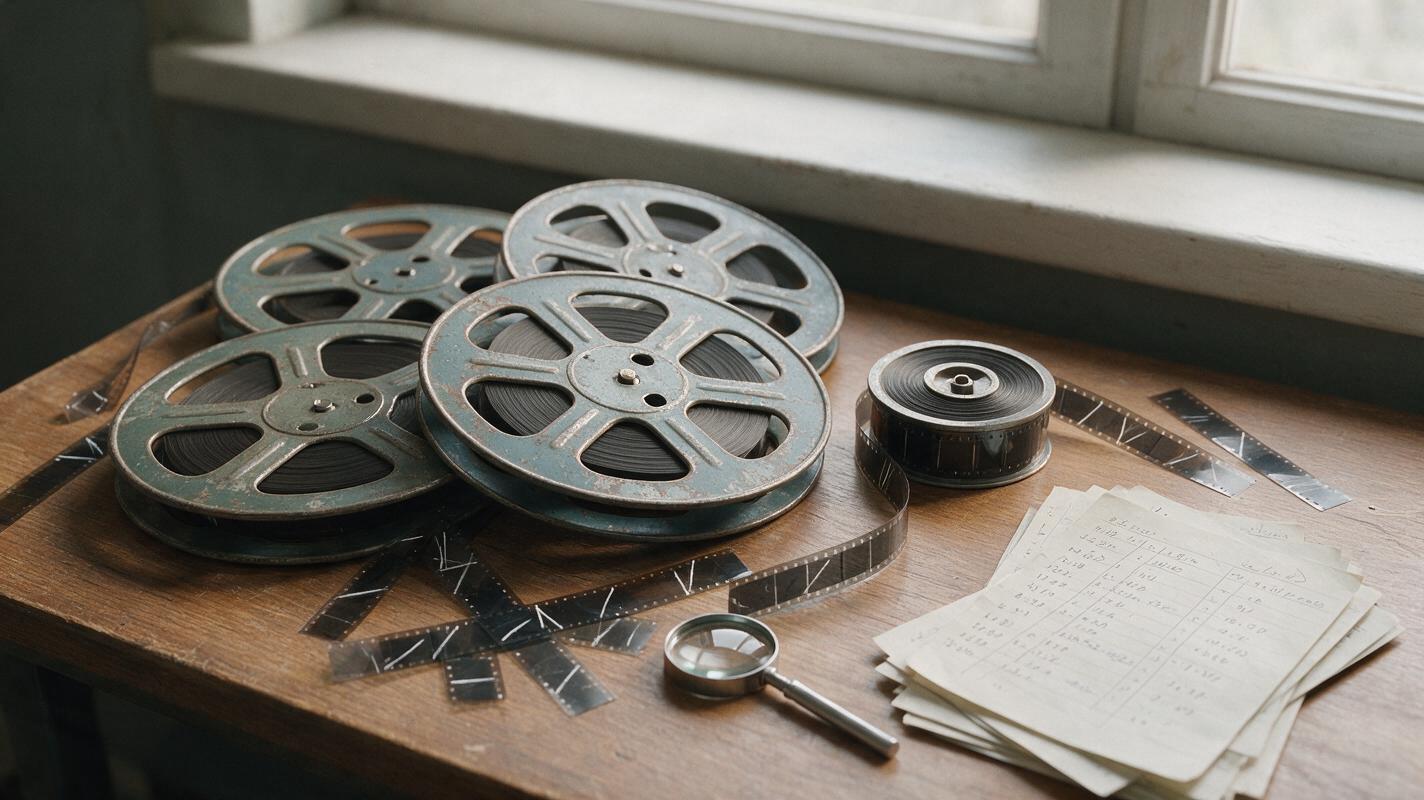
Once Upon a Time in Harlem carries an unusual authorship structure. William Greaves filmed the gathering in 1972, while David Greaves later edited his father’s footage into the 100-minute documentary. That relationship gives the film an intergenerational dimension before viewers even consider the people and ideas recorded by the camera.
Editing inherited material also differs from shooting a project entirely from scratch. The later filmmaker cannot ask the original participants for another performance or redesign the 1972 location. The available footage establishes the boundaries. Meaning must emerge through arrangement, duration, juxtaposition, and the decision to let certain moments breathe.
This is valuable for anyone making an AI film or documentary-inspired short. Generative tools can assist with original visual exploration, but they should not be used to blur the distinction between authentic archival footage and newly generated imagery. Clear labeling and deliberate visual language help audiences understand what they are seeing.
Historical Specificity Is the Creative Center
The Duke Ellington apartment setting gives the documentary a concrete physical center. Rather than treating the Harlem Renaissance as an abstract theme, the film is rooted in footage of a real gathering recorded in a particular location and year.
That specificity is difficult to replace with generic exposition. A room, a conversation, and the relationships visible within a gathering can communicate history through presence. For original projects inspired by archival storytelling, the practical takeaway is to establish a similarly precise narrative anchor: one location, one collection of materials, one period, or one central encounter.
What the Sundance and NYFF Selections Signal
The documentary’s selection by Sundance and the New York Film Festival placed it within two significant festival settings. Combined with its opening via Neon, that path shows how a project constructed from decades-old footage can enter a current cultural conversation.
The appeal is not based on novelty in the usual production sense. The underlying images were filmed in 1972. The contemporary event is the shaping and presentation of those images as a 100-minute film. That distinction matters in a media environment often focused on constant production: discovery can come from reconsidering existing material, not only generating more of it.
For independent filmmakers, festivals and theatrical distribution also reinforce the importance of a concise project identity. Once Upon a Time in Harlem can be described through a small set of memorable facts: William Greaves filmed a 1972 gathering at Duke Ellington’s apartment; David Greaves edited four hours into 100 minutes; the result reached Sundance, NYFF, and a Neon opening. Those details communicate subject, authorship, scale, and release context without overcomplicating the pitch.
What This Means for AI-Assisted Filmmaking
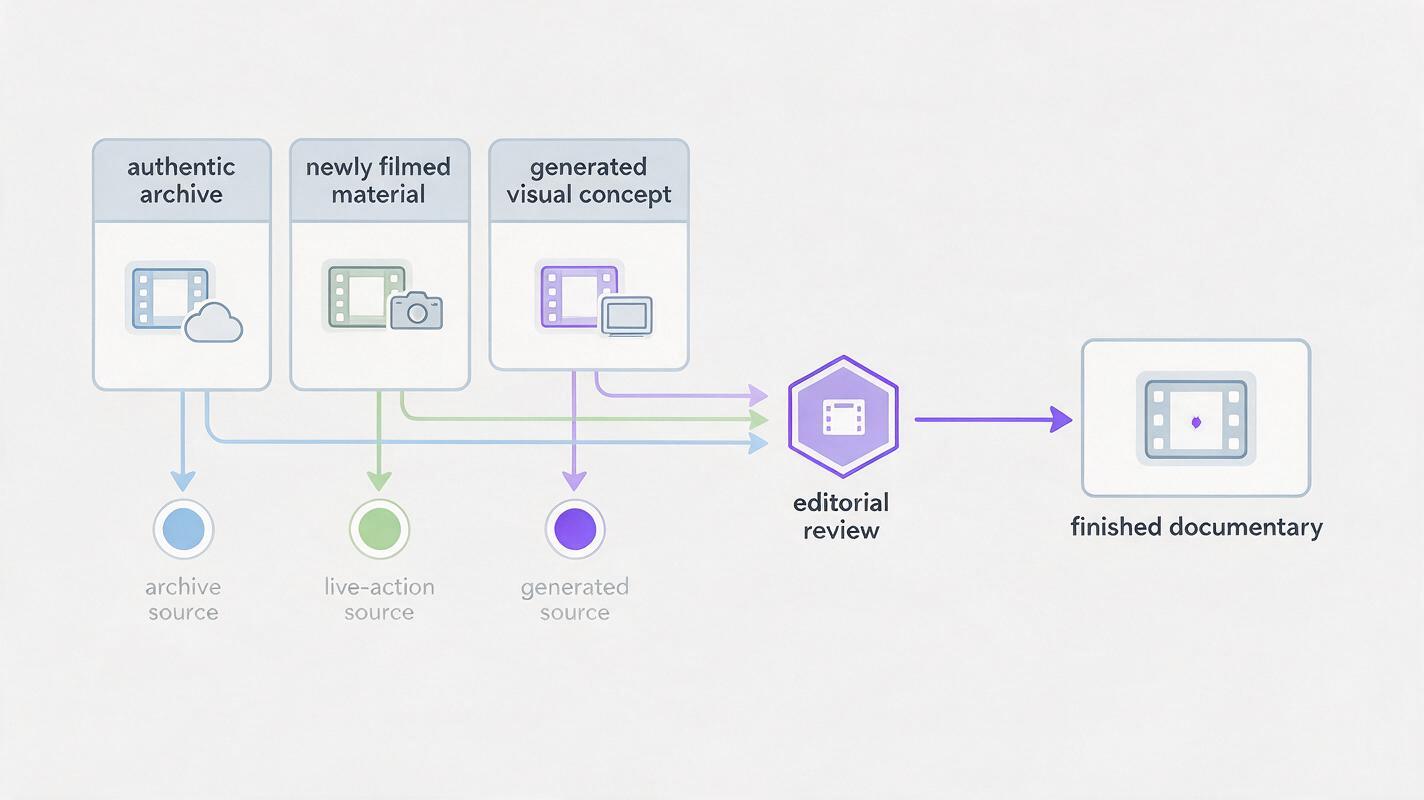
The documentary arrives as filmmakers have more options for visual prototyping and campaign development. An ai film generator can support exploration for an original project, while an ai storyboard can help map how archival material, newly filmed scenes, and clearly identified generated visuals might fit together before an edit is locked.
The strongest connection is editorial rather than imitative. A filmmaker could use AI content creation to test the pacing of an original documentary trailer, visualize transitions between chapters, or build a mood reference for material that has not yet been filmed. The historical footage itself should remain the factual center whenever the project makes documentary claims.
- Preserve provenance: Keep authentic archival material clearly distinguishable from newly created visuals.
- Prioritize selection: Identify which moments carry the central argument or emotional movement.
- Build around specificity: Let a defined place, period, or gathering anchor the narrative.
- Use generated media deliberately: Apply AI video to original supporting concepts rather than presenting invention as historical evidence.
- Package the story clearly: Make the project’s subject, authorship, and format understandable in a concise description.
MagicBoat gives filmmakers a place to explore original AI-assisted story development and visual concepts. The useful principle from Once Upon a Time in Harlem is restraint: technology should serve the film’s point of view, not overwhelm the material that makes the story worth preserving.
The Lasting Value of Editorial Focus
Once Upon a Time in Harlem demonstrates how historical footage can acquire a new public life through concentrated editing. David Greaves did not simply present all four hours filmed by William Greaves. He shaped that material into a 100-minute documentary capable of moving through festivals and into a Neon opening.
That journey offers a counterweight to content strategies built around producing as much material as possible. Whether the source is an archive, a newly written ai short drama, or a collection of original text to video experiments, the finished work benefits from a clear reason for every scene to remain.
Filmmakers developing original visual stories can try these models for free and evaluate ideas through the same essential lens: what belongs in the film, what supports its central perspective, and what should be left out.
Key Takeaways
- Once Upon a Time in Harlem opened via Neon.
- David Greaves edited footage filmed by his father, William Greaves.
- The source material records a 1972 gathering at Duke Ellington’s apartment.
- Four hours of footage were shaped into a 100-minute documentary.
- The film was selected for Sundance and the New York Film Festival.
- Its production history highlights selection, provenance, and editorial focus as foundations of archival storytelling.
Keywords
once upon a time in harlem, william greaves, david greaves, harlem renaissance documentary, neon documentary, archival filmmaking, ai film