OpenAI Expands ChatGPT for Academic Researchers to 200,000 Users
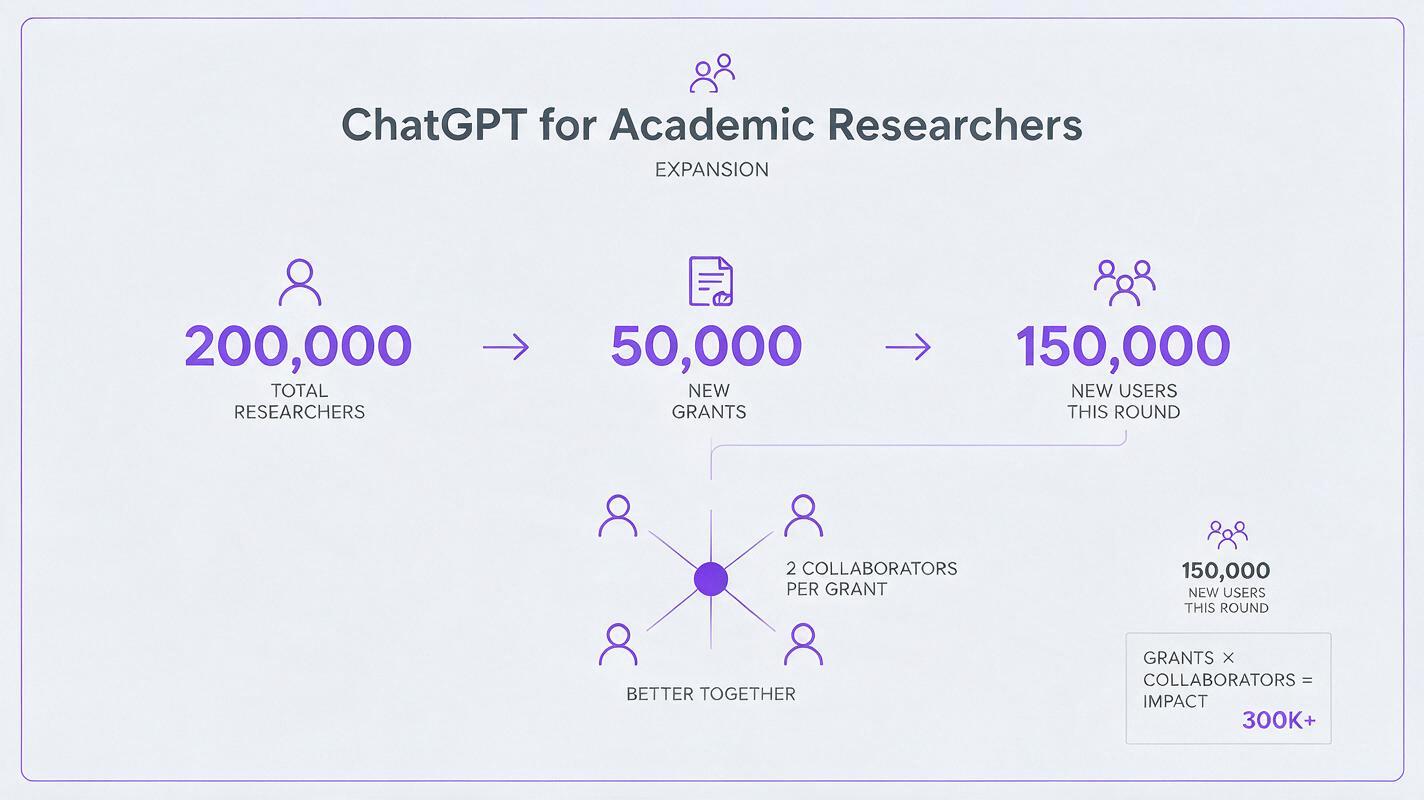
OpenAI is expanding its ChatGPT for Academic Researchers program to support up to 200,000 total researchers, with 50,000 new grants available on a first-come basis starting November 23. Pilot participants reported near-doubled research productivity, though those figures are self-reported and not from a controlled experiment. The expansion creates new opportunities for AI video and image creators producing educational and research-focused content.

Table of contents
Program Expansion Details
OpenAI is scaling up its ChatGPT for Academic Researchers program to support up to 200,000 total researchers, adding 50,000 new grants in the latest allocation round. Applications for the new grants open on November 23, with awards distributed on a first-come, first-served basis.
Each grant covers one primary researcher plus two collaborators, meaning this round will grant access to roughly 150,000 additional people across the global academic community. The program provides vetted academic researchers with dedicated ChatGPT access for use cases including literature reviews, data analysis support, paper drafting, and research methodology brainstorming.
The expansion builds on an earlier pilot phase, with OpenAI citing strong demand from research institutions worldwide for reliable, compliant access to generative AI tools for scholarly work.
Early Pilot Feedback and Limitations
OpenAI shared data from its pilot program, which included more than 1,800 participating researchers. Survey respondents estimated their research tasks would have taken nearly twice as long to complete without AI support, pointing to significant perceived productivity gains from integrating generative AI into academic workflows.
Notably, these productivity figures come from self-reported participant surveys and are not the result of a controlled, peer-reviewed experiment. Actual time savings may vary widely across research fields, task complexity levels, and individual user familiarity with AI tools. OpenAI has not published independent third-party verification of the pilot results.

What This Means for AI Content Creators
The expansion of ChatGPT for Academic Researchers signals accelerating adoption of generative AI across the global academic community, which creates new demand streams for AI video and image creators focused on educational and research communication.
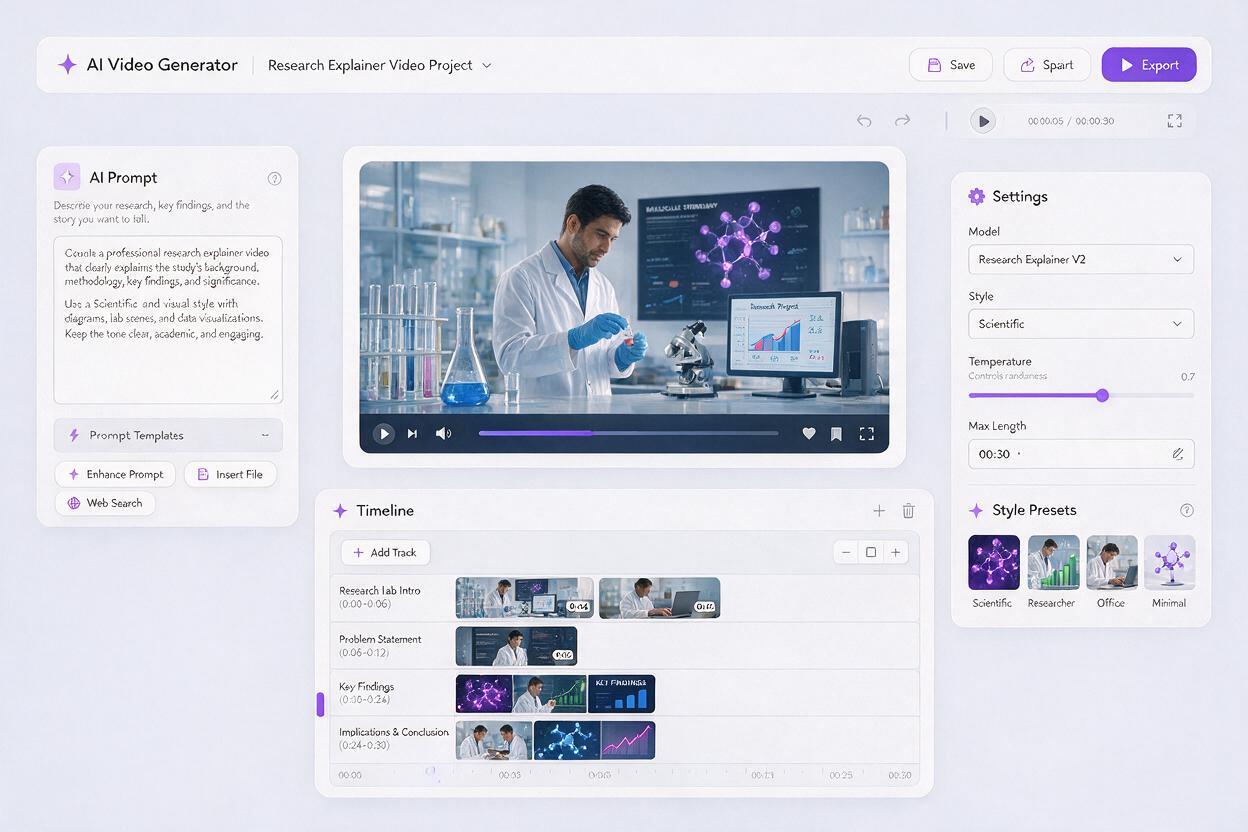
Researchers and institutions increasingly need engaging visual assets to translate complex findings into accessible content for conference presentations, public outreach campaigns, social media explainers, and online course materials. An ai video generator can turn dense research summaries, data visualizations, and technical concepts into polished animated explainers or short-form educational clips without the overhead of a full video production team.
Creators who produce educational or research-focused content themselves may also qualify for the expanded grant program, using ChatGPT access to speed up literature reviews, fact-check technical claims, and draft video scripts or storyboard outlines. Those structured outlines can then be fed into text to video tools to rapidly prototype visual sequences and iterate on narrative flow before committing to full production.
For creators building content for academic audiences, working with a multi-model platform ensures consistent access to the latest generative tools for both research and production, without needing to manage separate subscriptions or API keys for every new model release. If you’re building research-focused visual content or exploring new AI tools for your creative workflow, you can try these models for free on a platform built for video, image, and audio production.
Key Takeaways
- OpenAI is expanding its ChatGPT for Academic Researchers program to 200,000 total users, with 50,000 new grants available first-come first-served starting November 23.
- Each grant covers one primary researcher plus two collaborators, adding roughly 150,000 new users in this allocation round.
- Pilot participants reported near-doubled research speed, though those figures are self-reported and not independently verified through controlled testing.
- The expansion creates growing demand for research-focused visual content, including explainer videos, presentation animations, and educational social media clips.
Keywords
openai, chatgpt, gpt-6, ai video generator, text to video, free ai tools, academic ai