OpenAI Funding Round Hits $15B at $1.25T Valuation Amid Investor Shift
OpenAI’s ongoing funding round has raised approximately $15 billion at a $1.25 trillion valuation, roughly half the original $30 billion target reported in late September 2026. The round has seen a notable shift in investor composition, with financial firms Coatue and T. Rowe Price leading the first tranche and no participation from Amazon or Nvidia, who backed the company’s earlier $122 billion March round. The update comes alongside OpenAI’s disclosure of $10 billion in Q3 2026 revenue, up nearly 50% sequentially and almost threefold year over year.
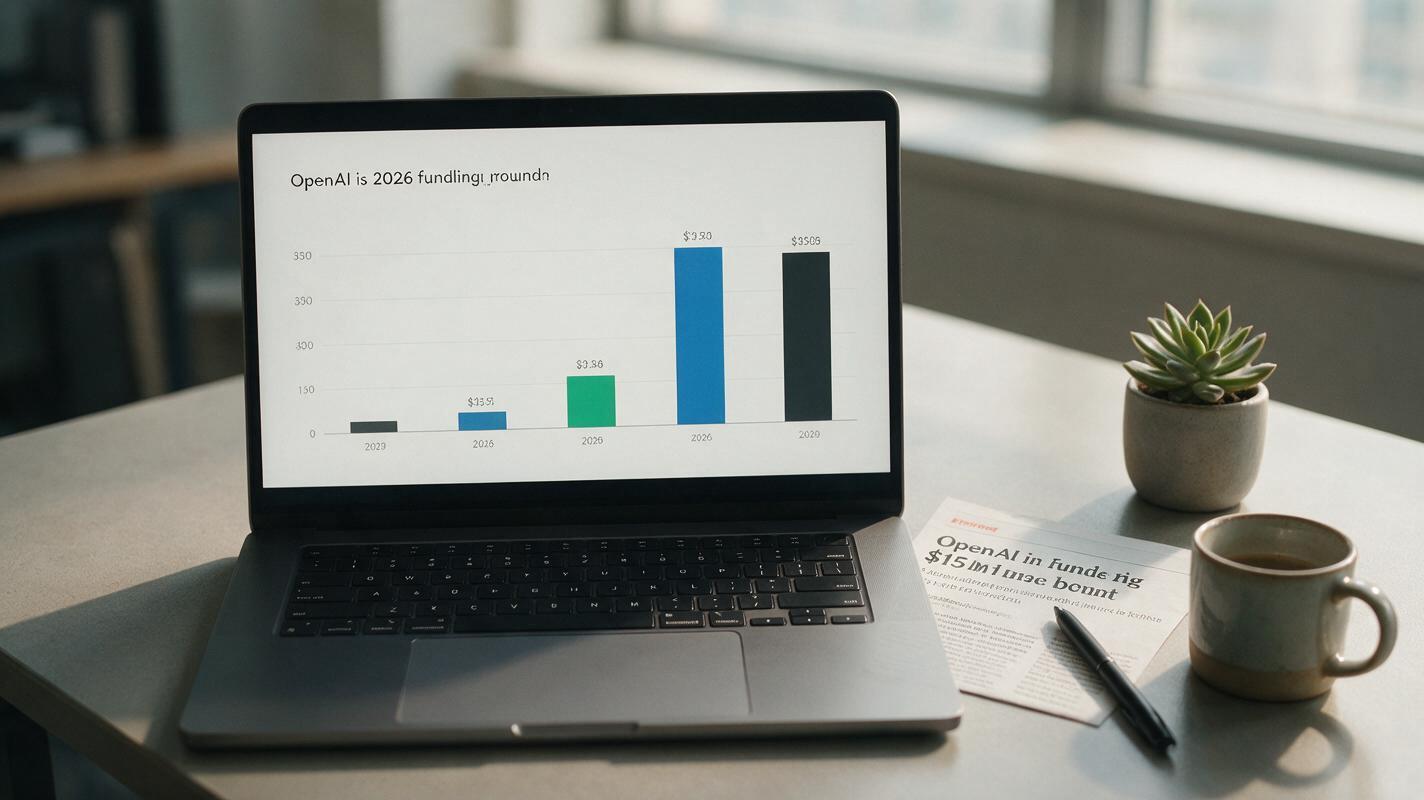
Table of contents
The Latest OpenAI Funding Round Details
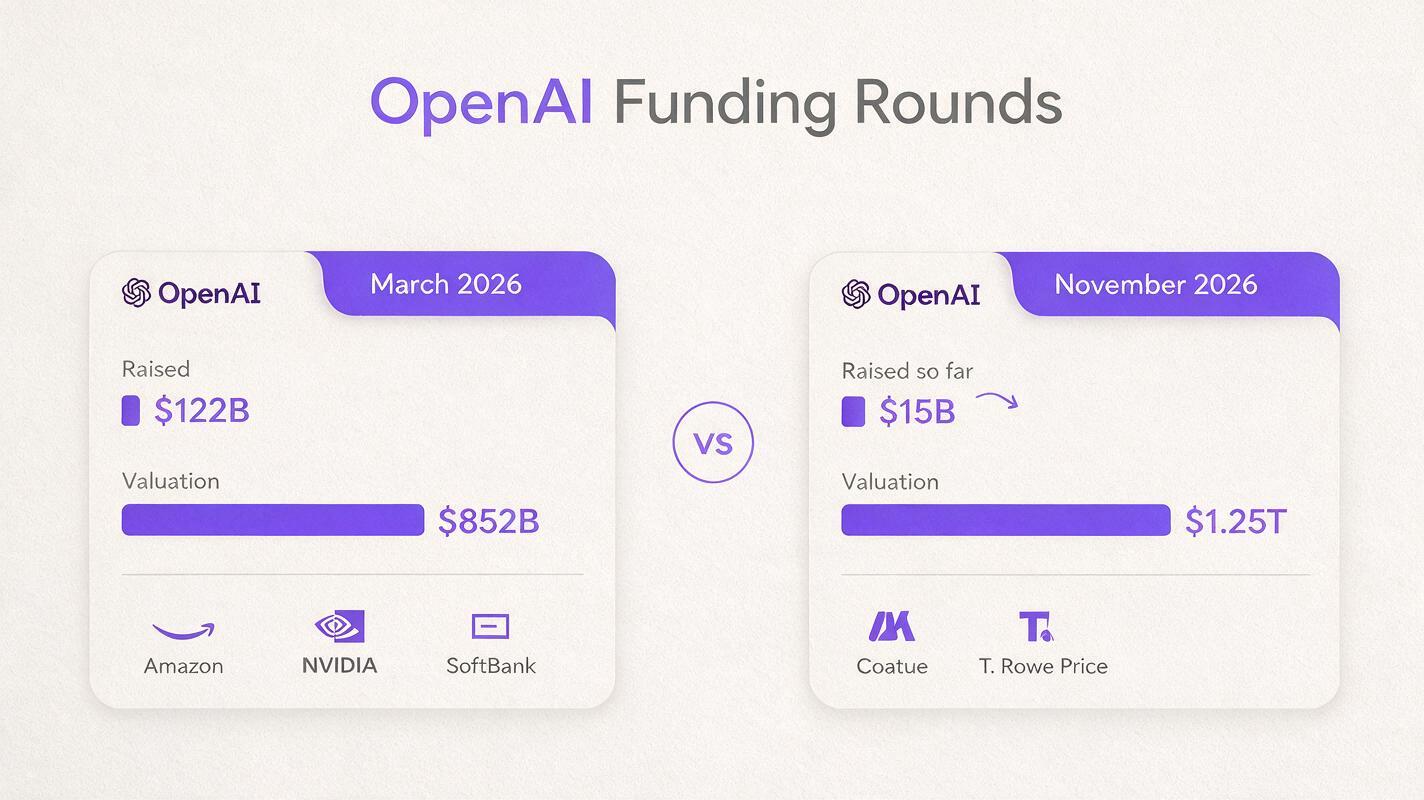
On November 12, 2026, CNBC reported that OpenAI’s ongoing new funding round has cumulatively raised approximately $15 billion at a post-money valuation of $1.25 trillion. The figure marks a roughly $4 billion week-over-week increase from the $11 billion first tranche reported by Bloomberg on November 6, but remains roughly half the original target of at least $30 billion at a $1.4 trillion valuation first reported on September 29. The round is not yet closed, with additional capital expected to be raised in the coming weeks.
The valuation represents a 10.7% drop from the earlier $1.4 trillion target, but still sits well above the $852 billion valuation from OpenAI’s $122 billion funding round in March 2026. A notable shift in investor composition accompanies the revised valuation: the March round was backed heavily by hyperscalers and chipmakers, with Amazon contributing $50 billion, Nvidia $30 billion, and SoftBank $30 billion. The current round’s first tranche is led by financial investors Coatue and T. Rowe Price, with additional participation from SoftBank, Sequoia, Founders Fund, a16z, and UAE capital — with no participation from Amazon or Nvidia.
Separately, OpenAI disclosed approximately $10 billion in third-quarter 2026 revenue during a November 10 investor call. The figure represents a nearly 50% sequential increase from the prior quarter and almost triple the revenue from the same quarter a year earlier, driven by competitive new model releases, aggressive price cuts, and a growing focus on AI agent products.
Why the Investor Mix and Valuation Shift Matters
The move away from hyperscaler and chipmaker backers toward financial institutional investors signals a shift in OpenAI’s capital structure and potentially its strategic priorities. While earlier rounds were tied closely to cloud and hardware partnerships, the current round’s investor base may place greater emphasis on path-to-profitability and efficient scaling rather than pure growth at all costs.
The reduced valuation target also reflects broader market conditions, including a recent tech selloff that has pressured AI stock valuations and made large capital raises more challenging for even the biggest frontier AI labs. Even so, the $1.25 trillion valuation still positions OpenAI as one of the most valuable private companies in the world, and the $15 billion raised so far remains one of the largest private funding rounds in tech history.
What This Means for AI Video and Image Creators
For AI video and image creators, OpenAI’s financial trajectory directly impacts the availability, pricing, and development pace of tools they rely on, including GPT-6 models used for scripting, brainstorming, asset description, and workflow automation — often paired with specialized text to video and image generation tools to bring creative ideas to life.
While OpenAI’s strong revenue growth suggests continued investment in model development is likely, the shifting investor landscape and valuation adjustment also serve as a reminder that relying on a single AI provider for core creative workflows carries inherent risk. Pricing changes, feature shifts, or service disruptions can upend production pipelines that are built around one platform’s tools.
Stabilizing Creative Workflows With Multi-Model Platforms
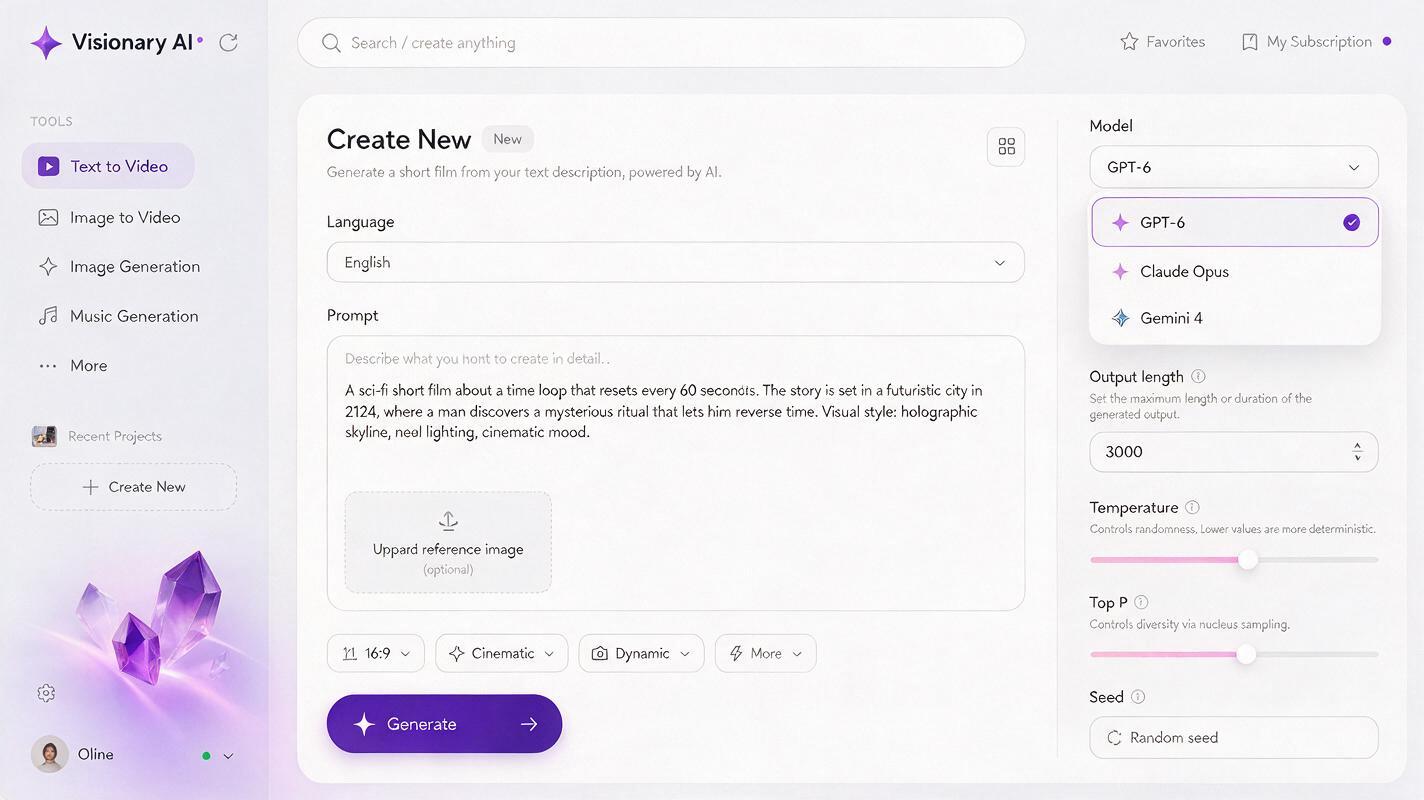
That’s where multi-model creative platforms like MagicBoat add critical value for creators. By centralizing access to a wide range of leading AI tools in a single account — from ai image generator capabilities to video generation and storyboarding — creators avoid being locked into a single provider’s ecosystem. If one model’s pricing changes, a feature is deprecated, or service is interrupted, creators can seamlessly switch to an alternative model without rebuilding their entire workflow.
MagicBoat also eliminates the hassle of managing multiple API keys, billing accounts, and usage limits across different AI providers, letting creators focus on what matters most: producing high-quality video and image content. Whether you’re generating concept art, editing short clips, or building full storyboards, you can pick the best model for each specific task instead of compromising with a single provider’s full suite.
try these models for free to see how a multi-model platform can make your creative workflow more resilient and efficient.
Key Takeaways
- OpenAI’s ongoing funding round has raised $15 billion so far at a $1.25 trillion valuation, roughly half the original $30 billion target reported in late September.
- The investor base has shifted from hyperscaler-heavy backers (Amazon, Nvidia) to financial institutions led by Coatue and T. Rowe Price, with no Amazon or Nvidia participation in the current round.
- OpenAI reported $10 billion in Q3 2026 revenue, up nearly 50% sequentially and almost 3x year over year, driven by new models, price cuts, and AI agent growth.
- For AI creators, the news underscores the value of multi-model platforms that reduce reliance on any single AI provider and keep workflows flexible.
Keywords
openai funding round, openai valuation, openai q3 revenue, gpt-6, ai video model, free ai tools, ai investment