OpenAI Releases GPT-OSS-120B and GPT-OSS-20B Open-Weight Models
On October 19, 2026, OpenAI released two open-weight models, GPT-OSS-120B and GPT-OSS-20B, bringing frontier-class AI capabilities to developers in openly downloadable form. The release expands the open-weight AI ecosystem and creates new customization and workflow opportunities for AI video and image creators. This article breaks down the announcement details, practical implications for content creators, and how multi-model platforms help teams leverage both open and closed models efficiently.
Table of contents
What the OpenAI GPT-OSS Announcement Covers
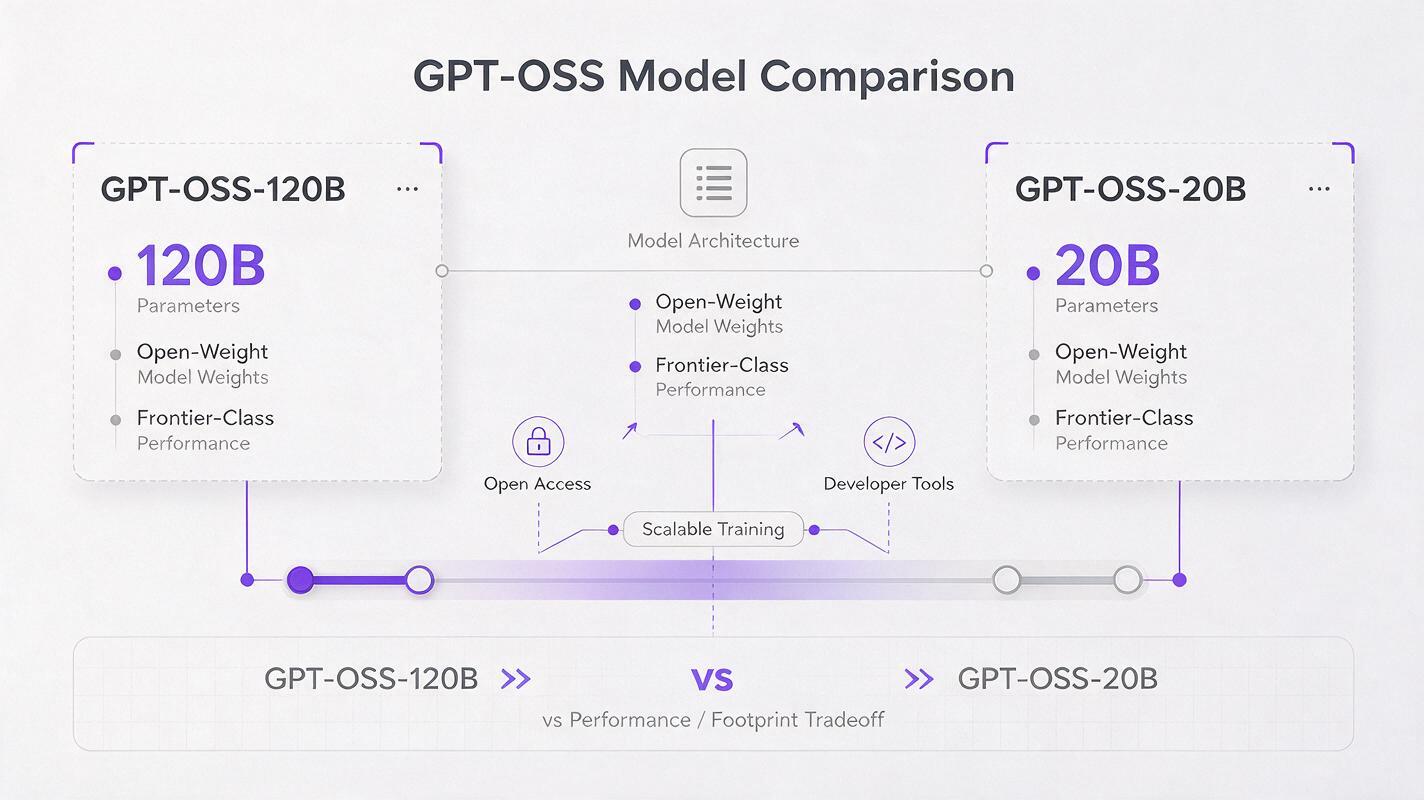
On October 19, 2026, OpenAI expanded its model lineup with the release of two open-weight models: GPT-OSS-120B and GPT-OSS-20B. The release marks a notable shift for OpenAI, which has historically kept its highest-performing models behind closed API access, by making frontier-class AI capabilities available to developers as openly downloadable weights.
The two models are sized at 120 billion and 20 billion parameters respectively, catering to different deployment and performance needs. The 120B variant targets use cases requiring maximum reasoning and capability, while the 20B model is designed for faster, more cost-effective deployment for less complex tasks. Both models are positioned as offering frontier-class performance, putting them in the same tier as many leading closed models currently available via API.
The announcement was first reported by AI D-A-M-N, with additional details still emerging as developers gain access to the model weights and begin independent testing. No pricing, commercial use restrictions, or specific benchmark scores were included in the initial release details.
What GPT-OSS Open-Weight Models Mean for the AI Ecosystem
Open-weight AI models differ fundamentally from closed, API-only models in that users can download the full model weights, run them on their own hardware, fine-tune them for specific use cases, and modify their underlying code as needed. This level of access has long been a priority for developers, researchers, and companies seeking greater control over their AI infrastructure.
For the broader AI ecosystem, OpenAI’s entry into the open-weight space with frontier-class models puts pressure on other closed model providers to expand open offerings or adjust pricing. It also accelerates innovation by putting powerful tools in the hands of more developers, who can build custom tools, integrate models into niche products, and conduct research that would be difficult or impossible with API-only access.
The release also aligns with a broader industry trend toward open AI development, seen in recent launches from Meta, Mistral, and DeepSeek. As more frontier-class models become available in open-weight form, the competitive landscape is shifting from raw model performance alone to factors like ecosystem support, tooling, and deployment flexibility.
Key Benefits for AI Video and Image Creators
While specific native creative capabilities like direct image or video generation are not confirmed in the initial GPT-OSS announcement, frontier-class LLMs can play a critical supporting role in nearly every stage of the AI content creation workflow. For AI video and image creators, open-weight access to a model of this caliber unlocks several practical advantages.
Custom fine-tuning is one of the most impactful benefits for creative teams. With open weights, creators can fine-tune the model on their own brand voice, character lore, script formats, or prompt engineering best practices, creating a personalized AI assistant that aligns perfectly with their workflow. This is especially valuable for teams producing serialized content, branded content, or work with strict style guidelines.
Local deployment options also offer meaningful benefits for creators. Running the model on local hardware eliminates reliance on internet connectivity, reduces latency for repetitive tasks, and keeps sensitive creative assets — like unreleased script drafts or proprietary character designs — from being sent to third-party API servers. For creators working under non-disclosure agreements or with confidential client projects, this added privacy layer is a major advantage.
Open-weight models also make it easier for tool developers to integrate powerful LLM capabilities directly into creative software, from text to video platforms to ai image generator tools. This means creators can expect to see more built-in AI assistance features in their favorite creative tools over time, without needing to switch between multiple platforms.
For high-volume creative teams, self-hosting open-weight models can also lead to significant cost savings over time. While upfront hardware and setup costs are higher, per-token costs for self-hosted models are typically much lower than API access for large workloads, making them a cost-effective choice for teams generating millions of tokens of content per month.
Important Limitations to Keep in Mind
Despite the potential benefits, the GPT-OSS release comes with important limitations that creators should consider before investing time or resources into deployment.
First, no specific benchmark scores, creative performance data, or detailed capability specs have been confirmed by OpenAI as part of the initial announcement. Claims of frontier-class performance have not yet been independently verified for creative use cases like scriptwriting, prompt generation, or creative ideation, so creators should temper expectations until real-world testing data is available.
Second, open-weight models require significant technical resources to deploy, fine-tune, and maintain. Individual creators or small teams without in-house AI engineering expertise may find it difficult to set up and run the 120B model, which requires powerful GPU hardware to operate at usable speeds. For most independent creators, managed API access to closed models will remain a more practical and cost-effective option for the foreseeable future.
Third, self-hosting an open-weight model shifts safety and compliance responsibility entirely to the user. Creators using the model for commercial content must ensure that outputs comply with copyright laws, platform guidelines, and client requirements — without the built-in safety filters and moderation tools that come with most closed API services. This adds an extra layer of risk and review work for creative teams.
Finally, the terms of use for the GPT-OSS models have not been fully detailed. It remains unclear whether there are restrictions on commercial use, redistribution, or fine-tuning for specific purposes, which could limit how creators and companies can use the models.
How Multi-Model Platforms Simplify Access to New AI Models
For most AI video and image creators, the biggest value of new model releases like GPT-OSS is not in self-hosting, but in the way they expand the range of tools available through integrated creative platforms. Multi-model platforms eliminate the need for creators to juggle multiple API keys, set up custom infrastructure, or learn new interfaces for every new model release.
Platforms like MagicBoat bring together a curated selection of leading AI creative tools in a single, unified interface, so you can test new models alongside established favorites, compare outputs, and pick the best tool for each part of your workflow. Whether you’re drafting a script, generating concept art, or producing a full short film, you can access the right model for the task without switching between multiple services or managing separate billing accounts.
This integrated approach also reduces workflow disruption when new models launch or existing models change. Instead of rebuilding your entire workflow around a single new tool, you can test it incrementally, integrate it where it adds value, and fall back to other models if it doesn’t meet your needs. This flexibility is especially valuable as the AI landscape continues to evolve rapidly, with new model releases and updates arriving every week.
If you’re ready to explore how the latest AI models can elevate your creative work, try these models for free and start building your ideal multi-model creative workflow today.
Key Takeaways
- OpenAI released two open-weight models, GPT-OSS-120B and GPT-OSS-20B, on October 19, 2026, marking its first entry into the frontier-class open-weight space.
- The models offer frontier-class capabilities in 120B and 20B parameter sizes, giving developers greater control over deployment, fine-tuning, and customization.
- AI video and image creators can benefit from custom fine-tuning, local deployment privacy, and improved tool integration, though technical barriers limit access for most individual creators.
- Multi-model platforms like MagicBoat make it easy to access and test new AI models without complex setup, helping creators stay ahead of the curve without disrupting their workflow.
Keywords
gpt-oss, openai open weight models, gpt-6, ai video model, text to video, image to video, free ai tools