OpenAI Releases GPT-OSS-120B and GPT-OSS-20B Open-Weight Models
On October 19, 2026, OpenAI released two open-weight AI models, GPT-OSS-120B and GPT-OSS-20B, offering developers frontier-class language capabilities that can be fine-tuned and deployed locally. While the models do not have confirmed native image or video generation features, they provide AI video and image creators new flexible tools for pre-production tasks like scriptwriting and prompt engineering. This release expands the open-weight AI ecosystem and highlights the value of unified multi-model creative platforms.
Table of contents
OpenAI Launches GPT-OSS-120B and GPT-OSS-20B Open-Weight Models
On October 19, 2026, OpenAI expanded its AI model ecosystem with the release of two open-weight models: GPT-OSS-120B and GPT-OSS-20B. The release brings frontier-class AI capabilities to developers in a fully accessible open-weight format, allowing for local deployment, custom fine-tuning, and full control over model infrastructure. The announcement marks OpenAI’s most significant entry into the open-weight model space to date, competing with existing open models from Meta, DeepSeek, and other providers.
Open-weight models differ from closed, API-only offerings in that users can download the full model weights, modify them for specific use cases, and run them on their own hardware. This level of access has long been requested by developers and power users who need greater control over performance, data privacy, and customization.
What We Know About the New Open-Weight Models
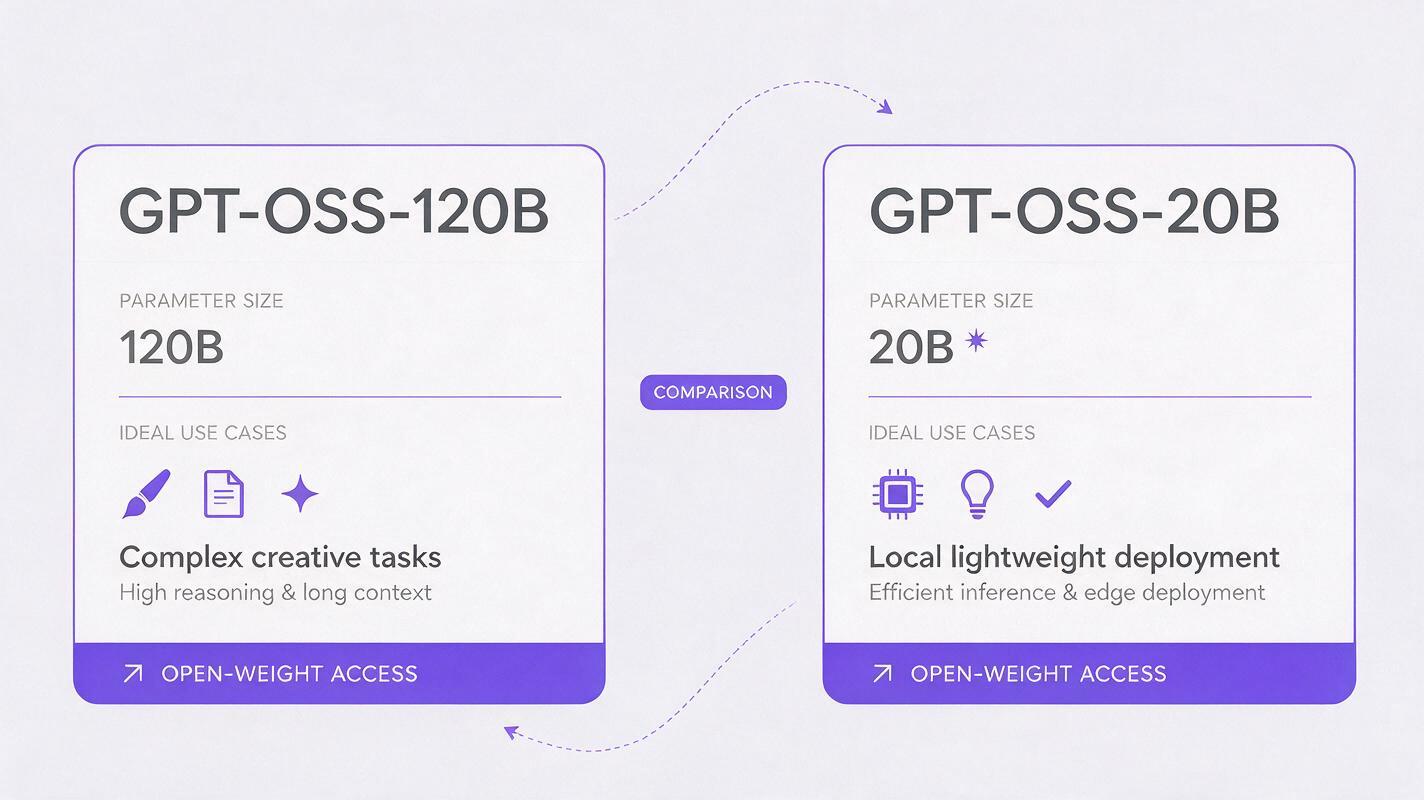
The two models are sized to serve different use cases, with the 120-billion-parameter GPT-OSS-120B positioned as the higher-performance option for complex tasks, and the 20-billion-parameter GPT-OSS-20B designed for more lightweight, efficient deployment. Both are described as offering frontier-class capabilities, putting them on par with top-tier closed language models for general language tasks.
At launch, details about specific benchmark scores, multimodal support, and dedicated visual generation features remain limited. The announcement does not confirm native image or video generation capabilities for either model, indicating they are focused primarily on language processing tasks. Developers can access the model weights immediately for experimentation and integration into their own tools and platforms.
Implications for AI Video and Image Creators
While these open-weight models are not confirmed to generate visual content directly, they offer tangible benefits for AI video and image creators working across the production pipeline. For creators who rely on text-based planning and prompt engineering to produce visual assets, open-weight language models add a new layer of flexibility and control that closed API tools cannot match.
The larger GPT-OSS-120B model excels at complex, long-form language tasks, making it well-suited for drafting detailed video scripts, developing character backstories, and outlining full storyboard sequences for ai video model projects. The smaller 20B model, by contrast, is lightweight enough to run on local hardware, enabling fast, private ideation sessions without relying on external API availability or sharing sensitive project details with third-party providers.
Fine-tuning capabilities are particularly valuable for creators with established brand voices or project-specific terminology. By training the open models on existing scripts, prompt libraries, or brand guidelines, creators can generate output that is far more consistent and aligned with their creative vision than generic closed model responses.
Practical Use Cases for Creative Workflows
Open-weight language models integrate seamlessly into existing creative workflows as supporting tools, complementing rather than replacing dedicated visual generation platforms. Some of the most impactful use cases for AI video and image creators include:
- Script and story development: Use the 120B model to draft full-length video scripts, expand short concept ideas into detailed narratives, or generate multiple plot variations to explore different creative directions before moving to production.
- Prompt engineering support: Fine-tune the 20B model on a library of your most successful prompts for text to video or image tools to generate consistent, high-quality prompt suggestions in seconds, reducing trial and error during asset creation.
- Local ideation and drafting: Deploy the smaller model locally to work on sensitive or unpublished project ideas without worrying about API downtime, data privacy concerns, or usage caps.
- Batch content tasks: Use self-hosted open models to generate video descriptions, tag metadata, or write social media copy for large content libraries, often at a lower total cost than scaling paid API subscriptions for high-volume use.
How Multi-Model Platforms Streamline Creative Work
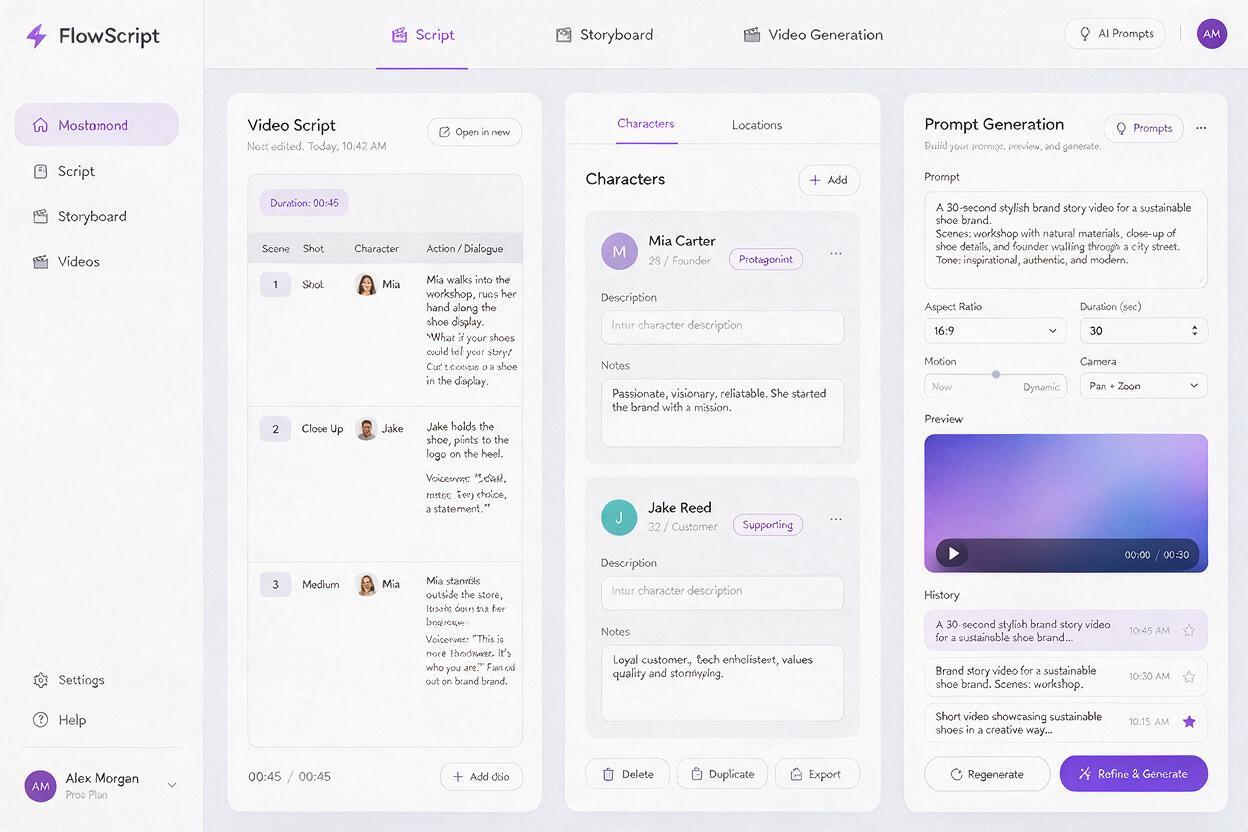
The growing number of open and closed AI models gives creators more options than ever, but managing multiple tools, accounts, and API keys can create unnecessary friction in the creative process. A unified multi-model platform eliminates this friction by bringing together the best tools for each stage of production in a single, accessible workspace.
For example, you can use a powerful open-weight language model to draft a complete video script and refine your visual prompts, then immediately switch to a specialized ai image generator or video tool to turn those ideas into tangible assets — all without leaving the platform or transferring data between services. This seamless integration cuts down on administrative work and lets creators focus more time on actual creative decision-making.
MagicBoat is built for this new multi-model era, combining state-of-the-art language processing, image generation, and video creation tools into one intuitive platform. Whether you are experimenting with open-weight models for pre-production or using specialized visual models for final asset creation, you can try these models for free to build a workflow that fits your creative needs.
Key Takeaways
- OpenAI released two open-weight models, GPT-OSS-120B and GPT-OSS-20B, on October 19, 2026, giving developers access to frontier-class language capabilities with full deployment control.
- The models support local deployment and custom fine-tuning, making them valuable supporting tools for pre-production creative tasks like scriptwriting, prompt engineering, and content planning.
- No native image or video generation features have been confirmed for these models, so they work best alongside dedicated visual AI platforms rather than as standalone creation tools.
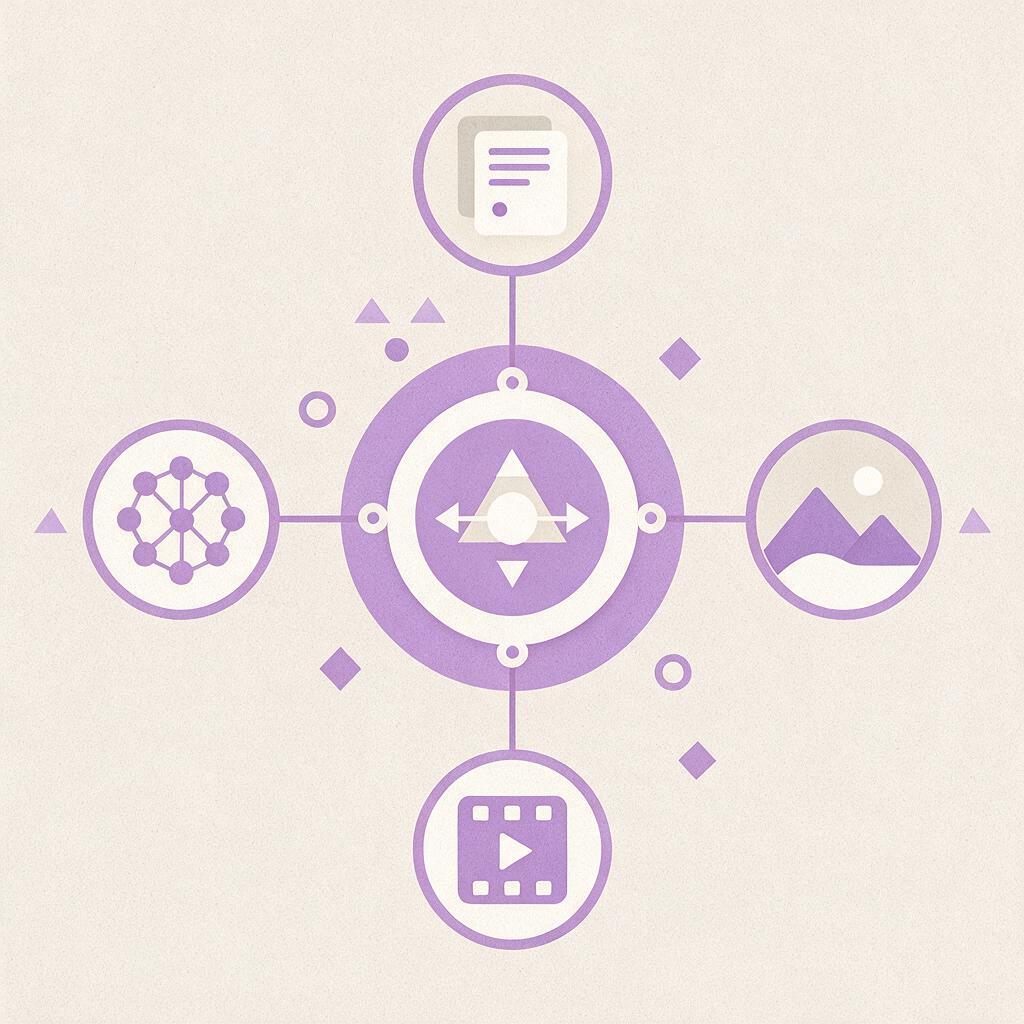
- A unified multi-model platform like MagicBoat simplifies creative workflows by combining language models, image generation, and video creation tools in one accessible workspace.
Keywords
openai open-weight models, gpt-oss-120b, gpt-oss-20b, gpt-6, ai video model, text to video, free ai tools