OpenAI Releases GPT-OSS 120B and 20B Open-Weight Models
On October 19, 2026, OpenAI announced two open-weight AI models, GPT-OSS-120B and GPT-OSS-20B, expanding the growing ecosystem of publicly available frontier AI tools. The release comes amid a wave of open-weight model launches from major AI labs, offering creators new options for custom fine-tuning and workflow resilience. This article breaks down what we know about the new models, their potential impact on creative workflows, and how multi-model platforms make open AI accessible to all creators.

Table of contents
OpenAI's GPT-OSS Open-Weight Models: What We Know So Far
On October 19, 2026, OpenAI announced two open-weight AI models under the GPT-OSS product line: a 120-billion-parameter variant and a smaller 20-billion-parameter version. The announcement marks a notable expansion of OpenAI’s open model portfolio, coming amid a broader industry trend of major AI labs releasing publicly accessible model weights alongside their closed API offerings.
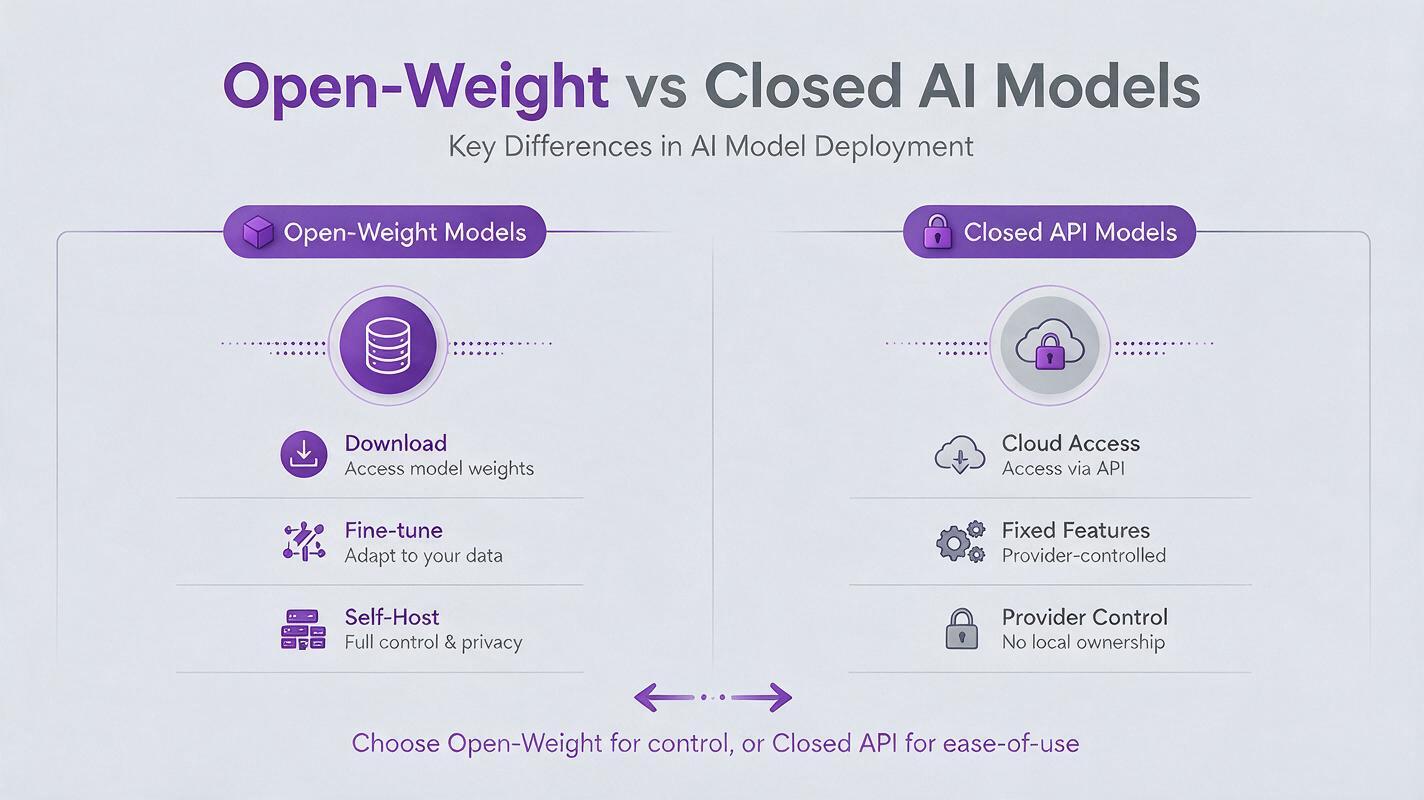
Open-weight models differ from closed, API-only models in that their internal neural network weights are made publicly available. This allows developers, researchers, and advanced users to inspect the model’s architecture, fine-tune it on custom datasets, and deploy it on their own infrastructure, rather than relying solely on a provider’s hosted API.
As of the initial announcement, key details about the GPT-OSS models have not been publicly disclosed, including specific licensing terms, benchmark performance scores, minimum hardware requirements for deployment, and a general availability timeline for broader access. The announcement aligns with a busy month of open-weight model releases across the industry, including Meta’s 81.6B-parameter Muse Spark Open mixture-of-experts model, Mistral’s 1T-parameter Large 4 open-weight MoE, and DeepSeek’s new open-weight model paired with a dedicated search API.
Why Open-Weight Models Matter for Creative Workflows
For content creators, the growing pool of open-weight AI models brings several potential benefits that can enhance both creative output and workflow resilience. Different models excel at different tasks, from script drafting and story structure planning to visual concept generation and voiceover writing, so having more options makes it easier to find the right tool for each specific project.
One of the biggest advantages of open-weight models is the ability to fine-tune them on custom data. For creators with a distinct brand voice, visual style, or niche content focus, this means training a model to produce output that aligns closely with their unique creative identity, rather than working within the constraints of a generic closed model. This can lead to more consistent, distinctive content that stands out in crowded feeds.
Open-weight models also reduce reliance on a single AI provider, which helps mitigate risks associated with service disruptions, sudden pricing changes, or shifts in content policies that can derail ongoing creative projects. For creators who build their workflows around multiple model options, a change to one provider’s offerings rarely brings work to a halt.
That said, working directly with open-weight models comes with significant barriers for most independent creators and small teams. Deploying and fine-tuning large open models requires technical expertise, access to powerful GPU hardware, and ongoing maintenance time — resources that many creators don’t have available to spare.
How Multi-Model Platforms Bridge the Gap
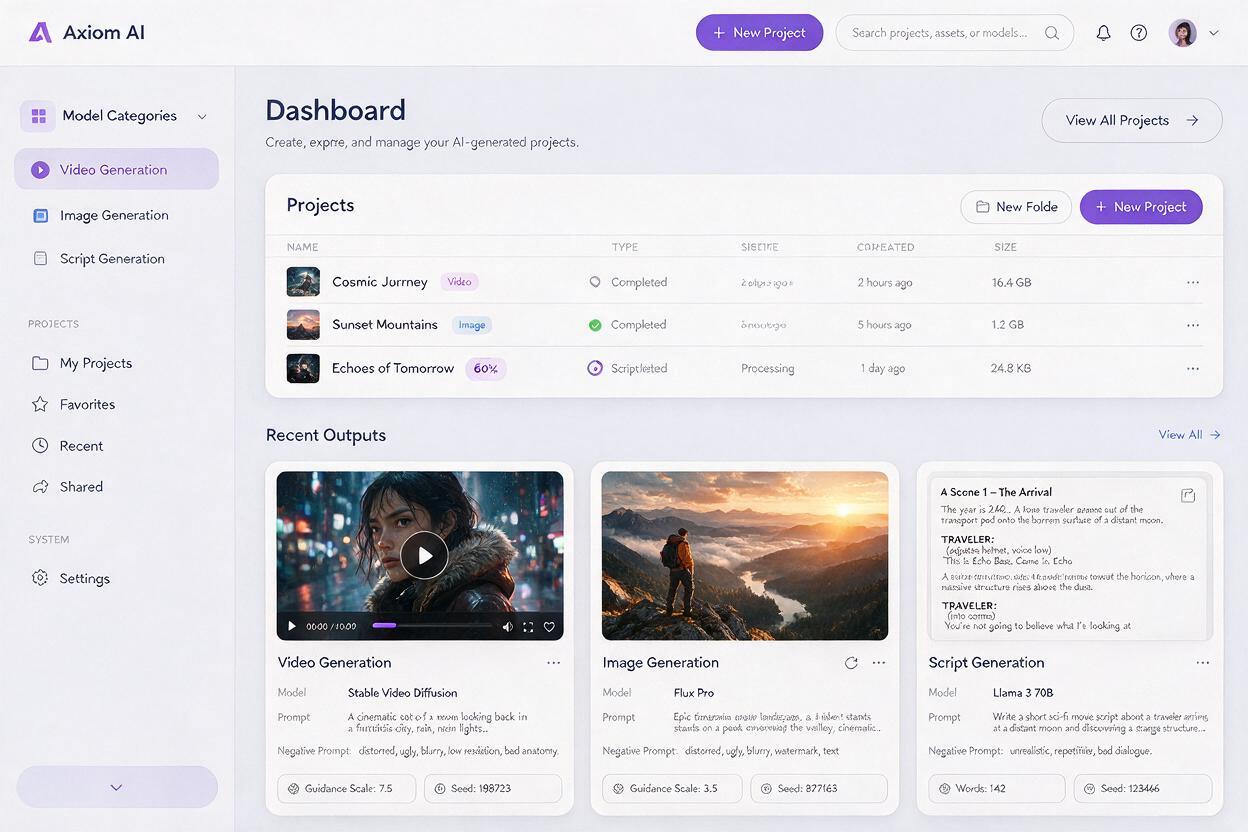
Multi-model AI platforms like MagicBoat solve many of these barriers by integrating a wide range of both closed and open-weight AI models into a single, no-code interface. This means creators can experiment with the latest models — including open-weight options — without managing infrastructure, handling technical deployment, or learning complex setup processes.
For video creators, an ai video generator built into a multi-model platform lets you test different scripting, scene generation, and editing models side by side to find the best fit for each project. Whether you’re working on a short-form social media clip or a longer narrative piece, being able to switch between models with a single click saves hours of trial and error across separate tools.
For visual creators, an ai image generator with access to multiple open and closed models makes it easy to compare styles, output quality, and generation speed without switching between separate accounts or paying for multiple subscriptions. You can generate concept art, storyboard frames, and promotional visuals all in one place, streamlining your entire pre-production workflow.
Beyond individual tools, multi-model platforms create a unified creative workflow where you can move from script drafting to visual asset creation to final video editing without exporting and importing files across a dozen different tools. If you want to explore a range of leading AI models for creative work in one place, you can try these models for free on MagicBoat today.
Key Takeaways
- OpenAI announced two open-weight GPT-OSS models (120B and 20B parameters) on October 19, 2026, expanding the fast-growing ecosystem of publicly available frontier AI models.
- Open-weight models offer creators potential benefits including custom fine-tuning for brand-specific style, greater control over creative output, and reduced provider lock-in, but come with high technical barriers to direct use.
- Multi-model AI platforms give creators easy, no-code access to both open and closed models in one interface, making it simple to test new tools and build flexible, resilient creative workflows.
- As the AI landscape continues to evolve rapidly, working with a platform that regularly adds new models ensures you can take advantage of the latest advancements without extra setup or cost.
Keywords
openai gpt-oss, open weights ai, ai news, ai tools, generative ai models, ai content creation, frontier ai