OpenAI Releases Open-Weight GPT-OSS-120B and 20B Models
On October 19, 2026, OpenAI announced two open-weight models: GPT-OSS-120B and GPT-OSS-20B, marking a notable shift from the company’s historical closed-model approach. The release expands the growing ecosystem of open AI tools available to creators, offering new options for scripting, content drafting, and custom workflow integration. Multi-model platforms like MagicBoat help teams test new models alongside existing tools without disrupting production pipelines.
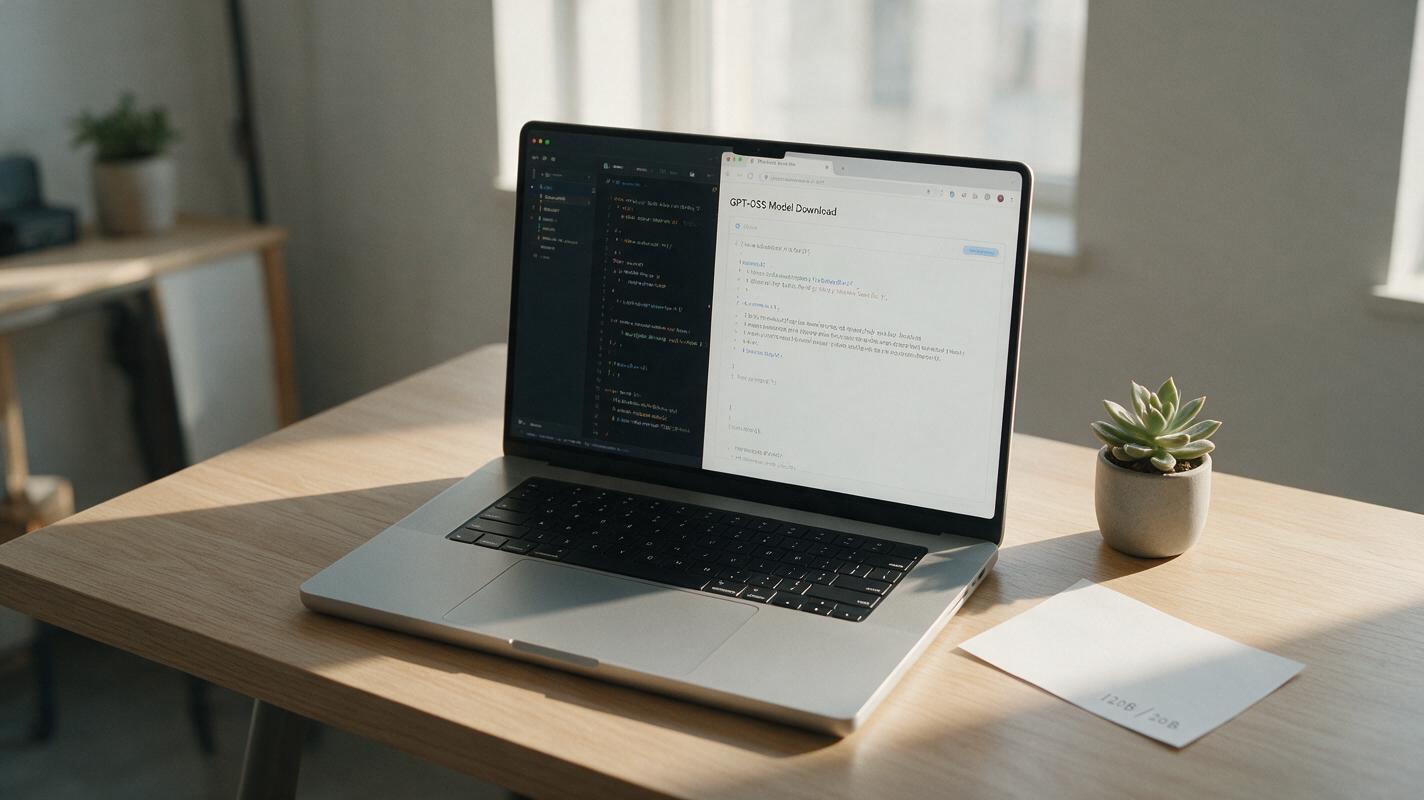
Table of contents
What We Know About OpenAI’s GPT-OSS Open-Weight Models
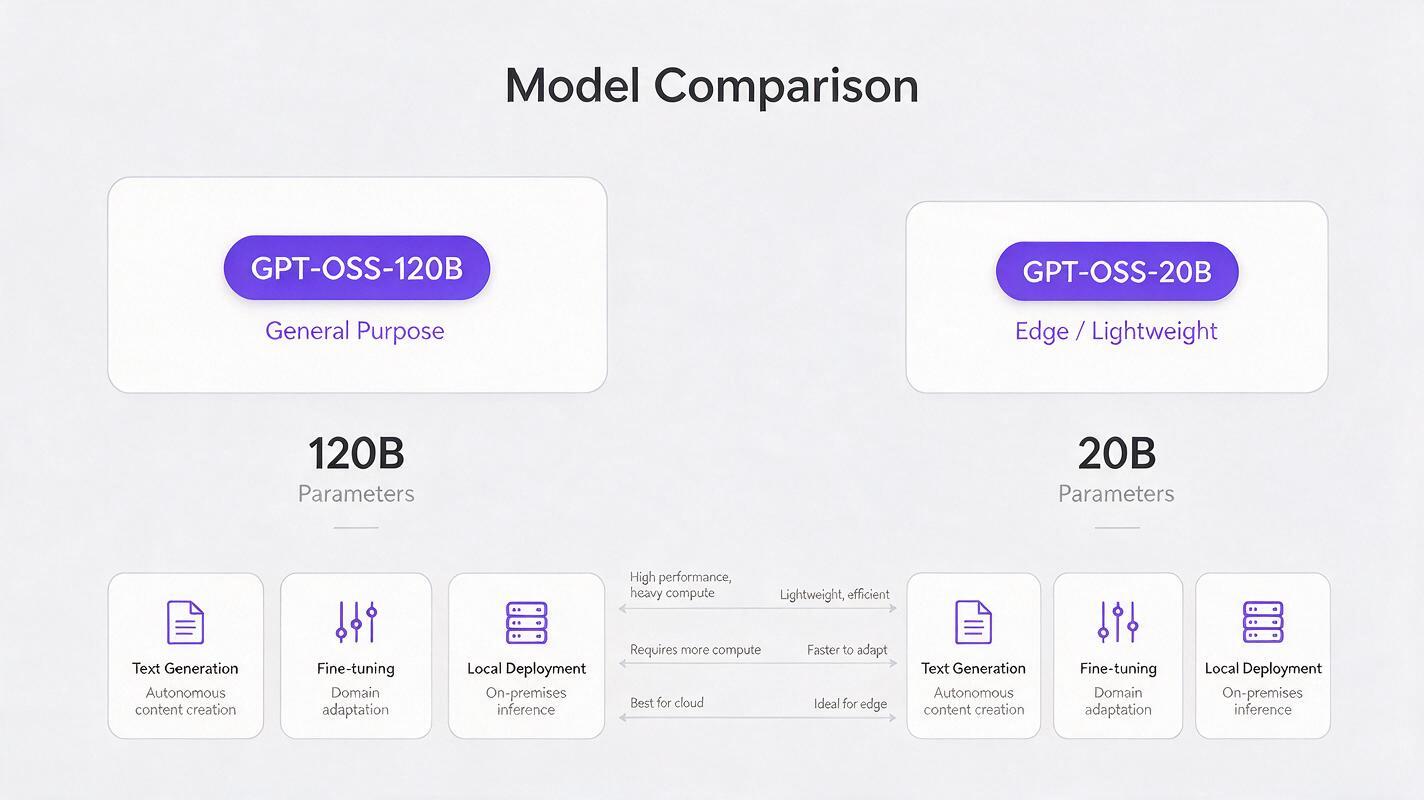
On October 19, 2026, OpenAI unveiled two open-weight models under its new GPT-OSS line: a 120-billion-parameter variant named GPT-OSS-120B and a smaller 20-billion-parameter variant named GPT-OSS-20B. The announcement marks a notable strategic shift for the company, which has historically restricted access to its flagship model weights, offering only API-based inference for most of its commercial products.
As of the initial public announcement, further details about the GPT-OSS models remain unconfirmed. This includes official licensing terms, training data sources, benchmark performance across common tasks, supported languages, fine-tuning capabilities, and specific commercial use restrictions. Teams evaluating the models for production use should wait for full official documentation and conduct independent testing before making long-term commitments.
The release comes amid a broader industry trend toward open-weight AI models, with competitors like Meta, Mistral, and Aleph Alpha already offering open or partially open model weights for various use cases.
Why Open-Weight Models Matter for Content Creation
Open-weight AI models offer creators and creative teams several key advantages over closed, API-only alternatives. With direct access to model weights, teams can run models locally or on private cloud infrastructure, reducing reliance on third-party uptime, avoiding unexpected API price changes, and keeping sensitive creative assets and proprietary data in-house.
Open-weight models put more control in the hands of creators, but that control comes with added responsibility for licensing, performance validation, and infrastructure management.
For content creators, these benefits translate to practical use cases like fine-tuning a model on a brand’s existing content to match its voice perfectly, generating large volumes of draft content without per-token API costs, or integrating AI directly into custom workflow tools. Smaller open-weight models like GPT-OSS-20B can also run on consumer hardware, making them accessible to independent creators who may not have enterprise-level budgets.
Navigating a Crowded AI Model Landscape
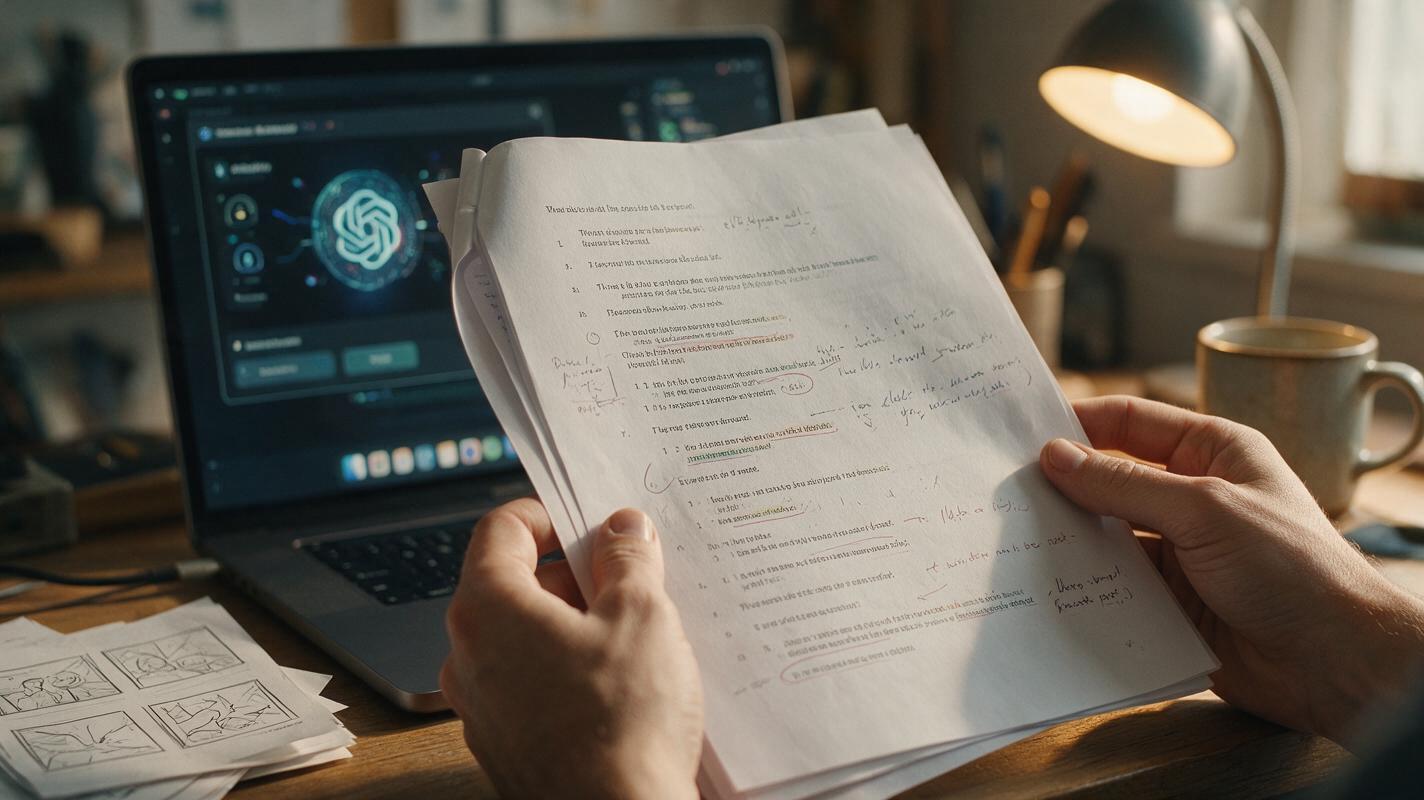
The launch of OpenAI’s GPT-OSS line adds to an already fast-expanding ecosystem of AI models from dozens of providers, each with different strengths, pricing models, and access methods. For creative teams, this growing selection is a double-edged sword: more options mean it’s easier to find a model that fits a specific task, but managing multiple accounts, APIs, and tools can lead to workflow fragmentation and wasted time.
Centralized multi-model platforms like MagicBoat solve this problem by bringing a wide range of AI tools under one unified account, so creators can test new models like GPT-OSS alongside established alternatives without switching between services or managing separate billing plans. For example, a creator could use an ai script generator powered by one model for initial drafting, then switch to a different model for dialogue polishing or tone adjustment, all within the same workspace.
Practical Considerations for Creators Testing New Models
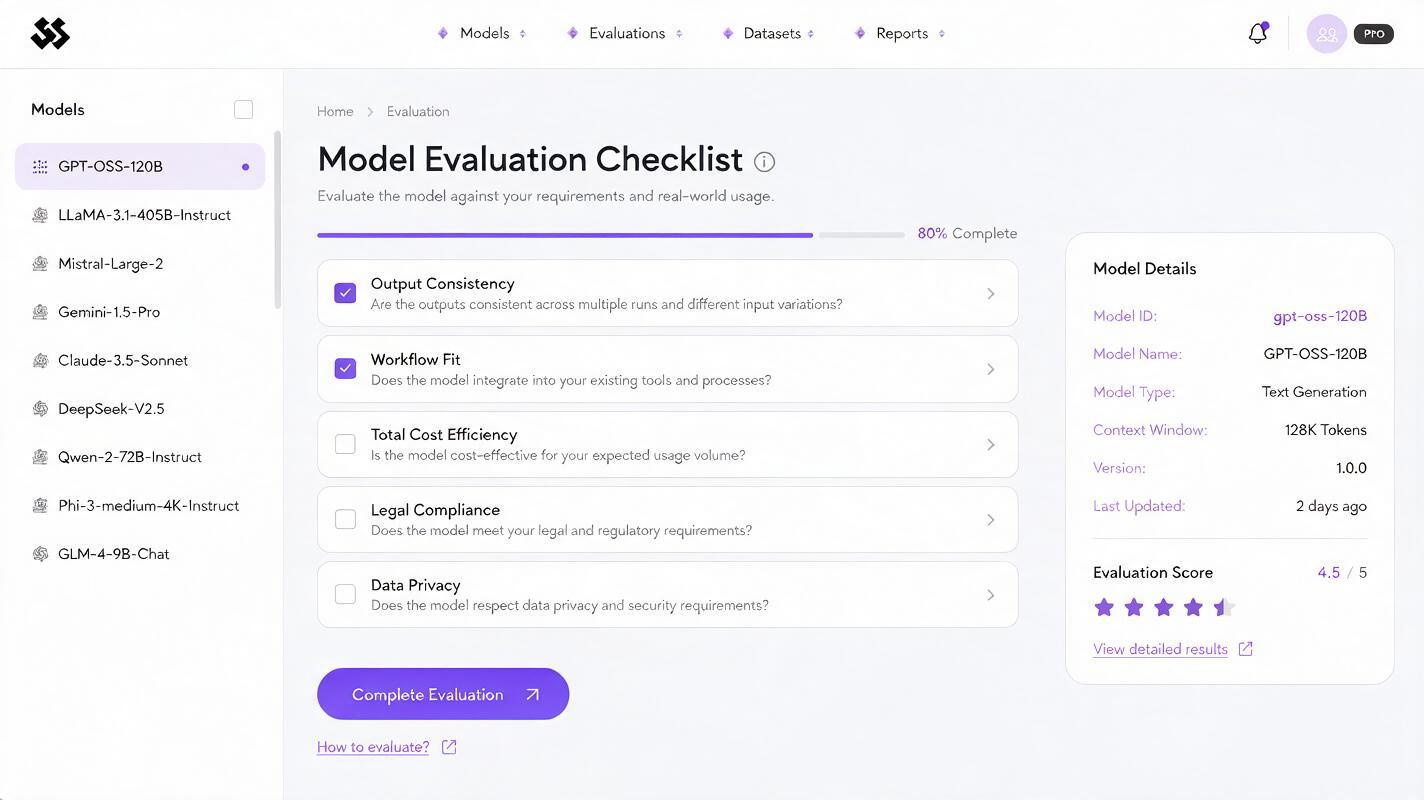
When evaluating a new open-weight model like GPT-OSS-120B or GPT-OSS-20B, creators should focus on real-world performance in their specific workflows rather than relying solely on marketing claims or parameter counts. Key factors to assess include:
- Output consistency: Does the model produce reliable, on-brand results across a range of prompts, use cases, and content types? Test with your most common tasks to measure accuracy and revision needs.
- Workflow fit: Can the model integrate smoothly into your existing content creation pipeline, from initial ideation and scripting to final text to video production?
- Total cost efficiency: For open-weight models, calculate total cost including hosting, fine-tuning, maintenance, and any licensing fees, then compare against API-based alternatives for your typical workload volume.
- Legal and compliance: Confirm that the model’s licensing terms allow for your intended commercial use, especially if you plan to fine-tune it on proprietary content or use it for client work.
- Data privacy: If you’re working with sensitive or unreleased creative content, verify that running the model locally or on private infrastructure meets your data security requirements.
Key Takeaways
- OpenAI announced two open-weight models, GPT-OSS-120B and GPT-OSS-20B, on October 19, 2026, marking a significant shift from its historical closed-model strategy.
- Open-weight models offer creators greater control, flexibility, and potential cost savings, but require careful evaluation of licensing, performance, and total cost before production use.
- A unified multi-model platform makes it easy to test new AI models alongside existing tools, reducing workflow fragmentation and letting creators focus on producing content rather than managing tools.
Ready to explore the latest AI models for your creative projects? try these models for free on MagicBoat and find the perfect fit for your next video, script, or design project.
Keywords
ai news, ai tools, openai gpt-oss, open-weight models, ai script generator, text to video, ai roundup