OpenAI Releases Open-Weights GPT-OSS-120B and 20B Models
OpenAI announced open-weight GPT-OSS-120B and GPT-OSS-20B models as part of its October 19, 2026 updates. The release adds two new openly available model sizes to OpenAI’s portfolio, though specific details around licensing, performance benchmarks, and general availability have not been disclosed. For AI content creators, the launch underscores the growing open-model ecosystem and the value of flexible multi-model workflows.
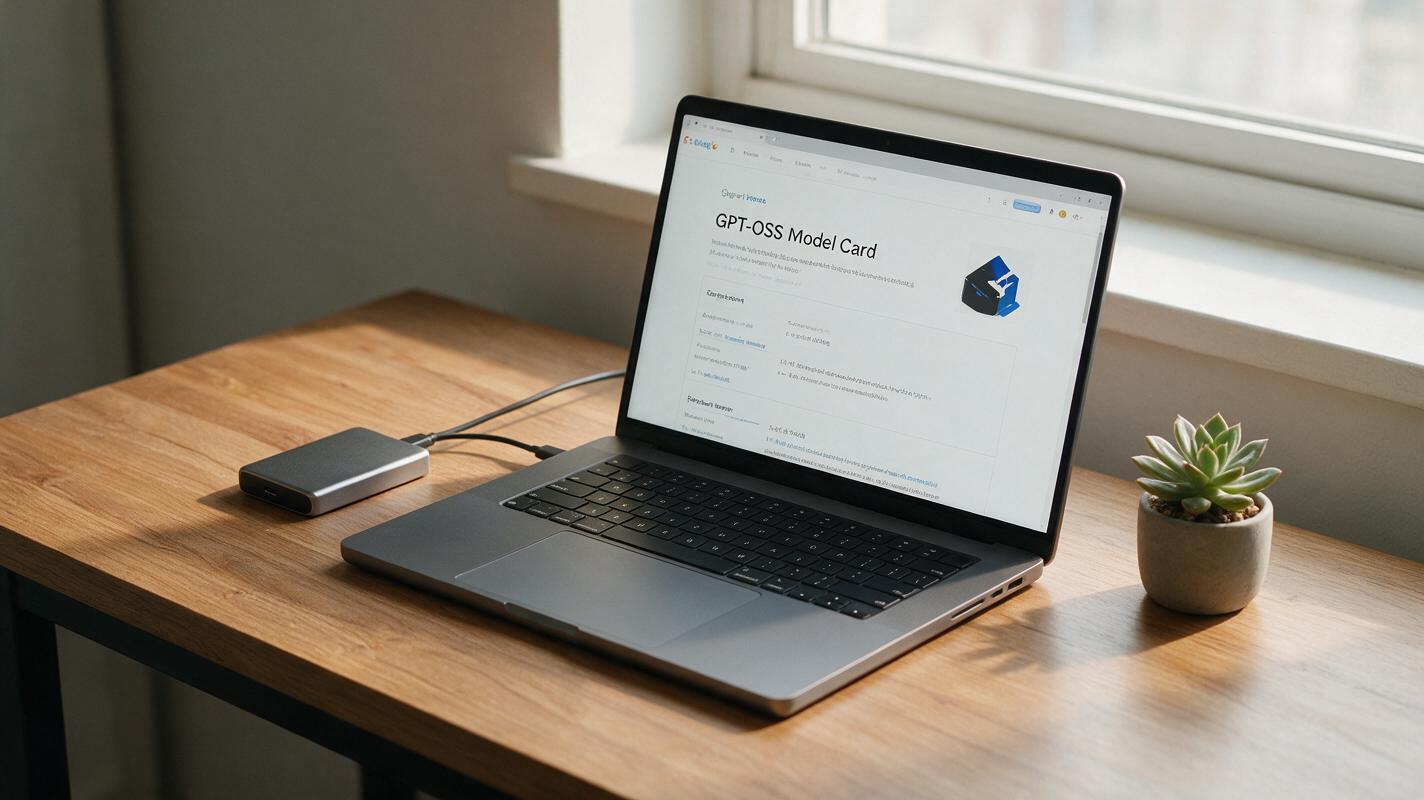
Table of contents
What We Know About OpenAI's GPT-OSS Open-Weight Models
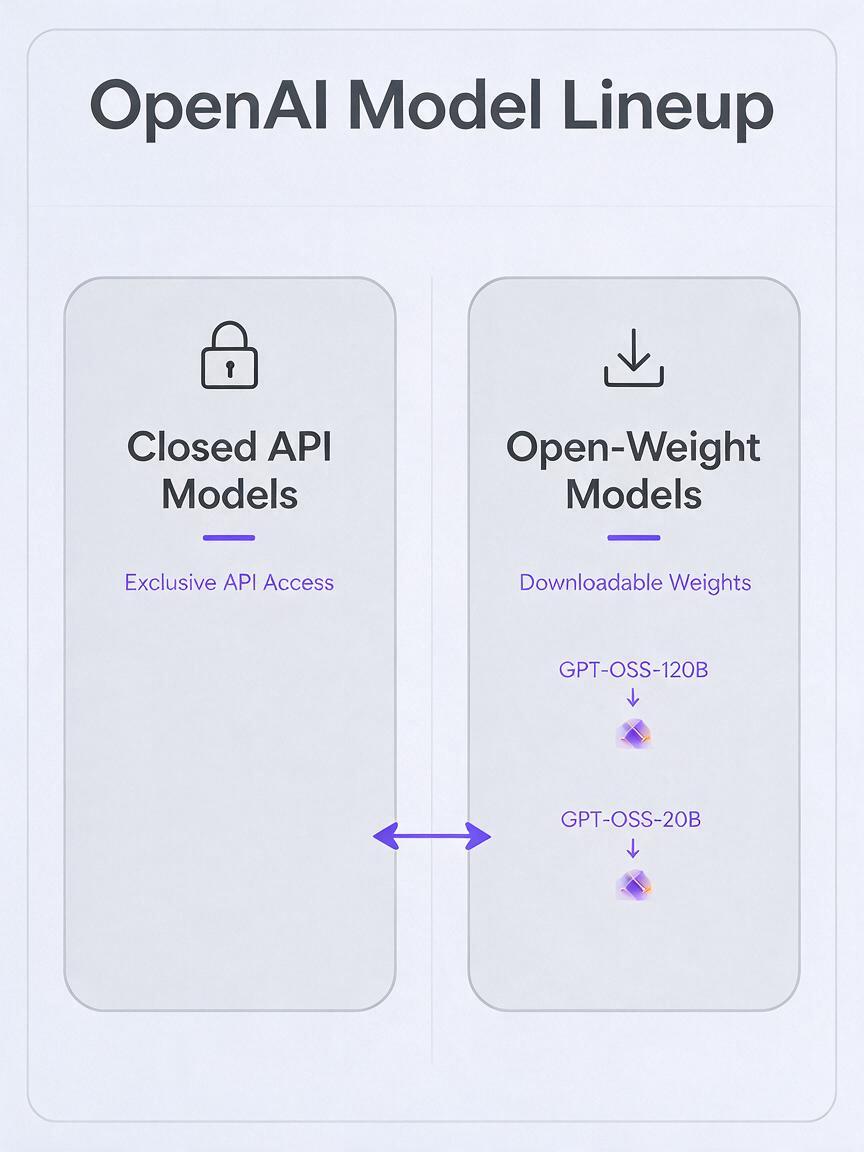
On October 19, 2026, OpenAI announced two new open-weight models under the GPT-OSS line: GPT-OSS-120B and GPT-OSS-20B. The announcement marks a notable expansion of OpenAI’s publicly available model portfolio, as the company has historically focused on closed, API-accessible models rather than releasing weights for public use.
As of the initial announcement, key details about the GPT-OSS models remain unconfirmed. No information has been released about the models’ training data, licensing terms, performance benchmarks, fine-tuning capabilities, or exact availability channels. The 120B and 20B parameter sizes suggest a tiered offering, with the larger 120B model likely targeting higher-complexity tasks and the 20B model optimized for faster, more cost-effective deployment.
OpenAI has not yet shared use case guidelines, hardware requirements for self-hosting, or whether the models will be available through commercial API providers in addition to direct weight downloads.
Why Open-Weight Models Matter for the AI Ecosystem
Open-weight AI models differ from closed, API-only models in that users can download the full model weights and run, modify, or fine-tune them on their own infrastructure. This approach offers several potential advantages for developers and organizations, including greater control over data privacy, custom fine-tuning for niche use cases, and reduced reliance on third-party API uptime and pricing changes.
For the broader AI industry, OpenAI’s entry into the open-weight space signals a shift in the competitive landscape. Rival providers like Meta, Mistral, and DeepSeek have already released multiple open-weight models, and OpenAI’s GPT-OSS line adds a well-known brand to the open-model pool. The move could accelerate innovation by giving more researchers and developers access to high-capacity models that were previously only available through paid API subscriptions.
At the same time, open-weight models come with ongoing debates around safety, misuse potential, and intellectual property. Without centralized API controls, open models can be used for a wider range of applications — both beneficial and harmful — which has led to calls for clear licensing and usage guardrails for high-parameter open models.
What This Means for AI Content Creators
For AI content creators, the arrival of new open-weight models like GPT-OSS-120B and GPT-OSS-20B opens up potential new workflow options, though practical value will depend on unconfirmed details like licensing and performance. For creators working with sensitive content or strict data privacy requirements, self-hosted open models could eliminate the need to send content to third-party API providers, reducing data leakage risks.
Creators who specialize in niche content styles or formats may also benefit from the ability to fine-tune open-weight models on their own existing content libraries, potentially producing more consistent, on-brand output than generic closed models. For teams building custom content pipelines, open models offer greater flexibility to integrate AI capabilities directly into internal tools rather than relying on external API integrations.
That said, open-weight models are not a one-size-fits-all solution for creators. Running large models like a 120B parameter model requires significant hardware resources, which may be out of reach for individual creators or small teams. Additionally, without official support or regular updates from the model provider, users may face challenges with bug fixes, safety patches, or new feature additions.
Many creators already use a mix of closed API models and open tools to balance performance, cost, and flexibility. For example, a creator might use a closed ai video generator for fast, high-quality video output, while experimenting with open models for custom scriptwriting or image editing tasks.
How Multi-Model Platforms Help Creators Navigate New Releases
The pace of AI model launches has accelerated rapidly in 2026, with new models, updates, and pricing changes announced on an almost weekly basis. For creators, staying on top of every new release — and testing each one to see if it fits their workflow — can be a full-time job that takes time away from actual content creation.
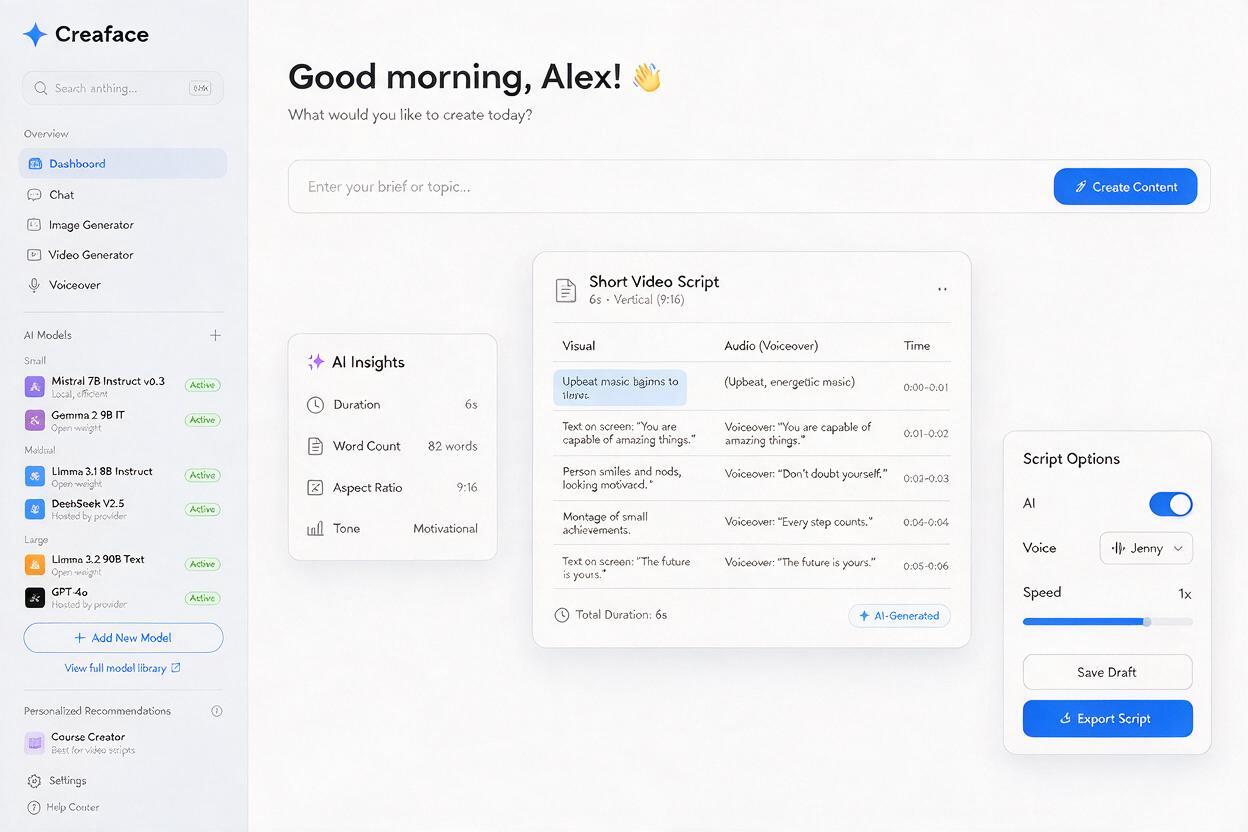
Multi-model AI platforms address this challenge by aggregating a wide range of AI tools and models under a single account, so creators can test new models as they launch without setting up new accounts, managing multiple billing plans, or learning new interfaces. This flexibility is especially valuable as the open-model ecosystem grows, since platforms can integrate popular open models alongside closed API options, letting creators compare output quality and cost in one place.
For example, a creator working on short-form social media content might use text to video tools from multiple providers to find the best style for their brand, then switch between models as new updates are released — all without rebuilding their entire workflow. Platforms that regularly update their model rosters also reduce the risk of workflow disruption if a specific model is discontinued, updated with unwanted changes, or becomes too expensive.
As OpenAI’s GPT-OSS models and other open-weight options become more widely available, multi-model platforms will likely play an even bigger role in helping creators evaluate and adopt new tools without the technical overhead of self-hosting or managing multiple API keys.
If you’re looking to explore a wide range of AI content tools in one place, you can try these models for free to see which ones fit your creative workflow best.

Key Takeaways
- OpenAI announced two open-weight models, GPT-OSS-120B and GPT-OSS-20B, on October 19, 2026, marking the company’s expansion into the open-model space.
- Key details about the models — including licensing, performance benchmarks, and availability — have not yet been confirmed, so practical use cases remain untested.
- Open-weight models offer potential benefits for creators around data privacy, custom fine-tuning, and workflow flexibility, but require significant hardware resources for self-hosting.
- Multi-model AI platforms help creators navigate the fast-growing AI tool ecosystem by aggregating multiple models and tools under a single account, reducing workflow friction and disruption risk.
Keywords
ai news, ai tools, openai, open weights, gpt-oss, ai models, ai roundup