Hidden Recording Devices Found in OpenAI Office, Employee Arrested
On October 15, 2026, hidden recording devices were discovered in OpenAI's office, leading to the arrest of an employee. The incident coincides with reports of OpenAI's early acquisition talks with cybersecurity startup Trail of Bits, highlighting growing security focus at leading AI labs. This article covers the known details of the incident, its industry implications, and how creators can build resilient AI workflows with multi-model platforms.
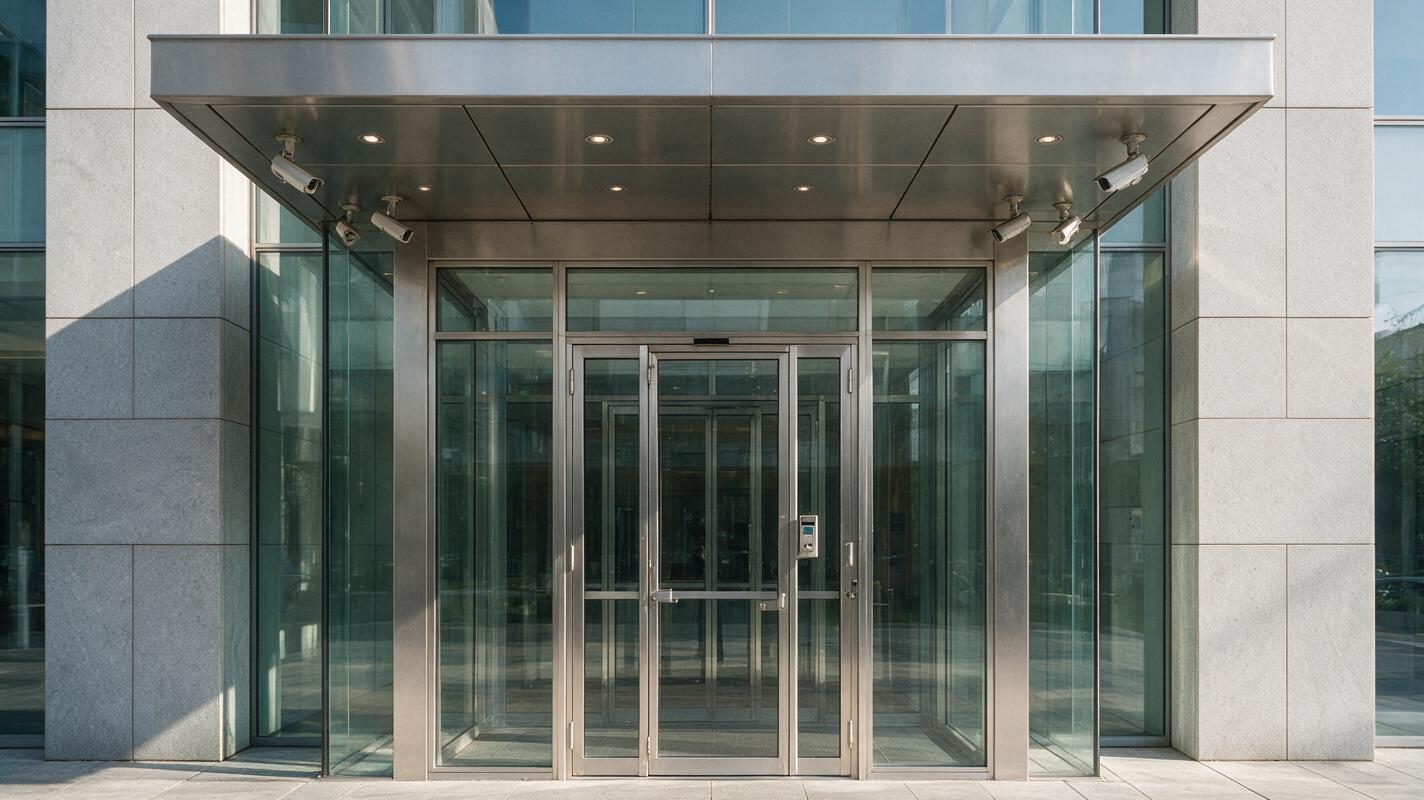
Table of contents
What Happened at OpenAI's Office?
On October 15, 2026, reports emerged that hidden recording devices had been discovered in OpenAI's office, leading to the arrest of an employee. No additional details about the incident—including the number of devices found, their location within the office, the identity or role of the arrested employee, or the suspected motive behind the recordings—have been publicly confirmed as of initial reports.
The incident marks a rare internal security breach at one of the world's leading AI research labs, which develops and houses some of the most advanced generative AI models and related trade secrets in the industry.

OpenAI's Concurrent Security Initiatives
The recording device discovery comes alongside separate October 15 reports that OpenAI is in early talks to acquire Trail of Bits, a well-known cybersecurity startup. Details about the potential acquisition—including the proposed purchase price, timeline, and specific security capabilities OpenAI aims to integrate—remain unconfirmed. The timing of the two reports has drawn attention to OpenAI's broader focus on internal and product security amid ongoing industry debates about AI safety and risk management.
Broader Industry Security Implications
Internal security incidents at major AI labs raise important questions about the protection of sensitive research data, model training materials, and unreleased product information. For companies operating at the frontier of AI development, breaches of physical or digital security can have far-reaching consequences, from delayed product launches to compromised safety research.
This incident also comes amid a wider wave of regulatory and security scrutiny across the AI industry, including ongoing FTC investigations into leading labs and growing focus on AI system safety from policymakers and the public.

What This Means for Content Creators
For creators who rely on AI tools to produce content, security and operational stability at AI providers are critical considerations. If a major security incident leads to service outages, temporary model restrictions, or shifts in provider policies, creators can face disrupted workflows, missed deadlines, and lost productivity.
For social media creators posting daily short-form videos, a single day of AI tool downtime can throw off a carefully planned content calendar. For freelance graphic designers, restricted access to image generation tools can delay client deliverables and harm professional reputations.
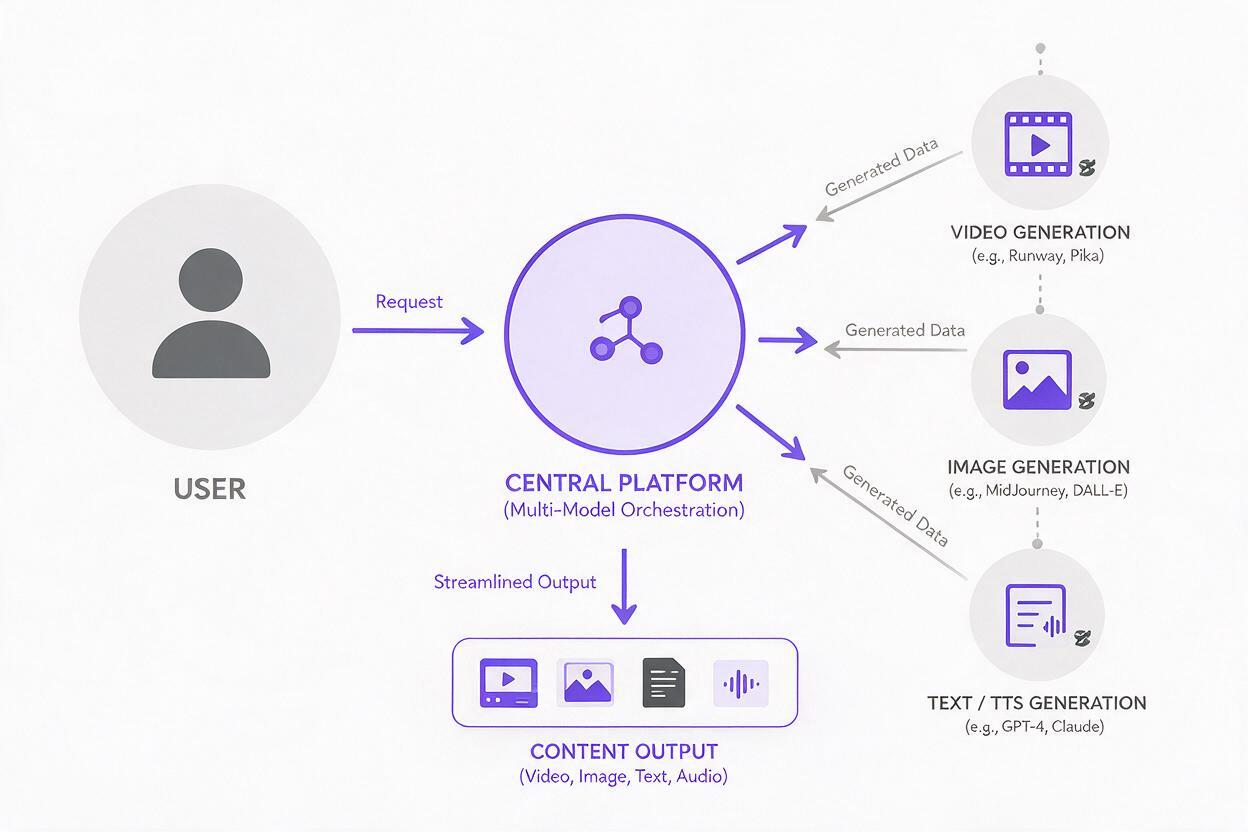
Whether you use an ai video generator for social media content, text to image for marketing visuals, or AI writing tools for script development, depending on a single AI provider creates unnecessary vulnerability. A multi-model platform allows you to diversify your toolset, so you can switch between different models and providers if one experiences issues.
MagicBoat offers a single-account interface with access to dozens of AI tools from leading providers, making it easy to build a flexible, resilient creative workflow. You can test different models for specific tasks, compare output quality, and pivot quickly if a provider experiences downtime or policy changes—all without managing multiple separate accounts or billing arrangements. If you're ready to build a more reliable creative workflow, try these models for free and explore the benefits of multi-model access.
Other October 15 AI News Highlights
The OpenAI security incident was one of several notable AI news items reported on October 15:
- Gemini 4 Argon fully opened: Google's Gemini 4 Argon model became fully available with promotional pricing of $2 per million input tokens and $10 per million output tokens, alongside a new Task Mode feature.
- Anthropic expands Cyber Verification Program: Anthropic announced an expansion of its Cyber Verification Program in preparation for the 2026 US midterm elections, focusing on enhancing election-related security and misinformation detection.
Key Takeaways
- Hidden recording devices were discovered in OpenAI's office on October 15, 2026, resulting in the arrest of an employee; further details about the incident remain unconfirmed.
- The incident coincides with reports that OpenAI is in early talks to acquire cybersecurity startup Trail of Bits, highlighting the company's growing focus on internal and product security.
- Internal security events at AI labs can impact service reliability and access for end users, creating risks for creators who depend on single-provider AI workflows.
- Building a multi-model AI workflow with a platform like MagicBoat helps creators mitigate disruption risks and maintain consistent production schedules.
Keywords
openai hidden recording devices, ai news, ai tools, openai safety, ai security, ai industry, multi-model ai platform