Hidden Recording Devices Found in OpenAI Office, Employee Arrested
Hidden recording devices were discovered in OpenAI's office in October 2026, leading to the arrest of an involved employee. While the incident is primarily an internal security matter, it highlights the importance of workflow resilience for AI video and image creators who rely on OpenAI models like GPT-6. This article breaks down the known details and explains how multi-model creative platforms can reduce disruption risk.
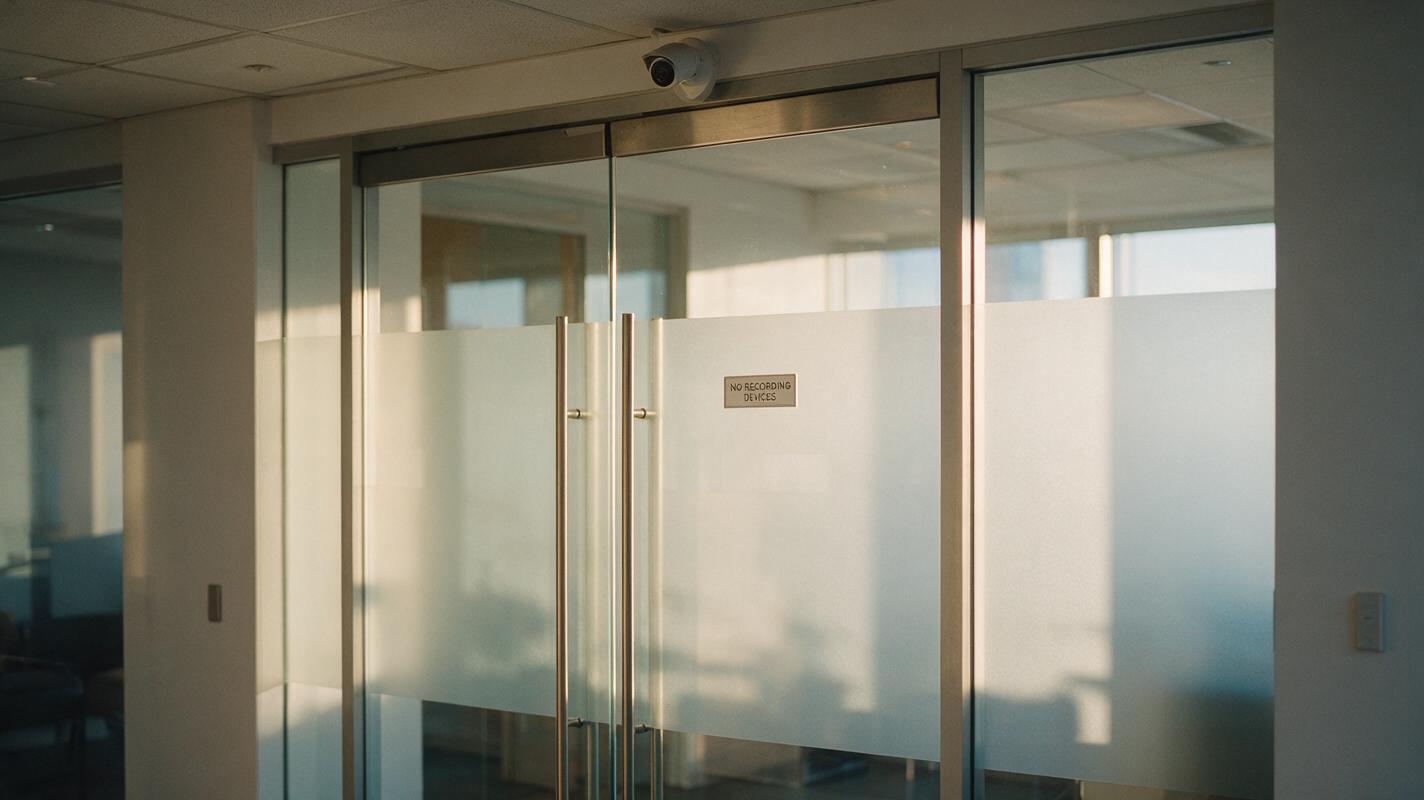
Table of contents
What Happened at OpenAI's Office
On October 15, 2026, reports surfaced that hidden recording devices had been discovered inside OpenAI’s office facilities, resulting in the arrest of an employee connected to the devices. The incident, first reported by Jiemian News, represents a notable internal security breach at the AI research lab, which develops and operates some of the most widely used frontier AI models in the world, including the GPT-6 family of models.
As of initial reports, few additional details have been made public. OpenAI has not issued an official statement confirming the incident, outlining the scope of the surveillance, or detailing the potential information that may have been recorded. The identity and role of the arrested employee have also not been disclosed, and the motive behind the placement of the recording devices remains under investigation.
While the incident is primarily an internal security matter, it has drawn attention from the broader AI community due to OpenAI’s central role in the development and deployment of generative AI tools used by millions of people, including content creators, developers, and enterprises.
Key Confirmed Details of the Incident
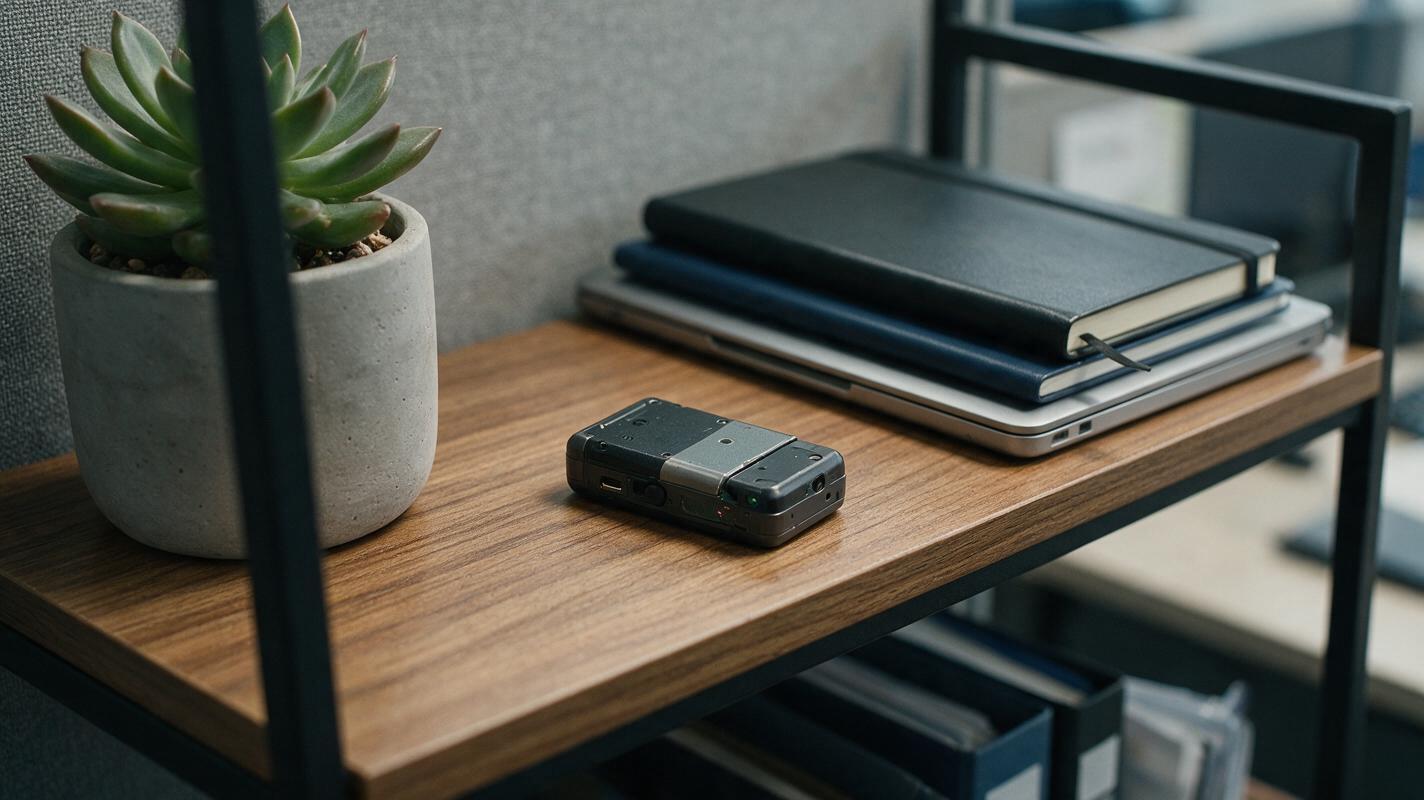
Publicly available information about the incident remains limited, but core details from initial reports include:
- Hidden recording devices were discovered inside OpenAI’s office space.
- An employee has been arrested in connection with the placement of the devices.
- The incident was first reported on October 15, 2026.
- No official confirmation or further details have been released by OpenAI as of the time of publication.
It is not yet known whether the recording devices targeted specific areas of the office, such as research labs, executive suites, or common areas, nor is it clear what type of information may have been captured. Investigations are ongoing, and more details may emerge as the case progresses.
What This Means for AI Video and Image Creators
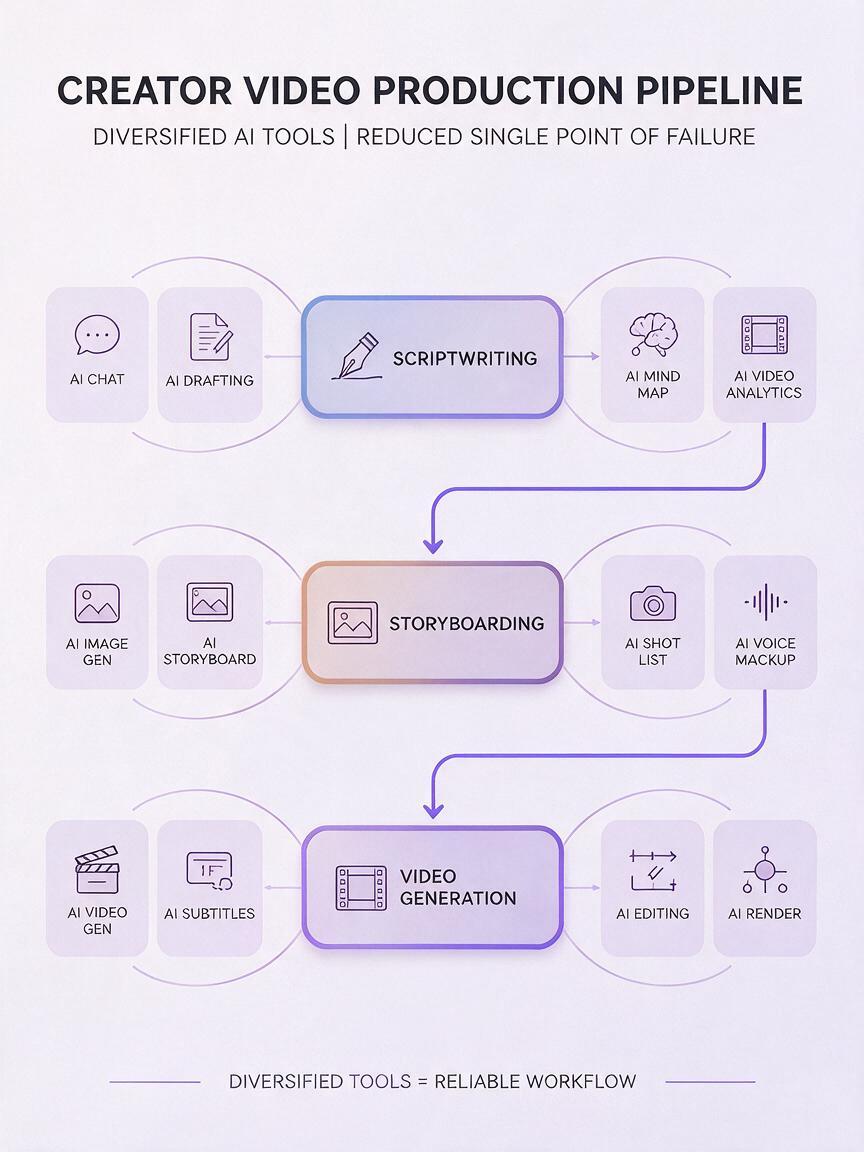
For AI video and image creators who rely on OpenAI models like GPT-6 for parts of their workflow, the incident raises important questions about operational reliability and risk management, even if there is no immediate impact on public model availability. Creators often depend on AI tools for critical tasks ranging from scriptwriting and storyboarding to concept art generation and post-production support, so any potential disruption to service or delayed model updates can have tangible effects on project timelines.
Many creators use text to video and image-based AI tools to streamline their creative process, reducing the time and cost associated with producing high-quality content. When a major provider experiences internal security issues, there is always a possibility of temporary operational adjustments, reduced support capacity, or delayed feature rollouts as the company addresses the situation.
This incident also underscores a broader point about AI tooling for creators: relying on a single provider for all your AI needs creates a single point of failure. Even if a provider has a strong track record of reliability, unforeseen events — from security incidents to regulatory changes to infrastructure outages — can disrupt access to the tools you depend on.
Building Resilient Creative Workflows With Multi-Model Platforms
One of the most effective ways creators can mitigate the risk of service disruptions is by using a multi-model AI platform that provides access to a range of tools from different providers, all under one account. This approach allows you to switch between models and tools seamlessly if one provider experiences issues, without losing progress or having to rebuild your workflow from scratch.
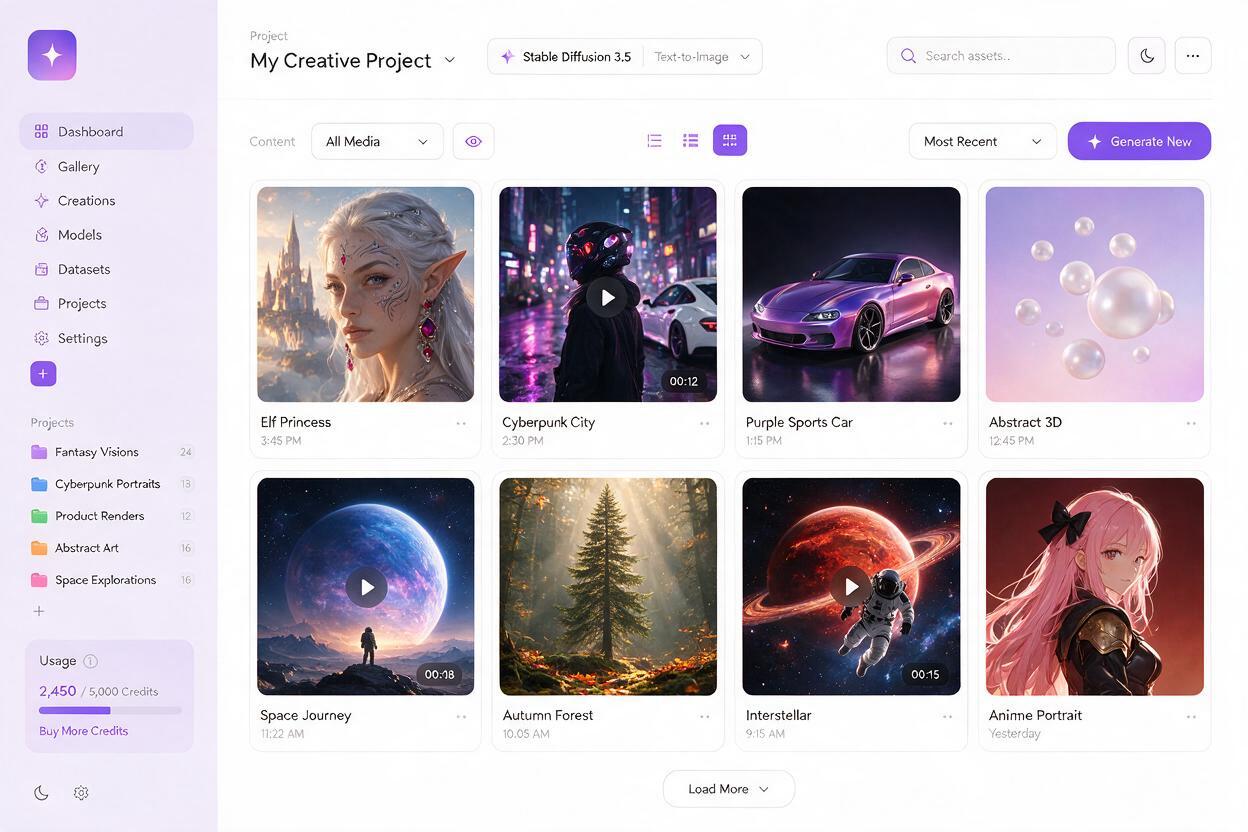
MagicBoat offers a unified creative platform with access to dozens of AI tools designed for video and image creators, including an ai image generator, video generation tools, storyboarding support, voiceover tools, and more. By centralizing your AI creative tools in one platform, you can test different models for each task, compare output quality, and ensure you always have a backup option available if your primary tool is unavailable.
Multi-model platforms also make it easier to adapt to changing model capabilities and pricing. As new models are released or existing models are updated, you can evaluate them within your existing workflow without having to sign up for multiple separate accounts or manage multiple billing subscriptions.
Practical Tips for Workflow Resilience
Beyond using a multi-model platform, there are several simple practices creators can adopt to make their workflows more resilient to potential disruptions:
- Keep portable copies of all creative assets — Store scripts, storyboards, source images, and project files in a format you can access and use with any tool, rather than relying solely on cloud storage tied to a single provider.
- Test alternative tools for key tasks — Before you need them, test 1-2 alternative tools for each critical step in your workflow, so you know how to use them if your primary option is unavailable.
- Diversify your model usage — Use different models for different tasks to spread out your risk, rather than relying on a single provider for every part of your creative process.
- Stay informed about provider updates — Follow official announcements from the AI providers you use, so you can plan ahead for any scheduled maintenance, policy changes, or potential disruptions.
Key Takeaways
- Hidden recording devices were discovered in OpenAI’s office in mid-October 2026, with one employee arrested in connection with the incident; full details remain under investigation.
- While there is no confirmed immediate impact on public model availability, the incident highlights the risk of relying on a single AI provider for critical creative workflows.
- Creators can reduce disruption risk by using a multi-model platform that offers text to video, ai image generator, and other tools from multiple providers.
- Simple practices like keeping portable asset copies and testing alternative tools can help maintain workflow continuity during unexpected events.
- try these models for free on MagicBoat to build a more resilient AI creative workflow today.
Keywords
openai office security, openai safety, gpt-6, ai video model, text to video, image to video, free ai tools