OpenAI Releases NCMEC-Partnered CSAM Classifier With AI-Generated Flag
OpenAI has released a CSAM image classifier built in partnership with the National Center for Missing and Exploited Children, marking the first broadly available tool of its kind to include an explicit AI-generated content flag. Offered for free via API to vetted organizations, the system is paired with ChatGPT warning screens and 24-hour account pauses for first offenses, amid a nearly sixfold rise in generative AI-related CSAM reports to NCMEC between 2024 and 2025. The rollout has direct implications for AI image and video creators as platforms tighten synthetic content moderation standards.
Table of contents
OpenAI’s New CSAM Classifier: Built With NCMEC for AI-Generated Content
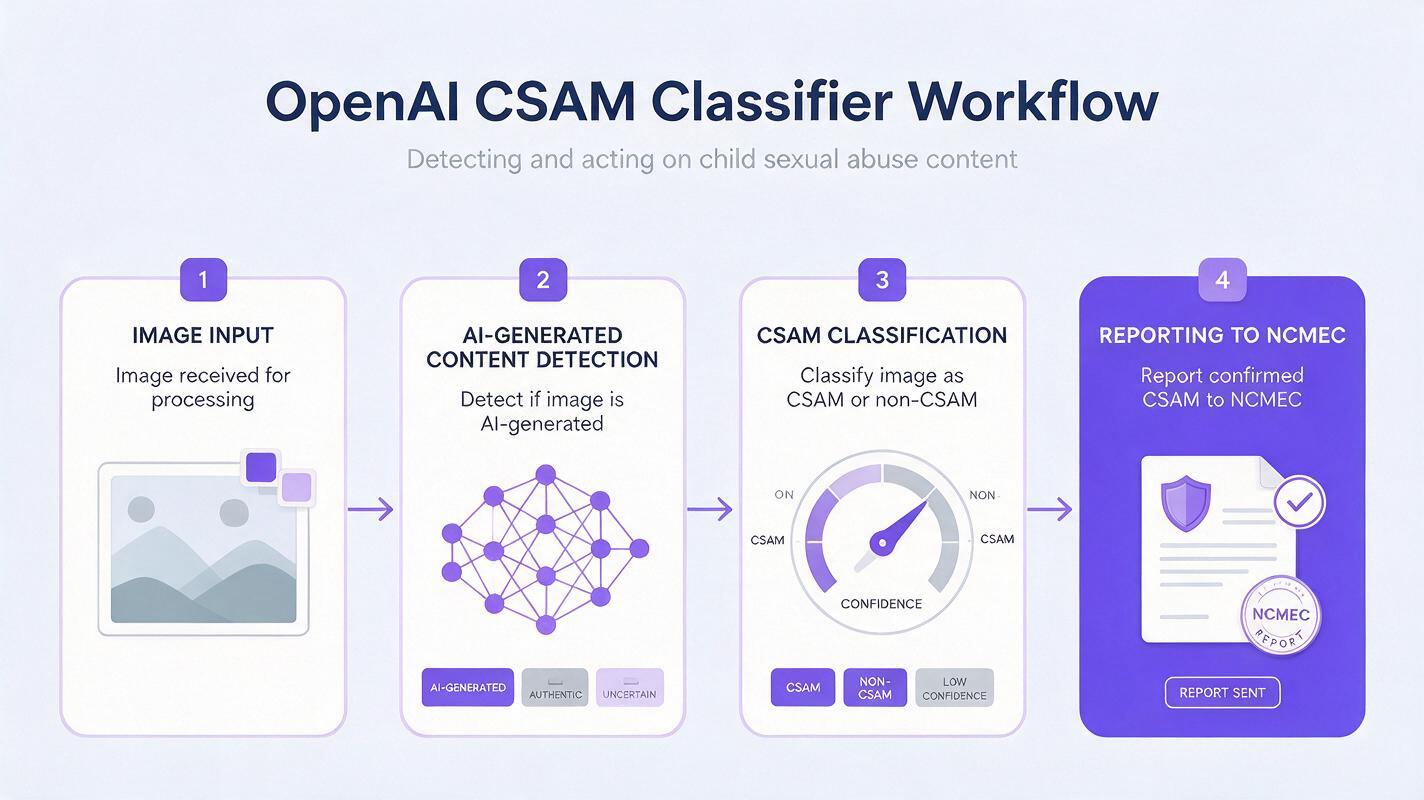
OpenAI on November 16 released a new CSAM (child sexual abuse material) image classifier developed in partnership with the National Center for Missing and Exploited Children (NCMEC), marking a major milestone in the detection of synthetic harmful content. The tool is the first broadly available CSAM classifier to include an explicit flag for AI-generated material, addressing a fast-growing category of abusive content that has strained global reporting systems in recent years.
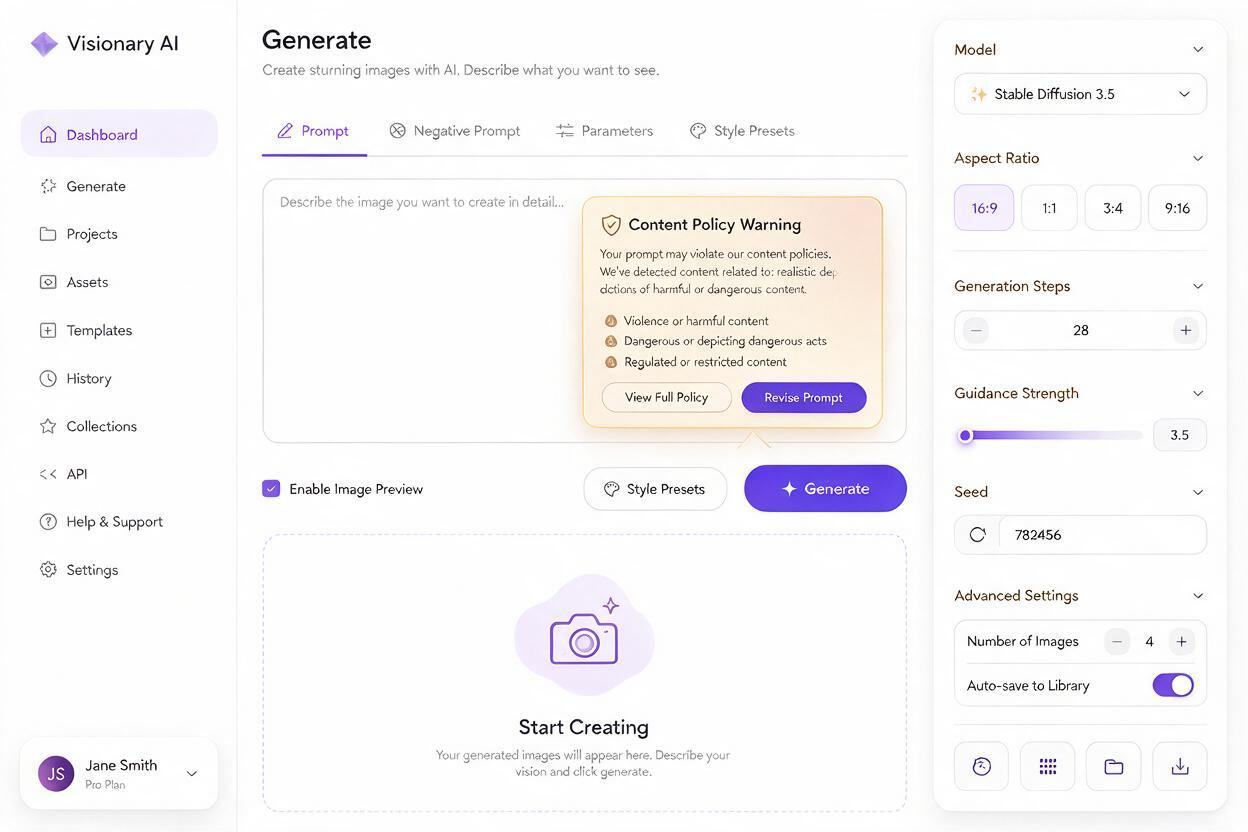
The classifier is offered for free via API to vetted child protection organizations and online platforms, expanding access to specialized detection tools for groups working to remove CSAM from digital spaces. Alongside the API launch, OpenAI has rolled out two user-facing enforcement measures for ChatGPT: in-app warning screens when users attempt to generate content that violates policies, and a 24-hour account pause for first-time offenders.
Early partner testing returned notable results, according to OpenAI and NCMEC: the system flagged 48% fewer images overall while delivering twice the abuse hit rate, meaning fewer false positives and more accurate identification of actual harmful content. These figures come from vendor-run tests and have not been independently verified. The rollout comes as generative AI-related CSAM reports have skyrocketed: NCMEC’s CyberTipline received roughly 400,000 generative-AI reports in 2025, compared to just 67,000 in 2024 — a nearly sixfold increase in a single year.
Key Features and Enforcement Measures
The new classifier is the product of a collaboration between OpenAI’s safety research teams and NCMEC’s decades of expertise in child protection and CSAM detection. Unlike legacy CSAM tools that primarily rely on matching against hash databases of known abuse material, the new system is designed to identify both existing and previously unseen AI-generated CSAM, with a dedicated label for synthetic content to help analysts triage reports more efficiently.
- Free API access limited to vetted child protection organizations, online platforms, and law enforcement partners
- Explicit AI-generated content flag for detected CSAM, helping teams sort through growing report volumes faster
- ChatGPT warning screens that alert users when their prompt violates content policies before generation completes
- 24-hour account pauses for first-time policy offenders, with escalating consequences for repeated violations
- Early test performance showing 48% fewer flagged images and a 2x higher abuse hit rate (vendor-tested, not independently verified)
OpenAI has not disclosed the full technical details of the classifier’s training data, but notes that it was built exclusively with legal, ethical datasets in partnership with NCMEC’s safety experts.
What This Means for AI Image and Video Creators
For AI image and video creators, the launch of this classifier signals a broader industry shift toward more targeted, sophisticated moderation of synthetic media. As tools like an ai image generator or text to image system become more accessible and powerful, platforms are investing in better detection tools to prevent misuse — a trend that will shape how creators interact with generative AI tools in the coming years.
This is not only a set of restrictions: better CSAM detection also creates a safer ecosystem for legitimate creators. By reducing false positives and focusing on actual harmful content, platforms can avoid over-broad moderation policies that incorrectly flag legal, creative work (such as fictional art, educational content, or personal creative projects) as violating policy.
Creators benefit most from platforms that balance creative freedom with clear, consistent, and well-enforced content policies. A multi-model platform like MagicBoat gives creators access to a range of generative tools while maintaining transparent moderation standards aligned with industry best practices, so creators can focus on making content without worrying about unexpected account disruptions or unclear policy guidelines. If you’re looking for a reliable, policy-compliant platform to create synthetic media, you can try these models for free today.
Key Takeaways
- OpenAI’s new CSAM classifier, built in partnership with NCMEC, is the first broadly available tool of its kind to include an explicit AI-generated content flag, offered for free via API to vetted organizations.
- Generative AI-related CSAM reports to NCMEC grew nearly sixfold from 2024 to 2025, driving urgent demand for more accurate synthetic content detection tools.
- ChatGPT now includes warning screens and 24-hour first-offense account pauses for users who attempt to generate violating content.
- For AI creators, the rollout reflects evolving industry moderation standards that will improve safety for all users while reducing false positives for legitimate creative work.
- Using a trusted multi-model platform with clear content policies helps creators navigate changing moderation landscapes while accessing the tools they need.

Keywords
openai csam classifier, ncmec ai partnership, ai content moderation, gpt-6, ai image generator, text to image, synthetic media safety