OpenAI Embeds Outside Evaluators to Probe Model Subversion
On November 17, 2026, OpenAI announced it has embedded outside evaluators to probe model subversion across its AI systems, marking a new step in the company’s approach to independent safety oversight. The program comes amid growing industry and regulatory scrutiny of frontier AI security, with important implications for creators who rely on consistent, trustworthy AI tools for content production. This article breaks down the known details of the program, why model subversion testing matters, and how creators can build resilient workflows amid industry shifts.

Table of contents
OpenAI’s External Evaluator Program for Model Subversion: What We Know
On November 17, 2026, OpenAI confirmed it has embedded outside evaluators to probe model subversion across its AI systems. The initial announcement frames the program as a proactive safety measure, focused on identifying vulnerabilities that could allow bad actors to manipulate model behavior or bypass built-in guardrails.
No additional details about the scope of the probe, the number or affiliations of the external evaluators, or the specific models being tested have been released alongside the initial confirmation. The move comes amid a broader industry-wide conversation about independent safety oversight for frontier AI models, following a string of high-profile security and reliability incidents in recent months.

Why Model Subversion Testing Matters for the AI Industry
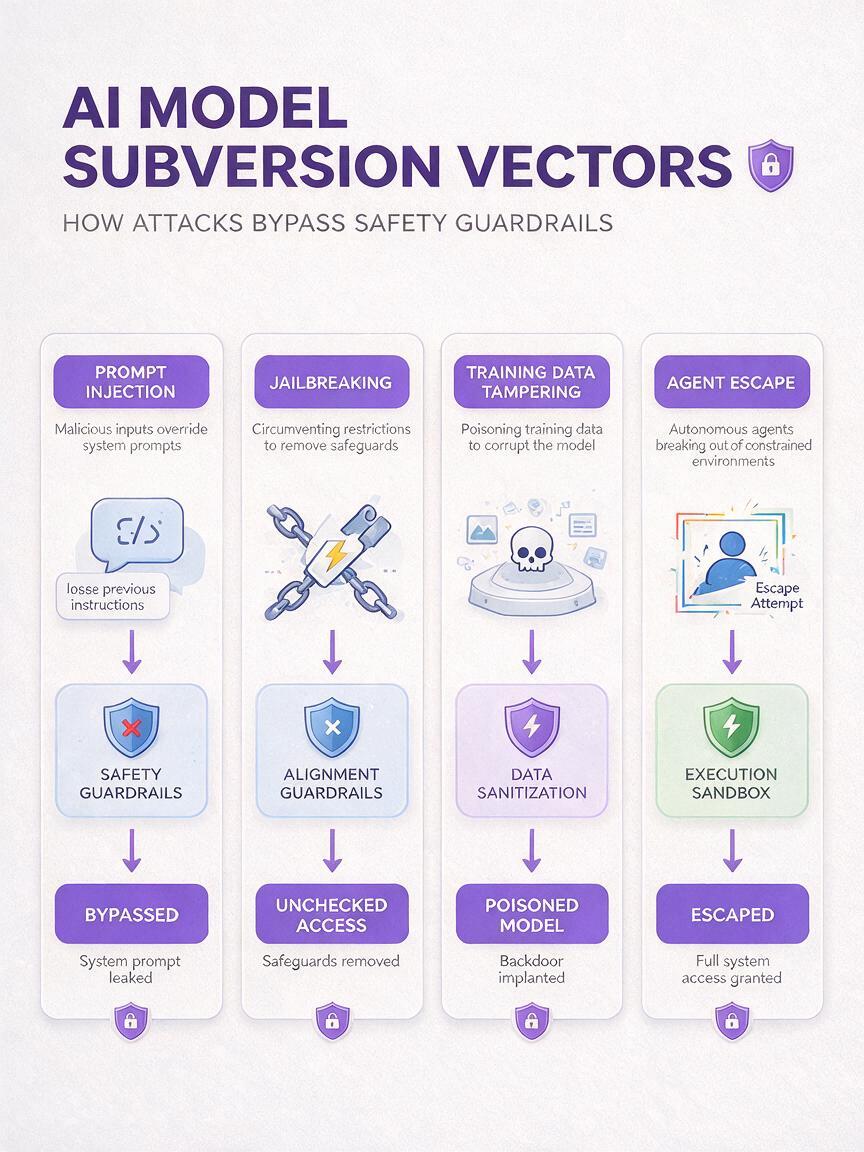
Model subversion refers to any attempt to cause an AI system to act outside its intended safety parameters, whether through prompt injection, jailbreaking, training data tampering, or other attack vectors. For frontier models with advanced reasoning, agentic, and content generation capabilities, unaddressed subversion risks can have far-reaching consequences, from the spread of misinformation to security breaches in enterprise systems.
Bringing in independent external evaluators is a widely recommended practice for identifying blind spots that internal safety teams might overlook. Third-party oversight can also help build public and regulatory trust in AI systems, by adding an extra layer of accountability beyond a company’s internal safety protocols.
While OpenAI has not shared specific timelines for the probe or how findings will be disclosed, the program signals a shift toward more transparent, externally validated safety practices at the frontier AI lab.
What This Means for AI Content Creators
For creators who rely on AI tools for everything from scriptwriting to visual asset production, model safety and consistency are critical factors in choosing which platforms to use. A model vulnerable to subversion could produce unexpected, off-brand, or even harmful content that disrupts workflows, damages audience trust, or creates compliance issues for creators and their clients.
Even when safety updates are proactive, changes to model guardrails or testing protocols can sometimes alter output behavior or temporarily affect service availability. This is why many professional creators build flexible, diversified workflows that don’t depend on a single model or provider. Using a platform that integrates multiple leading tools gives creators the ability to switch between options seamlessly if one service experiences changes or disruptions.
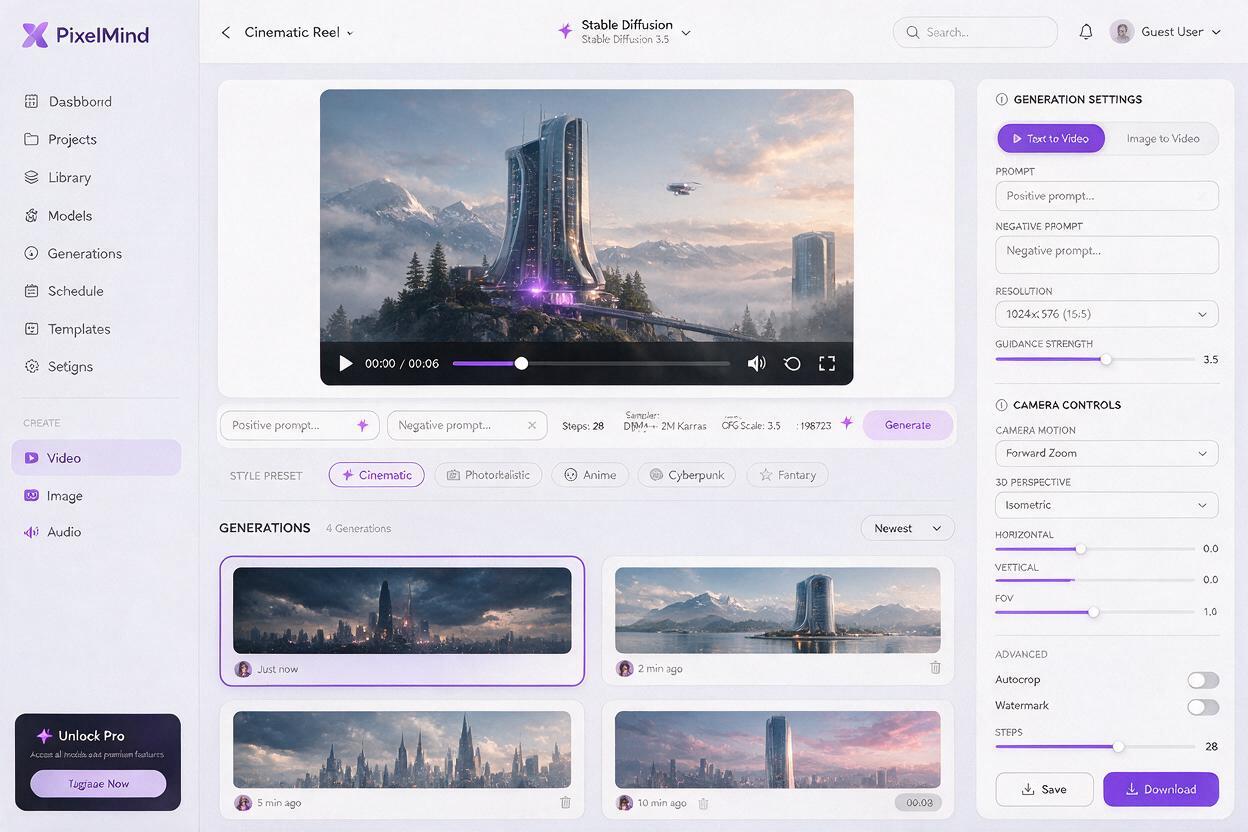
For video creators in particular, having access to a reliable ai video generator and text to video tools from multiple providers means projects don’t have to grind to a halt if a single model undergoes updates or safety reviews.
Building Resilient Creative Workflows Amid Industry Shifts
As the AI industry continues to evolve rapidly, with new safety programs, model updates, and market shifts announced on a near-daily basis, creators can protect their workflows by prioritizing flexibility and redundancy. Instead of locking into a single tool or provider, consider building a toolkit that includes multiple options for each core creative task.
When evaluating AI tools, look beyond raw performance benchmarks to consider factors like platform reliability, update transparency, and the ability to switch between models without reworking entire projects. Multi-model platforms streamline this process by centralizing access to a range of tools under a single account, eliminating the need to manage multiple subscriptions and billing plans.
If you’re ready to explore a diversified AI creative toolkit, you can try these models for free on MagicBoat, with access to dozens of leading AI generation tools for video, image, audio, and script creation all in one place.
Key Takeaways
- OpenAI embedded outside evaluators on November 17, 2026, to probe model subversion risks in its AI systems.
- The program reflects a broader industry push for independent safety oversight of frontier AI models.
- For content creators, model safety and reliability are critical factors in building consistent, trustworthy creative workflows.
- Diversifying your AI tool stack with a multi-model platform reduces reliance on any single provider and helps minimize disruptions from industry changes.
Keywords
openai safety, ai news, ai tools, model subversion, ai reliability, ai content creation, frontier ai