OpenAI Retracts 3 AI-Generated Math Papers Over Symbol Errors
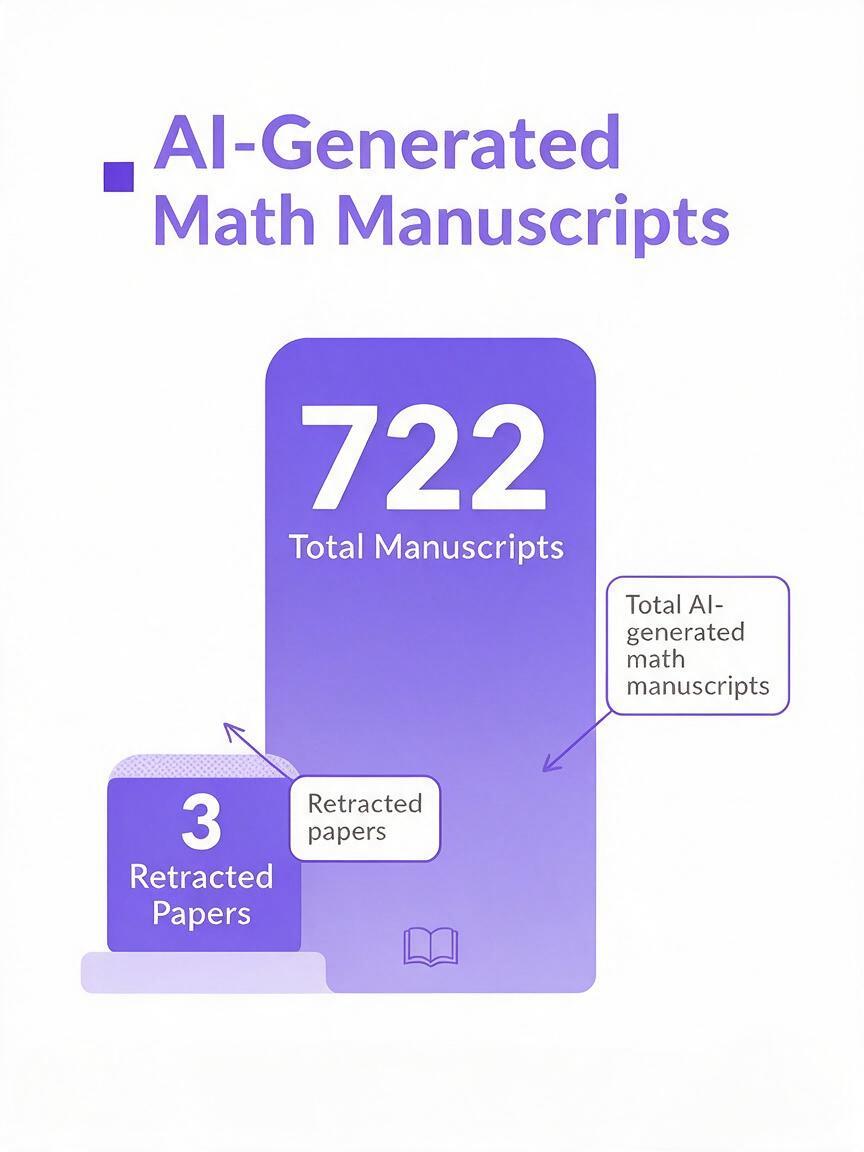
OpenAI has retracted 3 of over 700 AI-generated math papers due to symbol errors, following its October 2026 release of 722 AI-authored research manuscripts. The incident highlights gaps in automated AI output verification, with key actionable takeaways for AI video and image creators working with precise textual and visual details.
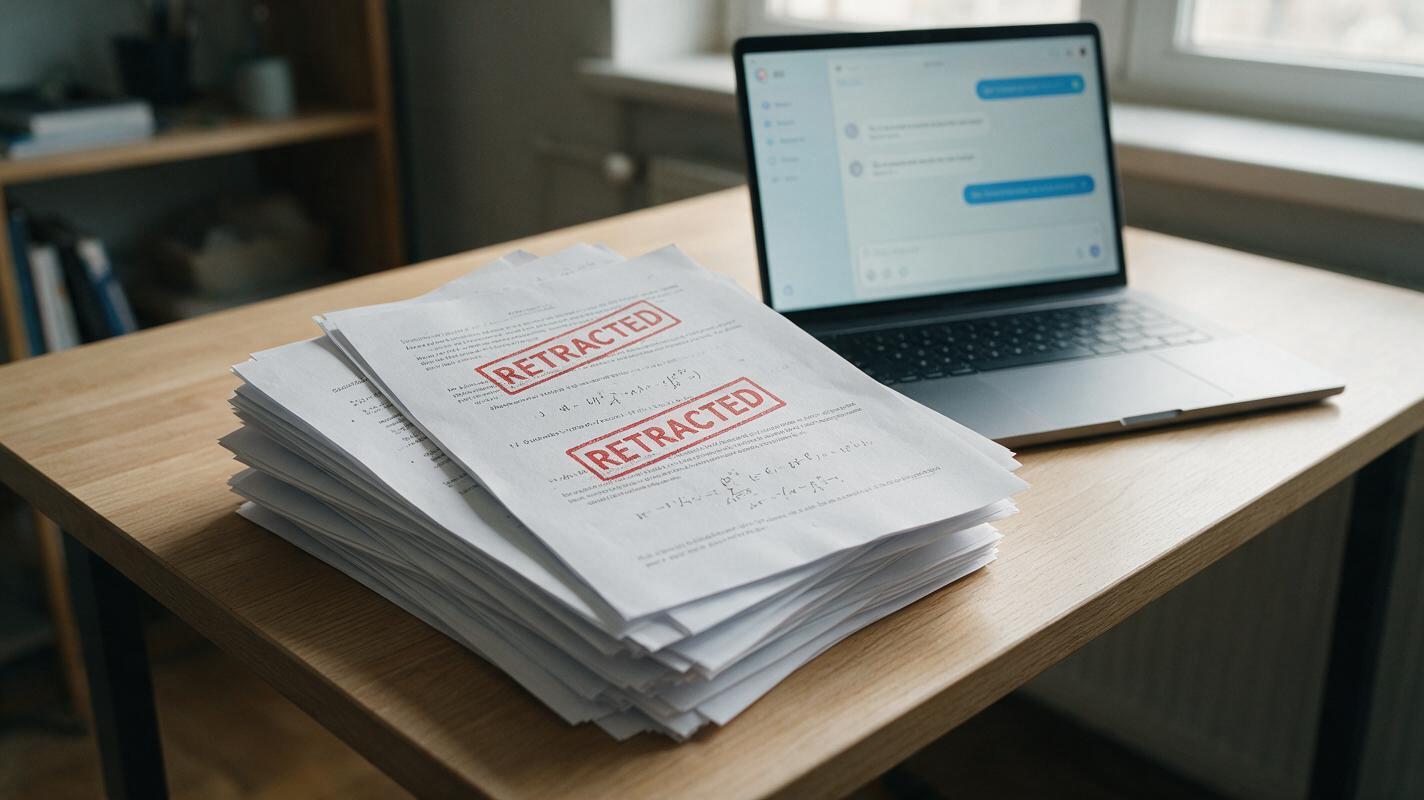
Table of contents
What Happened With OpenAI’s AI-Generated Math Papers
In October 2026, OpenAI retracted three of over 700 AI-generated math papers after discovering symbol errors in the published manuscripts. The retraction marks one of the first public corrections of a large-scale AI-generated research collection, coming roughly two weeks after the company released a massive batch of AI-authored math work.
The original batch, published in early October 2026, included 722 AI-generated math manuscripts spanning 372 result groups and 17 fields of mathematics. Each paper included Lean formal proofs and 10 reasoning summaries, with OpenAI estimating each result required roughly three hours of ChatGPT Pro thinking equivalent to produce. The papers were not peer-reviewed at the time of release, relying instead on automated proof verification tools to validate correctness.
The three retracted papers were pulled due to errors in mathematical symbol notation—small, technically precise mistakes that slipped past initial automated checks. The errors did not invalidate the broader body of AI-generated research, but they highlighted a consistent gap between automated verification and full human-checked accuracy for even the most advanced AI output.
Why This Matters Beyond Math Research
While the retraction centers on academic math papers, the underlying lesson applies to every use case for AI-generated content, including creative video and image production. Advanced models like GPT-6 are capable of producing highly detailed, complex output across domains, but they are not immune to small, easy-to-miss errors that can impact the quality and credibility of final work.
For creators who use AI to generate text overlays, infographics, script details, technical illustrations, or even on-screen graphics with numerical values, the same type of "symbol error" can appear in the form of typos, incorrect numbers, misaligned design elements, or inconsistent terminology. These errors may seem minor on their own, but they can erode audience trust and require costly rework if caught late in the production process.
The math paper retraction also underscores a broader truth about AI tools: automated checks and built-in verification systems can catch many issues, but they are not a replacement for targeted human review, especially for content that will be shared publicly or used for high-stakes purposes.
Lessons for AI Video and Image Creators
The OpenAI math paper retraction offers clear, actionable takeaways for creators who integrate AI tools into their video and image workflows. These practices help reduce the risk of small, avoidable errors making it through to final published work.
Prioritize human review for precise content: Any AI-generated content that includes text, numbers, or specific visual details should get a dedicated human review pass before being added to final projects. This includes on-screen text, captions, data visualizations, and even storyboard notes that will be passed to text to video tools. Even a 60-second review pass can catch errors that automated systems miss.
Cross-check critical details across models: Relying on a single AI model for all content generation increases the risk of repeated, systematic errors. Using multiple models to verify precise details—like fact-checking a script’s technical claims or comparing text overlay drafts—can catch mistakes that one model might miss due to training biases or pattern gaps.
Build review checkpoints into your workflow: Instead of saving all review for the very end of production, add small, focused checkpoints after each AI-generated step. For example, review a script before turning it into a storyboard, and review storyboard text and visual references before passing them to an ai image generator for visual asset creation. Catching errors early saves time and reduces rework later.
How Multi-Model Platforms Reduce Error Risk
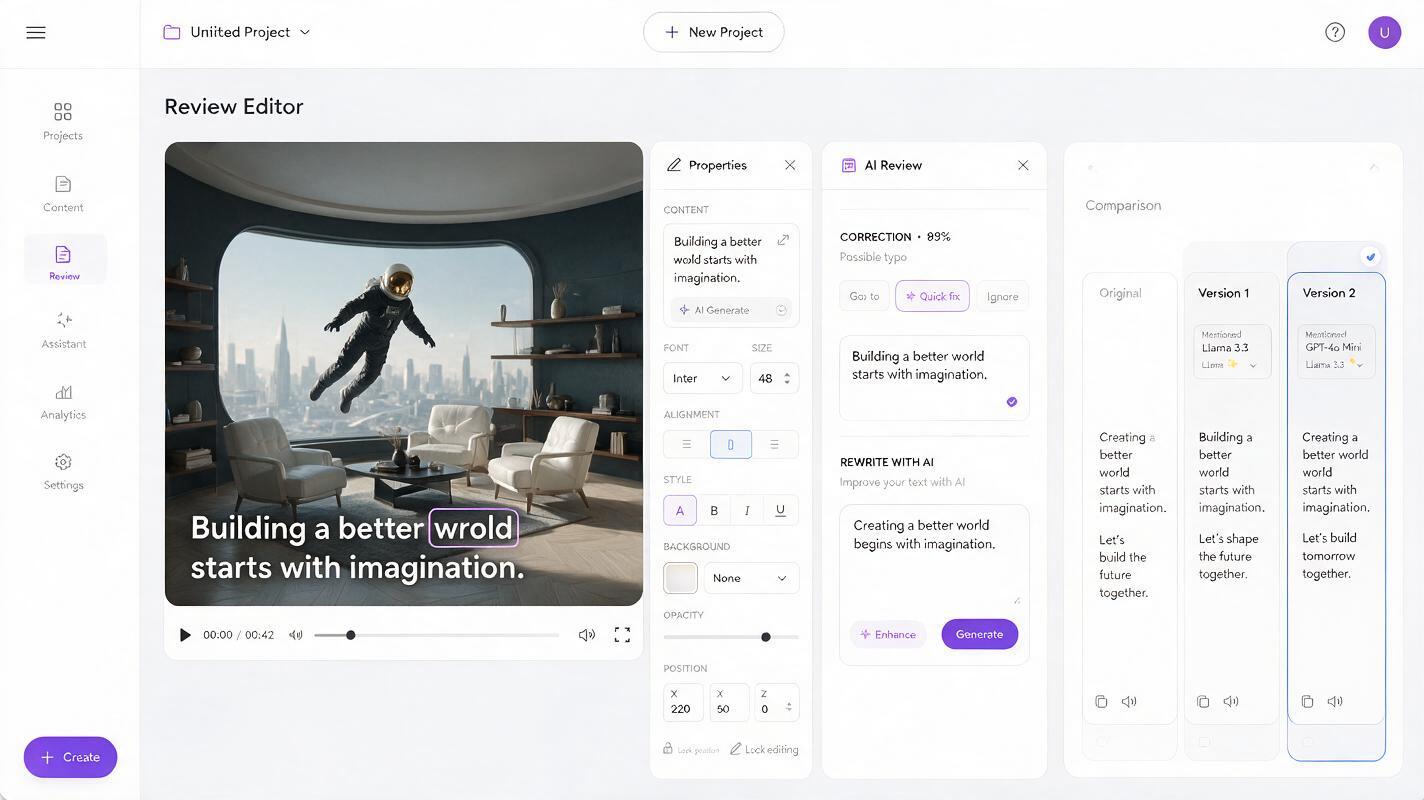
Working with multiple AI tools doesn’t have to mean juggling dozens of accounts and subscriptions. A unified multi-model platform like MagicBoat gives creators access to top models including GPT-6, Claude Opus, and Gemini 4 all in one place, making it easy to cross-check outputs and compare results without switching between tools or exporting assets across platforms.
For video creators, this means you can draft a script with one model, refine the visual prompts with another, and generate final footage with a third—all while maintaining a single library of assets and project files. For image creators, you can compare output from multiple image models to catch small details like text rendering errors or inconsistent design elements before finalizing your work.
Having multiple models available also reduces workflow disruption if one model experiences outages, policy changes, or performance shifts, letting creators switch to an alternative without pausing production entirely.
try these models for free and build a more reliable, error-resistant creative workflow today.
Key Takeaways
- OpenAI’s retraction of three AI-generated math papers shows even advanced models like GPT-6 can produce small, impactful errors that slip past automated checks.
- Human review is non-negotiable for any AI-generated content that includes precise text, numbers, or visual details intended for final audience-facing work.
- Cross-checking critical details across multiple AI models reduces the risk of errors making it through to final creative projects.
- A unified multi-model platform simplifies cross-model review and helps creators maintain consistent quality without extra administrative overhead.
Keywords
openai, ai-generated papers, symbol errors, human review, gpt-6, ai video creation, content accuracy