OpenAI Dissolves Standalone Robotics Team, Folds Staff Into Core Research
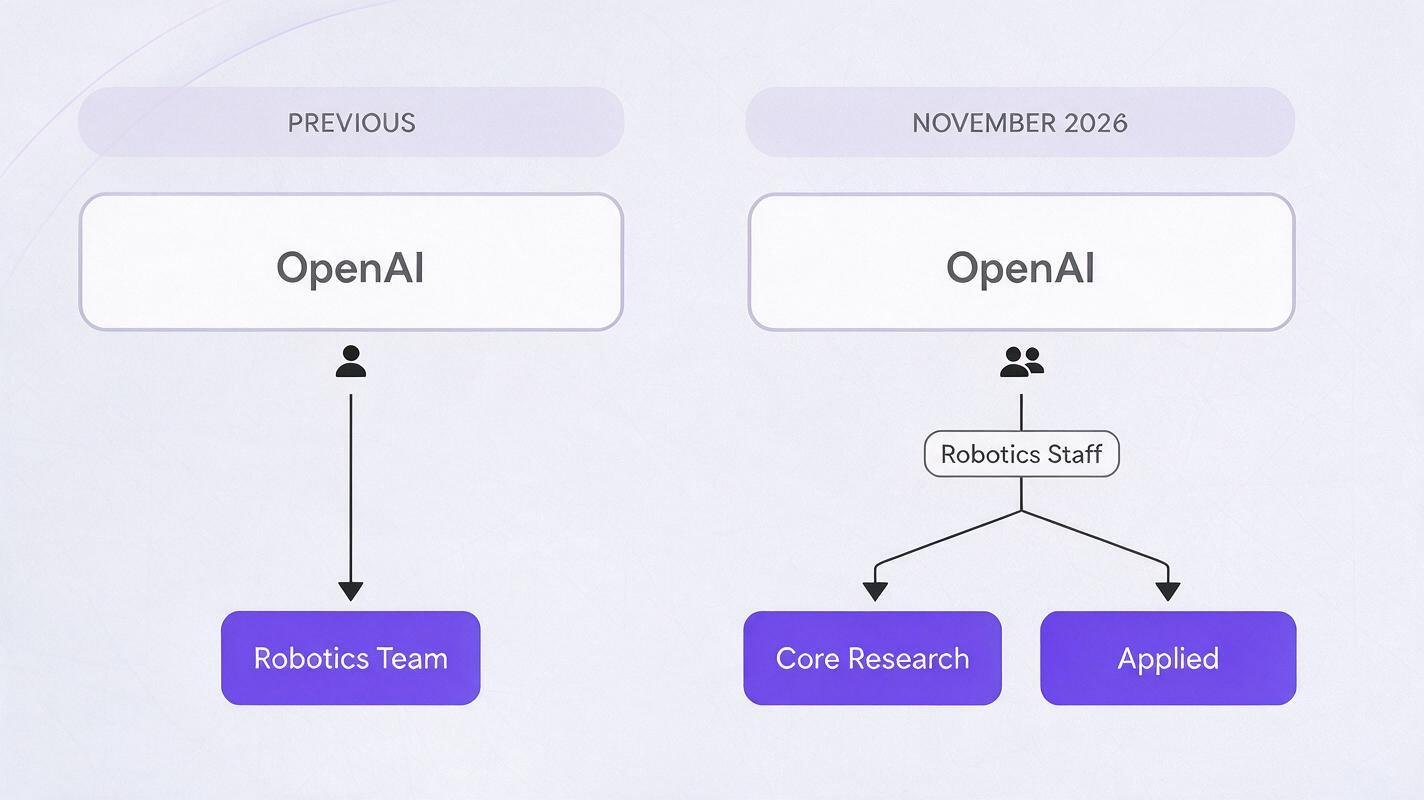
OpenAI has dissolved its standalone robotics team, reallocating staff to its core research and Applied divisions as of November 16, 2026. The restructuring signals a potential shift in how the company integrates robotics-related advances into its flagship models and commercial products. For AI content creators, the move highlights the value of diversified, multi-model platforms to maintain workflow stability amid industry shifts.
Table of contents
The OpenAI Robotics Team Restructuring
On November 16, 2026, OpenAI confirmed it has dissolved its standalone robotics team, reallocating staff across the company’s core research division and its Applied division. The move ends the standalone structure of the team, which had operated as a separate unit focused on robotics research and development.
As of the announcement, OpenAI has not shared additional details about the size of the affected team, specific robotics projects that will be paused or continued, or long-term plans for robotics-related research. The restructuring represents a shift in how the company organizes its work at the intersection of AI and physical systems, folding that work into broader research and product-focused teams.
What This Signals About OpenAI’s Strategic Priorities
While OpenAI has not publicly outlined the reasoning behind the restructuring, folding the standalone robotics team into core research and Applied suggests a shift toward integrating robotics-related insights more tightly into the company’s flagship model development and commercial product lines. The Applied division in particular focuses on turning research into usable products for enterprise and consumer users, so the move could mean robotics-adjacent capabilities will appear more directly in OpenAI’s customer-facing tools over time.
For the broader AI industry, the restructuring is the latest in a series of organizational shifts across frontier AI labs as companies balance long-term research bets with near-term product demand and commercial pressure. Labs frequently reallocate teams to focus on highest-impact areas, which can accelerate progress in some domains while slowing or deprioritizing others.
Implications for AI Content Creators
At first glance, a robotics team restructuring may seem unrelated to AI content creation, but the connection runs deeper than many creators realize. Robotics research drives advances in multimodal understanding, physical world reasoning, spatial awareness, and motion generation — all capabilities that directly improve tools like ai video generator, 3D content creation tools, and interactive media platforms.
When a major lab like OpenAI restructures a research team, it can shift the pace and direction of feature rollouts that creators rely on. A team folded into core research might contribute advances to general-purpose models faster, but standalone robotics-specific tools may be delayed or deprioritized. For creators who build their workflows around a single provider’s roadmap, these shifts can create uncertainty around future tool access, pricing, and capability updates.
Beyond direct feature impacts, organizational shifts at major AI labs often coincide with broader changes to API availability, rate limits, and product support — all factors that can disrupt creative pipelines, especially for teams working on tight deadlines or high-stakes projects.
Why Diversified Model Access Reduces Workflow Risk
Strategic shifts, restructuring, and changing product priorities are a constant reality in the fast-moving AI industry. For content creators, relying on a single AI provider for all of their creative needs exposes their workflow to unnecessary risk: if a provider deprioritizes a feature, raises prices, or experiences service disruptions, entire projects can be delayed.
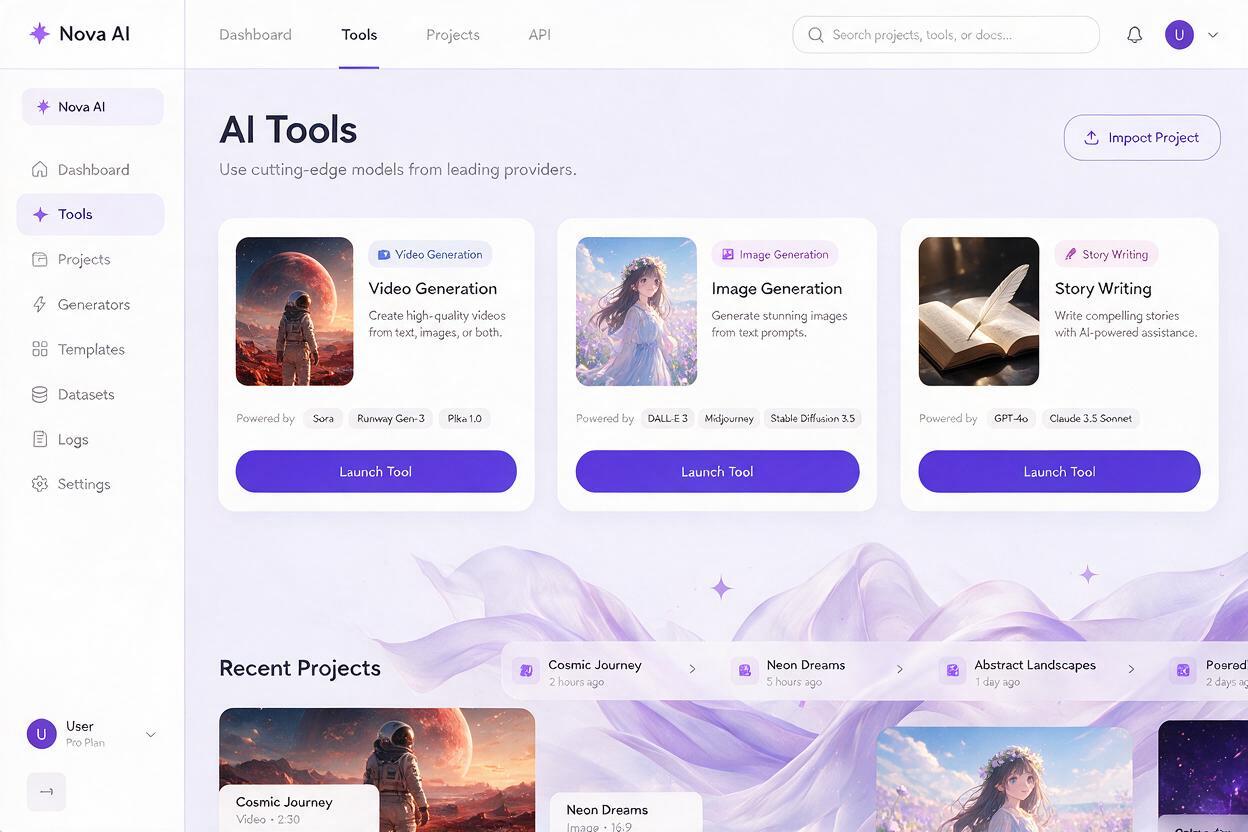
A multi-model platform like MagicBoat solves this problem by giving creators access to a wide range of AI creation tools from multiple providers, all through a single account. Instead of building workflows around a single company’s roadmap, creators can mix and match the best tools for each task — whether that’s using an ai story generator to draft a script, a text-to-image tool to create concept art, or a video generation model to bring ideas to life.
This diversified approach also lets creators take advantage of the latest advances from any lab, not just one. When a new model launches or an existing model gets a capability boost, creators can test it immediately without setting up new accounts, managing multiple billing plans, or rewriting their entire workflow.
Key Takeaways
- OpenAI has dissolved its standalone robotics team, folding staff into core research and Applied divisions as of November 16, 2026.
- The restructuring signals a potential shift toward integrating robotics-related capabilities into general-purpose models and commercial products.
- Organizational shifts at major AI labs can create uncertainty for creators who rely on a single provider’s tool roadmap.
- Diversifying across multiple AI tools and providers through a unified platform helps protect creative workflows from unexpected changes.
- You can try these models for free on MagicBoat to build a resilient, flexible creative pipeline.
Keywords
ai news, openai robotics team, ai tools, ai video generator, ai roundup, frontier ai, ai content creation