OpenAI Rosalind Academic Plan: Sponsored GPT-Rosalind for Academic Labs
On October 16, 2026, OpenAI unveiled the Rosalind Academic Plan, a program offering sponsored access to its GPT-Rosalind model for academic research labs. While full details on eligibility, sponsorship terms, and model capabilities remain unconfirmed, the initiative signals OpenAI’s expanded focus on academic and research use cases. For content creators and research-focused production teams, the announcement underscores the growing value of multi-model AI platforms that consolidate access to specialized and general-purpose models in one place.
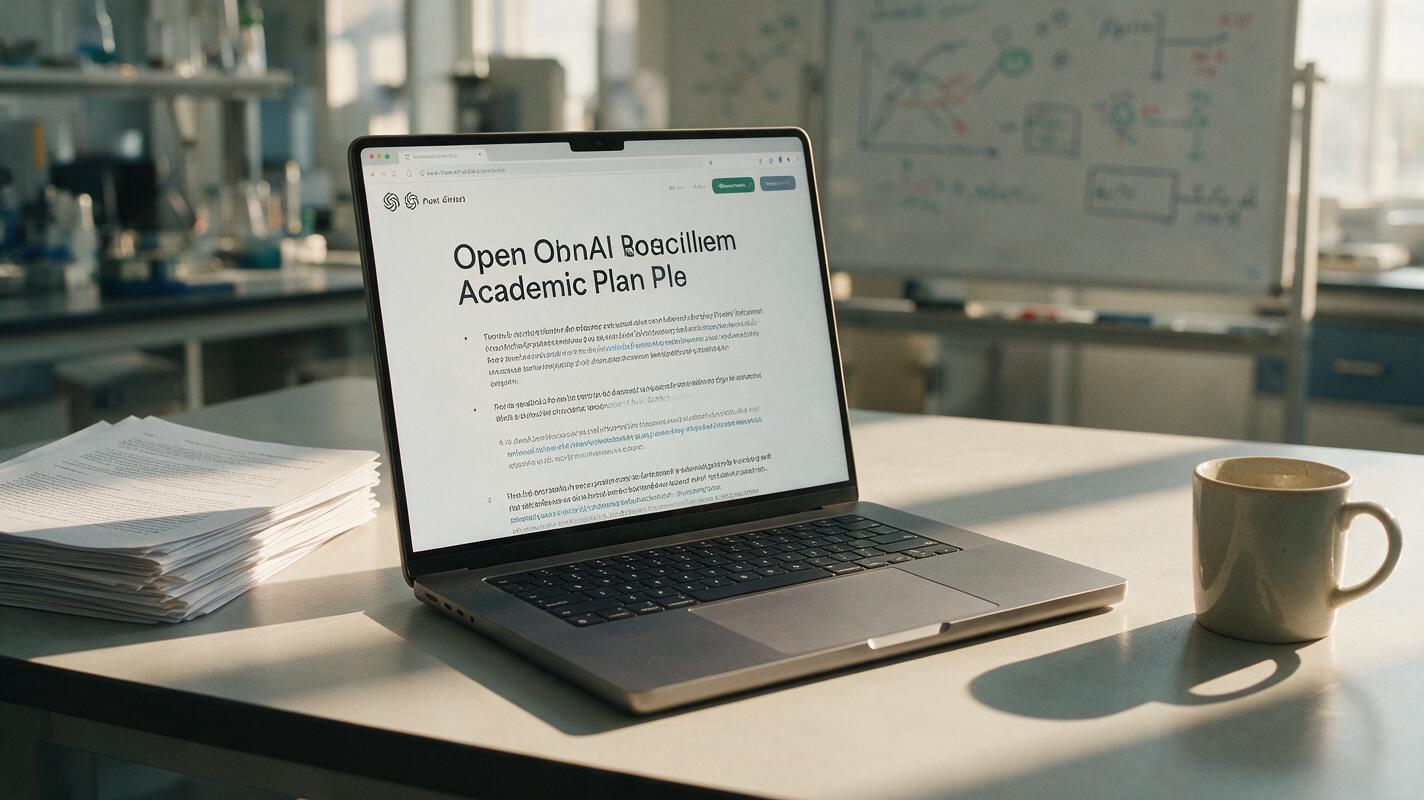
Table of contents
What We Know About the OpenAI Rosalind Academic Plan
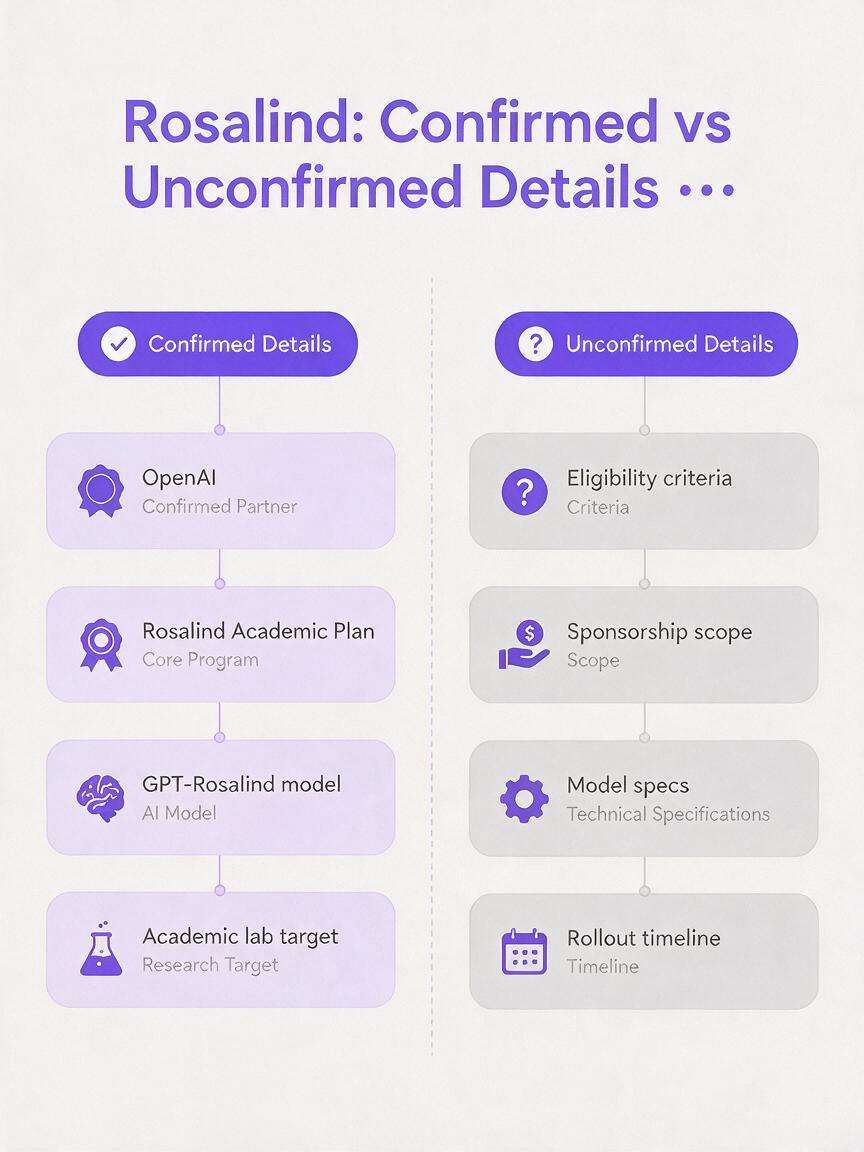
On October 16, 2026, OpenAI announced the Rosalind Academic Plan, a new initiative offering sponsored access to its GPT-Rosalind model for academic labs. The announcement positions GPT-Rosalind as a model targeted specifically at research and academic use cases, with sponsorship designed to reduce barriers for eligible institutions.
As of the initial announcement, several key details remain unconfirmed. OpenAI has not yet published full eligibility criteria for participating labs, the scope of the sponsorship (including whether it covers full free access, discounted rates, or limited compute credits), the technical specifications of GPT-Rosalind itself, or the timeline for rolling out access to approved applicants. Additional program details are expected as OpenAI releases official documentation in the coming weeks.
Context for the Announcement
The Rosalind Academic Plan lands amid a rapidly shifting frontier AI landscape, where competition between major providers has intensified significantly. A same-day analysis of industry trends notes that the combined push from Google and Meta into frontier AI has ended the previously unchallenged absolute lead held by OpenAI and Anthropic. Against this backdrop, targeted academic programs serve as a way for model providers to build long-term research partnerships, attract top technical talent, and integrate their models into foundational research workflows.
For the broader AI ecosystem, academic access programs often act as a pipeline for new capabilities. Research conducted using models like GPT-Rosalind can lead to published papers, open-source techniques, and applied innovations that eventually make their way into consumer and enterprise AI tools — including the creative AI tools used by content creators.
What This Means for Content Creators
While the Rosalind Academic Plan is targeted at academic labs rather than independent creators or production teams, its ripple effects are likely to reach the content creation space over time. Research-focused AI models often push the boundaries of reasoning, factuality, and domain-specific knowledge — capabilities that translate directly to better support for script research, fact-checking, educational content development, and data-driven storytelling.
For creators who produce educational content, science communication, or research-backed video series, future access to models like GPT-Rosalind could streamline the process of synthesizing academic papers, explaining complex technical concepts, or generating accurate citations and background material. This can reduce the time spent on research phases and free up more bandwidth for creative execution, whether working with text, images, or video.
The announcement also highlights a broader trend in AI: increasing model specialization. Instead of one single model that does everything well, providers are launching niche models optimized for specific use cases — research, coding, creative generation, safety analysis, and more. For creators, this means having access to the right model for each task is more important than ever, but managing multiple provider accounts, billing cycles, and API keys can quickly become overwhelming.

Streamlining Creative Workflows With a Multi-Model Platform
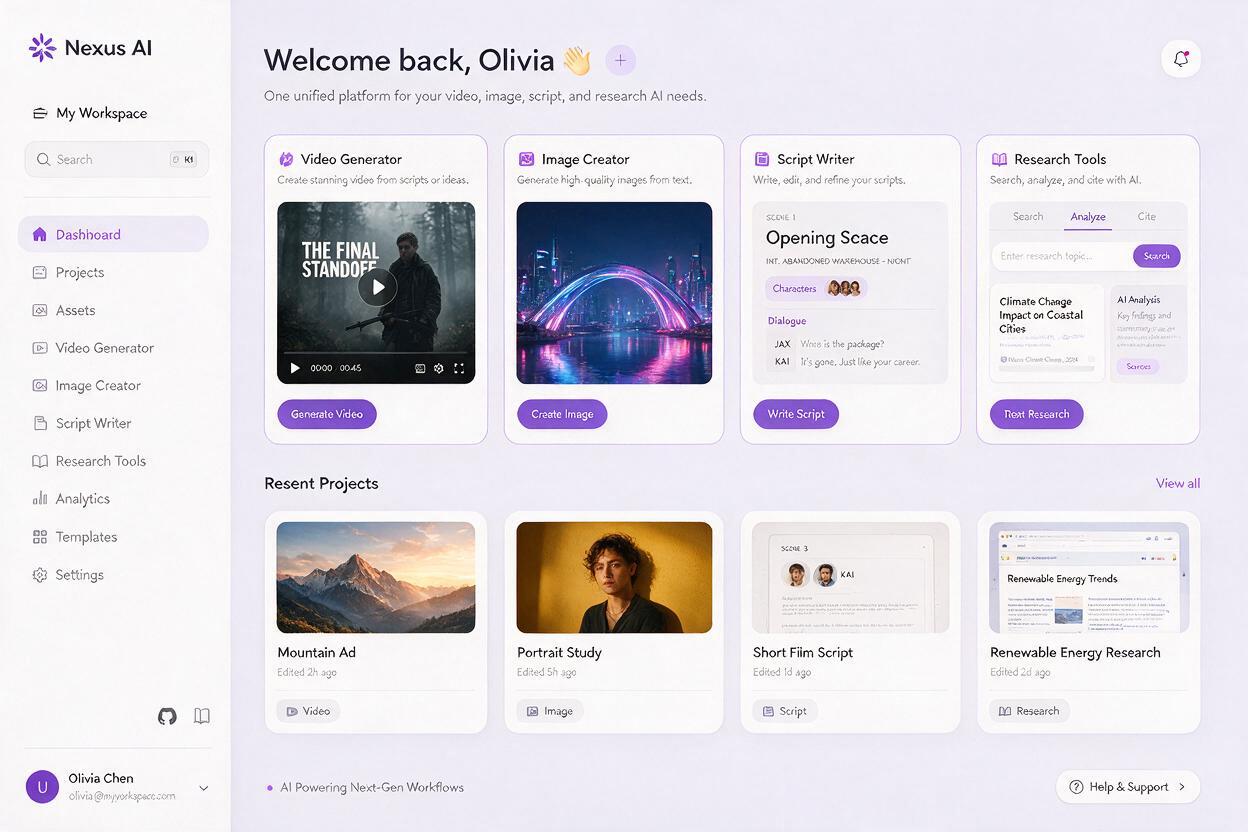
A unified multi-model AI platform like MagicBoat solves the problem of fragmented tool access by bringing a wide range of specialized AI tools together in a single, consistent interface. Instead of tracking separate logins for research models, image generators, and video tools, creators can access everything they need from one dashboard, with unified billing and consistent workflow integration.
For video-focused creators, MagicBoat includes a robust ai video generator that supports both text to video and image to video workflows, making it easy to turn research insights and script drafts into polished visual content. Whether you’re creating a short educational explainer, a research summary video, or a creative narrative piece, you can test different models and approaches without switching between platforms.
As new models like GPT-Rosalind emerge and existing tools add new capabilities, a multi-model platform also ensures you can test new options as they become available without disrupting your existing production workflow. You can keep using your go-to tools for daily tasks while experimenting with new models on side projects, all within the same environment.
If you’re ready to simplify your AI creative workflow and access a full suite of content tools in one place, try these models for free today.
Key Takeaways
- OpenAI announced the Rosalind Academic Plan on October 16, 2026, offering sponsored GPT-Rosalind access to academic labs.
- Full program details, including eligibility, sponsorship scope, and GPT-Rosalind’s technical specifications, have not yet been released.
- Academic AI research often drives innovations that eventually benefit creative content workflows, from improved reasoning to better generation quality.
- As model specialization grows, a unified multi-model platform helps creators stay flexible and avoid workflow disruption from fragmented tool access.
Keywords
ai news, ai tools, ai roundup, openai rosalind, gpt-rosalind, academic ai, ai research