OpenAI Launches Rosalind Academic Plan for Life-Science Research
OpenAI has launched the Rosalind Academic Plan, providing sponsored access to its specialized GPT-Rosalind model to eligible academic labs focused on life-science research. The program signals a broader industry shift toward domain-specific AI models, with important implications for AI video and image creators building educational or scientific content. As specialized tools proliferate, multi-model platforms help creators future-proof their workflows without juggling multiple subscriptions.
Table of contents
What Is the OpenAI Rosalind Academic Plan?
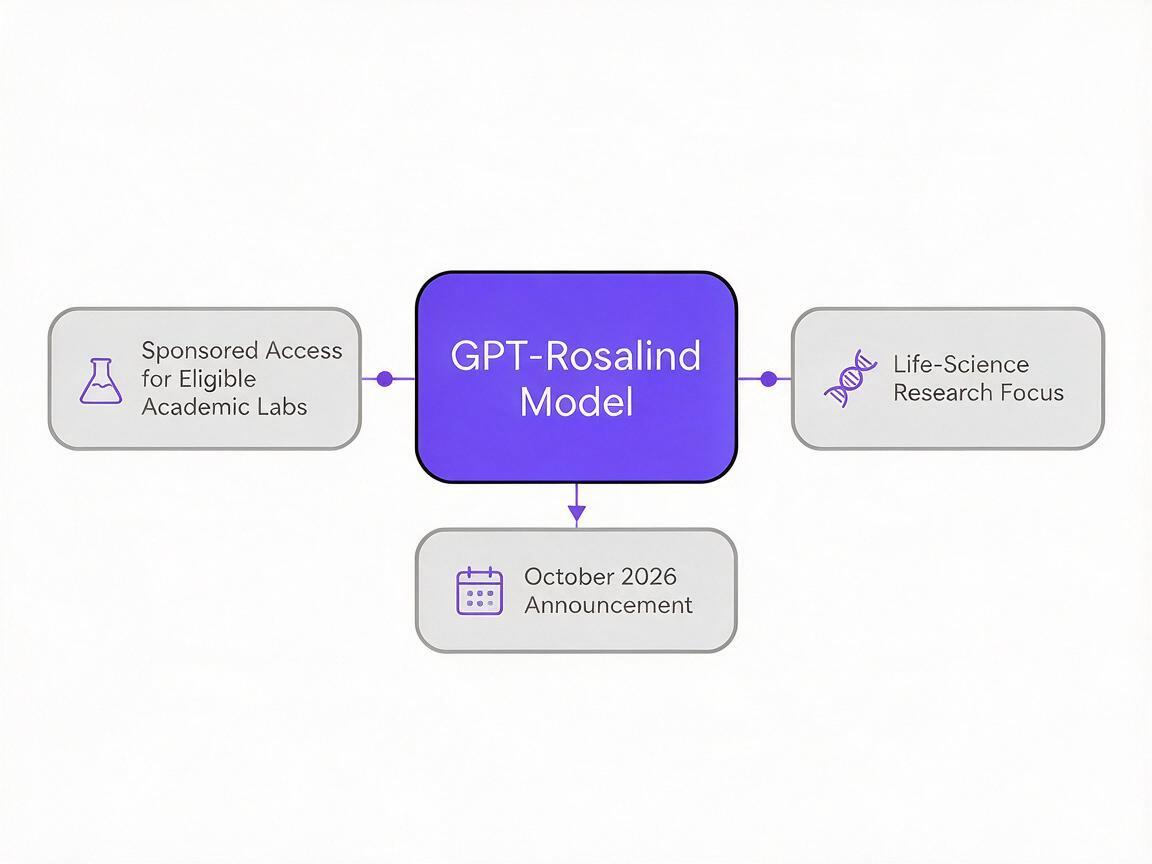
On October 16, 2026, OpenAI announced the launch of the Rosalind Academic Plan, a new program providing sponsored access to its specialized GPT-Rosalind model for eligible academic labs working in life-science research.
The program, first shared via the OpenAI Newsroom, is designed to remove cost barriers to frontier AI tools for research institutions focused on advancing life sciences, though specific eligibility requirements, application timelines, and the full technical specifications of GPT-Rosalind have not been publicly detailed in the initial announcement.
Named for pioneering chemist and crystallographer Rosalind Franklin, the program signals OpenAI’s growing investment in domain-specific AI applications beyond general-purpose models like the GPT-6 family, targeting a high-impact field where AI acceleration could drive meaningful breakthroughs.
Key Details of the Program
While the initial announcement is light on granular specifics, the confirmed parameters of the Rosalind Academic Plan paint a clear picture of its intended scope and purpose.
- Sponsored access model: Eligible academic labs will receive access to GPT-Rosalind without the standard associated costs, removing financial barriers that often limit small or underfunded research teams’ access to frontier AI.
- Life-science focus: The program is explicitly targeted at research in the life sciences, positioning GPT-Rosalind as a specialized tool for biological, medical, and related scientific work rather than a general-purpose assistant.
- Academic eligibility: Access is limited to eligible academic labs, meaning the program is not currently open to commercial researchers, independent creators, or non-academic institutions.
OpenAI has not yet shared benchmark data for GPT-Rosalind’s life-science capabilities, nor has it outlined how many labs will be selected for the program or when applications will open. The announcement frames the plan as an initial step toward expanding AI’s role in academic life-science research, with more details likely to follow as the program rolls out.
The Rosalind Academic Plan joins a growing roster of specialized AI programs from major labs, including models focused on coding, cybersecurity, and scientific research, as frontier AI developers increasingly target niche, high-impact use cases.
What This Means for AI Video and Image Creators
At first glance, a life-science academic AI program may seem unrelated to AI video and image creators, but the announcement carries important implications for the broader creative AI ecosystem.
First, the launch of GPT-Rosalind underscores a clear industry trend toward specialized, domain-specific AI models. Where just a year ago most creator workflows relied on a handful of general-purpose models, developers are now building targeted tools for every imaginable field — from life sciences to legal writing to creative production.
For creators, this trend means more tailored tools are on the horizon, including models optimized for specific creative tasks like text to video generation for specific genres, accurate scientific visualization, or style-specific image generation. As these specialized models launch, creators who can adapt and integrate new tools into their workflows will gain a competitive edge.
Second, the Rosalind Academic Plan highlights how AI is expanding into new professional domains, creating new content opportunities for creators. As life-science research adopts AI tools more widely, demand will grow for educational videos, explainers, and visualizations that make complex AI-driven scientific breakthroughs accessible to general audiences.
Creators who specialize in science, medical, or educational content stand to benefit most directly from this shift, as specialized models like GPT-Rosalind can help ensure the factual accuracy of scripts, storyboards, and visual concepts — reducing the time spent on research and fact-checking and freeing up more time for creative work.
How Specialized AI Models Expand Creative Workflows
To understand the impact of specialized models like GPT-Rosalind on creative work, consider how a science video creator might use a domain-specific AI tool in their process.
A creator working on a short explainer about CRISPR gene editing, for example, could use a life-science specialized model to verify the accuracy of their script, generate detailed descriptions of molecular interactions for storyboard artists, or brainstorm creative visual metaphors that make complex cellular processes easy to understand for viewers without a science background.
For image creators working on textbook illustrations, science marketing materials, or educational social media content, specialized models can help ensure that visual depictions of biological structures, chemical reactions, or medical procedures are factually correct — avoiding common errors that can slip through when using general-purpose models without domain expertise.
Even creators who don’t focus on science content can learn from this trend. The same shift toward specialization that brought GPT-Rosalind to life-science researchers is already driving the development of more specialized creative tools, from models optimized for anime-style art to tools designed specifically for short-form social media video editing.
As these tools become available, creators will no longer have to work around the limitations of general-purpose models. Instead, they’ll be able to pick the right tool for each specific task, leading to higher-quality output and more efficient workflows.

Why Multi-Model Platforms Matter for Future-Proofing
As the number of specialized AI models grows, one of the biggest challenges for creators is keeping up with new tools without juggling dozens of separate accounts, subscriptions, and APIs.
A single creator might use one model for script writing, another for image generation, a third for ai image generator work, and a fourth for video editing — each with its own login, billing system, and learning curve. As specialized models launch for even more niche tasks, this complexity will only increase.
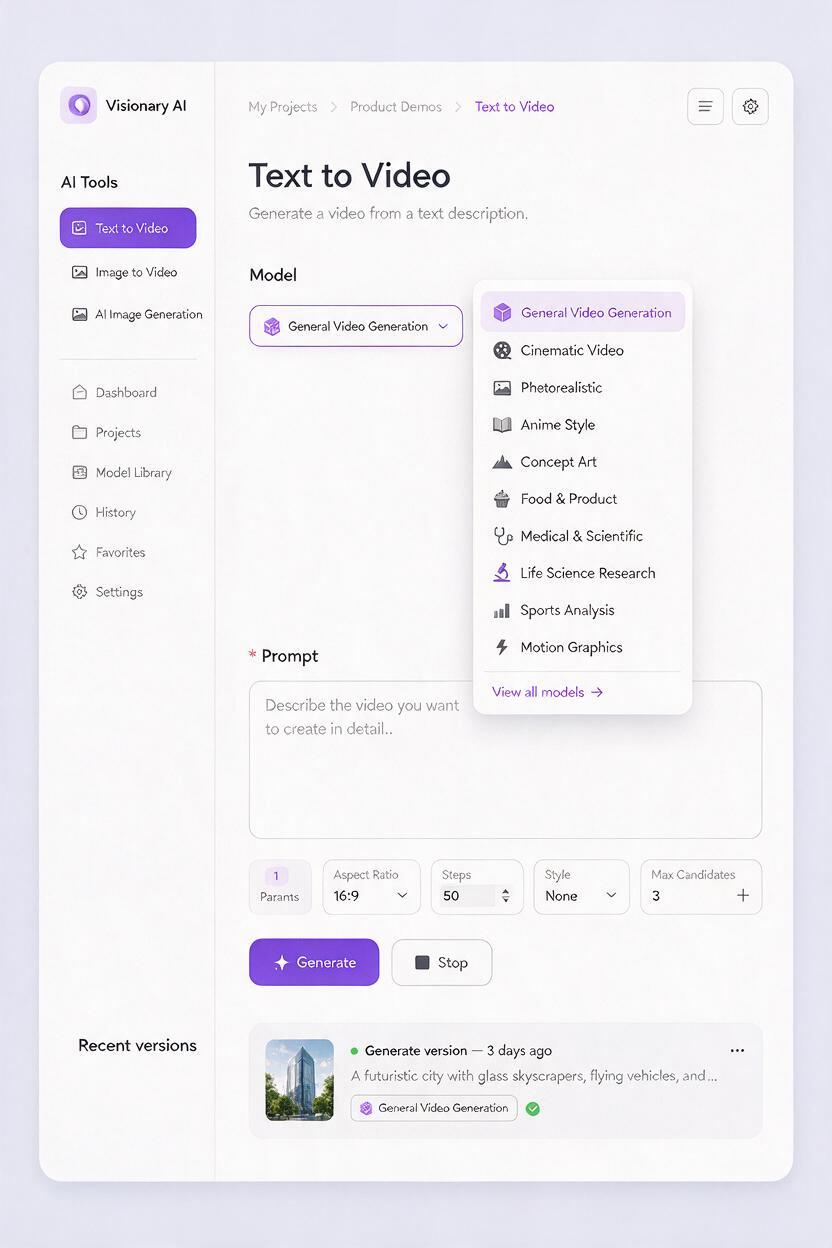
Multi-model platforms like MagicBoat solve this problem by bringing a wide range of AI creative tools together in one unified interface, so creators can access general-purpose and specialized models alike without switching between services. As new specialized models become available, they can be added to the platform seamlessly, letting creators test and adopt new tools without disrupting their existing workflows.
This kind of unified access is especially valuable as the AI landscape continues to evolve rapidly. No single developer has a monopoly on the best tools for every task, and the most popular model today may be overtaken by a new specialized option tomorrow. A multi-model platform lets creators stay flexible, choosing the best tool for each project rather than being locked into a single ecosystem.
For creators who want to stay ahead of the curve, being able to try these models for free as they launch makes it easy to test new tools and integrate them into their workflows without upfront cost or risk.
Key Takeaways
- OpenAI launched the Rosalind Academic Plan on October 16, 2026, providing sponsored access to the specialized GPT-Rosalind model for eligible academic life-science labs.
- The program signals a broader industry trend toward domain-specific AI models, which will bring more tailored tools to creative fields in the coming months and years.
- AI video and image creators, especially those focused on educational or scientific content, can benefit from specialized models that improve accuracy and reduce research time.
- As the number of AI tools grows, multi-model platforms like MagicBoat make it easier to manage workflows and adopt new tools without juggling multiple subscriptions.
Keywords
openai rosalind, gpt-rosalind, rosalind academic plan, ai life science research, ai model releases, gpt-6, ai video creation