OpenAI Rosalind Academic Plan: Sponsored GPT-Rosalind for Academic Labs
OpenAI has announced the Rosalind Academic Plan, a program that provides sponsored access to its GPT-Rosalind model for academic research labs, as reported on October 16, 2026. Full details about the program’s eligibility, model capabilities, and launch timeline have not yet been disclosed. The announcement highlights the growing intersection between academic AI research and commercial model development, with implications for future creative AI tools.

Table of contents
Introduction to the OpenAI Rosalind Academic Plan
OpenAI’s latest academic initiative signals a deeper push into research-focused AI access, with implications for the future of AI tooling across industries.
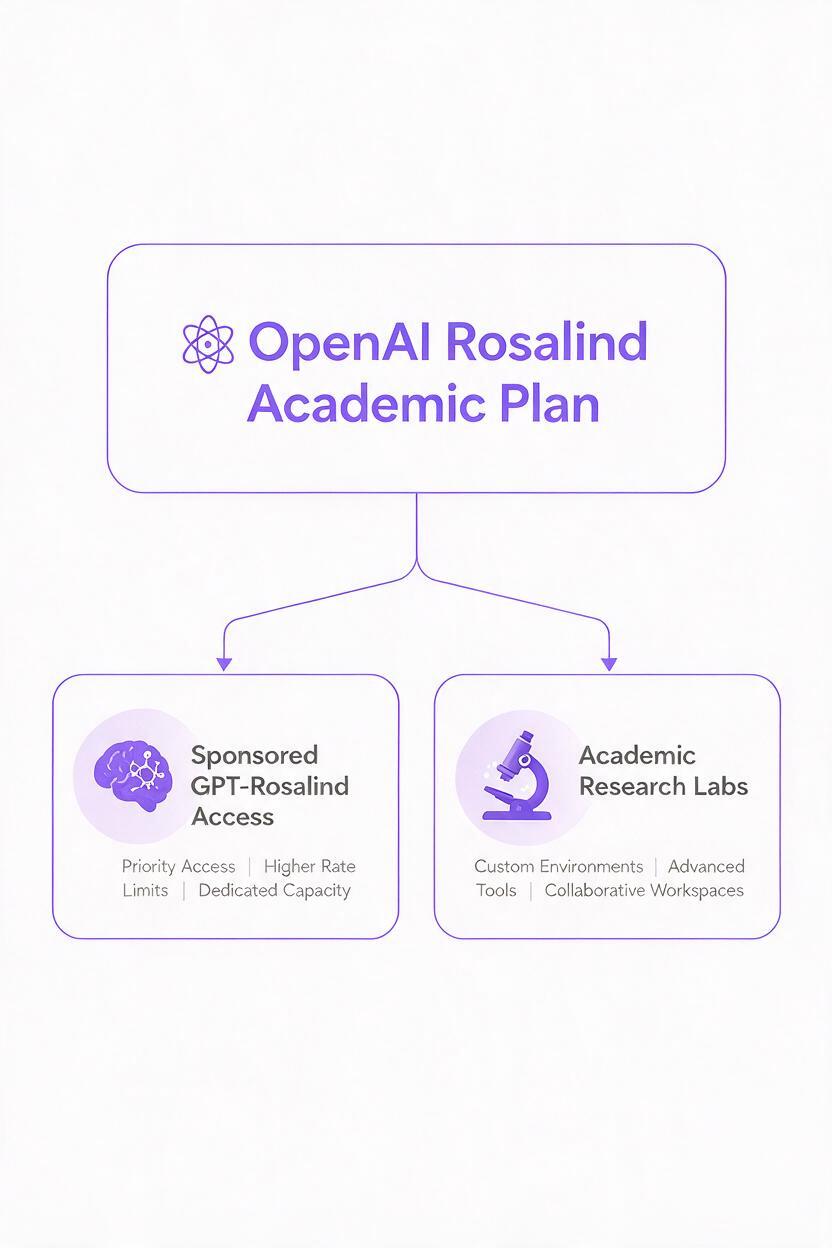
On October 16, 2026, OpenAI unveiled the Rosalind Academic Plan, a program designed to provide sponsored access to a dedicated AI model called GPT-Rosalind for academic research labs. The announcement is part of a broader trend of AI companies expanding access to their models for research purposes, though many details about the new program remain unconfirmed.
As of the initial announcement, OpenAI has not shared additional information about eligibility criteria, the scope of sponsorship, the specific capabilities of GPT-Rosalind, or the program’s official launch timeline. This article breaks down what we know so far, why academic AI programs matter for creators, and how to navigate the fast-growing AI tool landscape.
What We Know About the Rosalind Academic Plan
The confirmed details about the Rosalind Academic Plan are limited to the core program structure, model name, and target audience. The table below outlines what has been announced and what key questions remain unanswered.
| Confirmed Details | Unanswered Questions |
|---|---|
| Program name: OpenAI Rosalind Academic Plan | Eligibility criteria for participating labs |
| Model included: GPT-Rosalind | Scope of sponsorship (cost coverage, usage limits) |
| Target audience: academic research labs | Specific capabilities of GPT-Rosalind |
| Announcement date: October 16, 2026 | Application process and launch timeline |
While the lack of details makes it hard to evaluate the program’s full impact, the announcement itself signals OpenAI’s ongoing investment in academic partnerships as a way to drive AI research forward.
Why Academic AI Programs Matter for Broader AI Development
Academic research has long been a cornerstone of AI innovation, with many of the field’s most transformative breakthroughs originating in university labs. From the foundational transformer architecture that powers most modern large language models to recent advances in multimodal generation, academic work often lays the groundwork for commercial AI tools.
Programs like the Rosalind Academic Plan give researchers access to state-of-the-art models that would otherwise be too costly or resource-intensive for many labs to use. This access can accelerate research in areas like AI safety, natural language understanding, and creative generation, leading to new discoveries that eventually make their way into consumer and enterprise tools.
Academic AI research is a primary source of the breakthroughs that eventually reach creative tools like ai video generator platforms and image generation services.
For creators, tracking academic AI developments can provide early insight into the types of capabilities that may become available in commercial tools in the coming months or years, giving them a head start on adapting their workflows.

What This Means for AI Content Creators
While the Rosalind Academic Plan is designed exclusively for academic research labs rather than commercial content creators, it’s still a noteworthy development for anyone who uses AI tools in their creative workflow. The announcement is the latest in a steady stream of new AI models and programs from major providers, highlighting just how fast the AI landscape is evolving.
One of the biggest challenges creators face today is keeping up with this rapid pace of change. New models launch regularly, each with different strengths, pricing structures, and access requirements. Testing every new tool individually can be time-consuming and expensive, and relying too heavily on a single provider can leave creators vulnerable to workflow disruptions if pricing, policies, or model availability change.
This is where multi-model AI platforms add significant value. By centralizing access to a wide range of AI tools and models in a single account, these platforms make it easier for creators to test new capabilities, compare results, and switch between tools as needed, without the hassle of managing multiple subscriptions or learning new interfaces.
How Multi-Model Platforms Simplify Creative AI Workflows
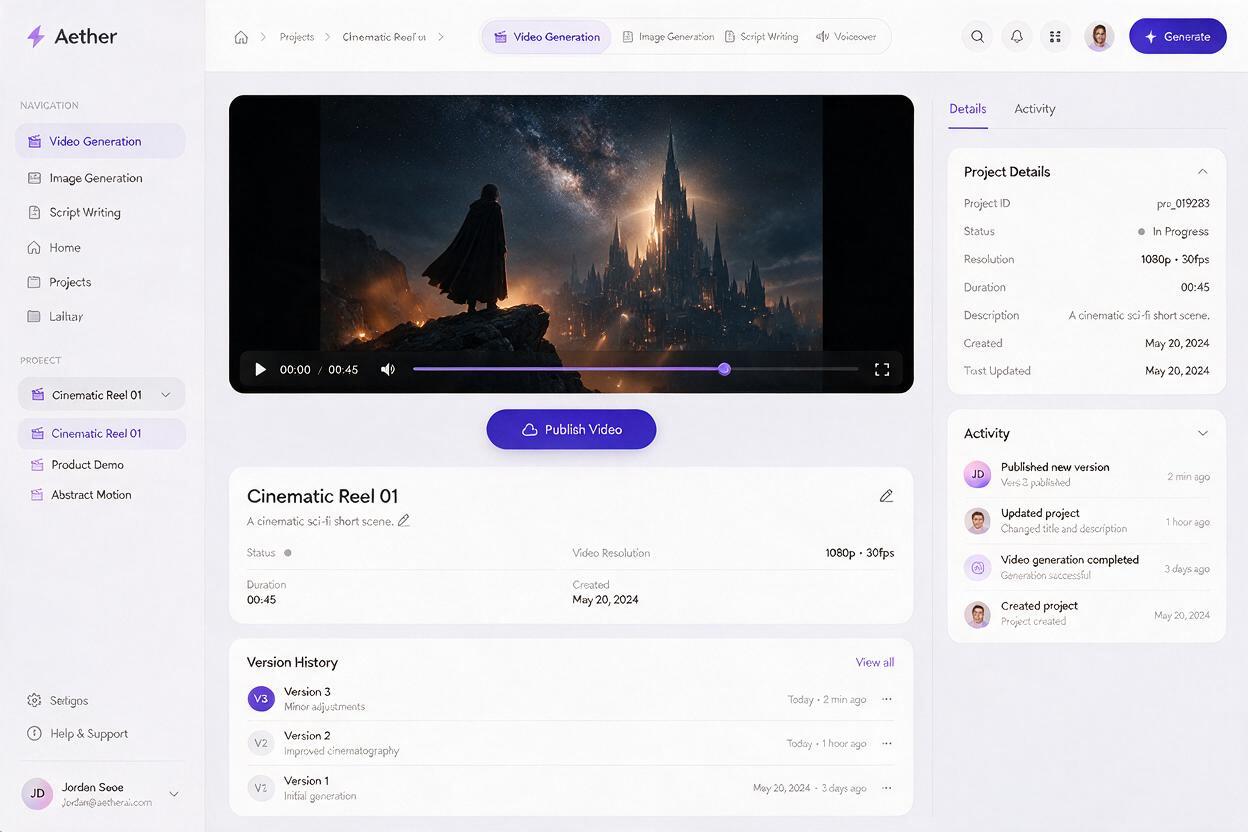
Multi-model platforms like MagicBoat bring together a diverse set of AI capabilities, from ai image generator tools to video generation, script writing, and voiceover, all under one roof. This unified approach eliminates the need for creators to juggle dozens of separate tools and accounts, streamlining their workflow and saving time.
Another key benefit is reduced risk of disruption. If a single AI provider changes their pricing, retires a model, or updates their terms of service, creators using a multi-model platform can simply switch to an alternative tool within the same ecosystem, rather than having to rebuild their entire workflow from scratch. This flexibility is especially valuable as the regulatory and competitive landscape for AI continues to shift.
As new models emerge from academic research and commercial development, having a flexible, multi-model workflow lets creators evaluate new tools as they become available, test them for specific use cases, and adopt them only when they deliver real value to their production process. This approach helps creators stay innovative without getting locked into a single provider or wasting time on tools that don’t fit their needs.
If you’re ready to explore a wide range of creative AI tools in one place, you can try these models for free and see which ones fit your workflow best.
Key Takeaways
- OpenAI announced the Rosalind Academic Plan on October 16, 2026, offering sponsored GPT-Rosalind access to academic research labs.
- Full details about the program’s eligibility, model capabilities, and launch timeline have not yet been released.
- Academic AI research drives many of the breakthroughs that eventually become available in creative AI tools.
- Multi-model AI platforms help creators navigate the fast-growing AI landscape by centralizing access to tools and reducing workflow disruption risk.
Keywords
openai rosalind academic plan, gpt-rosalind, ai news, ai tools, ai roundup, academic ai research, ai content creation, multi-model ai platform