OpenAI Rosalind Academic Plan: Sponsored GPT-Rosalind for Academic Labs
On October 16, 2026, OpenAI announced the Rosalind Academic Plan, a program offering sponsored access to its GPT-Rosalind model for academic research labs. The announcement came amid a broader industry shift toward expanded AI research access, including open-weight model releases from competing labs like Meta and OpenAI's own subsequent open-weight launches. For content creators, the plan signals accelerated academic AI research that could lead to new creative tools and capabilities in the near future.

Table of contents
What Is the OpenAI Rosalind Academic Plan?
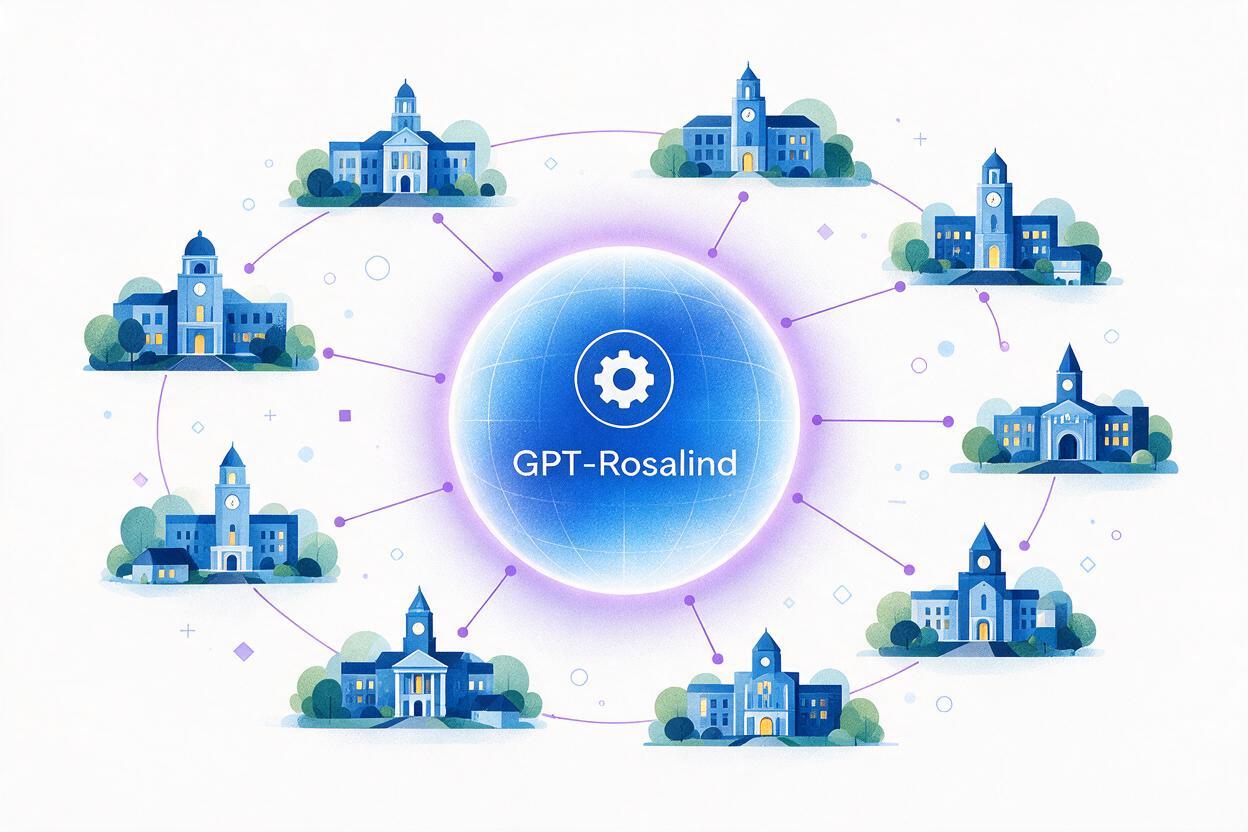
On October 16, 2026, OpenAI announced the Rosalind Academic Plan, a new initiative focused on providing sponsored access to its GPT-Rosalind model for academic research labs. The program represents a targeted push by the company to expand access to its frontier AI tools for the research community, removing cost barriers that can limit academic engagement with state-of-the-art models.
While the initial announcement centered on the core structure of sponsored academic access, the program signals OpenAI’s ongoing investment in the research ecosystem. By making GPT-Rosalind available to labs through a sponsored model, the company aims to support academic work that might otherwise be unable to afford commercial API access or enterprise-level AI agreements.
The Rosalind Academic Plan lands at a moment of rapid change in the AI industry, as major labs compete not just on model performance, but on building broad communities of researchers, developers, and creators who use their tools.
Broader Context: Expanding AI Access for Research
The October 16 Rosalind announcement was far from the only major AI access news that day. Across the industry, multiple labs unveiled new initiatives to put advanced AI capabilities in the hands of more researchers and developers, highlighting a broader shift toward democratized access to frontier models.
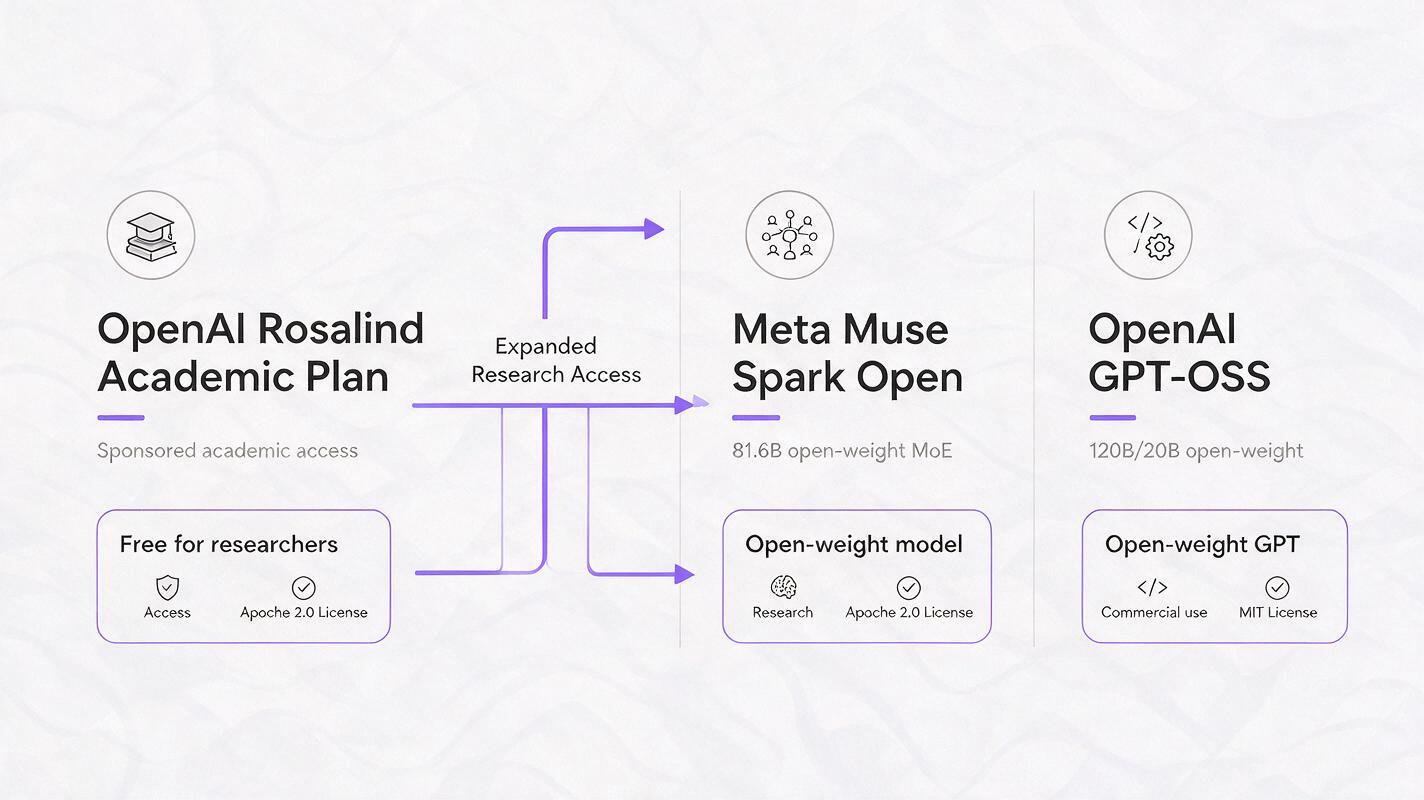
On the same day, Meta announced the Muse Spark Open, an 81.6-billion-parameter open-weight mixture-of-experts model released alongside a partnership with Apple to optimize the model for Mac devices. The release made one of the most powerful open-weight models to date freely available for researchers, developers, and tinkerers to run locally or modify for their own projects.
Industry analysis published the same day framed Google and Meta’s combined frontier AI push as ending the previously absolute market lead held by OpenAI and Anthropic. As competition intensifies, academic and developer community engagement has become a key strategic priority for major labs, as these communities drive innovation, provide valuable feedback, and help establish industry standards.
Later that same month, OpenAI expanded its research access offerings even further with the release of GPT-OSS-120B and GPT-OSS-20B, two open-weight models that researchers can run and modify without relying on commercial API access. The pair of releases shows a multi-pronged approach to research engagement, combining sponsored access to closed frontier models with open releases of smaller, customizable models.
What This Means for Content Creators
While the Rosalind Academic Plan is explicitly targeted at academic research labs, its ripple effects will likely reach the creative AI ecosystem in tangible, meaningful ways for content creators. Many of the AI capabilities creators rely on today — from advanced text generation and summarization to multimodal tools like ai video generator platforms and ai image generator tools — trace their origins to academic research projects.
When academic labs have sponsored access to frontier models like GPT-Rosalind, they can iterate faster on research into a wide range of creative AI applications, from AI-assisted storytelling and scriptwriting to multimodal content generation and interactive media. This accelerated research often translates to new features, better performance, and more accessible tools for creators in the months and years following initial academic breakthroughs.
For creators who work on educational content, collaborate with academic institutions, or pursue research-driven creative projects, expanded academic AI access also opens up new partnership opportunities. As more labs gain access to advanced models, there will be growing demand for creative professionals who can translate research outputs into engaging, accessible content for broader audiences.
As the AI landscape continues to expand with new models from academic, open-source, and commercial labs, creators need a flexible, centralized way to access the best tools for their work. A multi-model platform like MagicBoat brings together a wide range of AI creative tools in one account, so creators can experiment with new capabilities as they emerge without managing multiple subscriptions or API keys across different providers. If you want to explore a diverse suite of AI creative tools today, try these models for free and see how multi-model access can elevate your workflow.

Key Takeaways
- OpenAI announced the Rosalind Academic Plan on October 16, 2026, offering sponsored access to its GPT-Rosalind model for academic research labs.
- The announcement is part of a broader industry trend of expanded AI research access, including open-weight model releases from Meta and OpenAI itself.
- Accelerated academic AI research will likely lead to new creative AI capabilities and tools for content creators over time.
- Multi-model AI platforms help creators stay agile amid a rapidly evolving AI tool landscape, with access to a wide range of tools in one centralized account.
Keywords
ai news, ai tools, openai, gpt-rosalind, academic ai, ai research, ai video generator