OpenAI Rosalind Academic Plan: Sponsored GPT-Rosalind for Academic Labs
On October 16, 2026, OpenAI announced the Rosalind Academic Plan, which provides sponsored access to its GPT-Rosalind model for academic research labs. Key details including eligibility criteria, application processes, and GPT-Rosalind’s technical specifications remain unconfirmed in available reports. The announcement comes amid intensifying frontier AI competition, and highlights the value of diversified, multi-model workflows for creators navigating a fast-changing AI landscape.

Table of contents
The OpenAI Rosalind Academic Plan: What We Know From the October 16 Announcement
On October 16, 2026, OpenAI unveiled the Rosalind Academic Plan, a program that provides sponsored access to its GPT-Rosalind model for academic research labs. The announcement marks OpenAI’s latest formal outreach to the global research community, positioning its frontier model for use in academic studies across disciplines.
Available details about the program remain limited. The confirmed scope includes sponsored access to GPT-Rosalind specifically for academic labs, but the announcement does not specify eligibility criteria, application processes, the duration of sponsored access, the number of labs that will be accepted, or any restrictions on research use. Similarly, technical specifications for GPT-Rosalind, including its parameter size, benchmark performance, and multimodal capabilities, have not been disclosed in available reports.
The Rosalind Academic Plan arrives on the same day that industry analysis noted a major shift in the frontier AI landscape: the combined push from Google and Meta has ended the absolute lead previously held by OpenAI and Anthropic. This competitive context frames academic outreach as a strategic move for AI labs, as partnerships with research institutions can drive model improvement, build credibility, and lock in long-term user bases.

Why Academic AI Programs Matter for the Broader AI Ecosystem
Academic access programs have become a standard part of frontier AI labs’ strategies, serving multiple purposes for both providers and the research community. For labs like OpenAI, sponsored academic access generates real-world research use cases that can inform model development, surface safety issues, and build goodwill with the research community. For academic researchers, access to state-of-the-art models removes cost barriers that can limit small or underfunded labs from participating in cutting-edge AI research.
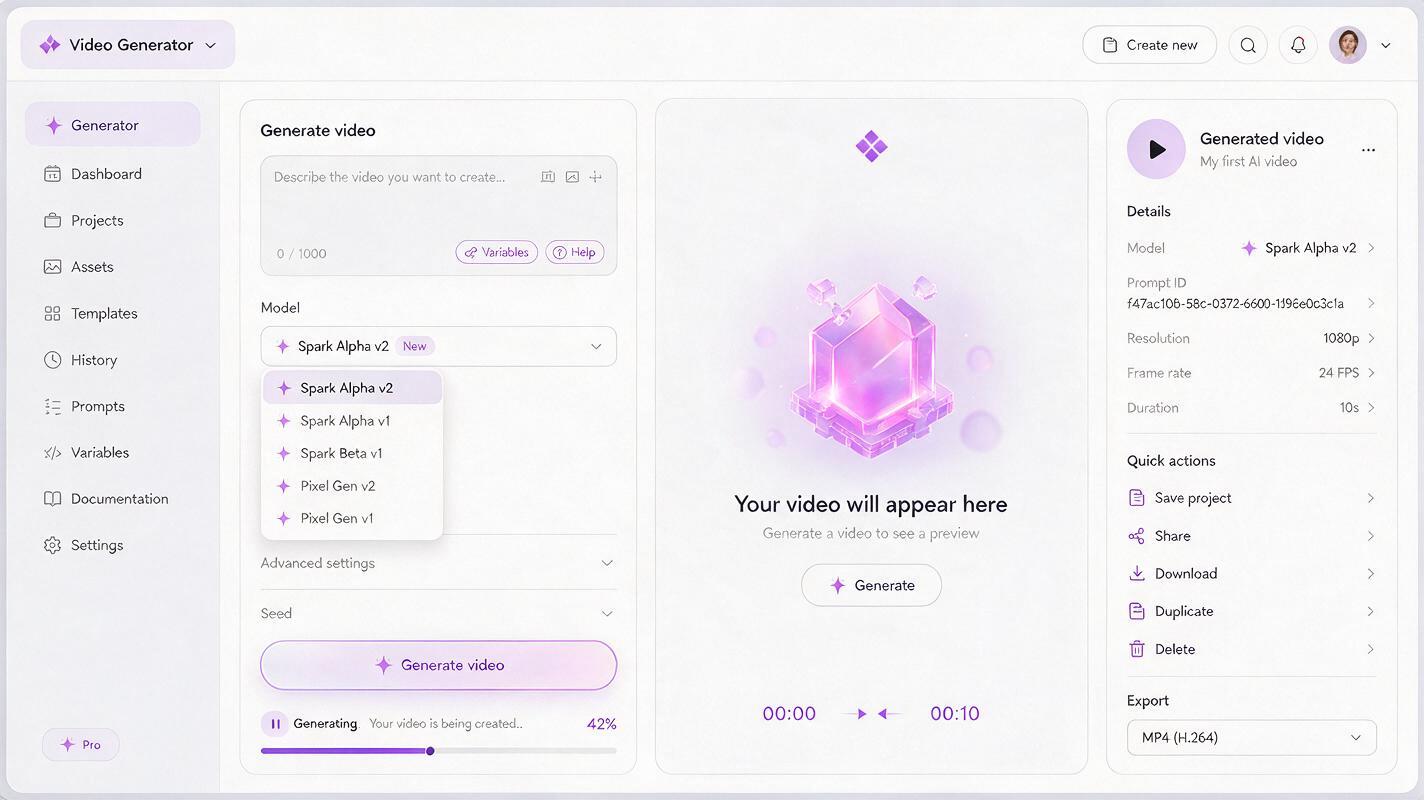
These programs also have ripple effects for the broader AI creator and tool ecosystem. Research breakthroughs enabled by frontier model access often lead to new applications, techniques, and tools that eventually make their way to consumer and creative use cases. For example, advances in multimodal understanding developed through academic research can improve the quality of tools like an ai video generator or text to image platforms, expanding what creators can build with AI.
What This Means for Independent Creators and Small Teams
While the Rosalind Academic Plan is targeted specifically at academic labs, independent creators and small content teams can draw important takeaways from the announcement. First, the ongoing expansion of frontier AI access programs signals that more powerful models will become available to a wider range of users over time, creating new opportunities for creative work. Second, the growing number of specialized models and programs from different providers underscores the importance of flexible, diversified AI workflows.
Relying on a single AI provider or model can leave creators vulnerable to sudden changes: pricing shifts, feature removals, access restrictions, or service disruptions can derail ongoing projects. This risk is amplified as the AI landscape becomes more competitive, with providers rolling out and adjusting models at a rapid pace. For creators who depend on AI tools to produce consistent output, building a diversified toolkit across multiple providers is a practical way to reduce risk and maintain creative flexibility.
Building Resilient Creative Workflows With Multi-Model Platforms
A multi-model AI platform like MagicBoat addresses many of the challenges posed by a fragmented and fast-changing AI landscape. Instead of managing separate accounts, billing, and workflows across dozens of individual AI providers, users can access a wide range of AI tools from a single dashboard. This makes it easy to test different models for specific tasks, switch providers if one experiences issues, and combine tools from multiple developers to achieve the best results.
For content creators, this means being able to experiment with the latest text, image, and video models without having to sign up for every new service individually. Whether you’re drafting scripts, generating visual assets, or producing full short films, a unified platform streamlines the entire creative process and ensures you always have access to the tools that fit your current project.
If you’re looking to build a more flexible, resilient AI creative workflow, you can try these models for free to see how a multi-model platform can support your work.

Key Takeaways
- OpenAI announced the Rosalind Academic Plan on October 16, 2026, offering sponsored GPT-Rosalind access to academic labs.
- Key details including eligibility, application processes, and GPT-Rosalind’s technical specifications remain unconfirmed in available reports.
- The announcement comes amid intensifying frontier AI competition, as Google and Meta’s combined push has ended OpenAI and Anthropic’s absolute lead.
- For creators, the growing number of AI providers and programs highlights the value of diversified, multi-model workflows to reduce risk and maintain flexibility.
Keywords
openai rosalind, gpt-rosalind, ai academic plan, ai news, ai tools, frontier ai, ai research