OpenAI Adds Sora Safety Checks, Pauses New Video Generator API Signups
OpenAI has implemented new safety protocols for its Sora AI video generator, including a temporary pause on new API signups and expanded content moderation for text to video and image to video inputs. The changes, announced on September 30, 2026, aim to reduce deepfake and brand impersonation risks while aligning with upcoming EU AI Act requirements. Creators using Sora for video production may face access delays, highlighting the value of multi-model AI tool platforms for workflow resilience.
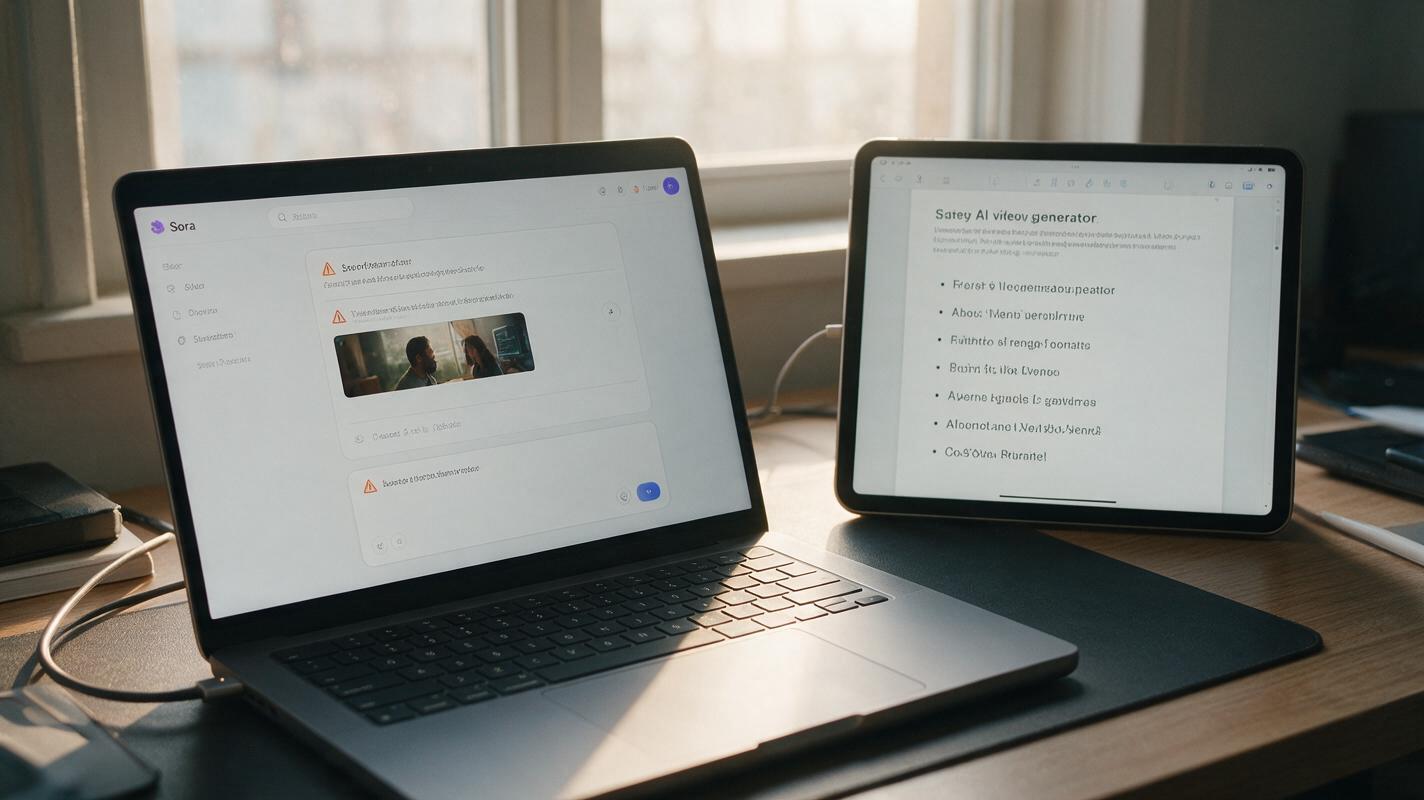
Table of contents
What the OpenAI Sora Safety Announcement Covers
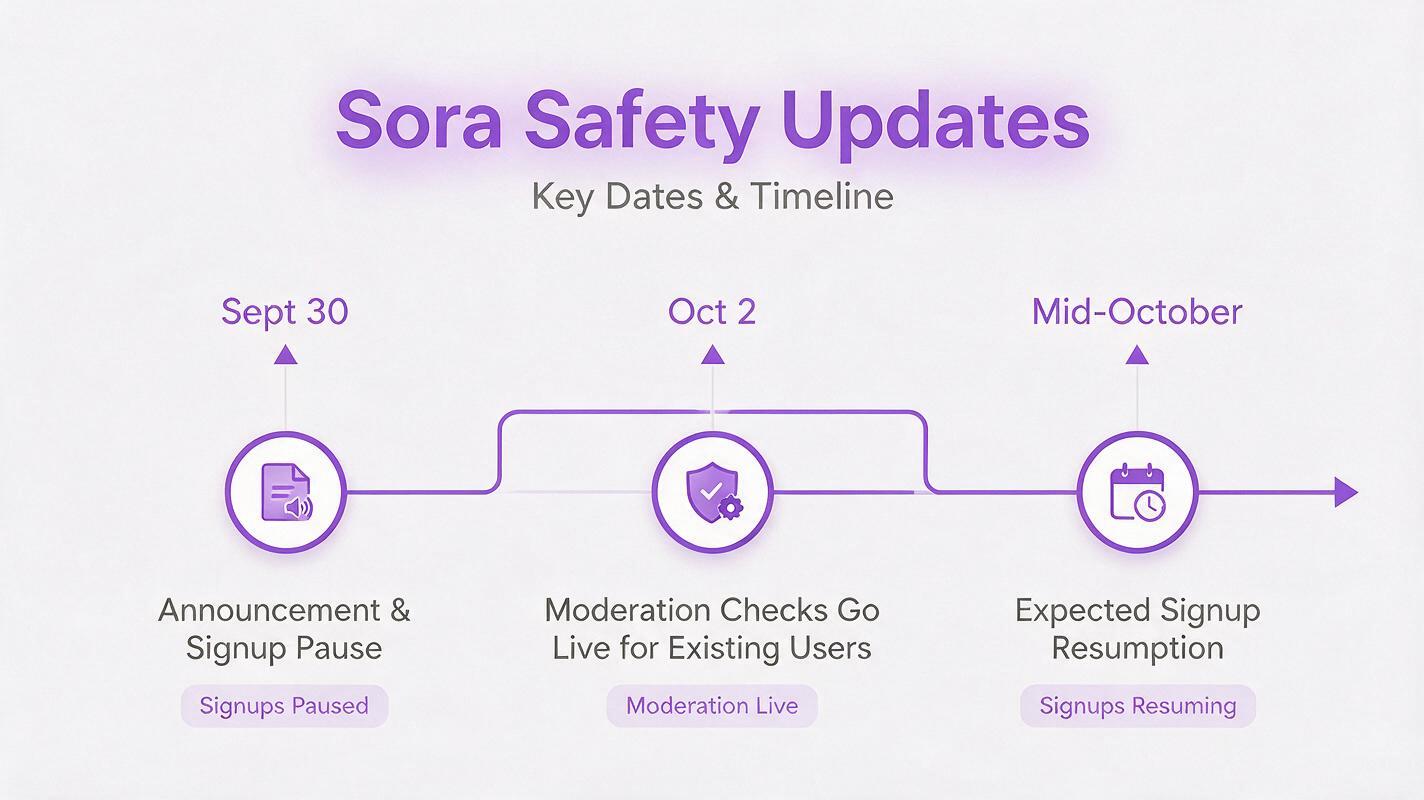
On September 30, 2026, OpenAI announced a series of safety updates for its Sora ai video generator platform, including a temporary pause on new API signups and expanded content moderation for all video generation endpoints. The changes apply to both text to video and image to video workflows, with immediate effects for existing enterprise and individual users.
According to the announcement, the temporary signup freeze will affect all new accounts seeking access to Sora's 1080p and 4K video generation capabilities, with an expected duration of two to three weeks while the new safety protocols are fully rolled out. Existing users will see new automated and human-in-the-loop moderation checks applied to all prompts and input media, starting October 2, 2026.
OpenAI cited two primary drivers for the updates: rising concerns over unapproved deepfake creation and brand impersonation using AI-generated video, and upcoming compliance requirements under the EU AI Act, which classifies general-purpose AI video models as having systemic risk. The company also noted that the new checks are designed to reduce the spread of misleading political content and non-consensual explicit material.
How the Changes Impact Text to Video and Image to Video Users
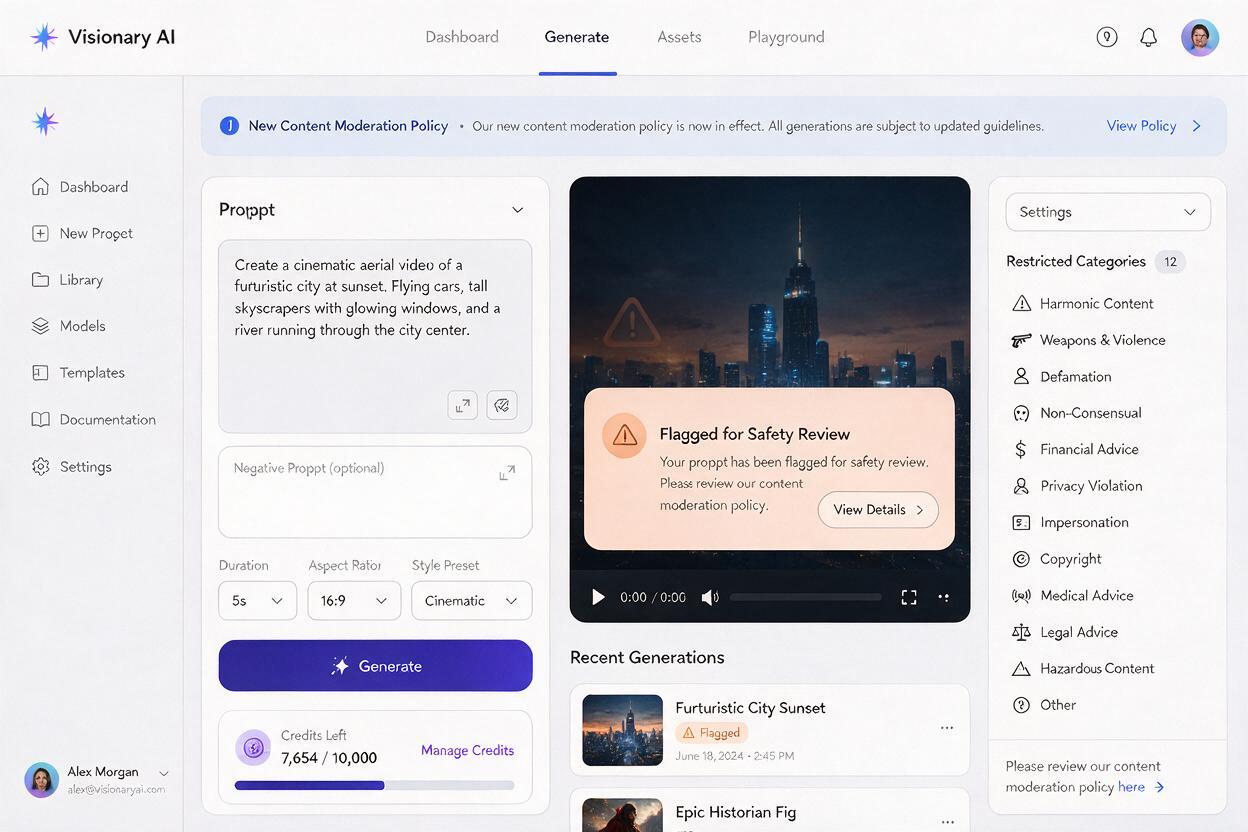
For current Sora users, the most immediate change will be longer prompt processing times, as the new moderation layers add review steps for all text to video requests. High-volume API users will also see temporary rate limits reduced by 30% while the system scales to handle the additional checks.
Image to video workflows, which previously had lighter moderation than text-based inputs, will now face the same level of scrutiny. Users uploading reference images will need to ensure their content complies with expanded guidelines that restrict the use of public figures, brand logos, and copyrighted material without explicit permission. OpenAI has also added a new flagging system that allows users to appeal rejected prompts within 24 hours.
New users who signed up for Sora API access before the announcement will still be processed, but on a delayed timeline. The company has not announced changes to its consumer-facing Sora web app, though it noted that safety updates will roll out to all platforms over the coming month.
What This Means for Creator Production Workflows
For independent creators and small production teams relying on Sora for text to video and image to video content, the updates introduce potential delays and access uncertainty. Creators working on time-sensitive projects like social media campaigns or product launches may face setbacks if they need to add new team members to their Sora account or scale up video output during the pause.
The announcement also highlights a broader risk for creators building workflows around a single AI tool: policy changes, safety updates, or service disruptions can halt production overnight, even for users in good standing. This makes model availability and reliability critical factors when selecting AI tools for professional content creation.
Reducing Workflow Risk With a Multi-Model Platform
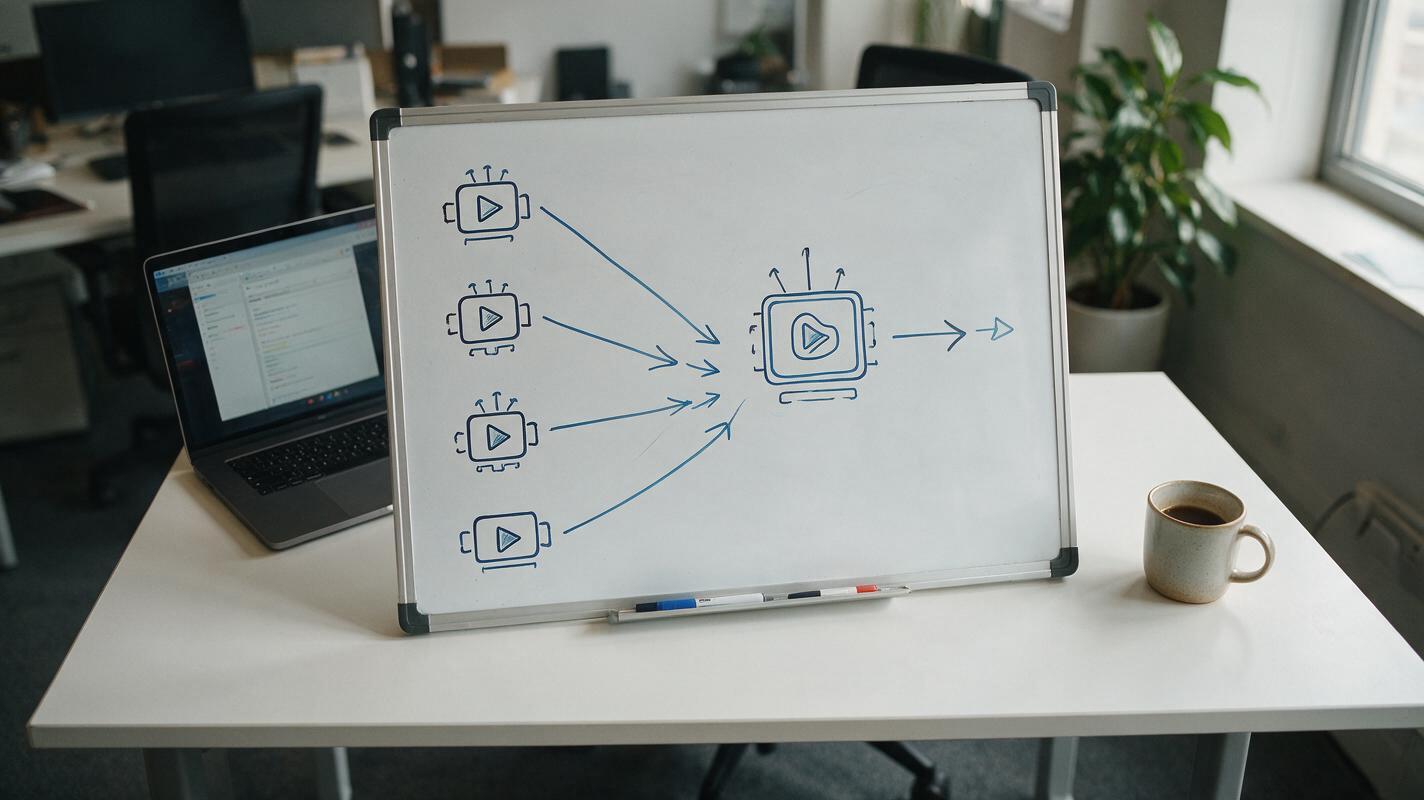
A multi-model AI tool platform like MagicBoat helps creators mitigate the impact of single-tool disruptions by centralizing access to dozens of AI video generator models under one account. Instead of managing separate API keys, billing plans, and onboarding processes for each tool, creators can switch between text to video and image to video models in seconds, without interrupting their workflow.
MagicBoat’s platform includes access to leading AI video generation tools, with unified usage tracking and consistent content guidelines across all models. This means if one model implements new safety restrictions or pauses new signups, creators can immediately test alternative tools to find one that fits their project’s needs, all within the same workspace.
For teams managing multiple client projects, this centralized approach also simplifies access control and budget tracking, eliminating the need to juggle multiple vendor accounts and invoices. Try MagicBoat today to build a more resilient AI video production workflow.
Key Takeaways
- OpenAI has paused new Sora API signups and expanded safety checks for all text to video and image to video inputs, effective September 30, 2026.
- The changes are driven by deepfake prevention, brand impersonation risks, and upcoming EU AI Act compliance requirements.
- Existing users will face longer processing times and stricter moderation, while new signups are delayed for two to three weeks.
- Creators relying on a single AI video generator face workflow disruption risks from policy changes or service updates.
- Multi-model platforms like MagicBoat provide a safety net by offering access to multiple video generation tools under one account.
Keywords
ai video generator, ai news, ai tools, text to video, image to video, openai safety, ai roundup