Other Mommy Overperforms as Verity and Resident Evil Eye Box Office
The October 16 North American box-office preview identified horror release Other Mommy as an overperformer while projecting approximately $14.2 million for Amazon MGM’s Verity and $8.2 million for Sony’s Resident Evil. The early outlook offers a useful case study in audience positioning, campaign clarity, and AI-assisted visual development.
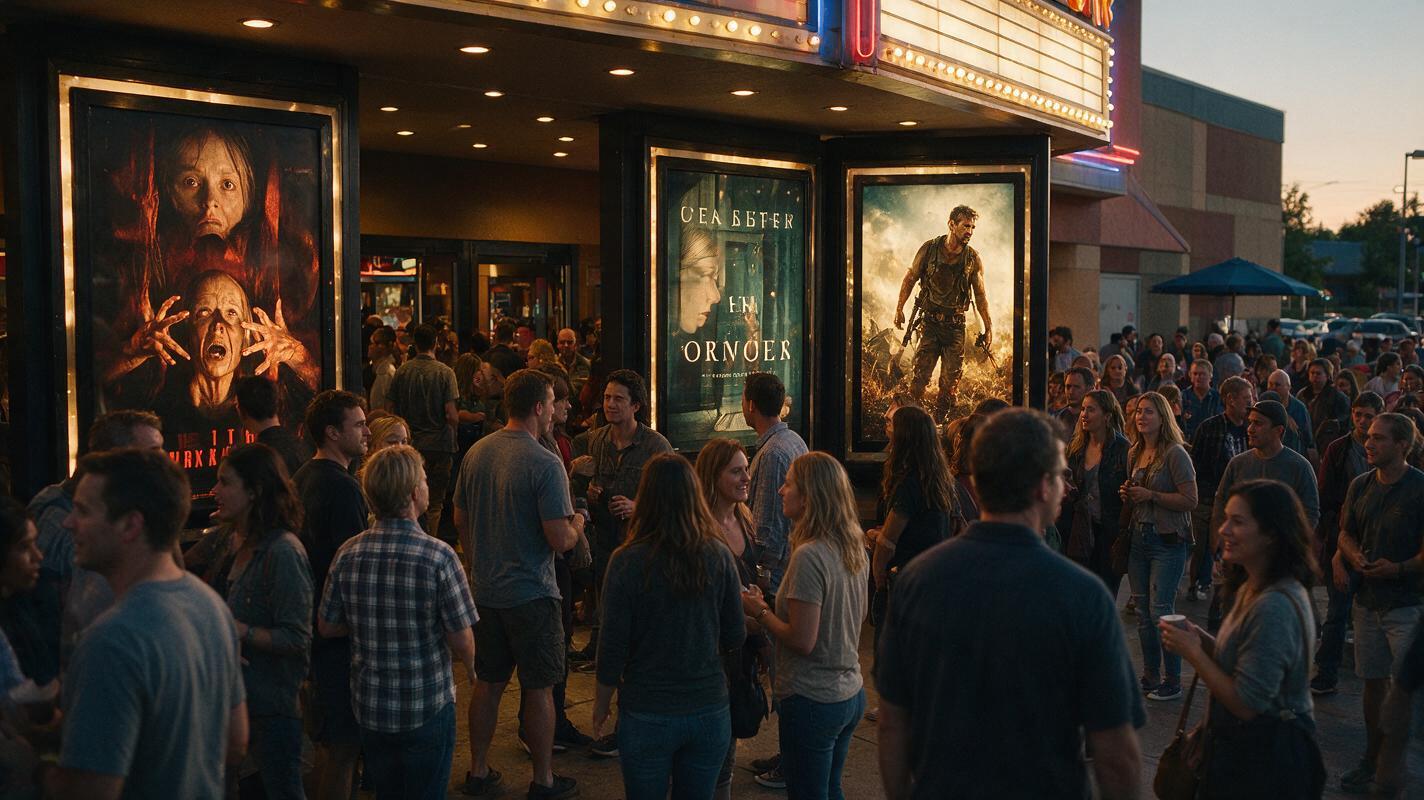
Table of contents
Other Mommy Emerges as the Surprise in the Weekend Forecast
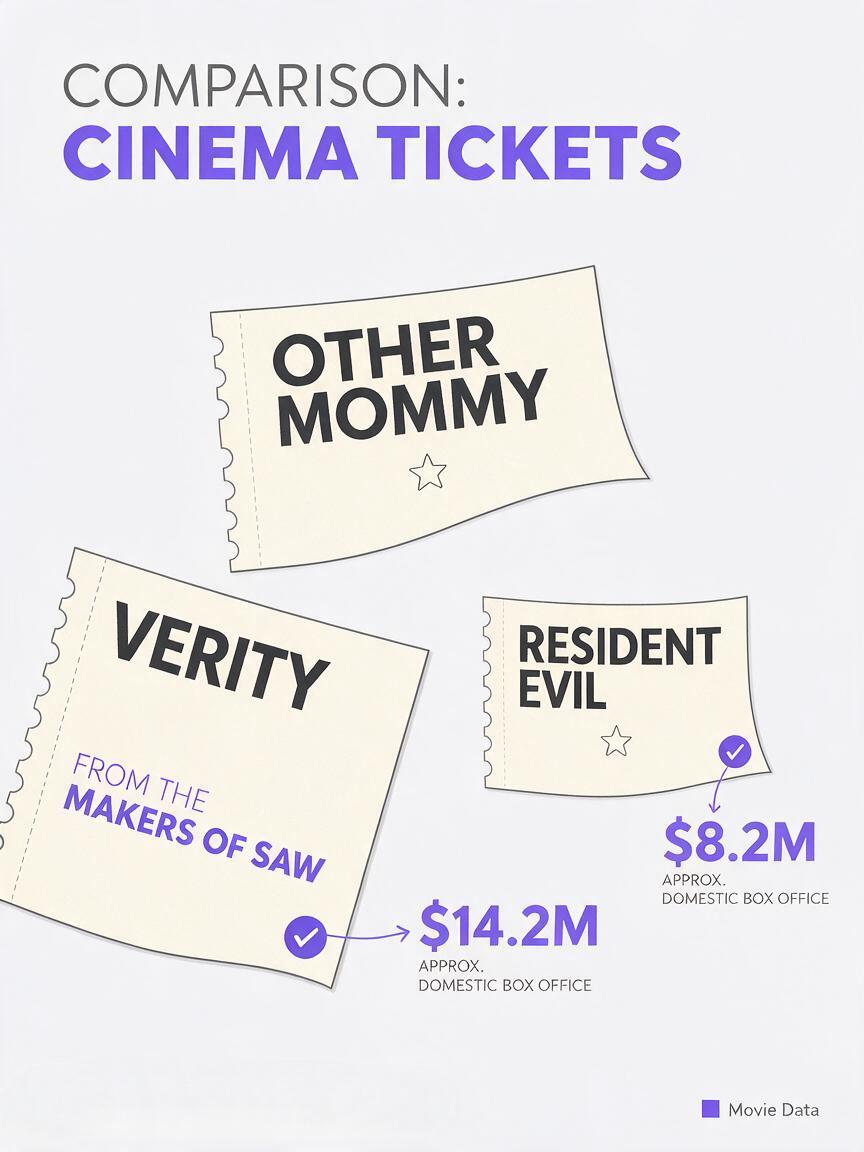
Other Mommy entered the October 16 North American weekend box-office preview as an apparent overperformer, putting the horror release at the center of the early theatrical conversation. The same forecast placed Amazon MGM’s Verity on course for approximately $14.2 million, while Sony’s Resident Evil was tracking toward roughly $8.2 million.
These figures were projections rather than final weekend totals, but they established a clear competitive picture. Verity held the larger stated estimate, Resident Evil faced a more modest outlook, and Other Mommy supplied the surprise by performing above expectations. Together, the three films demonstrated how quickly a theatrical narrative can form before final ticket sales are counted.
For filmmakers and entertainment marketers, the preview highlights the value of a sharply communicated premise. Independent teams working in AI content creation can apply that lesson when developing an original ai film, campaign teaser, or ai short drama: the audience should immediately understand the dominant genre, conflict, and emotional promise.
What the Early Box-Office Picture Shows
The preview did not place every film on identical terms. Only Verity and Resident Evil received approximate grosses in the cited outlook, while Other Mommy was characterized by its performance relative to expectations. That distinction matters because raw revenue and market momentum answer different questions.
| Release | Company or positioning | October 16 preview signal |
|---|---|---|
| Other Mommy | Horror release | Overperforming expectations |
| Verity | Amazon MGM | Approximately $14.2 million |
| Resident Evil | Sony | Approximately $8.2 million |
Verity’s projected figure was about $6 million higher than the estimate attached to Resident Evil. Other Mommy, meanwhile, generated attention through the gap between its expected and apparent performance. That kind of surprise can become a promotional asset of its own, encouraging audiences and commentators to ask why a release is breaking beyond its initial forecast.
A box-office surprise is not only a revenue story. It is also a positioning story: one release has persuaded audiences to respond more strongly than the market expected.
Why Overperformance Can Be More Valuable Than Scale
A large forecast naturally attracts attention, but overperformance introduces a different and potentially powerful narrative. It signals that existing assumptions about audience interest may have been too conservative. For Other Mommy, the important detail in the preview was not a supplied dollar amount; it was that the horror title was exceeding expectations.
This distinction is useful for smaller production teams. An original project does not need to imitate the scale or brand recognition of a studio release to communicate momentum. A tightly defined concept can compete for attention by giving its intended audience a recognizable emotional proposition.
Horror is particularly compatible with concentrated visual communication because a campaign can revolve around one unsettling location, object, silhouette, or relationship. That does not guarantee commercial success, but it can make the premise easier to express across a poster, thumbnail, short teaser, and social clip.
The October 16 preview also shows why promotional analysis should remain precise. A forecast is a snapshot of expectations, not a final verdict. Campaign teams should distinguish between a projected total, a completed gross, and qualitative language such as “overperforming” instead of presenting them as interchangeable measurements.

Verity and Resident Evil Enter With Different Forecasts
Amazon MGM’s Verity was projected to reach approximately $14.2 million, giving it the largest stated estimate among the three titles in the preview. Sony’s Resident Evil was expected to make around $8.2 million. The gap created a straightforward hierarchy in the advance outlook, although the eventual theatrical conversation would still depend on completed results.
For content marketers, the comparison reinforces the need to build campaign assets around a project’s own identity rather than around a rival’s estimated scale. A film tracking below another release can still communicate a compelling promise to a specific audience. Conversely, a stronger forecast does not remove the need for coherent imagery, concise copy, and consistent genre cues.
- Verity carried the highest stated projection at about $14.2 million.
- Resident Evil was projected at approximately $8.2 million.
- Other Mommy supplied the unexpected momentum by overperforming.
- All three signals belonged to a preview and should not be treated as final grosses.
Translating Theatrical Positioning Into AI-Assisted Development
The practical lesson is not to reproduce any of these films. It is to study how quickly audiences must be able to distinguish one entertainment proposition from another. During original project development, a filmmaker can use an ai storyboard to test whether the central conflict remains understandable across a sequence of visual beats.
That process can expose inconsistencies before a campaign expands. If the opening frame suggests psychological horror but later frames imply a different tone, the team can revise the concept, color direction, setting, or pacing while the project is still flexible. The objective is a coherent visual promise, not imitation of an existing release.
An original teaser concept can also be explored with text to video. A short piece might focus on an empty domestic space, a controlled reveal, or a single moment of tension. The generated material should be treated as development and promotional experimentation, with human review preserving originality, continuity, and appropriate rights practices.
Original teaser concept:
A quiet family dining room before dawn.
One chair is turned toward an open doorway.
A glass of water begins to ripple.
The camera moves slowly toward the dark hall.
End before the source of the disturbance appears.
Mood: restrained tension, realistic lighting, no recognizable characters.
This kind of concise creative brief establishes location, movement, pacing, and mood without borrowing characters or protected imagery from Other Mommy, Verity, or Resident Evil. It also gives a small team a repeatable foundation for testing alternate campaign directions.

Campaign Assets Should Share One Clear Promise
A theatrical campaign rarely depends on one image. Posters, vertical clips, thumbnails, trailers, and synopsis copy all contribute to audience expectations. If those elements communicate conflicting tones, the release can become difficult to categorize. If they reinforce the same promise, even a short promotional encounter can be memorable.
AI video workflows can help teams prototype multiple formats from a unified creative brief. A wide teaser may establish location and atmosphere, while a vertical clip concentrates on one reveal. A still image can emphasize the campaign’s central object or setting. The formats may change, but the emotional signal should remain stable.
MagicBoat brings AI creation options into one platform, allowing filmmakers and marketers to move from story planning into visual experimentation without fragmenting the central concept across unrelated workflows. The value lies in maintaining continuity while comparing creative treatments for an original project.
Key Takeaways
- Other Mommy was identified as an overperformer in the October 16 North American box-office preview.
- Amazon MGM’s Verity was projected to earn approximately $14.2 million.
- Sony’s Resident Evil was projected at roughly $8.2 million.
- Forecasts and qualitative performance signals should not be presented as final grosses.
- A clearly defined genre promise can strengthen posters, teasers, thumbnails, and short-form campaign assets.
- Original AI-assisted development should preserve creative independence rather than reproduce existing films.
To develop a coherent visual direction for an original film or short-form campaign, try these models for free on MagicBoat.
Keywords
other mommy box office, verity box office, resident evil box office, north american box office, ai content creation, ai video, ai film