Replit Switches AI Agent Default Model to OpenAI in Coding Agent Shift
Replit has switched the default model for its AI Agent to OpenAI, marking the latest high-profile shift in the competitive coding-agent model selection space. The move signals ongoing realignment among developer tool platforms choosing between leading AI model providers, with ripple effects for teams building AI-assisted workflows. For creators and developers building automated content pipelines, the change underscores the benefit of flexible multi-model AI platforms that reduce reliance on any single provider.
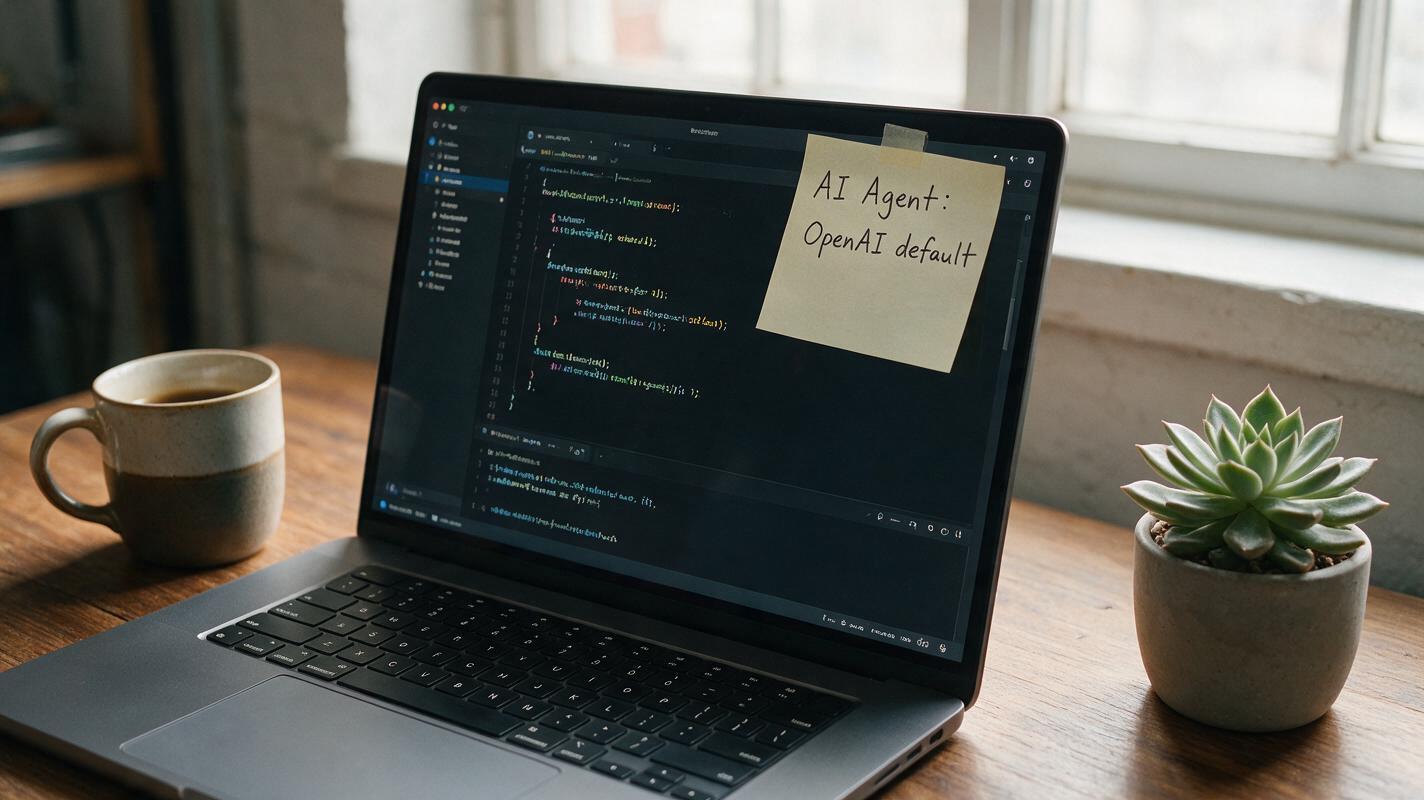
Table of contents
The Replit AI Agent Model Switch: What We Know
Replit, the cloud-based coding platform popular with developers and hobbyists alike, has flipped the default model for its AI Agent to OpenAI — a move that ripples through the fast-evolving coding-agent ecosystem.
Reported as the latest tilt in coding-agent model selection, the change means new and existing users of Replit's AI Agent will now interact with an OpenAI model by default, rather than the platform's previous default provider. The shift comes amid ongoing competition among leading AI model providers to power developer-facing tools, where performance, cost, and integration flexibility are key decision factors.
While Replit has not publicly detailed the exact OpenAI model powering the default experience or the specific reasoning behind the switch, the move aligns with a broader trend of developer platforms re-evaluating their AI model stacks as new capabilities and pricing models emerge. Coding agents, which automate repetitive development tasks, assist with code generation, and can execute multi-step workflows, have become one of the fastest-growing segments of the AI agent market, making default model choices a high-stakes decision for platform operators.
Why This Shift Matters for the Broader AI Ecosystem
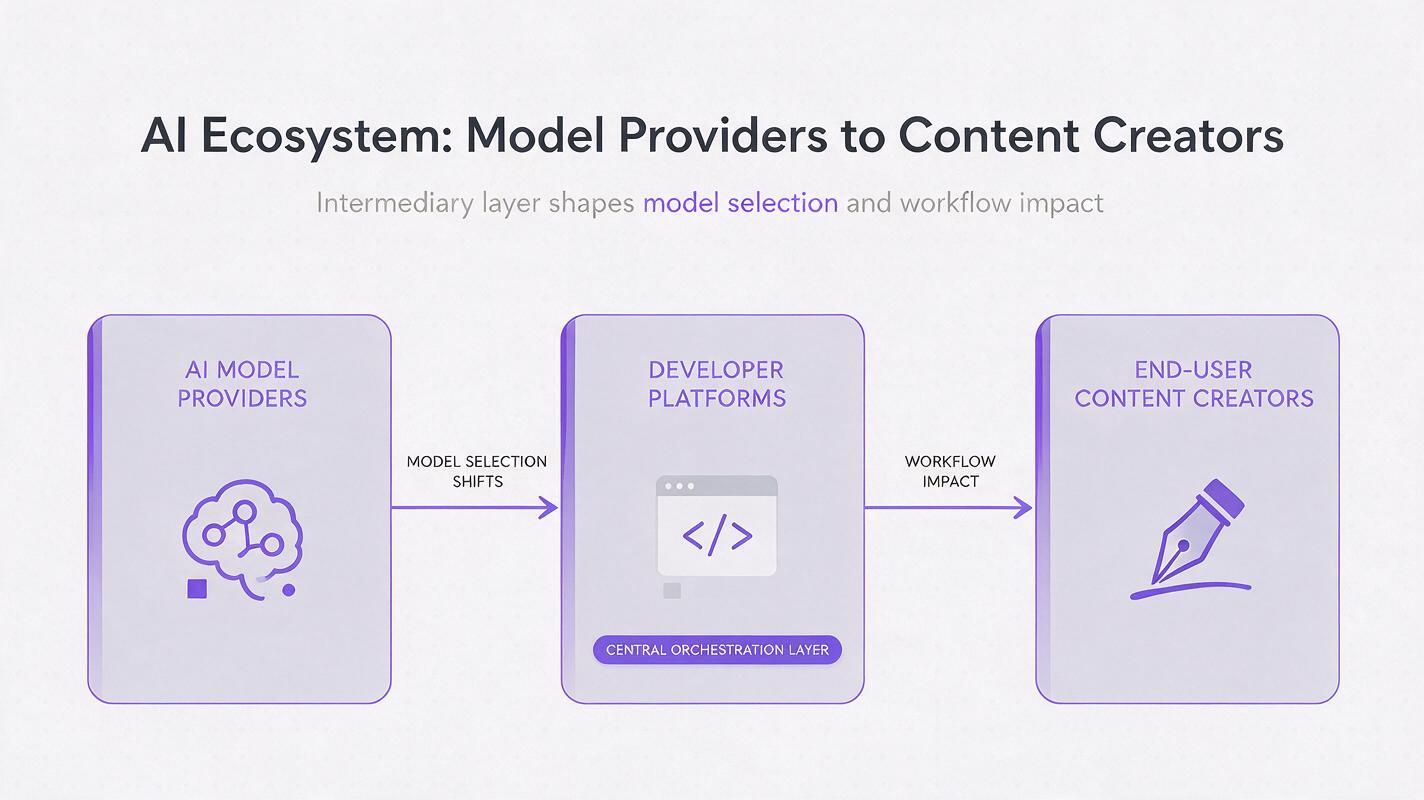
Default model switches on major platforms are more than just behind-the-scenes changes — they signal shifting market dynamics that affect everyone from individual developers to enterprise teams building AI automation pipelines. For coding agents in particular, the default model sets the baseline experience for millions of users, shaping everything from code generation quality to response speed and the complexity of tasks an agent can handle.
The move also highlights the ongoing competition between AI providers to capture share in the high-growth ai assistant and agent market. As platforms like Replit evaluate their options, they weigh factors like model performance on coding benchmarks, API pricing, rate limits, and the ability to support agentic features like tool use and long-running workflows. A change in default status often means one provider has edged out another on one or more of these metrics, even if the exact terms of the partnership are not public.
For teams that build on top of these platforms, the shift serves as a reminder of the risks of provider lock-in. A default model change can require teams to rework prompts, adjust workflow automations, or even rebuild integrations that relied on the previous model's specific behavior or output format. This is true not just for coding workflows, but for any ai workflow built around a single model provider's tools.
What This Means for Content Creators
While the Replit news is centered on coding tools, it carries direct implications for content creators who rely on AI-assisted workflows to streamline production. Many creators use coding agents and low-code development platforms to build custom automation tools, from content scheduling scripts to interactive social media assets and custom ai video workflow pipelines.
If you're a creator who uses Replit's AI Agent to build or maintain custom tools for your content workflow, a default model switch could change how your existing scripts or automations perform. You may notice differences in code quality, how the agent interprets your instructions, or the time it takes to complete tasks — all of which can throw off a carefully tuned production schedule.
Even creators who don't work directly with code can feel the ripple effects of broader model shifts across the AI ecosystem. As platforms adjust their default models, pricing, and feature sets, creators who rely on single-provider tools may find their go-to solutions suddenly changed, more expensive, or less capable for their specific use case. This is where a multi-model approach to AI content creation offers clear advantages.
Instead of being tied to a single provider's roadmap and pricing changes, creators can use a unified platform to access a range of AI tools tailored to different tasks. For script drafting and content planning, an ai script writer can help structure ideas and refine dialogue, while an ai video generator can turn those scripts into polished visual content — all from a single account, with the flexibility to switch between models as needed.
Building Resilient AI Workflows With Multi-Model Access
The Replit model switch is just one example of how quickly the AI landscape can shift, and why flexible, multi-provider workflows are becoming essential for reliable content production. Whether you're building a simple automation for social media posts or a full end-to-end content pipeline, relying on a single AI provider puts your workflow at risk of disruptions from model changes, pricing hikes, service outages, or safety-related pauses.
MagicBoat addresses this risk by offering a single account with access to a diverse suite of leading AI tools for content creation, from text and image generation to video production, voiceover, and more. Instead of managing multiple subscriptions and adapting to constant changes across different platforms, you can access all the tools you need in one place, with the freedom to switch between models and providers to match the specific requirements of each project.
For example, if you're working on a short-form video series, you can use MagicBoat's ai script writer to draft episode outlines, generate visual assets with an ai image generator, then bring everything together with text to video capabilities — all without leaving the platform. If one model's output doesn't fit your creative vision, you can easily test an alternative to get the results you want, no new account or integration required.
Ready to build more resilient, flexible AI content workflows? try these models for free and see how a multi-model platform can streamline your production process.

Key Takeaways
- Replit has switched the default model for its coding-focused AI Agent to OpenAI, marking the latest shift in the competitive coding-agent model selection landscape.
- Default model changes can disrupt workflows for developers and creators who build automations or tools around a specific model's behavior and output format.
- Provider lock-in is a growing risk across the AI ecosystem, with shifts in default models, pricing, and features potentially impacting productivity and production timelines.
- Multi-model AI platforms reduce lock-in risk by giving users access to a range of tools and providers, with the flexibility to switch between solutions based on each task's needs.
- Content creators benefit from unified multi-model access by streamlining workflows, reducing tool management overhead, and ensuring they always have the right tool for each creative project.
Keywords
replit ai agent, openai, coding agent, ai workflow, ai automation, ai assistant, model selection