Netflix Premieres 'Russell Brand: Open Secret' Days After 10-Year Sentence
Netflix announced the 84-minute documentary 'Russell Brand: Open Secret' via its Tudum site on November 12, 2026, premiering the film globally the next day just four days after Russell Brand was sentenced to 10 years and six months for sexual assault convictions. Directed by Olivia Isaacs and produced by Fremantle's 72 Films, the documentary uses archival footage, witness accounts, and investigative material from The Times and The Sunday Times to trace Brand's career rise and subsequent legal proceedings. The unprecedented fast turnaround highlights a growing demand for timely true-crime content, and offers actionable lessons for independent AI content creators building news-aligned short-form and documentary work.
Table of contents
Netflix’s surprise drop of a new true-crime documentary about Russell Brand landed barely 96 hours after the comedian and actor was sentenced in a London court, marking one of the fastest turnarounds for a feature-length streaming documentary in recent memory.
Netflix’s Russell Brand: Open Secret: What You Need to Know
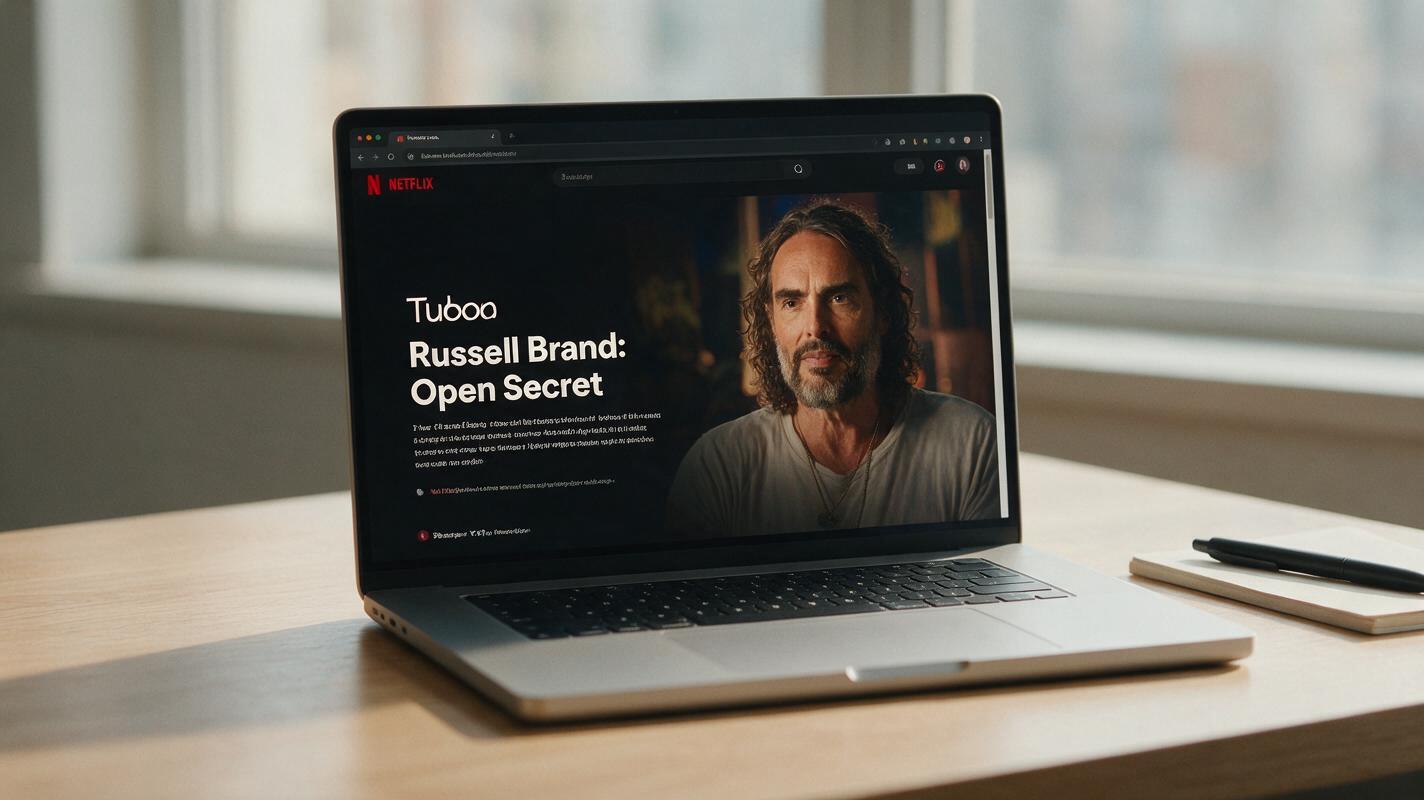
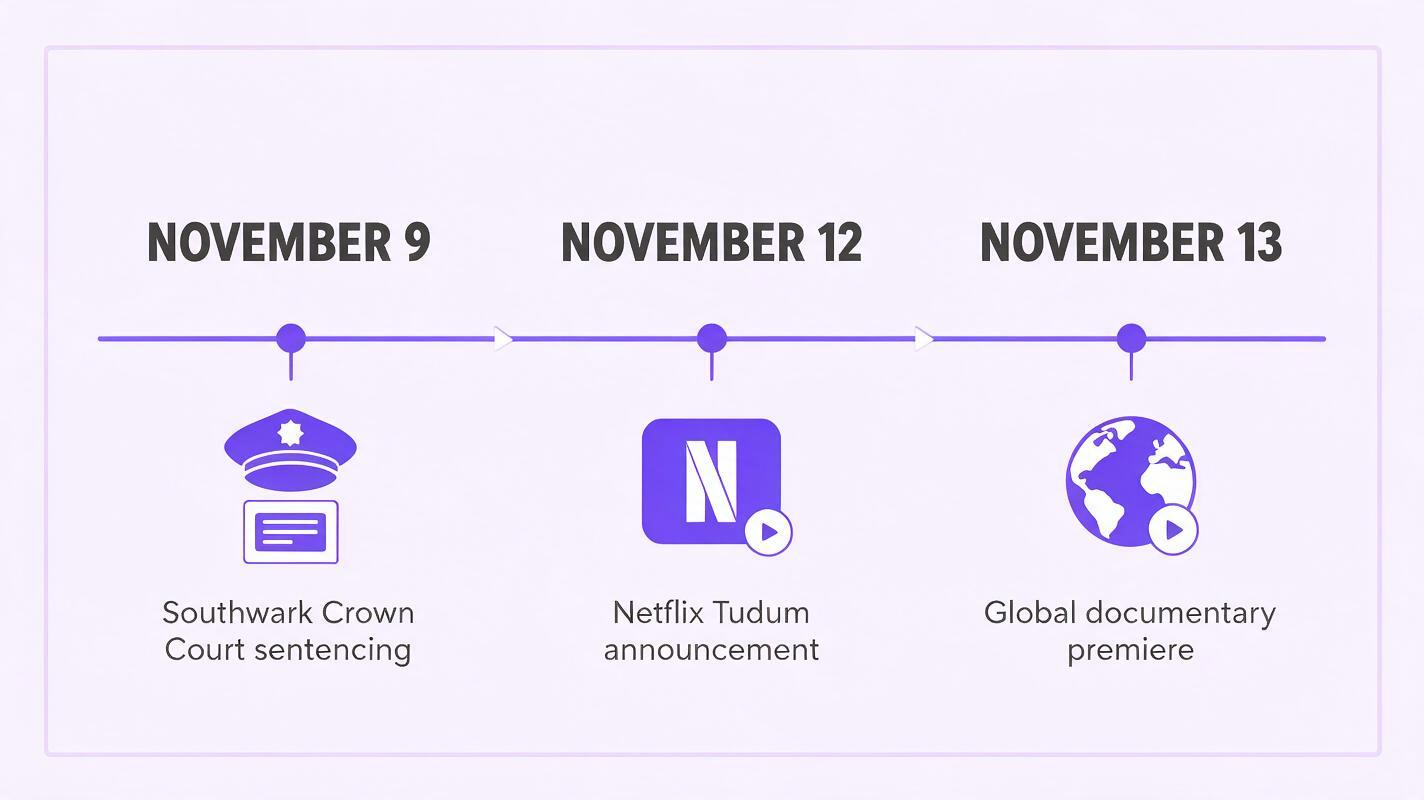
First announced via Netflix’s Tudum site on November 12, 2026, Russell Brand: Open Secret premiered globally on the streaming platform the very next day, November 13. Clocking in at 84 minutes, the documentary is directed by Olivia Isaacs and produced by Fremantle’s 72 Films.
The film traces Brand’s trajectory from mainstream comedy and film stardom through his shift to political activism and online commentary, culminating in the recent criminal proceedings against him. It draws on archival footage, firsthand accounts from people who knew Brand across different phases of his career, and investigative material compiled by reporters at The Times and The Sunday Times.
The tight release timeline is tied directly to Brand’s November 9 sentencing at Southwark Crown Court. The 51-year-old was sentenced to 10 years and six months following a four-week trial, where a jury convicted him of one count of rape and three counts of sexual assault against four women, with offenses taking place between 2004 and 2009. He was acquitted of two additional rape charges and one count of attempted indecent assault. Senior CPS prosecutor David Roberts stated at sentencing that celebrity status and the passage of time did not change the fundamental issue of consent, and victim impact statements were read aloud in court.
Court testimony also hinted at the documentary’s parallel production timeline. Deadline, cited by Gulf News, reported that Brand’s former friend Mark Pinheiro told the court a producer had approached him about the Netflix project while the trial was still ongoing. Netflix had previously addressed Brand’s content on its platform, noting that his stand-up special Re. would remain available to subscribers but would no longer be actively promoted or automatically recommended to users.
The Unprecedented Speed of the Release
For a feature-length documentary, a four-day gap between a high-profile legal verdict and a global streaming premiere is nearly unheard of. Traditional documentary production timelines typically stretch across months or even years, with extensive research, interview scheduling, editing, and legal review all required before a film is ready for release.
The rapid turnaround of Russell Brand: Open Secret suggests the project was in active development and production for months, likely aligned with the trial timeline, with final edits and legal sign-offs completed in the immediate aftermath of the verdict. This strategy lets Netflix capitalize on peak public interest in Brand’s case, when search volume and social conversation are at their highest.
This approach is consistent with broader streaming industry trends, where platforms increasingly prioritize timely, news-adjacent unscripted content to drive subscriber engagement and capture cultural attention. True-crime content, in particular, has consistently delivered strong viewership numbers for streamers, with fast-turnaround projects able to outperform more slowly produced titles by riding the wave of public interest.
What This Means for Independent Content Creators
The success of fast-turnaround streaming documentaries isn’t just a win for big platforms — it also highlights a major opportunity for independent creators. Audience demand for timely, context-rich content about trending news events extends beyond full-length documentaries to short-form explainers, deep-dive reels, ai short drama reenactments, and serialized true-crime shorts. Even 60-second ai video explainers can capture significant viewership when tied to a trending news topic.
Historically, independent creators lacked the resources to compete with studio-level production speed. A single creator working alone might need weeks to research, script, film, and edit even a 10-minute documentary short. Today, AI production tools are leveling the playing field, letting solo creators and small teams produce high-quality, timely content in a fraction of the time.
AI Tools That Enable Fast-Turnaround Documentary Content
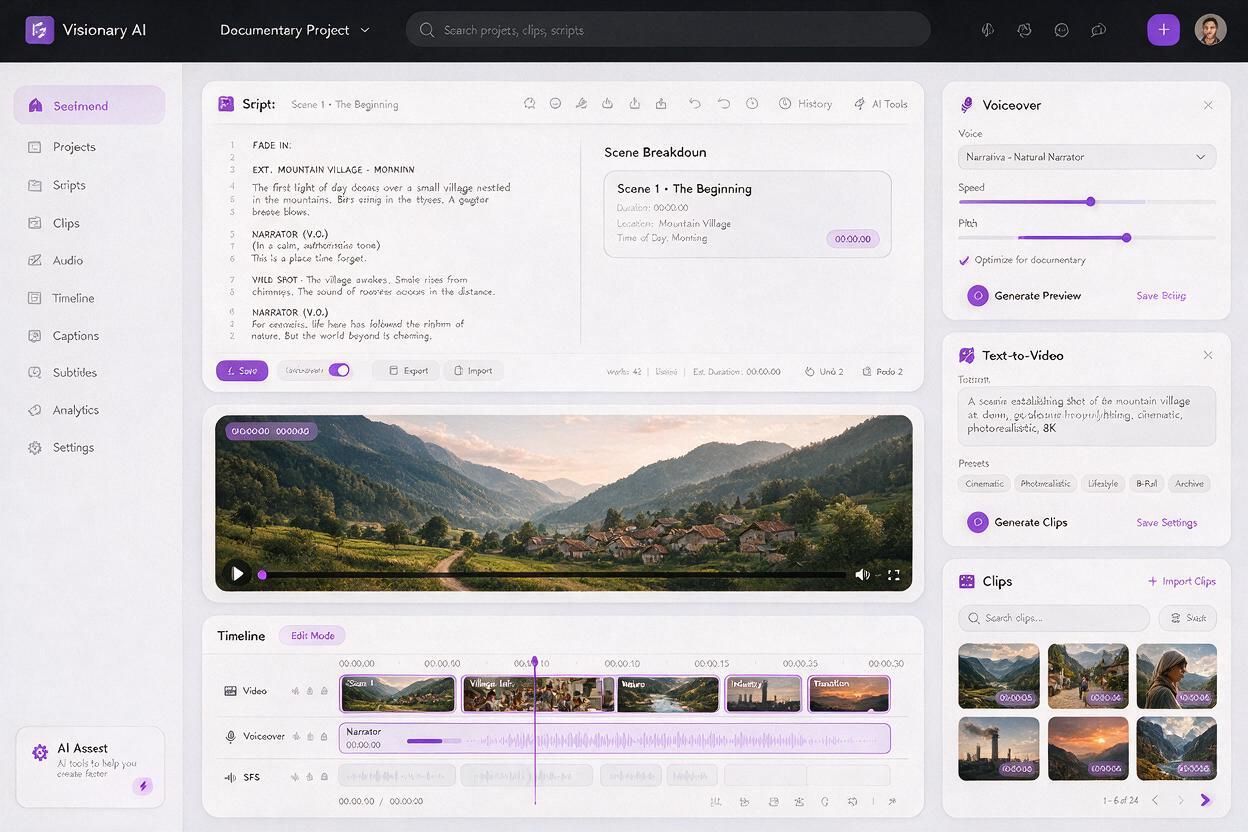
For creators looking to build their own timely documentary or true-crime content, a range of AI tools can streamline every stage of production. text to video tools can generate stylized reenactments, title sequences, and transitional B-roll without requiring a full film crew or expensive equipment, making it possible to produce visual content in hours rather than days.
On the scripting side, an ai script generator can help structure public record information, news reports, and archival context into a cohesive narration draft, letting creators focus their time on fact-checking, narrative shaping, and adding their unique perspective. Combined with AI voiceover tools and automated editing features, creators can move from an initial concept to a publishable video in as little as a few days.
Creators looking to experiment with these tools for their own timely content projects can try these models for free on MagicBoat, which offers a full suite of AI production tools in one unified platform, from script planning to final video rendering.
Key Takeaways
- Netflix’s Russell Brand: Open Secret premiered just four days after Brand’s criminal sentencing, highlighting a growing industry focus on fast-turnaround, news-aligned true-crime content.
- The rapid release strategy capitalizes on peak public interest, driving higher viewership and cultural relevance than projects that arrive months after a news event.
- Independent creators can compete in this space by leveraging AI tools that streamline scripting, visual production, and audio work, reducing production timelines from weeks to days.
- A unified AI content platform eliminates the need to juggle multiple separate tools, making it easier for small teams and solo creators to produce professional-quality content on tight deadlines.
Keywords
russell brand open secret, netflix documentary, true crime, ai content creation, ai film, text to video, ai short drama