Semiconductor Stocks Lead Nov 11 US Rally Amid Earnings and IPO Demand
U.S. stocks closed higher on November 11, 2026, with semiconductor and AI infrastructure names leading a sharp rally driven by strong earnings and upcoming IPO demand, even as October CPI data cemented expectations for a December interest rate hike. The rebound highlights a split between hardware supply chain strength and broader rate sensitivity, with meaningful implications for AI content creators weighing tool costs and platform reliability.
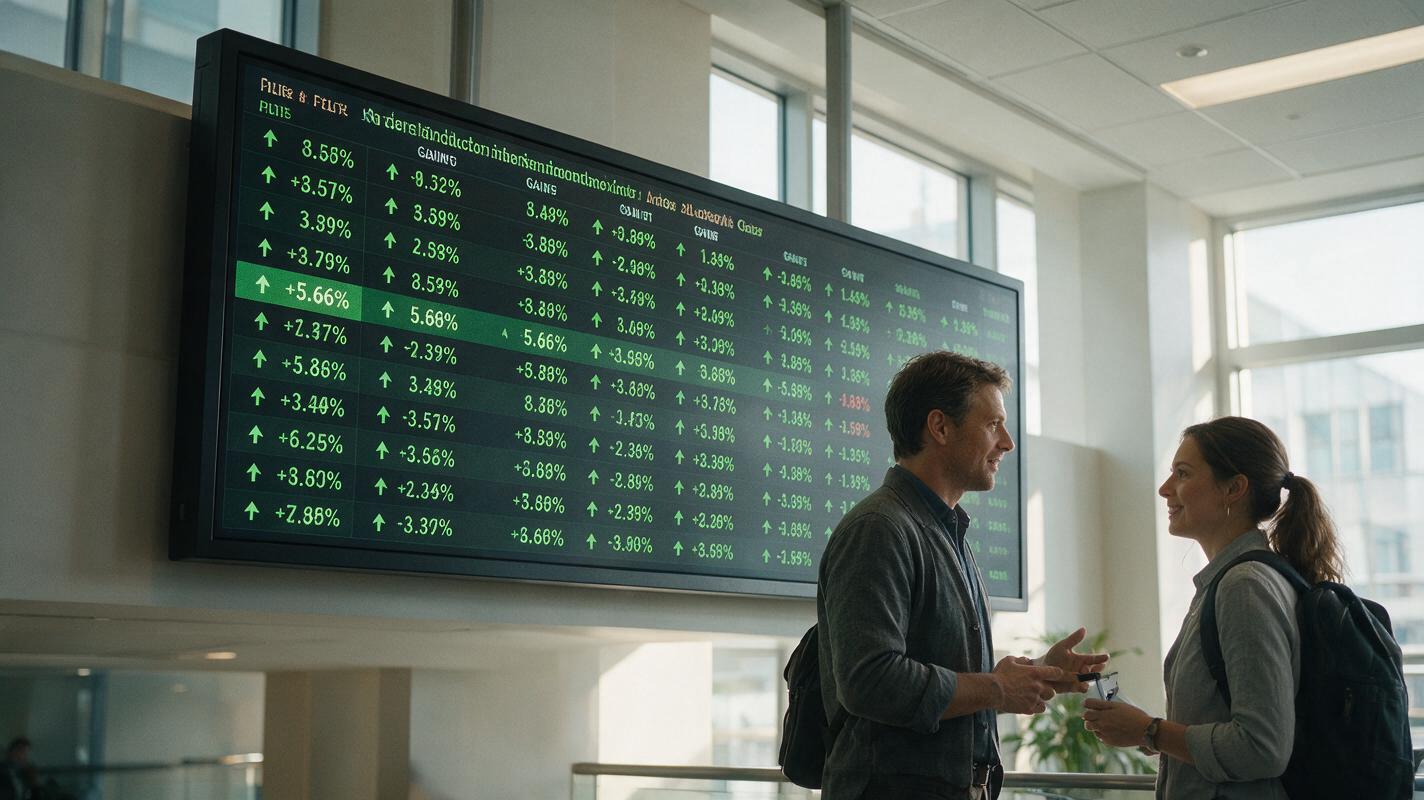
Table of contents
The Nov 11 US Market Rebound: Semiconductors Lead the Charge
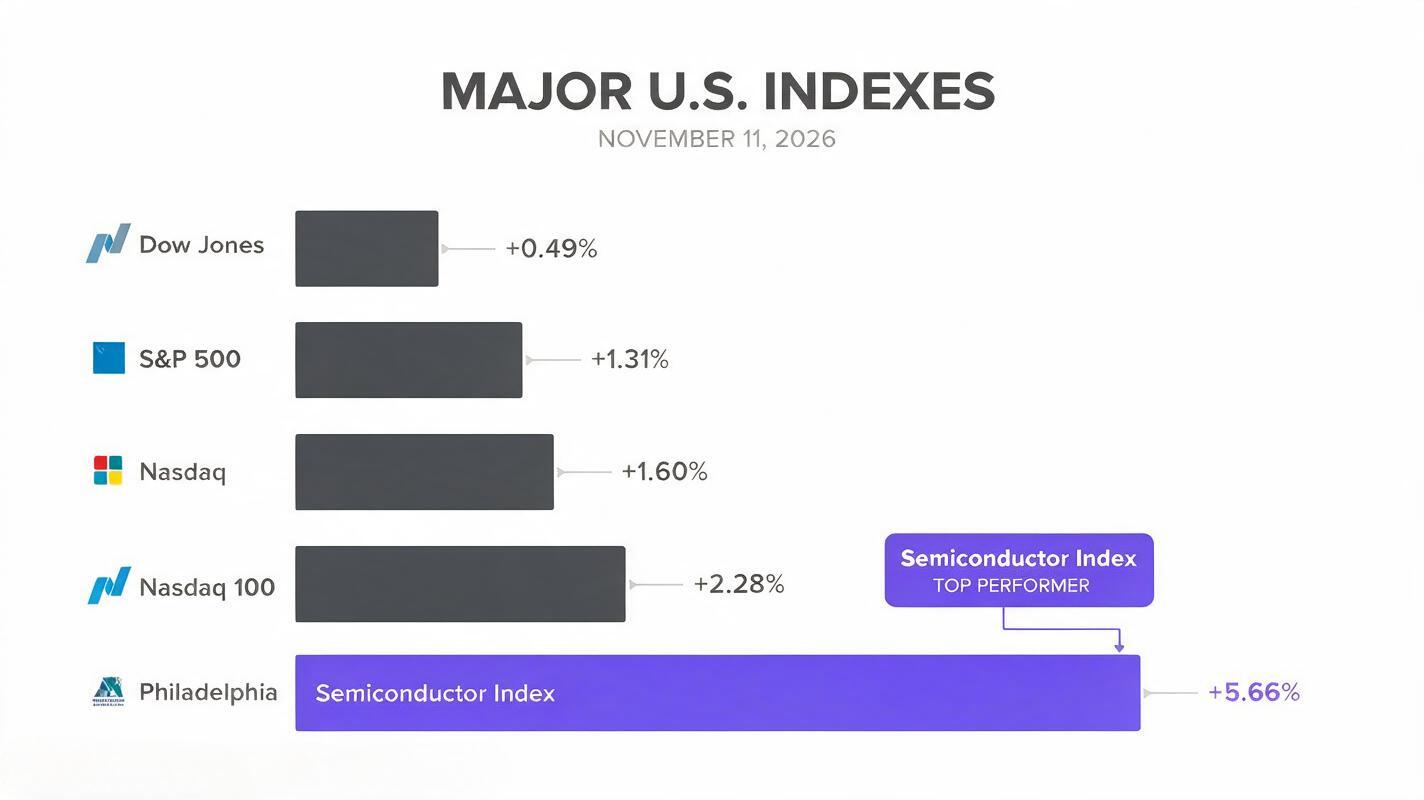
U.S. stocks closed sharply higher on November 11, 2026, with semiconductor and AI infrastructure names pacing gains even as inflation data reinforced expectations for another interest rate hike. The Dow Jones Industrial Average rose 0.49% to 52,486.49, the S&P 500 gained 1.31% to 7,619.38, and the Nasdaq Composite climbed 1.60% to 25,466.19. The Nasdaq 100 outperformed with a 2.28% gain, at one point rising 3% intraday and fully erasing losses from the post-midterm election selloff. The VIX volatility index fell 10.12% to 17.49, signaling a sharp drop in market fear.
The standout performer was the Philadelphia Semiconductor Index, which surged 5.66% on the day — nearly double the Nasdaq 100's gain — after rising almost 8% at intraday highs. All 30 components of the index closed in positive territory, with outsized gains across memory, optical networking, and AI infrastructure names. SanDisk led the pack with a 13.69% jump, followed by Micron at 11.89%, SK Hynix at 9.71%, and Lumentum at 10.67%. Other notable gainers included Marvell (+9.33%), Coherent (+9.25%), Lam Research (+6.07%), Applied Materials (+6.05%), and ARM Holdings, which rose 12%. Intel gained 7%, while AI infrastructure neoclouds CoreWeave and Nebius surged 24.71% and 15.44% respectively, and Oracle added 8.82%.
Not every large tech name participated: Microsoft fell 2.26% and Meta dropped 1.97%, bucking the broader trend. The divergence came as October CPI data came in at 0.4% month-over-month, above consensus expectations and all but locking in a December interest rate hike. The 10-year Treasury yield traded above 5% on the news, a headwind that typically pressures growth stocks. Analysts attributed the rally instead to strong quarterly earnings results and robust demand for upcoming tech IPOs, rather than any shift in rate expectations.
Why the Rally Matters for the AI Industry
The November 11 rally highlights a growing split in the AI market: the hardware supply chain continues to deliver blowout results and draw investor interest, even as higher interest rates weigh on more speculative parts of the sector. Semiconductor and equipment makers have benefited from sustained demand for AI chips, memory, and manufacturing tooling, with many companies reporting backlogs stretching years into the future.
IPOs have also been a major driver of investor sentiment. The upcoming public debut of Anthropic, expected November 19, has drawn significant demand from institutional investors, with comparisons drawn to SpaceX's record $1.77 trillion valuation IPO in June 2026. Strong IPO appetite signals ongoing confidence in ai funding and long-term growth prospects for leading AI developers, even as shorter-term rate concerns roil broader markets.
For the ai industry as a whole, the rally suggests that capital expenditure on AI infrastructure remains a top priority for hyperscalers and enterprise customers. The strength in semiconductor names aligns with earlier reports of record TSMC revenue and tight leading-edge chip supply, indicating that AI compute capacity is still expanding rapidly — a trend that has direct implications for the cost and availability of AI creative tools.
What This Means for AI Content Creators
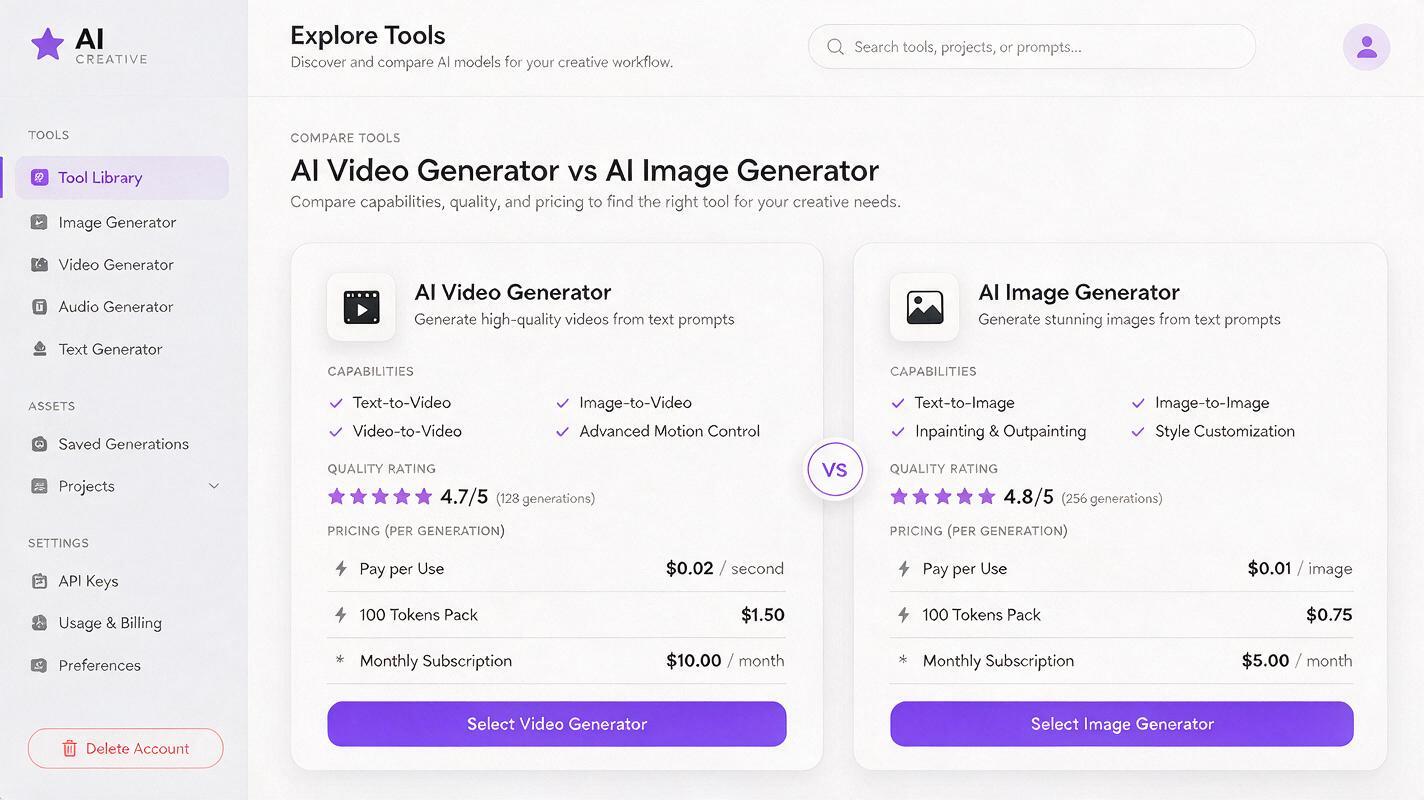
For content teams and independent creators, the semiconductor rally and ongoing AI infrastructure buildout carry several tangible implications. First, expanding compute capacity is likely to put gradual downward pressure on ai video cost and image generation pricing over time, as more chip supply comes online and competition among inference providers intensifies. This is good news for creators who rely on ai video generator and ai image generator tools to produce content at scale.
At the same time, the persistence of high interest rates and market volatility means that AI tool providers face uneven funding conditions. Smaller, single-product startups may struggle to secure follow-on ai funding or maintain competitive pricing if capital markets tighten further, putting creators who rely on a single tool at risk of service disruptions or price hikes.
This is where a multi-model platform like MagicBoat adds value: by giving creators access to a wide range of AI creative tools under one account, it reduces reliance on any single provider and lets teams switch between models to find the best cost and quality balance for each project. Whether you're generating social media graphics, editing short-form video, or scripting long-form content, a diversified toolset protects your workflow from market-driven disruptions.
try these models for free to see how a multi-model platform can stabilize your creative workflow and reduce cost volatility.
Key Takeaways
- Semiconductors led the Nov 11 rally: The Philadelphia Semiconductor Index rose 5.66%, with memory, optical networking, and AI infrastructure names posting double-digit gains, even as rate hike expectations remained firmly in place.
- Earnings and IPO demand are driving gains: The rally is not tied to lower rate expectations, but to strong quarterly results and robust investor appetite for AI IPOs like Anthropic's upcoming debut.
- AI compute capacity is expanding: Sustained semiconductor strength signals ongoing ai capital expenditure growth, which should gradually ease pricing pressure for AI creative tools over time.
- Volatility remains a risk for creators: High rates and market swings can put pressure on smaller AI tool providers, making multi-model platforms a more reliable choice for consistent creative output.
Keywords
semiconductor stocks, ai industry, ai capital expenditure, ai funding, november 2026 stock rally, ai infrastructure, ai video cost