Senate 'Power and Profits' Report Accuses AI Data Centers of Grid Cost, NDA Abuses
A new Senate report led by Senators Warren, Blumenthal, and Van Hollen accuses major AI data-center operators of failing to pay full grid costs, abusing non-disclosure agreements, and seeking excessive tax breaks. The 'Power and Profits' report raises questions about the public cost of AI infrastructure expansion and its long-term impact on service pricing and accessibility. For content creators, these allegations highlight how infrastructure economics shape AI tool costs and reliability.
Table of contents
The Senate "Power and Profits" AI Data Center Report
A newly released Senate report is raising critical questions about who pays the true cost of AI’s rapid infrastructure expansion.
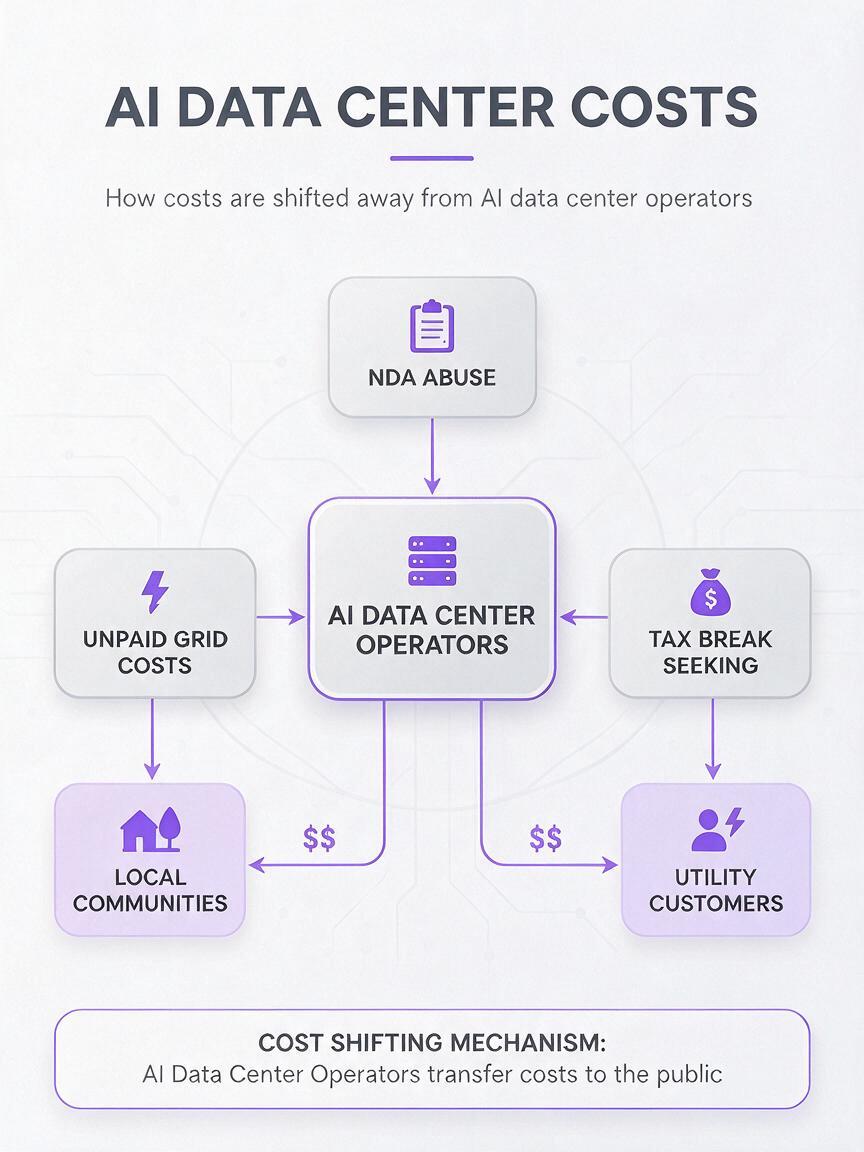
On October 9, Senators Elizabeth Warren, Richard Blumenthal, and Chris Van Hollen released a report titled “Power and Profits” that accuses large AI data-center operators of a range of unfair cost practices. According to the report, these giants are not paying their full share of electrical grid costs, abusing non-disclosure agreements to hide operational details, and actively seeking tax breaks that shift financial burdens to local communities and utility customers.
The report adds to a growing wave of scrutiny around AI infrastructure economics, as spending on data centers, computing hardware, and energy continues to surge across the industry. While the full scope of the report’s findings and any potential policy responses remain unclear, its core allegations touch on fundamental questions about how AI infrastructure is funded, regulated, and priced for end users.
Key Allegations in the "Power and Profits" Report
Unpaid Grid Cost Contributions
One of the report’s central claims is that AI data-center giants are not paying the full cost of the strain they place on local electrical grids. As data centers scale to support increasingly large AI models and high-volume inference workloads, their energy consumption can require costly upgrades to local power infrastructure, from new transmission lines to substation improvements. The report alleges that these costs are often passed on to residential and small business utility customers rather than being covered by the data center operators themselves.
NDA Abuse and Lack of Transparency
The report also accuses AI data-center companies of abusing non-disclosure agreements (NDAs) to withhold critical information from local governments, utility providers, and community stakeholders. These NDAs, according to the report, prevent public disclosure of energy use, grid impact, and tax incentive details, making it difficult for communities to evaluate the true costs and benefits of hosting AI data centers.
Tax Break Seeking
Finally, the “Power and Profits” report claims that AI data-center operators are aggressively seeking local and state tax breaks that reduce their operating expenses while shifting funding burdens to public services. These incentives, often pitched as job creation tools, may not deliver the promised economic benefits, leaving local communities to cover gaps in education, infrastructure, and public safety funding.
What This Means for AI Industry Capital Expenditure
The Senate report comes at a time when ai capital expenditure is soaring across the tech sector, with major cloud and AI companies investing hundreds of billions of dollars in data centers, chips, and energy infrastructure. As infrastructure costs rise, the question of who bears those costs — operators, taxpayers, or end users — becomes increasingly urgent for the entire ai industry.
If the report’s allegations lead to new regulations or policy changes, AI data-center operators could face higher operational costs, from increased grid connection fees to reduced tax incentives. Those higher costs would likely be passed down the stack to AI service providers, and ultimately to the businesses and individual creators who use AI tools for content production.
How Data Center Economics Impact Creator Workflow Costs
For content creators and creative teams, data center economics directly impact the cost and availability of the tools they use every day. When infrastructure costs rise, AI service providers often raise API pricing, reduce free tiers, or throttle usage limits — all of which can increase ai video cost and raise expenses for teams using ai image generator and video generation tools for regular production.
This is especially true for small teams and independent creators, who may not have the budget to absorb sudden price increases or negotiate enterprise pricing contracts. Even modest hikes in per-image or per-minute video generation costs can add up quickly for teams producing dozens of assets per week, eating into profit margins and limiting creative experimentation.
Beyond direct pricing, infrastructure instability can also affect service reliability. Data center capacity constraints, grid disruptions, or regulatory changes can lead to slower generation times, increased error rates, or even temporary service outages — all of which can delay production schedules and create extra work for creative teams.

Mitigating Risk With Multi-Model AI Platform Access
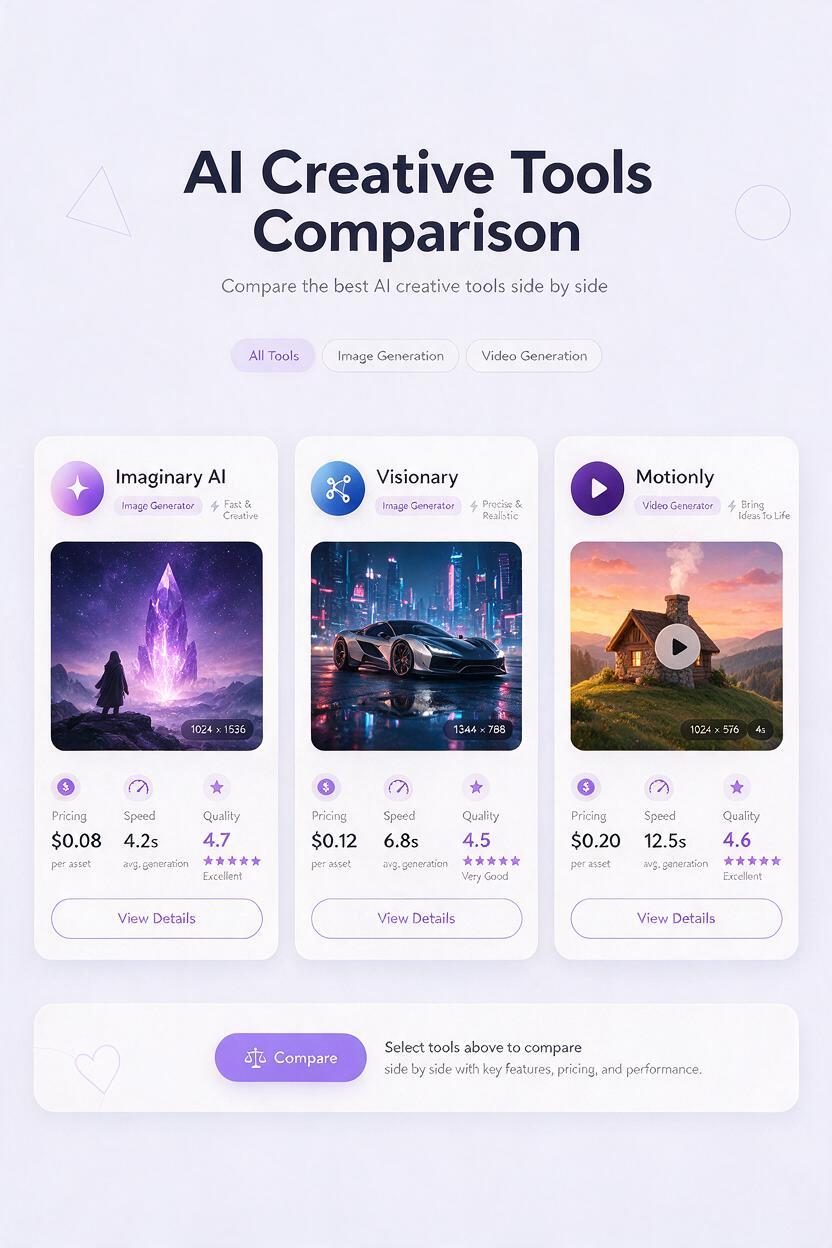
One of the most effective ways for creative teams to mitigate the risk of rising AI infrastructure costs and service instability is to use a multi-model platform that provides access to multiple AI tools from different providers under a single account. Instead of relying on a single provider whose pricing or reliability could shift overnight due to data center cost pressures, teams can compare output quality, speed, and cost across multiple models and choose the best option for each project.
For example, a team working on social media visuals might test different image generation models to find the best balance of quality and cost, without having to set up separate accounts or manage multiple billing relationships. Similarly, teams producing short-form video can compare ai video generator options to find the most cost-effective solution for their specific use case, whether that’s animated social clips, product demos, or narrative shorts.
Platforms like MagicBoat consolidate these tools into a single interface, making it easy to switch between models, compare output, and manage costs across all of your creative AI workflows. This flexibility means you’re not locked into a single provider’s pricing structure or vulnerable to unexpected changes driven by their infrastructure costs.
If you’re looking to reduce your workflow risk and access a wide range of creative AI tools in one place, you can try these models for free and see which options work best for your team’s needs and budget.
Key Takeaways
- The Senate “Power and Profits” report accuses AI data-center giants of failing to pay full grid costs, abusing NDAs, and seeking excessive tax breaks.
- These allegations come amid a surge in ai capital expenditure, with infrastructure costs potentially being passed to end users of AI tools.
- Creative teams may see impacts on ai video cost, ai image generator pricing, and service reliability as data center economics shift.
- Using a multi-model AI platform can help teams mitigate pricing and reliability risk by giving them flexible access to multiple tools.
Keywords
ai industry, ai capital expenditure, ai data centers, ai video cost, power and profits report, ai infrastructure, ai image generator