SGLang Consortium Forms As llama.cpp Hits 1.0.0 Milestone
On November 16, 2026, the SGLang Consortium was announced alongside the official 1.0.0 release of the llama.cpp inference framework, marking a key milestone for open-source AI inference. This roundup explores what the announcement means for AI content creators, including potential benefits like lower tool costs, broader model support, and reduced vendor lock-in. It also explains how unified multi-model platforms like MagicBoat help creators build resilient, flexible creative workflows.
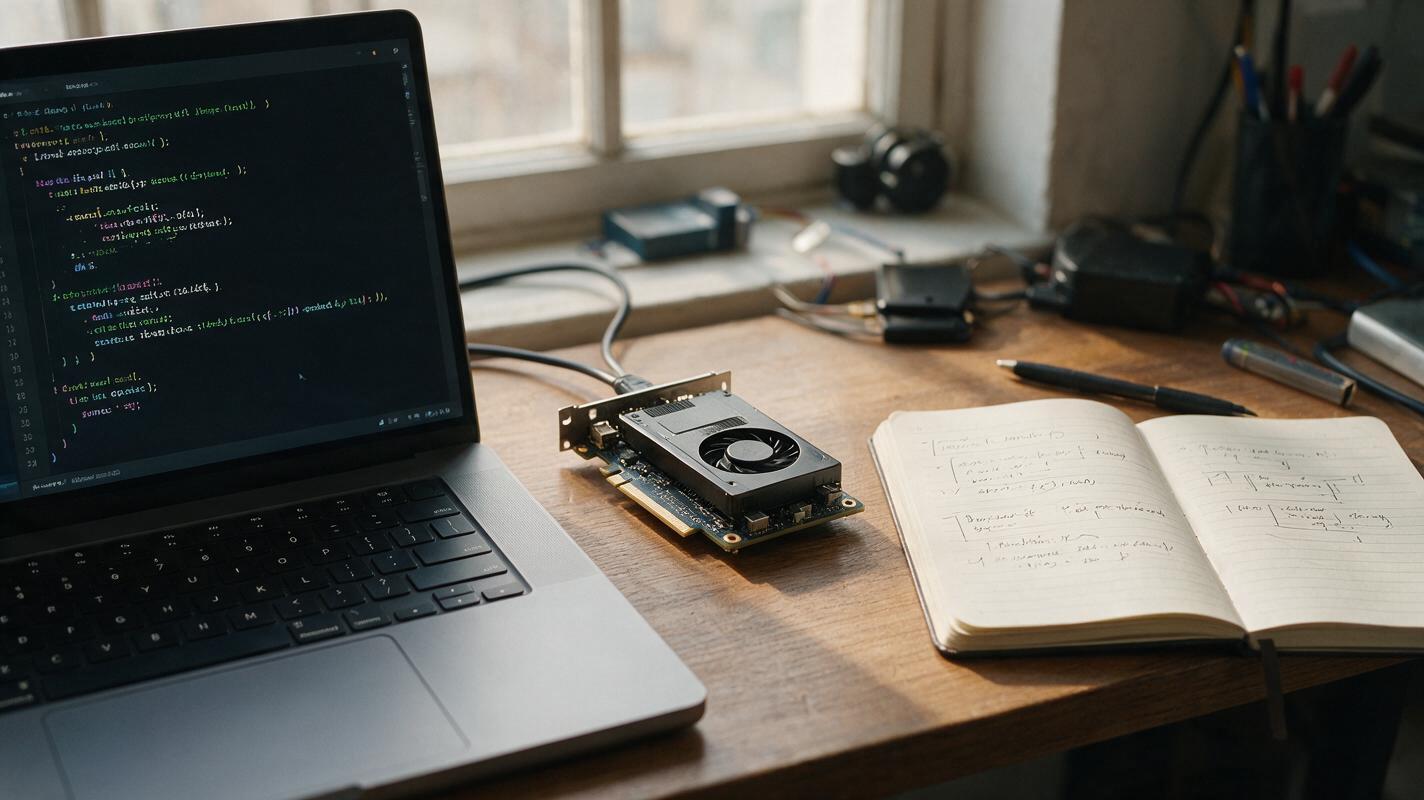
Table of contents
The SGLang Consortium and llama.cpp 1.0.0 Milestone
On November 16, 2026, two linked open-source AI inference milestones were announced: the formation of the SGLang Consortium and the official 1.0.0 release of the llama.cpp inference framework. The paired announcement marks a notable moment for the open-source AI ecosystem, though available public details do not include specifics on consortium founding members, formal governance structure, the full 1.0.0 feature changelog, or planned joint initiatives between the consortium and the llama.cpp project.
What is clear is that both developments center on AI inference — the process of running trained AI models to generate outputs like text, images, and video — a critical layer of the AI stack that directly impacts tool performance, cost, and accessibility for end users.
Why Open-Source Inference Milestones Matter
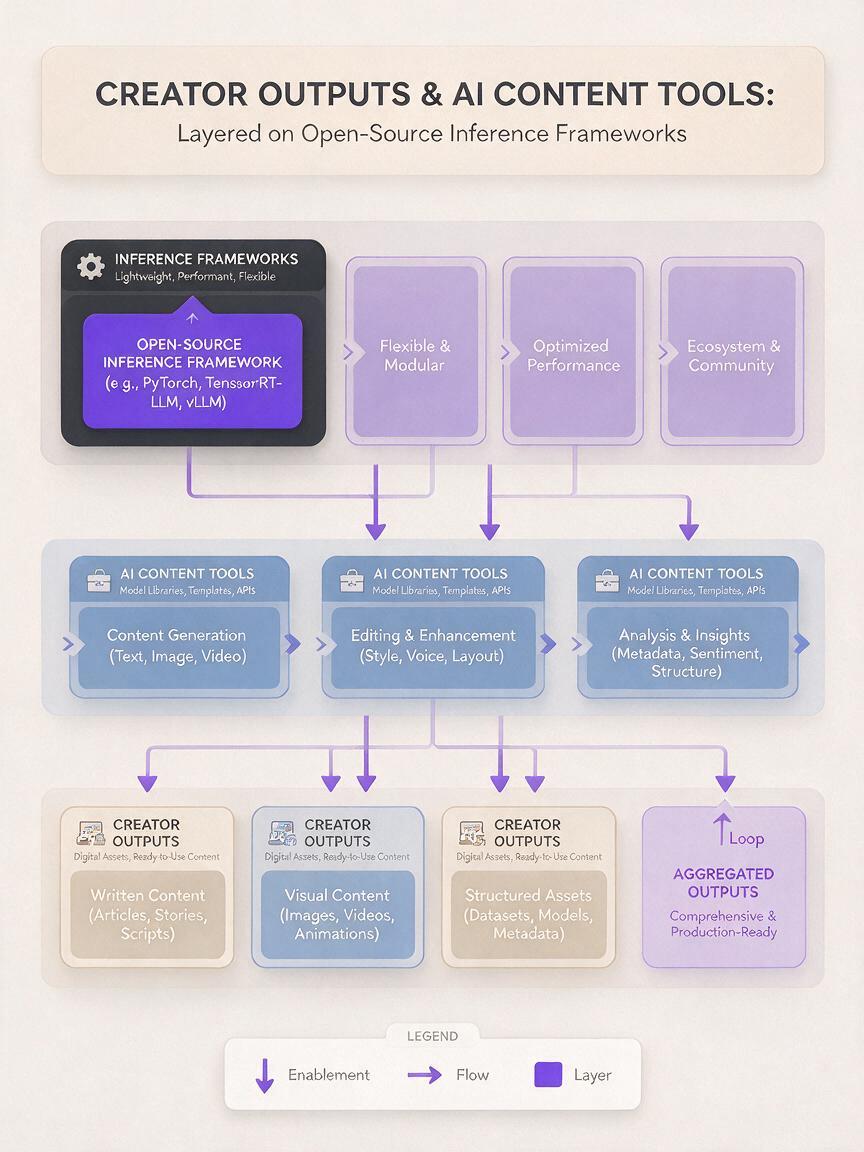
Inference frameworks are the unsung backbone of nearly every AI tool creators use today. Whether you’re working with a cloud-based ai video generator or running a local image model on your own hardware, the underlying inference framework determines how fast outputs generate, how much they cost to produce, and which models you can access.
A 1.0.0 release is a significant marker for any open-source project, signaling that the codebase has reached a level of stability, feature completeness, and production readiness that makes it suitable for widespread, real-world use. For developers building AI content tools, a stable core inference framework reduces the risk of breaking changes, simplifies integration with new models, and can lower long-term maintenance costs.
The formation of a consortium around SGLang adds another layer of significance. Consortium-backed open-source projects typically benefit from shared resources, broader industry input, and more predictable roadmaps compared to projects maintained by a single team or company. This can lead to faster innovation, better compatibility across different hardware and software platforms, and a lower risk of the project being abandoned or deprioritized.
What This Means for AI Content Creators
For creators who rely on AI tools to produce content, the maturation of open-source inference infrastructure brings several tangible benefits, even if you never directly interact with the underlying code.
First, a more robust open-source inference ecosystem can lead to more competitive pricing for AI tools. When developers have access to high-quality, free, open-source inference frameworks, they don’t have to pay for expensive proprietary inference software, and those savings can be passed on to end users in the form of lower subscription costs or more generous usage limits.
Second, open-source inference tools support a wider range of AI models, including niche or specialized models that may not be available on closed, single-vendor platforms. This gives creators more options to find the exact model that fits their specific creative needs, whether that’s a model optimized for image to video conversion, a style-specific image generator, or a scriptwriting model tailored to a particular genre.
Third, open-source tools reduce vendor lock-in. If you build your workflow around open standards and open-source tools, you’re not tied to one company’s pricing changes, feature roadmap, or service reliability. This is especially important for professional creators who depend on AI tools for client work or revenue-generating content — a single vendor outage or price hike can derail entire projects if you have no backup options.

Building Resilient Creative Workflows
As the AI tool landscape continues to evolve rapidly, building a resilient workflow — one that can adapt to new tools, price changes, and service disruptions — is increasingly important for creators of all sizes.
One key strategy for resilience is diversifying your toolset. Instead of relying on a single platform for all your AI content needs, use a mix of tools from different providers, and have backup options for your most critical tasks. For example, if you use AI to generate video scripts, keep a second scriptwriting tool on hand that you can switch to if your primary tool is down or changes its pricing.
Another strategy is to choose platforms that aggregate multiple AI tools in one place. Unified multi-model platforms eliminate the hassle of managing separate accounts, billing, and login credentials for dozens of different AI tools, while still giving you access to a wide range of models and capabilities. This lets you take advantage of the latest open-source and closed-source innovations without needing to learn new interfaces or manage complex infrastructure yourself.
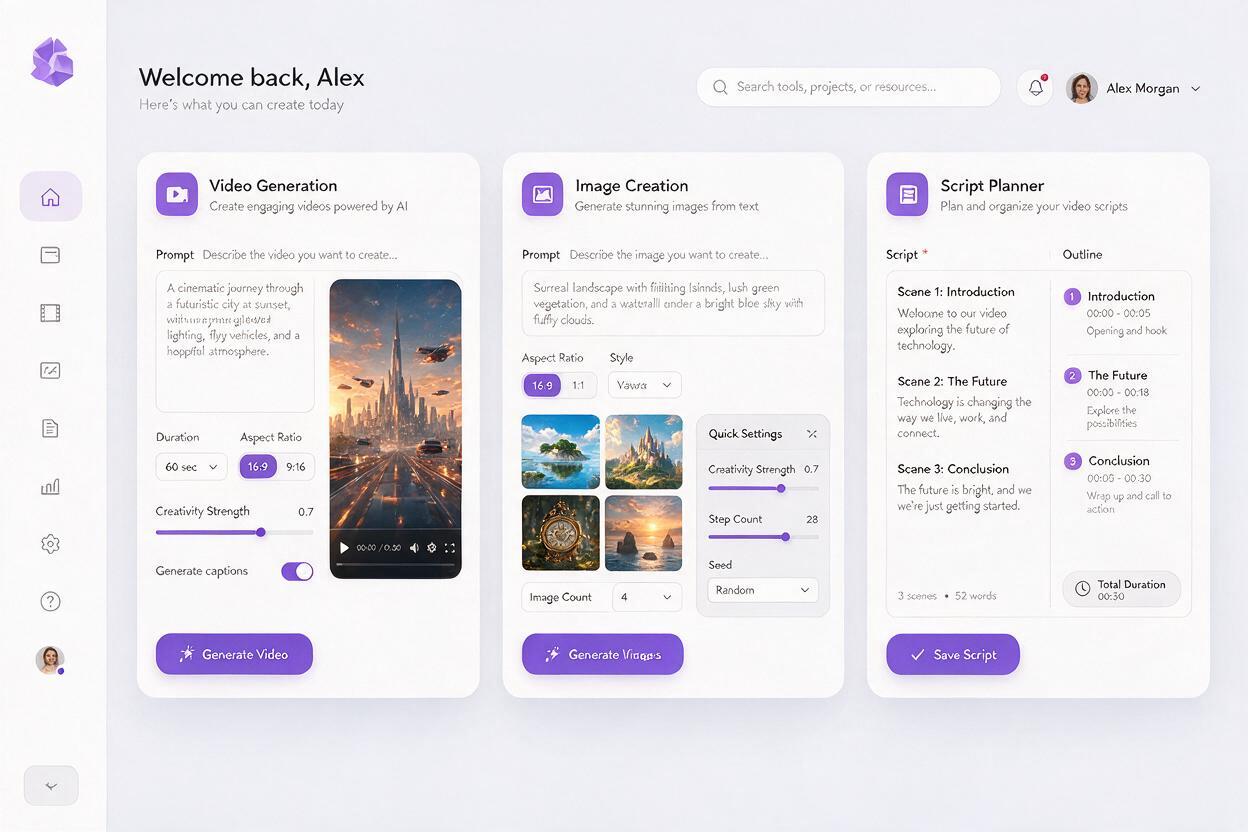
For creators who want to focus on making content rather than managing AI tools, MagicBoat brings together a curated selection of best-in-class AI content tools in a single, intuitive workspace. You can experiment with different models for text, image, and video creation, switch between tools seamlessly, and scale your workflow as your needs grow — all with one account and one billing plan. try these models for free to see how a unified multi-tool platform can streamline your creative process.
Key Takeaways
- The SGLang Consortium formed on November 16, 2026, alongside the official 1.0.0 release of the llama.cpp inference framework, marking a key milestone for open-source AI inference.
- Mature open-source inference tools can lead to lower costs, broader model support, and more reliable performance for AI content tools, benefiting creators of all sizes.
- Diversifying your AI toolset and using unified multi-model platforms helps reduce vendor lock-in and build more resilient creative workflows.
- Platforms like MagicBoat make it easy to access a wide range of AI content tools without the complexity of managing multiple vendor accounts or inference infrastructure.
Keywords
sglang consortium, llama.cpp 1.0.0, ai news, ai roundup, ai tools, open source ai, ai video generator, text to video