Sierra and Meta Launch Poppy v1.0 Personal-Agent Protocol
On November 16, 2026, Sierra and Meta jointly launched Poppy v1.0, a personal-agent protocol, marking a new entrant in the fast-growing AI agent standardization space. While specific technical details and feature sets have not yet been disclosed, the launch signals growing industry investment in interoperable agent infrastructure. For AI content creators, the protocol could eventually streamline multi-tool workflows, though unified platforms like MagicBoat provide immediate workflow benefits today.

Table of contents
The Poppy v1.0 Personal-Agent Protocol Launch: What We Know
On November 16, 2026, Sierra and Meta jointly announced the launch of Poppy v1.0, a new personal-agent protocol. The announcement marks a new entry in the fast-evolving AI agent space, bringing together two players with distinct stakes in how personal AI tools interact with consumer and enterprise systems.
Confirmed details from the initial announcement are limited to the core launch facts: the protocol is named Poppy v1.0, it is positioned as a personal-agent protocol, and it is launched through a collaboration between Sierra and Meta. No additional technical specifications, feature lists, pricing details, adoption partner rosters, or general availability timelines have been disclosed as part of the initial reveal.
The launch comes amid a broader industry push toward standardizing AI agent behavior and interoperability, as more companies release specialized agents for everything from productivity to creative work. For now, the announcement serves as a signal that major AI ecosystem players are investing in shared infrastructure for agent communication.
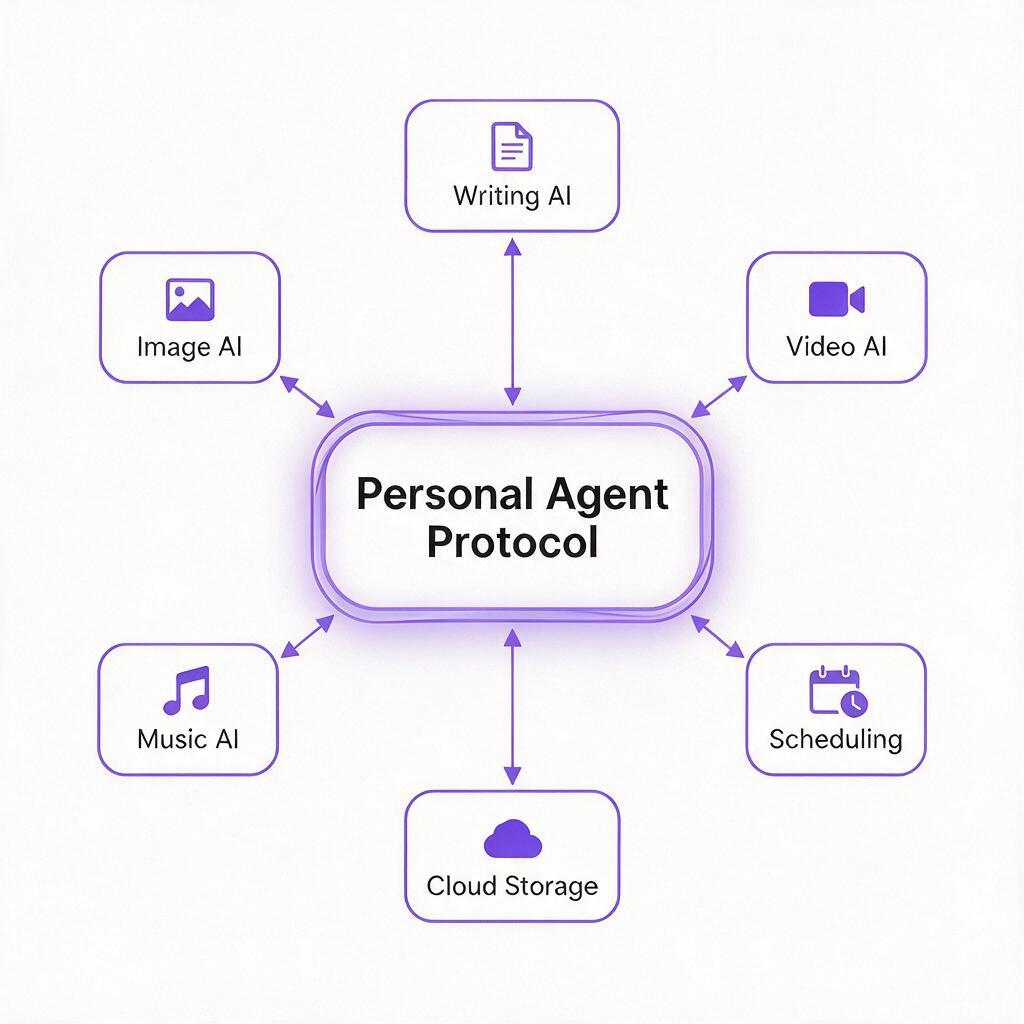
Context: Why Personal-Agent Protocols Matter
To understand the significance of the Poppy v1.0 launch, it helps to look at the current state of the AI agent landscape. Today, most AI agents operate within closed ecosystems: an agent from one provider typically cannot natively communicate with tools, services, or agents from another provider without custom integration work. This fragmentation creates friction for both developers building agent tools and end users trying to assemble workflows that span multiple platforms.
Personal-agent protocols, as a category, are designed to address this fragmentation by setting common standards for how agents authenticate, exchange data, and execute tasks across different systems. A widely adopted protocol could let users connect their preferred AI agents to any compatible service, similar to how HTTP standardized communication between web browsers and servers decades ago.
For context, the AI agent market has grown rapidly over the past two years, with personal agents now used for everything from scheduling and email management to content creation and customer support. As the number of specialized agents grows, so does the need for shared rules that let them work together seamlessly. This is the gap that protocols like Poppy v1.0 aim to fill, though the specific approach and capabilities of Poppy itself remain unconfirmed.
It is important to note that all commentary on Poppy v1.0’s potential use cases is speculative based on broader industry trends. No specific features or capabilities of the protocol have been officially detailed beyond its classification as a personal-agent protocol.
Potential Implications for AI Content Creators
For AI content creators, who regularly juggle multiple specialized AI tools across writing, visual design, video production, and post-processing, a standardized personal-agent protocol could eventually unlock meaningful workflow improvements. Today, creators often manually transfer work between tools, re-enter prompts, and adjust settings across different platforms — steps that eat into time that could be spent on creative work.
In a future with widespread protocol adoption, creators might be able to use their preferred personal agent to orchestrate an entire content workflow across multiple tools without manual handoffs. For example, an agent could generate a script using one tool, pass that script to an ai video generator to produce rough footage, then send the footage to an editing tool for refinements — all following a single set of user instructions.
Another potential benefit is greater choice for creators. If agents and tools all speak the same protocol, creators can mix and match the best tools for each task without worrying about compatibility issues. This could reduce vendor lock-in and let creators build custom workflows tailored to their specific creative needs, rather than being limited to the tools within a single provider’s ecosystem.
That said, these potential benefits are long-term and dependent on widespread adoption of the protocol by both agent developers and tool providers. It remains to be seen how quickly Poppy v1.0 will gain traction, which tools will support it, and what specific creator-focused use cases it will enable.
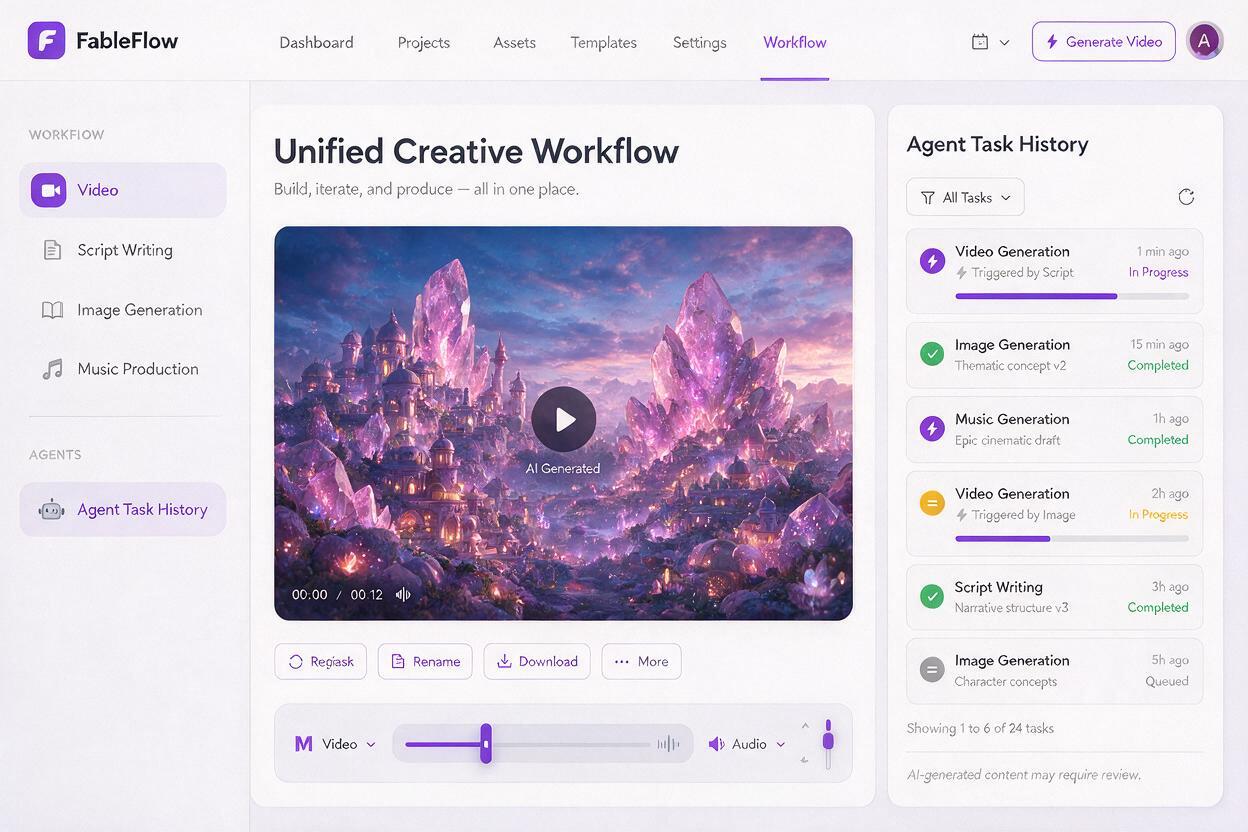
Building Resilient Creative Workflows Today
While new protocols and agent standards evolve, creators need reliable, flexible tools that work today without waiting for industry-wide interoperability. This is where multi-model, multi-tool creative platforms like MagicBoat provide immediate value, by bringing a full suite of AI creative tools into a single, unified account.
Instead of juggling separate logins, billing plans, and workflow pipelines for each individual AI tool, creators can access ai image generator capabilities, text-to-video tools, script writing assistance, music generation, and more — all in one place. This eliminates the manual transfer work that comes with fragmented tools, even before universal agent protocols are widely adopted.
MagicBoat’s unified platform also insulates creators from the uncertainty of a fast-changing AI landscape. As new models, tools, and protocols emerge, creators can continue using a single interface to access the latest capabilities, without having to re-learn new platforms or rebuild their entire workflows from scratch every time a new tool launches.
For creators looking to test out multi-tool AI workflows without the hassle of multiple subscriptions, you can try these models for free to see how a unified platform can streamline your creative process.

Key Takeaways
- Confirmed launch details: Sierra and Meta launched Poppy v1.0, a personal-agent protocol, on November 16, 2026. No additional technical specs, features, or adoption details have been released.
- Industry context: Personal-agent protocols aim to standardize communication between AI agents and third-party tools, addressing the fragmentation that plagues the current AI agent ecosystem.
- Creator potential: Widespread adoption of a personal-agent protocol could eventually streamline multi-tool creative workflows, reduce manual handoffs, and increase tool choice for creators — though these benefits are not yet confirmed for Poppy v1.0 specifically.
- Immediate action: For creators looking to streamline their workflows today, unified multi-tool platforms like MagicBoat provide a single point of access to a full suite of AI creative tools, no custom integrations required.
Keywords
poppy v1.0 personal-agent protocol, sierra meta poppy, ai news, ai tools, personal ai agents, ai agent protocol, ai roundup