SINGULUS to Supply SpaceX HJT Solar Lines for Starmind AI Satellites
German equipment maker SINGULUS announced on November 10, 2026 that it will supply SpaceX with turnkey heterojunction (HJT) solar cell production lines for Starmind AI satellites, with the first line due in the first half of 2027. The companies plan additional lines supporting more than 100GW of solar manufacturing capacity, laying physical groundwork for an orbital AI compute constellation that could bypass terrestrial grid and land constraints. The deal signals growing investment in alternative AI infrastructure as terrestrial data centers face mounting logistical and regulatory barriers.
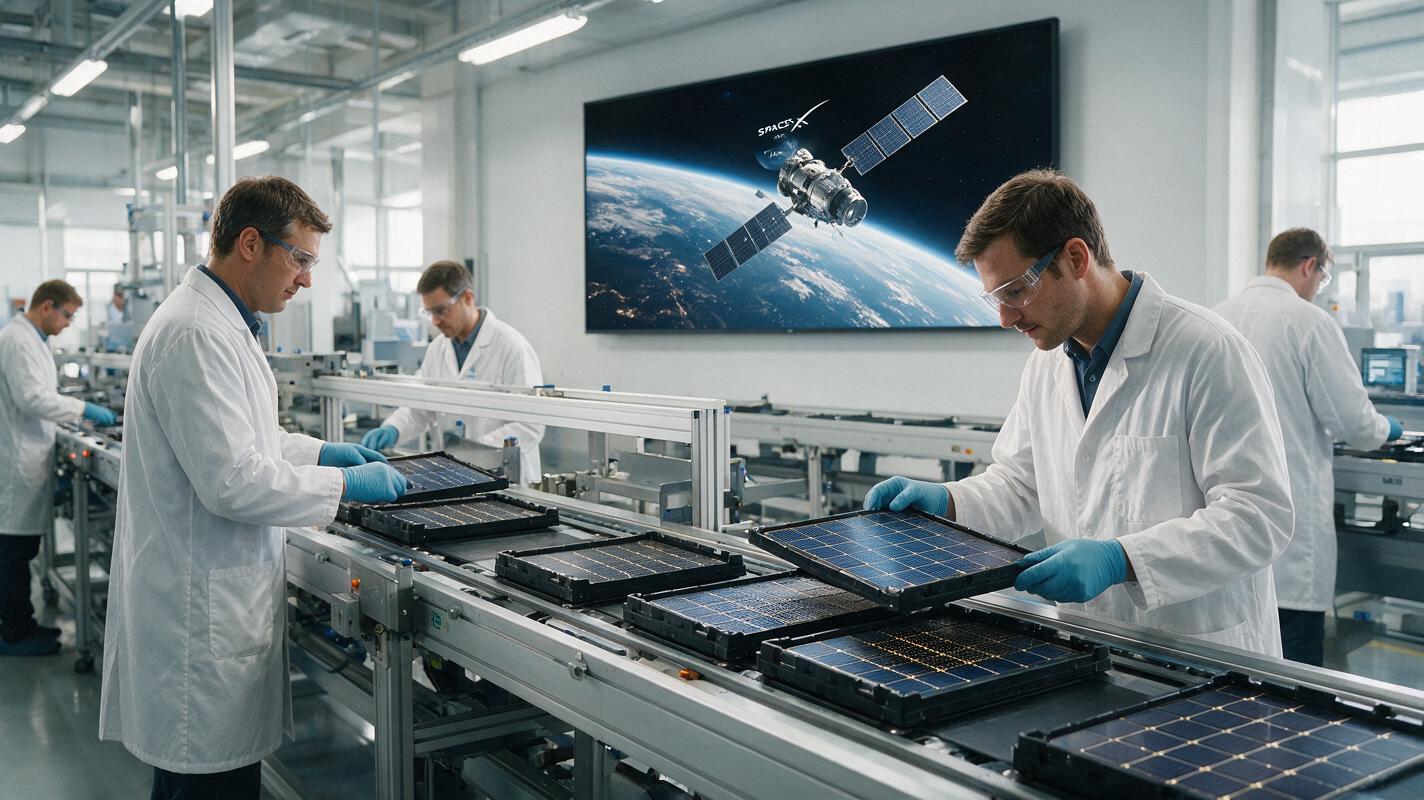
Table of contents
What the SINGULUS-SpaceX Solar Deal Entails
German manufacturing equipment firm SINGULUS has landed a major supply deal with SpaceX that lays the groundwork for a new class of AI-powered satellites, marking a quiet but significant milestone in the expansion of off-terrestrial AI infrastructure.
Announced on November 10, 2026, the agreement covers turnkey heterojunction (HJT) solar cell production lines, with the first line scheduled for delivery in the first half of 2027. Starlink Senior Vice President Mike Nicolls confirmed the solar cells will be used for Starmind AI satellites built at SpaceX’s Texas factory.
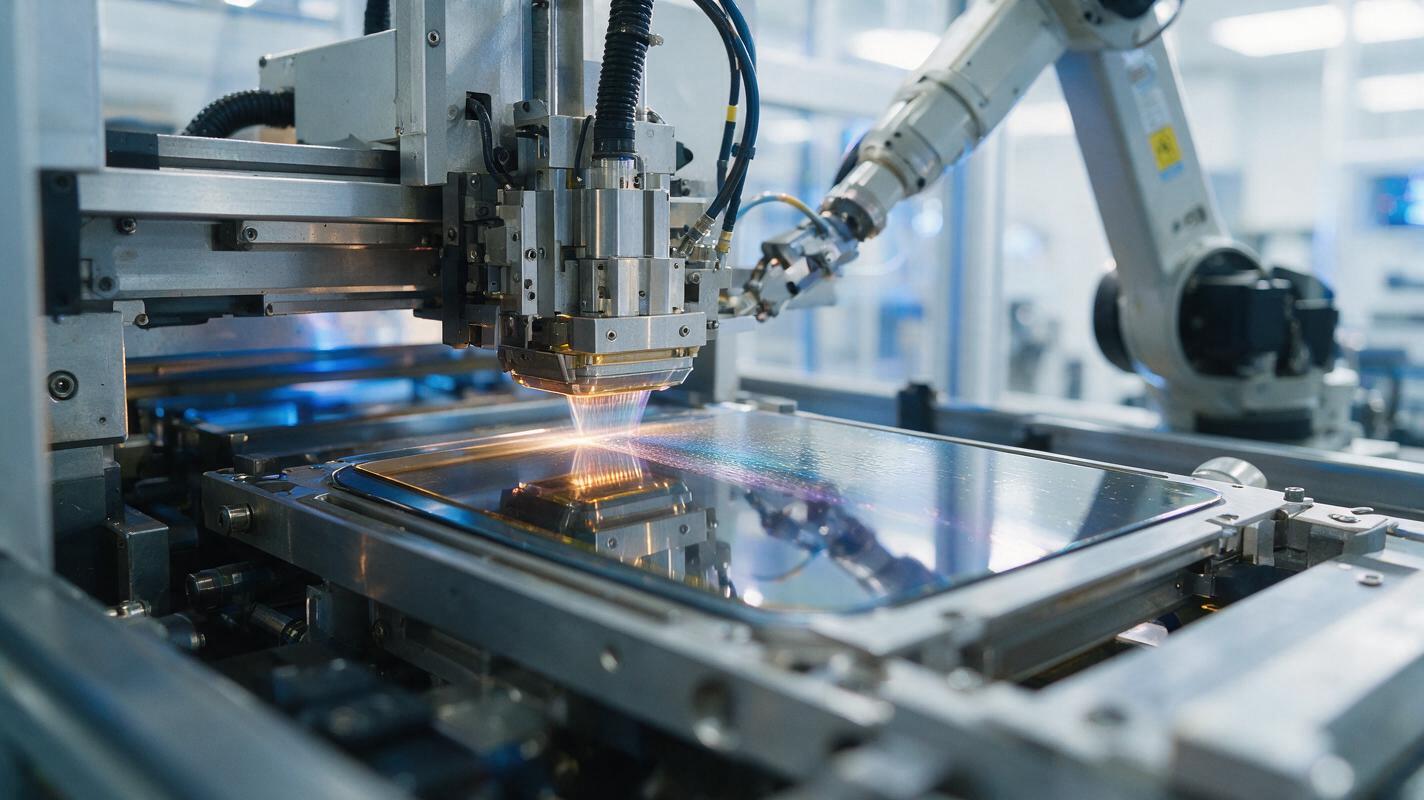
The companies plan to add additional production lines with the potential to support more than 100 gigawatts of total solar cell manufacturing capacity. Neither party disclosed the capacity of the initial line, the total contract value, or a specific timetable for expanding beyond the first unit.
The solar deal arrives alongside a separate SpaceX milestone: the company is targeting no earlier than November 13, 2026, US time for Starship flight 15, which will mark the first attempt to return both the Super Heavy booster and the upper stage to the launch site for tower-arm capture, a maneuver referred to as “dual catch.”
When read together, the 100GW-scale solar production pipeline and the coming step down in reusable launch costs form the physical foundation for an orbital AI compute constellation that could bypass many of the bottlenecks facing terrestrial data centers, including grid interconnection queues, land use disputes, and water access conflicts.
Why 100GW of Solar Capacity Matters for AI Compute
To put the 100GW target in context, that level of solar manufacturing capacity would be enough to power tens of gigawatts of orbital compute capacity, far exceeding the output of many individual terrestrial AI data center clusters. For the ai industry, which has been grappling with soaring ai capital expenditure and constrained power access for new data centers, orbital compute represents a potential long-term alternative to building out more terrestrial infrastructure.
The Orbital AI Constellation Thesis
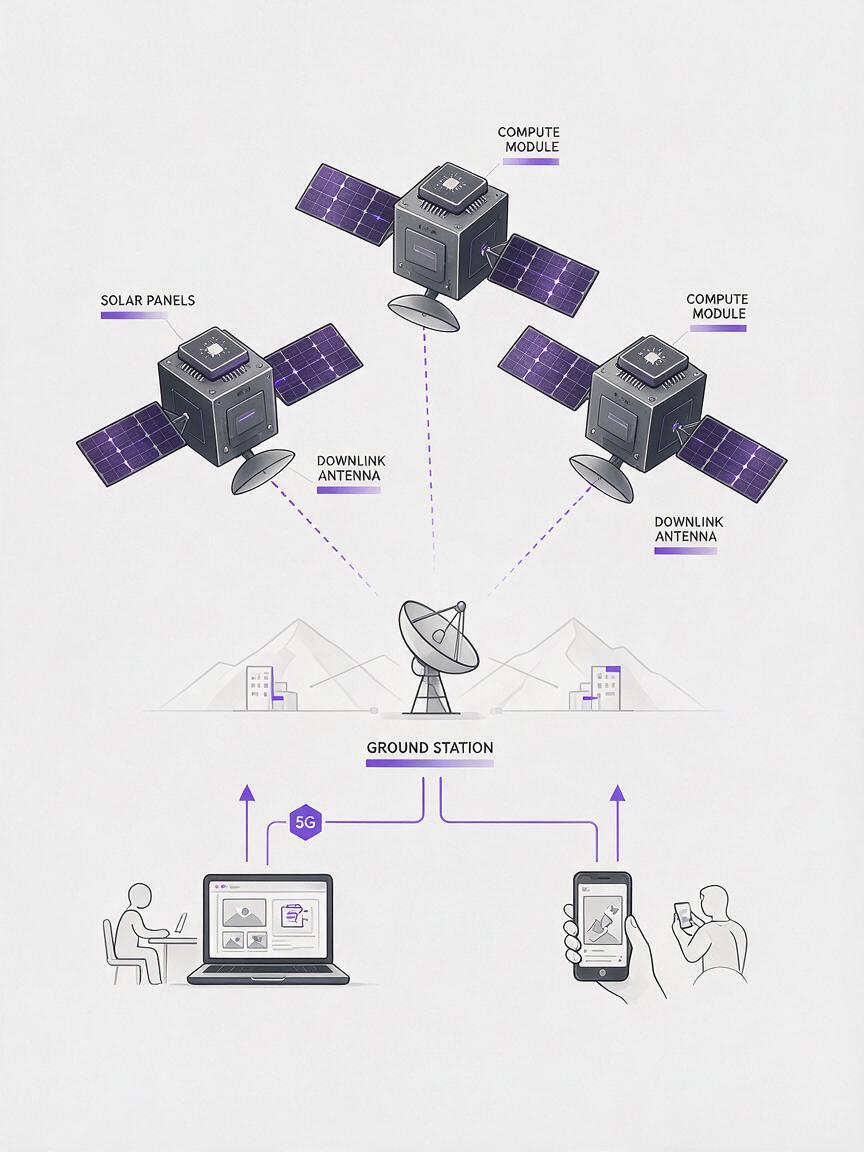
The core idea behind an orbital AI compute constellation is simple: place AI compute hardware in low Earth orbit, power it directly with on-board solar panels, and connect it via high-speed satellite links to end users around the world. Because orbital facilities do not require land, local grid connections, or cooling water, they avoid many of the political and logistical barriers that have delayed dozens of terrestrial AI data center projects in 2026 alone.
For now, the concept remains largely in the planning and early hardware stage, and it will likely take years before orbital compute makes up a meaningful share of global AI inference capacity. But the SINGULUS-SpaceX deal is one of the first concrete, large-scale supply commitments tied directly to AI satellite production, signaling that serious capital is already flowing into the segment.
What This Means for AI Content Creators
For content teams and independent creators who rely on AI tools for video, image, and audio production, the rise of orbital AI infrastructure is a long-term trend worth monitoring, even if it will not change day-to-day workflows overnight.
One of the biggest potential benefits for creators is downward pressure on ai video cost and inference pricing for other high-compute creative tasks, as new orbital capacity adds to the global supply of AI compute. More diverse infrastructure could also reduce the risk of outages or capacity constraints tied to a single region or data center operator, making creative workflows more reliable.
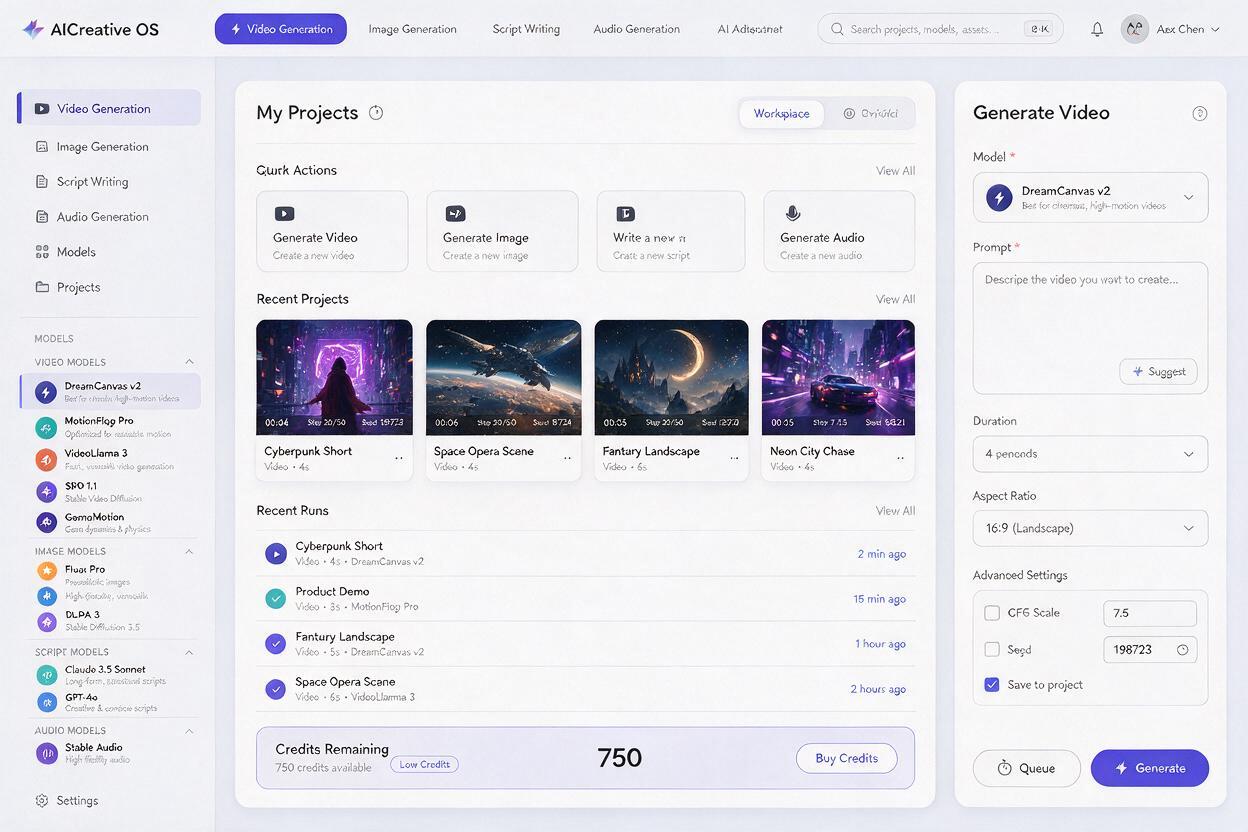
In the meantime, the smartest strategy for creators is to use flexible, multi-model AI creative platforms that can tap into the best available models and infrastructure without locking users into a single provider. MagicBoat, for example, offers access to a ai video generator and an ai image generator through a single unified account, so creators can switch between tools and models as the market evolves.
Whether the next wave of AI compute runs on terrestrial data centers, orbital satellites, or a mix of both, creators who build their workflows on open, multi-vendor platforms will be best positioned to take advantage of new capacity and pricing improvements as they emerge. try these models for free to see how a flexible AI creative stack can support your workflow.
Key Takeaways
- SINGULUS will supply SpaceX with turnkey HJT solar cell production lines for Starmind AI satellites, with the first line arriving in H1 2027.
- The companies plan to scale to more than 100GW of solar manufacturing capacity, laying groundwork for an orbital AI compute constellation.
- Orbital AI compute could help bypass terrestrial bottlenecks like grid access, land disputes, and water constraints facing data centers.
- For creators, more diverse AI infrastructure could lower long-term ai video cost and improve workflow reliability.
- Flexible multi-model platforms like MagicBoat let creators adapt to shifting AI infrastructure without rebuilding their workflows.
Keywords
ai industry, ai capital expenditure, spacex starmind, singulus hjt solar, orbital ai compute, ai infrastructure, ai video cost