St. Petersburg Drone Attack Damages VK Data Center and Ozon Hub
A reported drone attack on St. Petersburg damaged an oil terminal, VK’s data center and Ozon’s logistics hub on October 18, 2026. The incident highlights how physical infrastructure risk can affect interconnected digital services and why resilient AI content workflows should not depend on a single platform or facility.
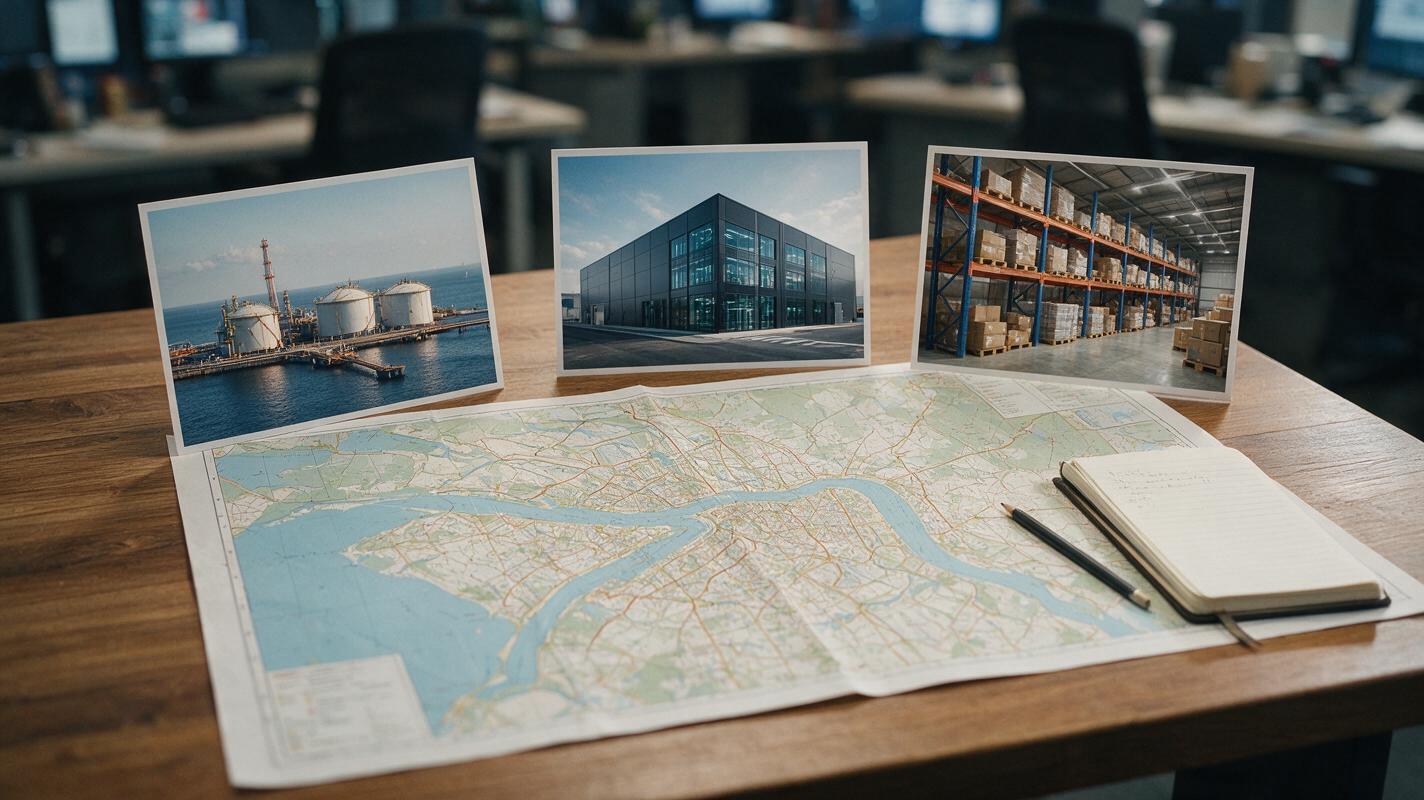
Table of contents
A Single Attack Reached Three Digital-Economy Systems
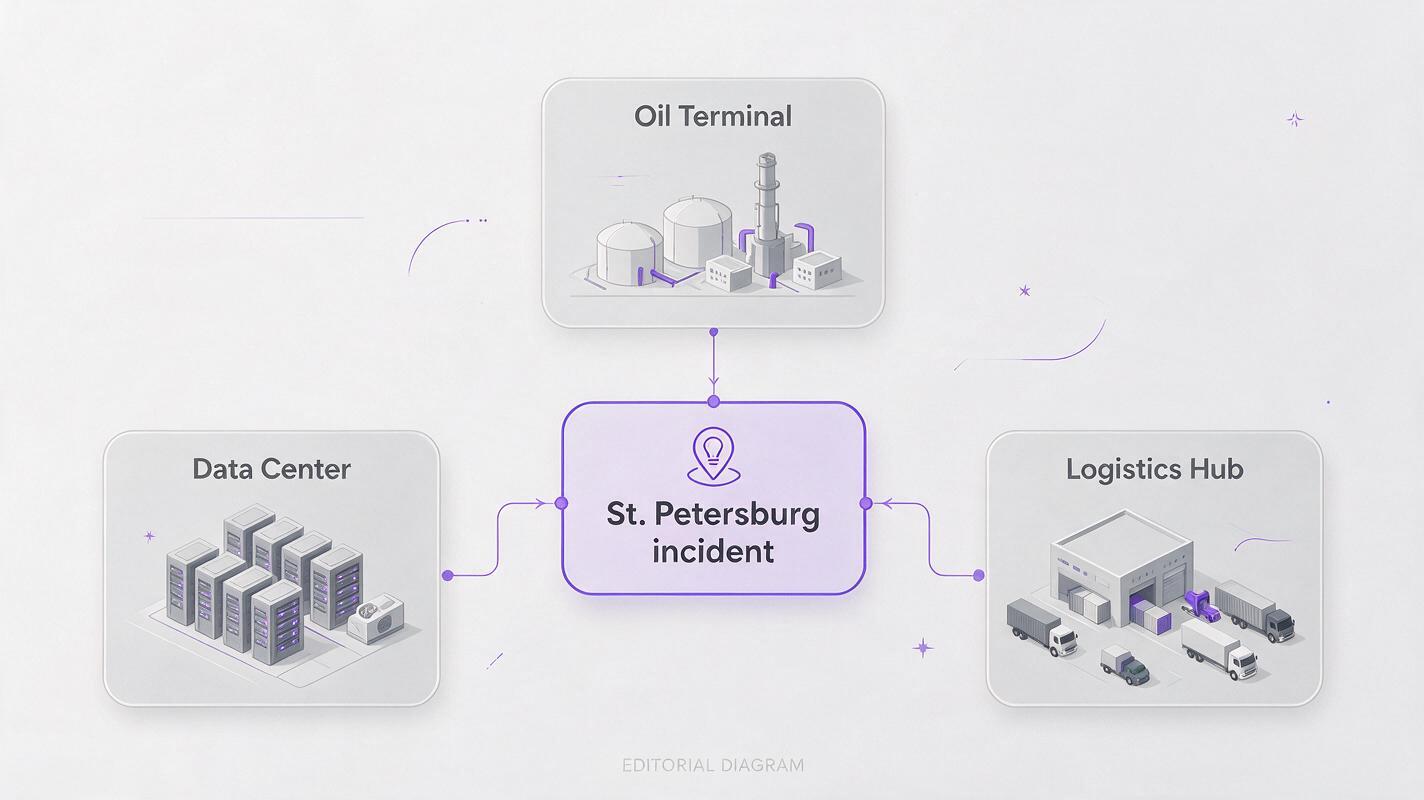
A drone attack on St. Petersburg reportedly damaged three distinct pieces of infrastructure on October 18, 2026: an oil terminal, VK’s data center and Ozon’s logistics hub. The combination makes the incident notable beyond its immediate physical impact. It connected energy infrastructure, digital services and ecommerce logistics within the same reported event.
The available report identifies the affected organizations and facilities but does not establish the duration of any outage, the scale of the damage or whether customer data was affected. It also does not provide performance measurements for VK services or operational figures for Ozon. Those boundaries matter: damage to a data center is important news, but it should not automatically be described as a confirmed data breach or prolonged service failure without supporting evidence.
For creators and digital teams, the incident is a reminder that cloud services, AI automation and online publishing systems ultimately rely on physical buildings, electricity and network connections. A resilient AI workflow therefore needs practical alternatives when a platform or regional service becomes unavailable.
What the October 18 Report Says
The reported targets span three different operational categories. An oil terminal represents energy infrastructure. VK’s data center supports digital operations. Ozon’s logistics hub belongs to the physical fulfillment network behind online commerce.
| Reportedly affected facility | Operational category | Confirmed detail from the report |
|---|---|---|
| Oil terminal | Energy infrastructure | Reported damaged in the drone attack |
| VK data center | Digital infrastructure | Reported damaged in the same incident |
| Ozon logistics hub | Ecommerce logistics | Reported damaged in the same incident |
This breadth is the central news angle. Modern internet services are not isolated software products floating independently in the cloud. Their availability depends on physical facilities and supply networks, while ecommerce platforms also connect digital ordering with warehouses and delivery operations.
Reported physical damage should not be expanded into claims about data exposure, service duration or business losses unless those details are independently confirmed.
Why Physical Infrastructure Matters to AI Workflows
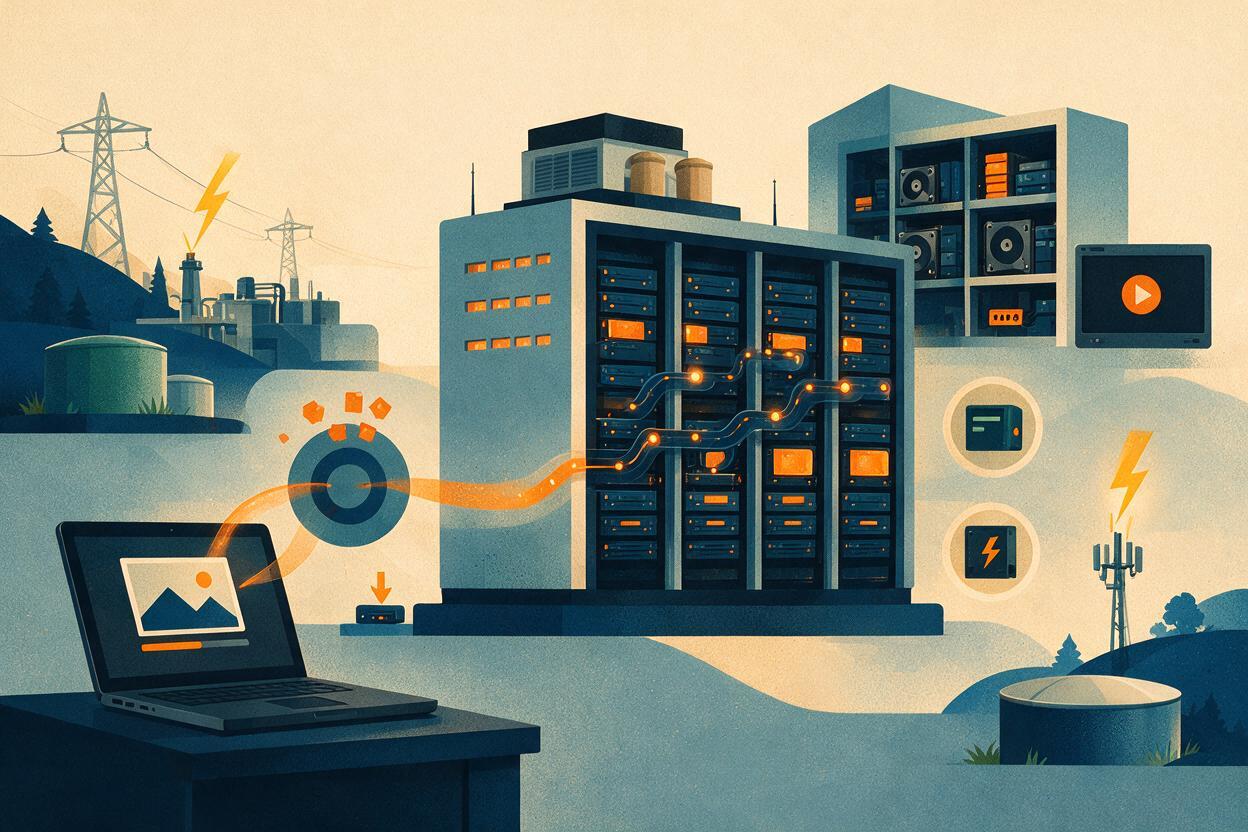
An ai agent may feel like a purely virtual tool, but every request still passes through physical infrastructure. Models need compute capacity, applications need hosting, files need storage and automated tasks need reliable network access. When any part of that chain is disrupted, an ai assistant may become slower, temporarily inaccessible or unable to reach a connected service.
Content production adds more dependencies. A typical ai video workflow can include research notes, scripts, source images, generated media, voice assets, editing files and publishing credentials. If all of those assets depend on one online account or one regional service, a localized infrastructure incident can become a production bottleneck.
That does not mean every team needs to predict geopolitical or physical security events. It means continuity should be treated as a normal workflow requirement rather than an emergency-only concern. Useful resilience measures include:
- Keeping accessible copies of essential source files and final exports.
- Recording prompts, briefs and editorial decisions outside a single model session.
- Avoiding a workflow that can operate only through one AI provider.
- Separating production assets from publishing credentials where practical.
- Preparing a manual publishing path for time-sensitive work.
Careful Reporting Prevents a Second Kind of Failure
Infrastructure incidents also create an information-quality challenge. Early coverage can tempt publishers to fill gaps with assumptions, particularly when well-known technology companies are involved. In this case, the defensible core is narrow: the October 18 attack reportedly damaged an oil terminal, VK’s data center and Ozon’s logistics hub in St. Petersburg.
A concise editorial brief can preserve that boundary:
EVENT: Drone attack on St. Petersburg
DATE: October 18, 2026
REPORTED DAMAGE: Oil terminal, VK data center, Ozon logistics hub
NOT ESTABLISHED: Outage duration, data exposure, financial loss, service impact
EDITORIAL FOCUS: Physical dependencies behind digital services
This distinction is especially valuable when AI tools assist with summaries, social posts or video scripts. AI automation can accelerate production, but human review remains necessary to prevent an inference from being presented as a verified fact. Terms such as “reported,” “confirmed” and “not established” help audiences understand what is known.
Building a More Portable Content Production Stack
The practical creator angle is workflow portability. If a preferred service becomes unavailable, teams should still be able to reach their briefs, source media and publication-ready files. The same principle applies to model access: relying on only one provider can turn a provider-level problem into a complete production stop.
MagicBoat provides a one-account, multi-model environment for content creation. Instead of organizing the entire production process around one external AI assistant, teams can use an ai film platform for story development and connect that work with an ai video generator when the project moves into visual production.
The point is not that a creative platform can remove physical infrastructure risk. No online system can make that promise. The advantage is reducing workflow fragmentation and preserving options across models and creative capabilities. When availability, reliability or model selection changes, a portable production structure is easier to adapt than a process locked to one tool.
Resilience Without Overcomplication
A resilient setup does not have to become a complex enterprise architecture. For an independent publisher, it may mean retaining local copies of scripts and exports. For a studio, it may involve shared asset conventions and alternative production routes. For a news team, it may mean preserving a fact-checked event brief before adapting the story into multiple formats.
The St. Petersburg report demonstrates why these habits matter. A physical incident can touch energy, computing and logistics simultaneously. Digital production teams cannot control those external events, but they can control how many avoidable dependencies exist inside their own workflows.

Editorial Resilience Checklist
- State only the confirmed event: the reported attack damaged an oil terminal, VK’s data center and Ozon’s logistics hub.
- Do not infer a breach: physical data-center damage is not automatic proof of data exposure.
- Preserve essential assets: retain accessible copies of scripts, prompts, source media and exports.
- Maintain model flexibility: avoid making the full production process dependent on one AI provider.
- Keep human review: verify AI-assisted summaries before publication.
- Consolidate creative options: try these models for free and build a more adaptable content workflow.
Keywords
St. Petersburg drone attack, VK data center, Ozon logistics hub, infrastructure resilience, ai workflow, data center reliability, ai automation