St. Petersburg Drone Attack Damages VK Data Center and Ozon Hub
A reported drone attack on St. Petersburg damaged an oil terminal, VK’s data center and Ozon’s logistics hub. The incident highlights how physical infrastructure risk can affect digital services and why AI content teams need portable, resilient production workflows.
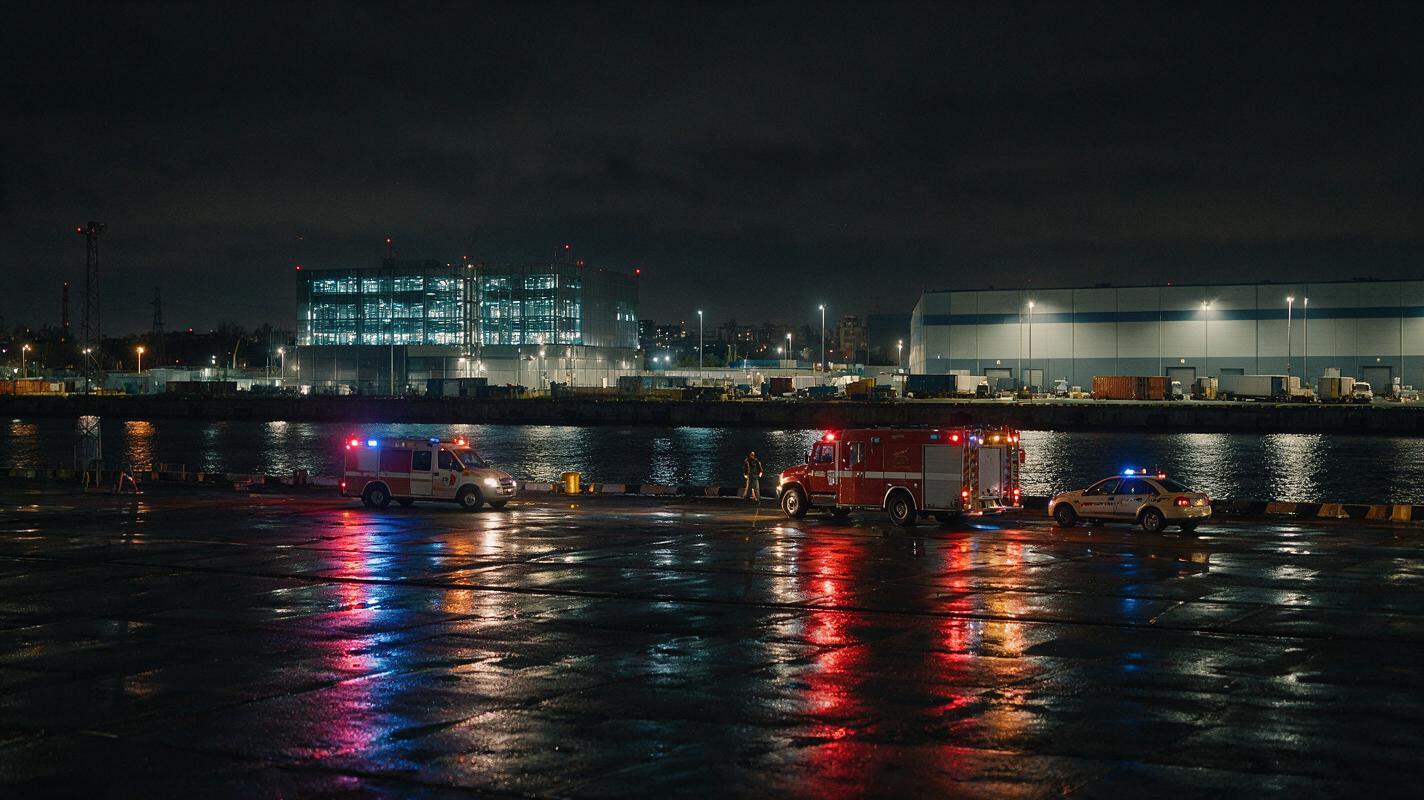
Table of contents
A Drone Attack Reaches Digital and Logistics Infrastructure
A reported drone attack on St. Petersburg on October 18, 2026 damaged more than an oil terminal. According to the report, the affected sites also included VK’s data center and Ozon’s logistics hub, extending the incident from energy infrastructure into the systems supporting online services and physical commerce.
The combination is significant. A data center represents the physical layer behind digital operations, while a logistics hub supports the movement and handling of goods. The reported damage therefore connected three different infrastructure categories—energy, computing and logistics—within a single event.
The available report identifies the facilities that were damaged but does not provide quantitative details about the extent of that damage, the duration of any disruption or the operational status of individual services. Those distinctions matter: confirmed physical damage should not automatically be translated into assumptions about outages, data loss or delivery delays without additional reporting.
For content teams, the immediate lesson is not to speculate about the incident. It is to recognize that every digital platform ultimately depends on physical facilities, and that a resilient AI workflow should preserve projects even when a provider, service or connected system becomes difficult to reach.
Why Damage to a Data Center Has Wider Significance
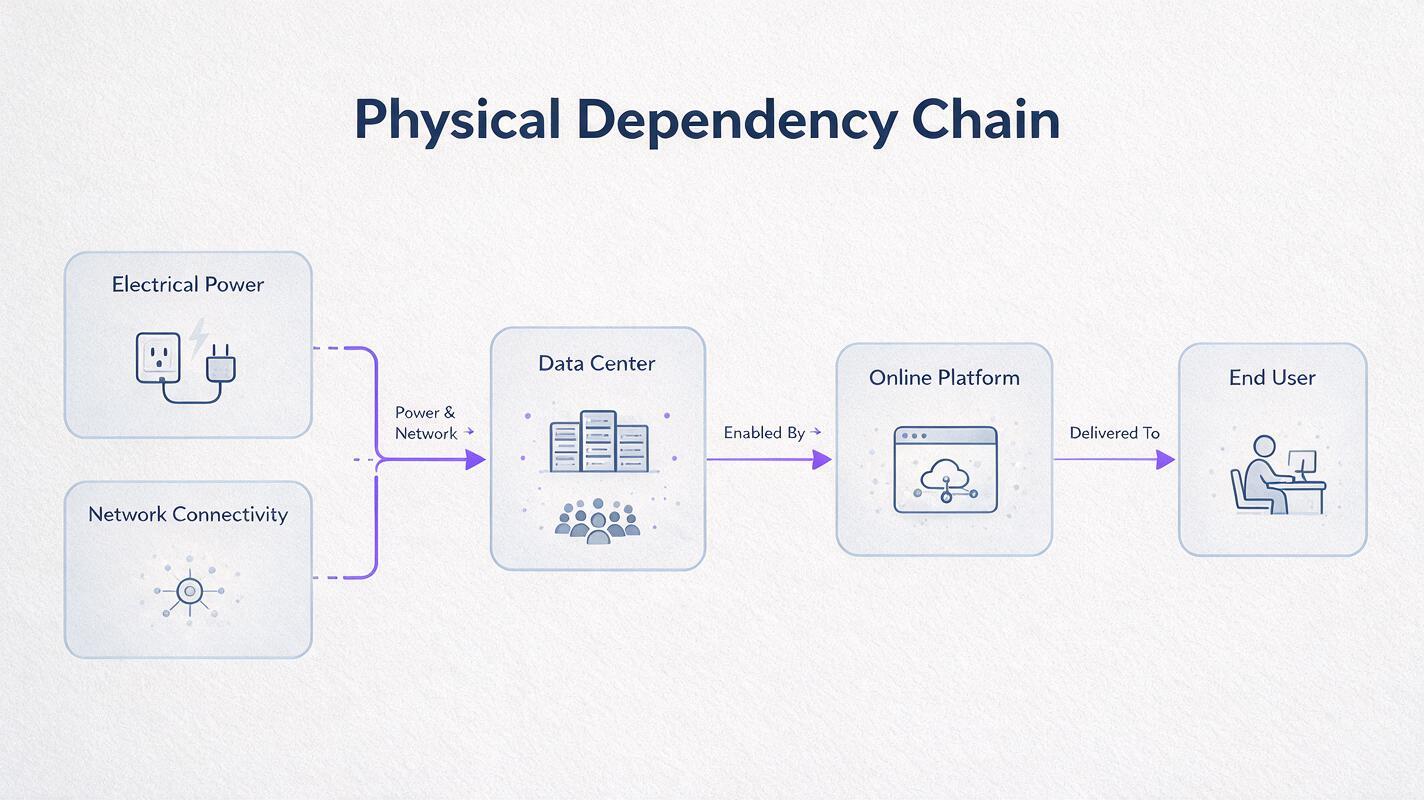
The reported damage to VK’s data center is a reminder that cloud services are not detached from geography. Applications, media libraries, publishing systems and AI tools may feel entirely virtual, but they run through buildings, power systems, network connections and hardware.
This physical dependency creates several layers of exposure. A platform can remain online while experiencing localized infrastructure damage, or individual functions can become constrained without a complete service interruption. The report does not establish which, if any, of these outcomes occurred at VK, so responsible coverage must keep confirmed facts separate from possible consequences.
The confirmed news is physical damage to VK’s data center. Any claim about downtime, lost information or user impact requires separate evidence.
That discipline is especially important for AI-assisted news production. An ai assistant can quickly turn a short report into scripts, captions and visual concepts, but speed can amplify unsupported assumptions. Human review remains essential when the source material identifies damaged infrastructure without describing the resulting service impact.
Ozon’s Logistics Hub Adds a Physical-Commerce Dimension
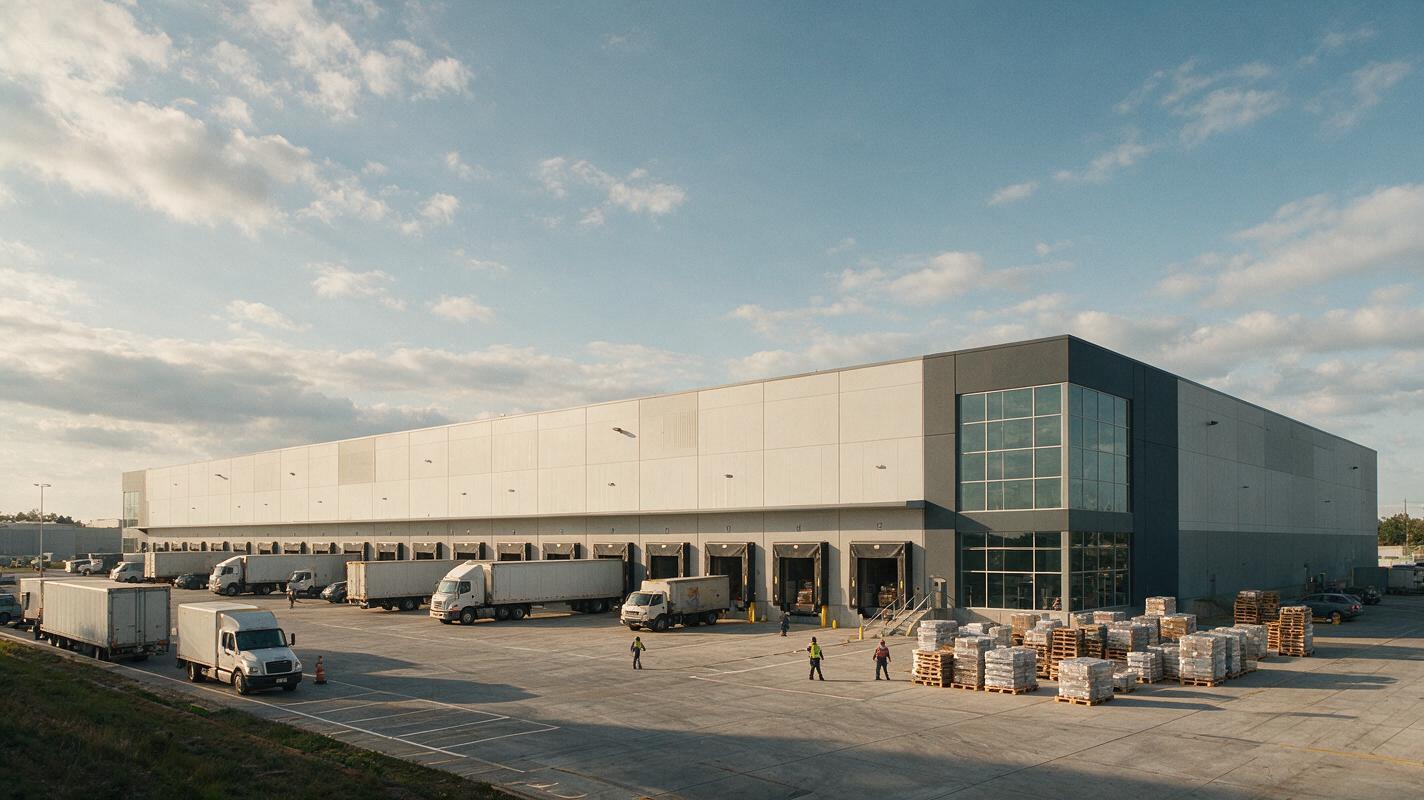
The reported damage to Ozon’s logistics hub introduces a different kind of dependency. Data centers support computation and connectivity; logistics hubs support the physical handling of products. Both are parts of modern platform ecosystems, but their operational consequences are not interchangeable.
Coverage should therefore avoid merging the VK and Ozon elements into a single generalized claim. The report says that both facilities were damaged. It does not quantify the damage or state how customers, merchants, deliveries or digital services were affected.
| Reported facility | Confirmed detail | Claim to avoid without more evidence |
|---|---|---|
| Oil terminal | Damaged in the drone attack | Specific production or supply effects |
| VK data center | Damaged in the same incident | Unconfirmed outages, data loss or platform failure |
| Ozon logistics hub | Damaged in the same incident | Unconfirmed delivery delays or network-wide disruption |
This fact boundary is useful for anyone producing breaking-news content. A headline, short-form video and social post can all emphasize the unusual reach of the incident without filling the information gap with invented operational consequences.
What the Incident Means for AI Content Production
AI content production often depends on a chain of connected services: research sources, an ai agent, cloud storage, generation models, editing tools and publishing platforms. The St. Petersburg report shows why resilience has to cover the whole chain rather than only the model at its center.
A production brief should remain portable outside any single chat session or service. The most useful record contains the confirmed facts, phrases that require attribution, unresolved questions, approved assets and the latest versions of scripts or captions. If one tool becomes unavailable, that record allows work to continue elsewhere without reconstructing the story from memory.
For this incident, a fact-controlled brief would retain only a small set of confirmed statements:
- A drone attack was reported in St. Petersburg.
- An oil terminal was damaged.
- VK’s data center was also damaged.
- Ozon’s logistics hub was also damaged.
- No unsupported operational effect should be presented as confirmed.
This approach does not require slowing an ai automation pipeline to a halt. It creates a reliable boundary within which automation can draft alternative headlines, summarize the event and adapt approved copy for different formats.
Building a More Portable AI Video Workflow
Infrastructure news can quickly become visual content, but imagery must not imply details absent from the report. A responsible ai video workflow can use maps, neutral infrastructure diagrams and clearly contextualized city footage instead of fabricating close-up damage scenes or branded control rooms.
Teams using an ai storyboard can organize the narrative around confirmed locations and infrastructure categories: the reported attack, the oil terminal, the VK data center, the Ozon logistics hub and the broader lesson about physical dependencies. Each frame should distinguish reported facts from analysis.
An ai video generator can then support format adaptation, but human editors should verify that the visuals do not resemble documentary evidence of damage that has not been independently shown. The same caution applies to captions, voiceovers and thumbnails.
Useful editorial controls include:
- Attribution control: Describe the event as reported rather than adding certainty beyond the source.
- Impact control: Do not convert facility damage into an assumed outage or service failure.
- Visual control: Avoid fabricated logos, dashboards and supposed images of affected interiors.
- Version control: Keep the source-grounded brief separate from speculative ideas and draft language.
- Approval control: Require human review before publishing sensitive claims about infrastructure or security.

Why Multi-Model Access Supports Continuity
No content platform can remove physical infrastructure risk. What teams can do is reduce dependence on one model or one isolated production environment. Model availability and service reliability are practical selection factors when deadlines depend on continuous access.
A one-account, multi-model platform such as MagicBoat can help centralize creative production while giving teams more flexibility than a workflow built around a single model. The underlying project brief should still remain portable, but having multiple creation options in one environment can reduce the friction of changing tools when requirements or availability change.
This matters beyond emergencies. Different models may be selected over time for drafting, visual development or production, while the factual core of the story remains unchanged. The durable asset is not a particular model response; it is the approved context that can be reused across the production chain.
Editorial Checklist for Infrastructure News
- Lead with the reported attack and the three types of facilities identified as damaged.
- Keep confirmed physical damage separate from unverified operational effects.
- Preserve source-grounded facts in a portable production brief.
- Use human approval for sensitive infrastructure and security claims.
- Avoid visuals that could be mistaken for authentic evidence from the affected sites.
- Maintain reusable scripts, captions and asset notes outside a single model session.
- Use multi-model access to improve workflow continuity rather than to generate speculation.
To build a more flexible production pipeline for scripts, storyboards and visual assets, try these models for free on MagicBoat.
Keywords
st petersburg drone attack, vk data center, ozon logistics hub, ai workflow, ai automation, ai assistant, ai video workflow