St. Petersburg Drone Attack Damages VK Data Center and Ozon Hub
An October 2026 drone attack on St. Petersburg has damaged VK’s data center and Ozon’s logistics hub alongside a local oil terminal, highlighting physical security risks to critical digital infrastructure. The incident underscores how cloud-based AI creation tools depend on vulnerable data center facilities, creating downtime risk for creators who rely on single-provider workflows. Multi-model AI platforms like MagicBoat help mitigate this risk by offering diverse creation tools under one account for more resilient operations.
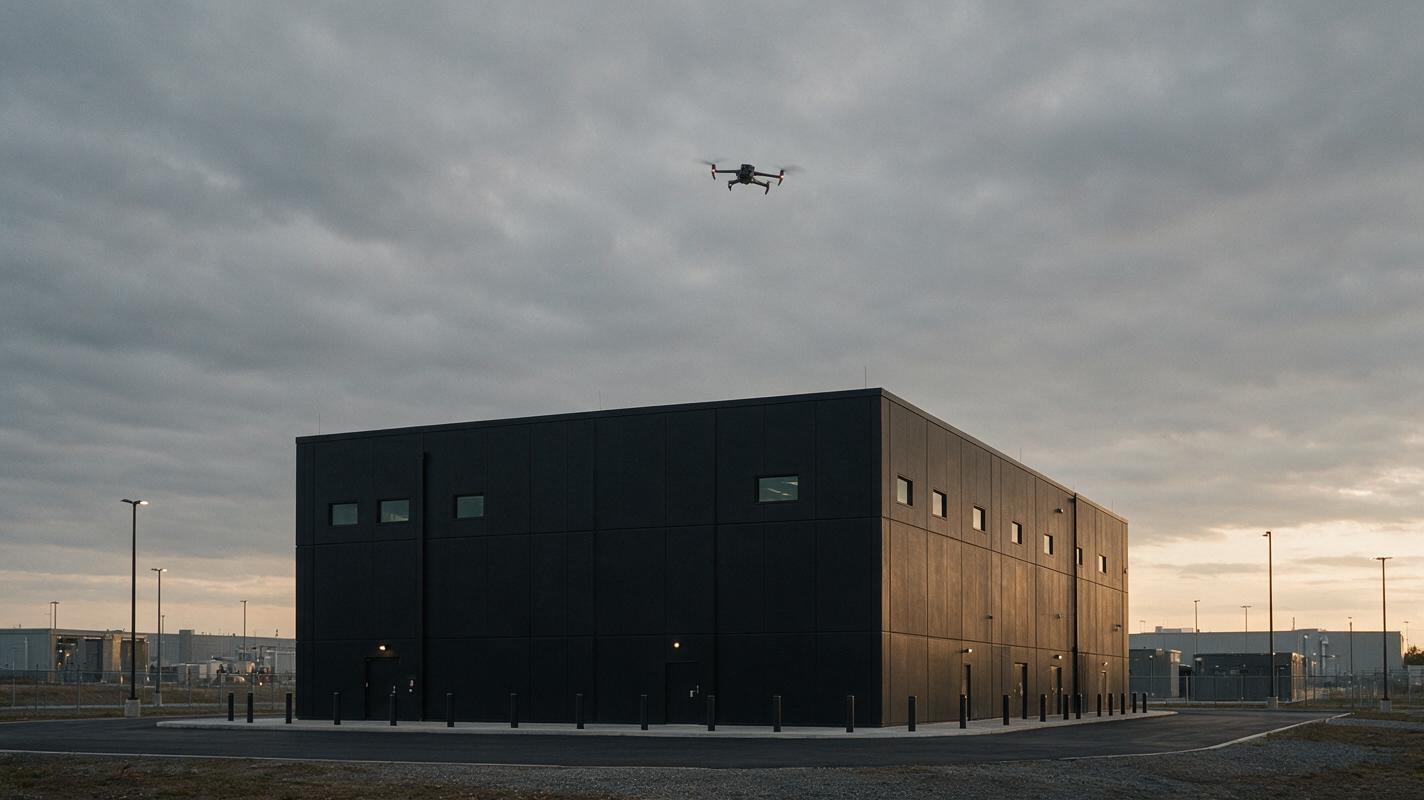
Table of contents
St. Petersburg Drone Attack Hits Key Tech Infrastructure
An October 2026 drone attack on St. Petersburg has damaged multiple sites across the city, including not only an oil terminal but also two critical tech and logistics facilities: VK’s data center and Ozon’s logistics hub. The incident was reported by Business Upturn as part of broader regional infrastructure security coverage.
While confirmed details about the extent of damage and service impacts remain limited, the targeting of data center infrastructure marks a notable example of physical threats impacting the digital services that millions of people rely on daily. For creators and teams using cloud-based tools, events like this highlight an often-overlooked layer of operational risk that can disrupt work and delay projects.
Why Physical Infrastructure Risk Matters for AI Workflows
Nearly all modern AI content creation tools run on cloud infrastructure hosted in data centers around the world. Every time a creator uses an ai video generator, drafts content with AI assistance, or produces custom visuals, they are relying on server hardware, network connections, and facility operations that are vulnerable to a range of disruptions — from natural disasters and power outages to physical security incidents.
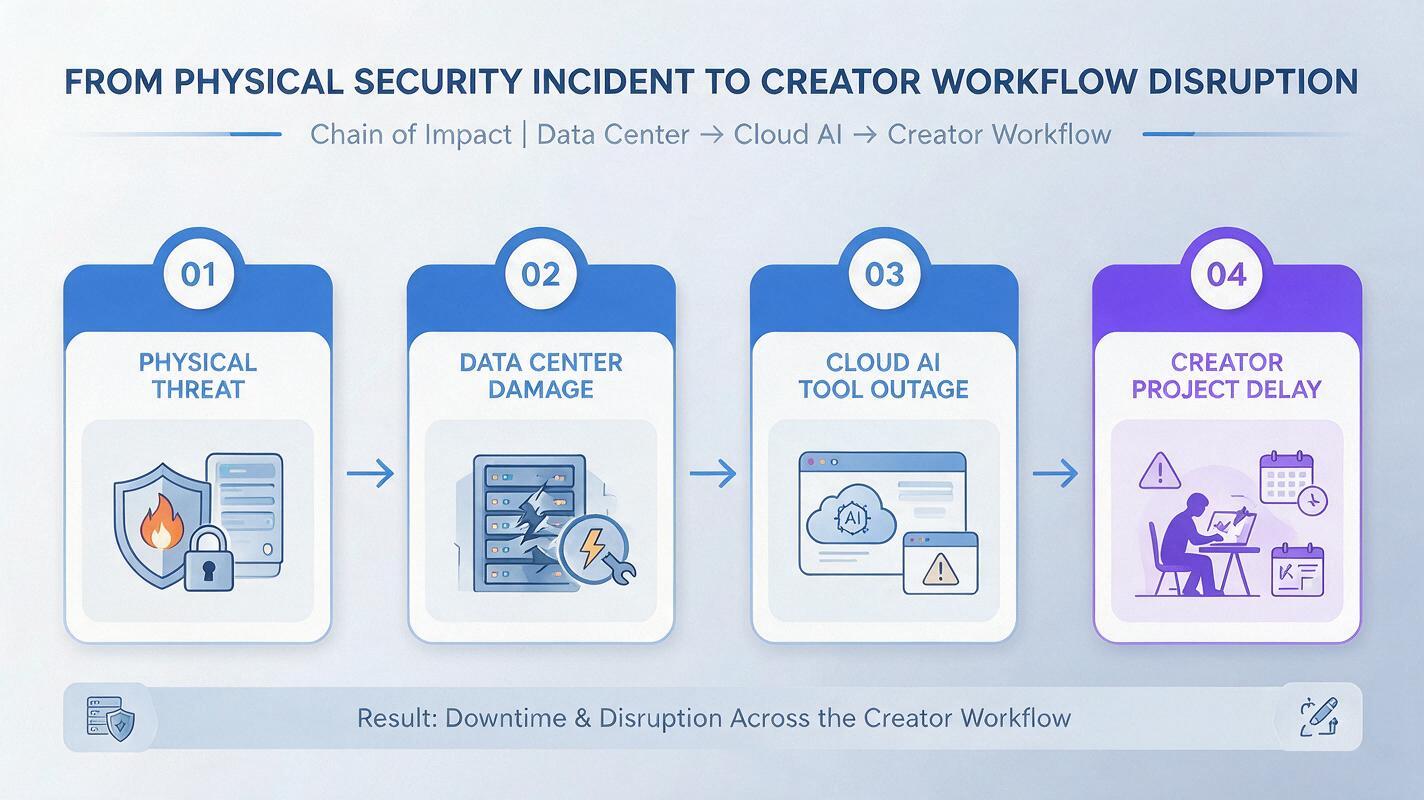
When a data center facility sustains damage, the impact can ripple across all services hosted there. Depending on severity, users may face slow performance, partial feature outages, or complete loss of access to tools they depend on for their work. For creators working on tight client deadlines or content release schedules, even a few hours of downtime can have meaningful financial and reputational consequences.
The Risks of Single-Provider Creator Workflows
Many creators build their production workflows around a single set of tools from one provider, often out of convenience or familiarity. But this concentration of reliance creates a single point of failure: if that provider experiences an infrastructure outage, the entire workflow grinds to a halt. This risk is amplified when tools are hosted primarily in a single geographic region that may be exposed to specific local threats, whether environmental, political, or security-related.
This risk extends beyond creation tools to content distribution platforms as well. If a creator’s primary audience is on a platform hosted in a facility that suffers damage, they may lose access to their audience, performance analytics, and monetization tools for the duration of the outage. Diversifying both creation tools and distribution channels helps reduce this overall exposure.
Building Resilient AI Content Workflows
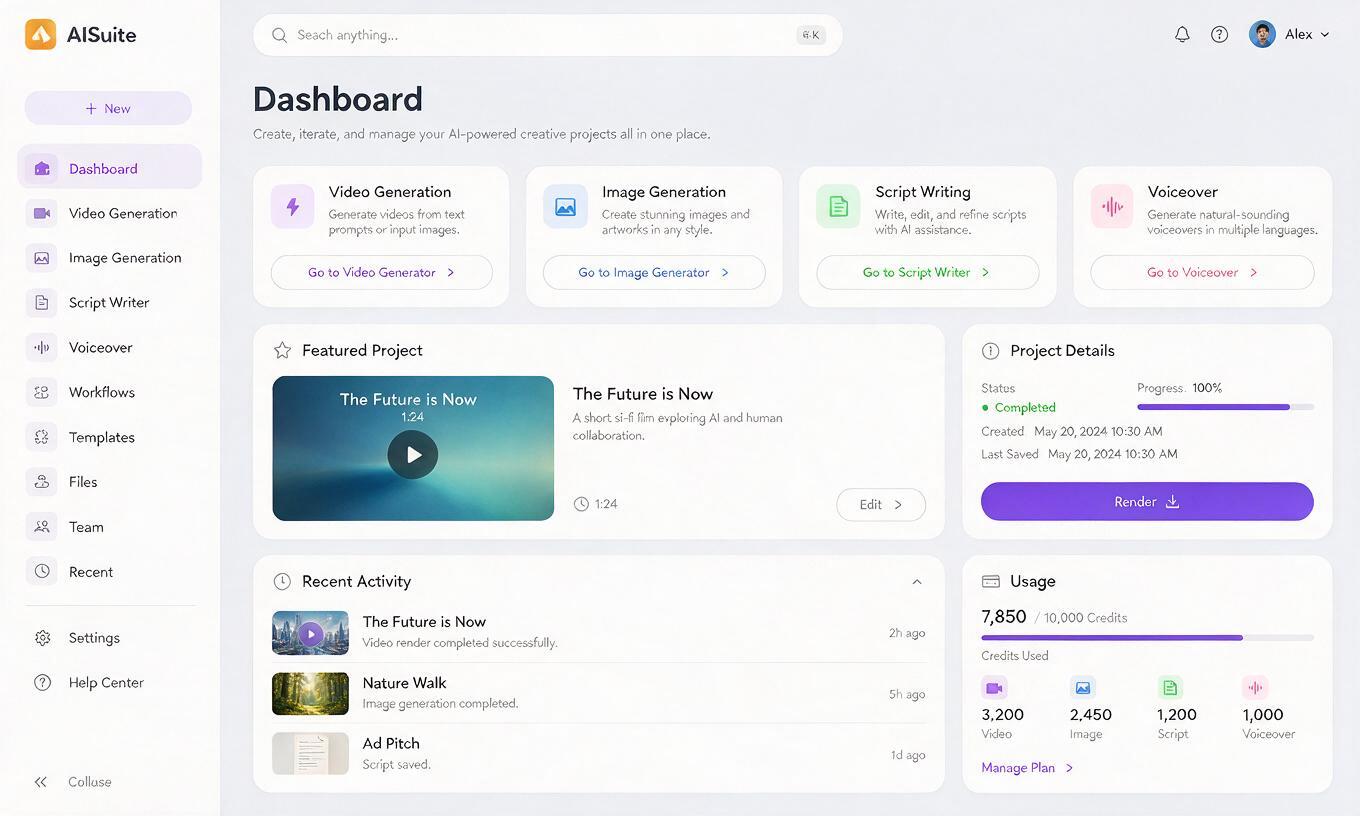
One of the most effective ways to reduce infrastructure-related workflow risk is to use a multi-model AI platform that brings a range of creation tools under one unified account. Platforms like MagicBoat offer access to an ai image generator, video generation tools, script writing support, and more, all without requiring separate accounts or billing setups for each individual tool. This setup makes it easy to switch between tools if one experiences performance issues or downtime, keeping projects on track without unnecessary delays.
Multi-model platforms also reduce reliance on any single underlying infrastructure provider. By spreading workloads across different models and hosting environments, creators minimize the chance that a single outage will completely halt their work. This flexibility is particularly valuable for independent creators and small teams that may not have the resources to build or maintain their own redundant infrastructure setups.
For creators working with international audiences or clients, diversified platforms also offer more consistent access across regions. If one region experiences infrastructure disruptions, workloads can often be routed to other regions with minimal interruption, ensuring consistent performance regardless of local events.
If you’re looking to diversify your AI creation toolkit and build more resilient production workflows, you can try these models for free on MagicBoat.
Key Takeaways
- An October 2026 drone attack on St. Petersburg damaged VK’s data center and Ozon’s logistics hub alongside a local oil terminal, highlighting physical security risks to critical digital infrastructure.
- Cloud-based AI creation tools depend on data center facilities that are vulnerable to physical disruptions, creating downtime risk for creators who rely on these tools for their work.
- Building workflows around a single tool or provider creates a single point of failure, amplifying the impact of any infrastructure incident on project timelines.
- Multi-model AI platforms reduce risk by offering a range of creation tools under one account, making it easy to switch between tools if one experiences issues.
- Diversifying both creation tools and content distribution channels is a simple, effective way to build more resilient and reliable creator workflows.
Keywords
st petersburg drone attack, vk data center, ozon logistics hub, cloud infrastructure risk, ai workflow resilience, multi-model ai, creator workflow continuity